Free Shipping On Above Order Value Rs. 500
Free Shipping On Above Order Value Rs. 500


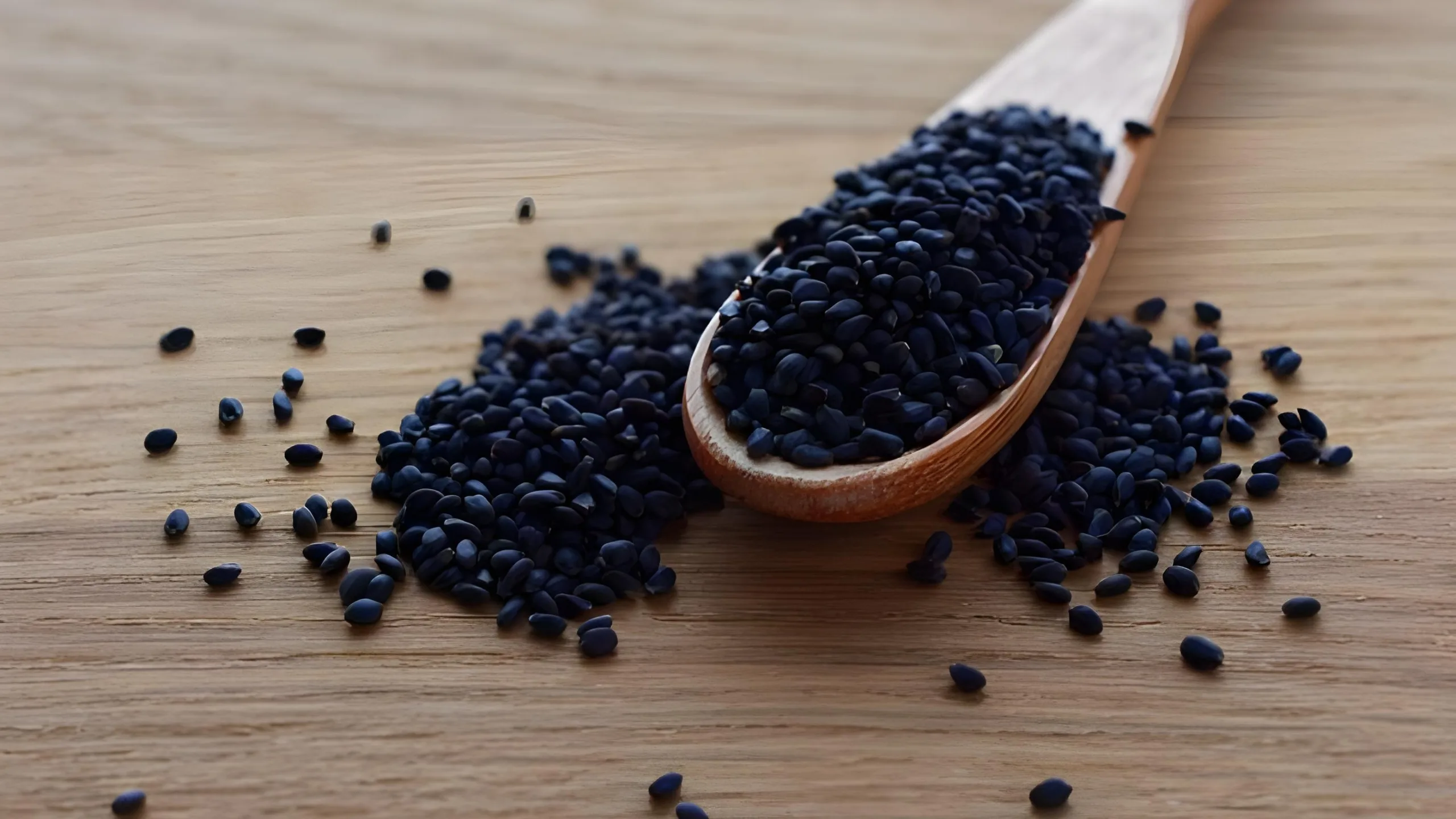
Bavchi (Psoralea corylifolia), commonly known as "Babchi," is a medicinal herb widely recognized in traditional systems like Ayurveda and Unani. It is a member of the Fabaceae family and is predominantly found in the tropical and subtropical regions of Asia, Africa, and the Middle East. The plant is known for its seeds, which have been used for centuries in treating skin conditions like psoriasis, vitiligo, and leprosy, among others.
Bavchi is known to contain a range of bioactive compounds that contribute to its medicinal efficacy:
Ayurvedic Pharmacopoeia of India (API), Govt. of India.
Sharangdhar Samhita, Chapter on Skin Diseases.
Verma, R.K., & Singh, A.K. (2015). "Phytochemical profile and pharmacological activities of Psoralea corylifolia (Bavchi)." Journal of Ethnopharmacology, 170, 82-91.
Indian Pharmacopoeia, Government of India, Ministry of Health and Family Welfare.
Journal of Medicinal Plants Studies, 2013. "Antidiabetic potential of Psoralea corylifolia." 1(5), 34-41.
Chopra, R.N., Nayar, S.L., & Chopra, I.C. (1956). Glossary of Indian Medicinal Plants. CSIR, New Delhi.
Singh, S.K., & Tiwari, P. (2013). "Psoralea corylifolia: A potential plant for skin disorders." Pharmacognosy Reviews, 7(14), 28-35.

Moving your card details to a much more secured place

100% Payment Protection. Easy Return Policy

Fast, reliable delivery from global warehouses

 My Account
