Free Shipping On Above Order Value Rs. 500
Free Shipping On Above Order Value Rs. 500


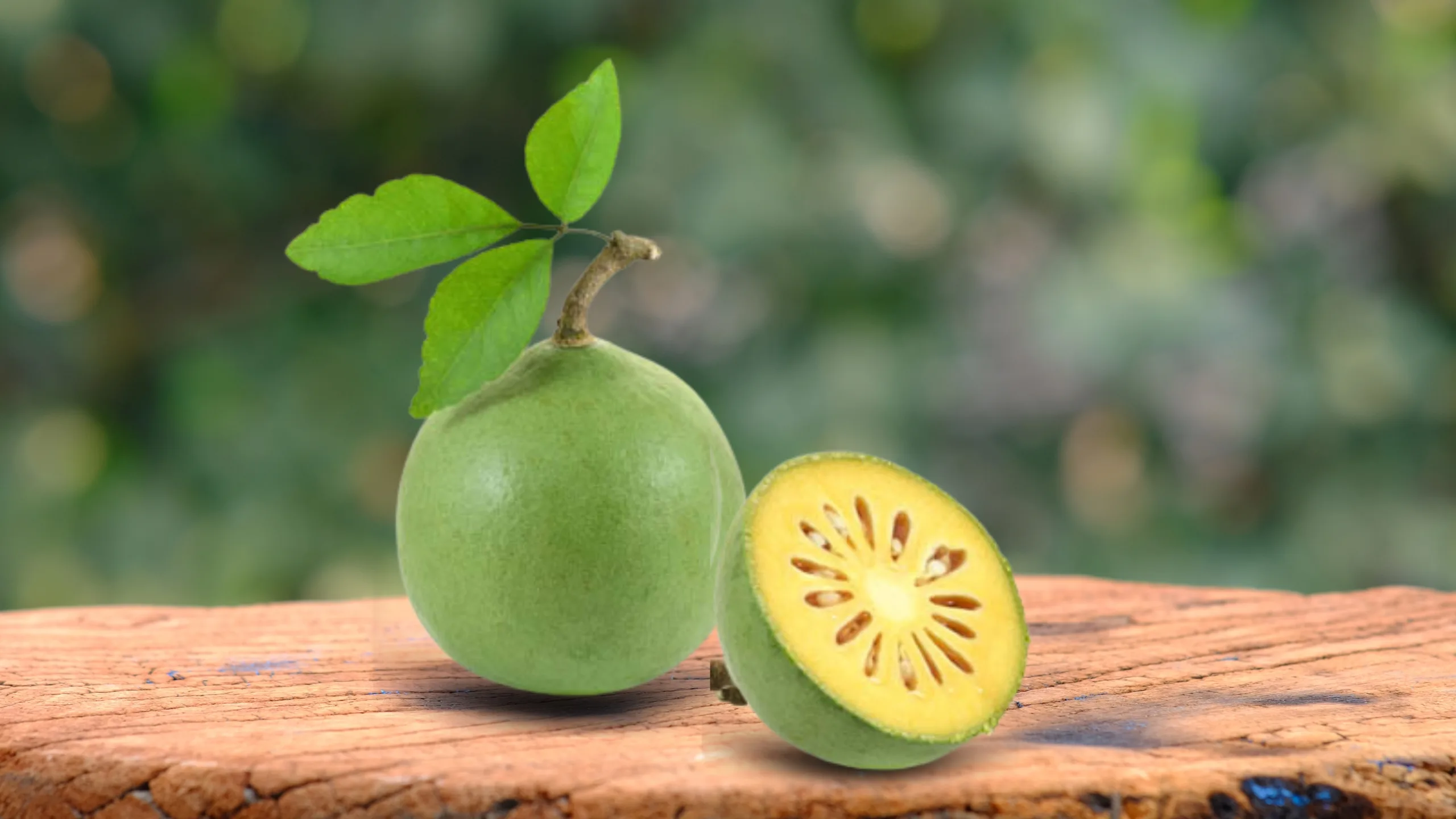
Bilwa / Bengal quince (Aegle marmelos L.), also known as Bael, is a sacred and medicinal tree revered in Ayurveda and Hindu tradition. It belongs to the Rutaceae family and is native to India and Southeast Asia. All parts of the tree—fruit, leaves, bark, root, and flowers—are used for their therapeutic properties, especially in treating gastrointestinal disorders, diabetes, inflammation, and respiratory conditions.
Bilwa is rich in a variety of bioactive compounds that contribute to its pharmacological effects.
Ayurvedic Pharmacopoeia of India, Part I, Vol. I, Govt. of India, Ministry of AYUSH.
Sharma, P.V. (1999). Dravyaguna Vijnana (Vol. II). Chaukhambha Bharati Academy.
Jindal, A., & Garg, A. (2017). "Therapeutic benefits of Aegle marmelos (Bael) – A review." Journal of Pharmacognosy and Phytochemistry, 6(5), 424-429.
Balasubramani, S.P. et al. (2015). "Pharmacological activities of Aegle marmelos – A review." Asian Pacific Journal of Tropical Disease, 5(1), S62-S68.
Council of Scientific and Industrial Research (CSIR). (1956). The Wealth of India: A Dictionary of Indian Raw Materials and Industrial Products – Raw Materials, Vol. 1: A.
Kirtikar, K.R. & Basu, B.D. (1935). Indian Medicinal Plants, Vol. I, Lalit Mohan Basu Publishers, Allahabad.
European Pharmacopoeia, 10th Edition, Council of Europe (For plant-based herbal monographs).
Chopra, R.N., Nayar, S.L., & Chopra, I.C. (1956). Glossary of Indian Medicinal Plants. CSIR, New Delhi.

Moving your card details to a much more secured place

100% Payment Protection. Easy Return Policy

Fast, reliable delivery from global warehouses

 My Account
