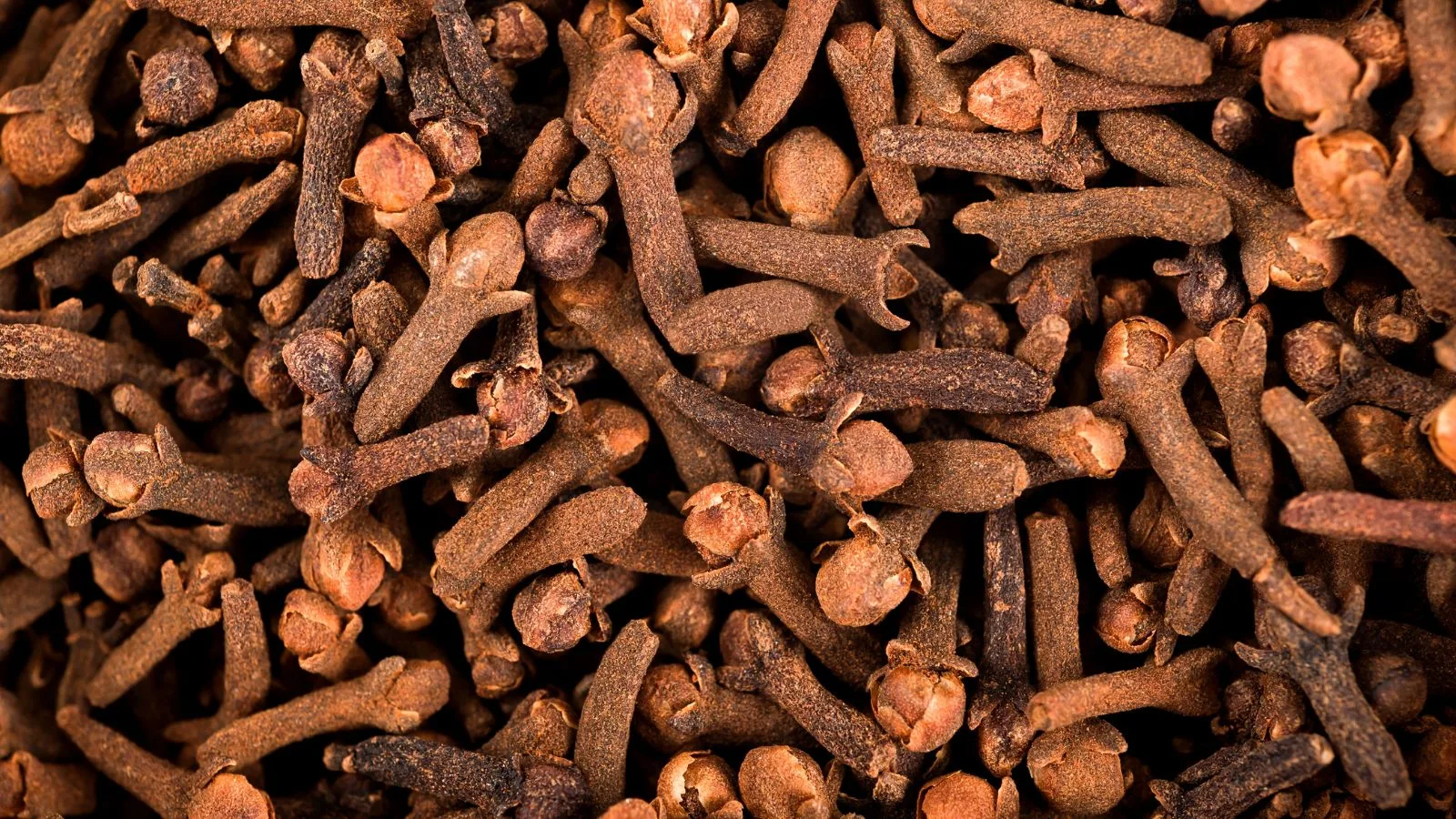
Clove / Laving (Syzygium aromaticum) is a dried flower bud of a tree belonging to the family Myrtaceae. Native to the Maluku Islands of Indonesia, it is widely cultivated and used around the world, particularly in culinary, pharmaceutical, and traditional medicine systems. Clove is renowned for its antimicrobial, analgesic, anti-inflammatory, and antioxidant properties, making it a valuable herb in Ayurveda, Unani, and Siddha systems of medicine.
Clove Scientific Names
- Kingdom: Plantae
- Phylum: Angiosperms
- Class: Eudicots
- Order: Myrtales
- Family: Myrtaceae
- Genus: Syzygium
- Species: Syzygium aromaticum
Clove Common Names
- English: Clove
- Sanskrit: Lavanga
- Hindi: Laung
- Tamil: Kirambu
- Telugu: Lavangam
- Malayalam: Grambu
- Kannada: Lavanga
- Marathi: Lavang
- Bengali: Labanga
Clove Common Names
1. Clove Tea for Daily Digestion Support
If your stomach feels heavy or bloated, a simple clove tea works wonders.
Boil 1–2 whole cloves in hot water for a few minutes and sip slowly. It gently warms the stomach, reduces discomfort, and helps settle nausea.
2. Clove + Ginger Warm Drink After Meals
A time-tested home remedy is to crush one clove and mix it with fresh ginger in warm water.
This combination helps reduce gas, improves digestion, and makes you feel lighter after heavy or oily meals.
3. Clove Oil for Tooth & Gum Relief
For a sudden toothache or gum soreness, dilute a single drop of clove essential oil in coconut oil and apply with a cotton swab.
It offers quick relief because clove contains eugenol, a natural numbing compound used even by traditional dentists.
4. Clove Steam for Seasonal Comfort
Adding a few cloves to steaming water makes the vapour more aromatic and soothing.
It helps relieve blocked nose, mild cold symptoms, and sinus heaviness — especially during winter.
5. Everyday Cooking With Clove
Using clove in food is the simplest daily wellness habit.
Add a clove or two to curries, pulao, masala chai, biryani, or spice blends.
It enhances aroma and supports digestion without altering the recipe heavily.
Read More:
Clove Uses & Benefits Explained
Internal & Lifestyle Uses of Clove
1. Clove in Ayurvedic Kadhas & Immunity Tonics
Clove works beautifully with herbs like cinnamon, tulsi, and black pepper.
This strengthening combination is widely used in kadhas to support immunity, respiratory comfort, and seasonal wellness.
2. Digestive & Detox Blends
Many herbal elixirs use clove because it stimulates digestion, supports detox pathways, and helps the gut stay active.
It provides warmth, improves metabolism, and reduces sluggishness.
3. Natural Wellness Supplements
Clove extracts — especially those rich in eugenol — are used in formulations for:
- oral hygiene
- inflammation balance
- metabolic support
- antioxidant protection
These supplements are usually taken in controlled amounts as part of a long-term wellness routine.
Clove Uses
- Dental and Oral Health - Used for toothaches and gum infections due to its analgesic and antiseptic properties.
- Digestive Health - Helps relieve indigestion, bloating, and flatulence. Acts as a carminative.
- Respiratory Disorders - Used in managing cough, asthma, and bronchitis as an expectorant.
- Anti-inflammatory and Pain Relief - Topical application provides relief from muscle pain, joint inflammation, and arthritis.
- Immune Support and Antioxidant Action - Rich in antioxidants like eugenol, which supports the immune system and reduces oxidative stress.
- Antimicrobial Action - Exhibits broad-spectrum antimicrobial activity against bacteria, fungi, and viruses.
Phytochemical Constituents
Clove is rich in essential oils and bioactive compounds, including:
Essential Oils:
- Eugenol (main constituent, up to 80–90%)
- Caryophyllene
- Acetyl eugenol
Phenolic Compounds:
Flavonoids:
Others:
- Saponins
- Steroids
- Terpenoids
References
- Ayurvedic Pharmacopoeia of India, Part I, Vol. IV, Govt. of India, Ministry of AYUSH.
- Indian Materia Medica by K.M. Nadkarni, Popular Prakashan, Mumbai.
- Chopra, R.N., Nayar, S.L., & Chopra, I.C. (1956). Glossary of Indian Medicinal Plants. CSIR, New Delhi.
- European Pharmacopoeia, 10th Edition, Council of Europe.
- Chaieb, K. et al. (2007). "Antibacterial activity of Syzygium aromaticum essential oil against a wide range of clinical bacteria." International Journal of Antimicrobial Agents, 30(3), 304–308.
- Cortés-Rojas, D.F., de Souza, C.R.F., & Oliveira, W.P. (2014). "Clove (Syzygium aromaticum): A precious spice." Asian Pacific Journal of Tropical Biomedicine, 4(2),
- Singh, G., et al. (2005). "Chemical composition and antimicrobial activity of essential oil of clove (Syzygium aromaticum) from India." Flavour and Fragrance Journal, 20, 55–58.



 My Account
