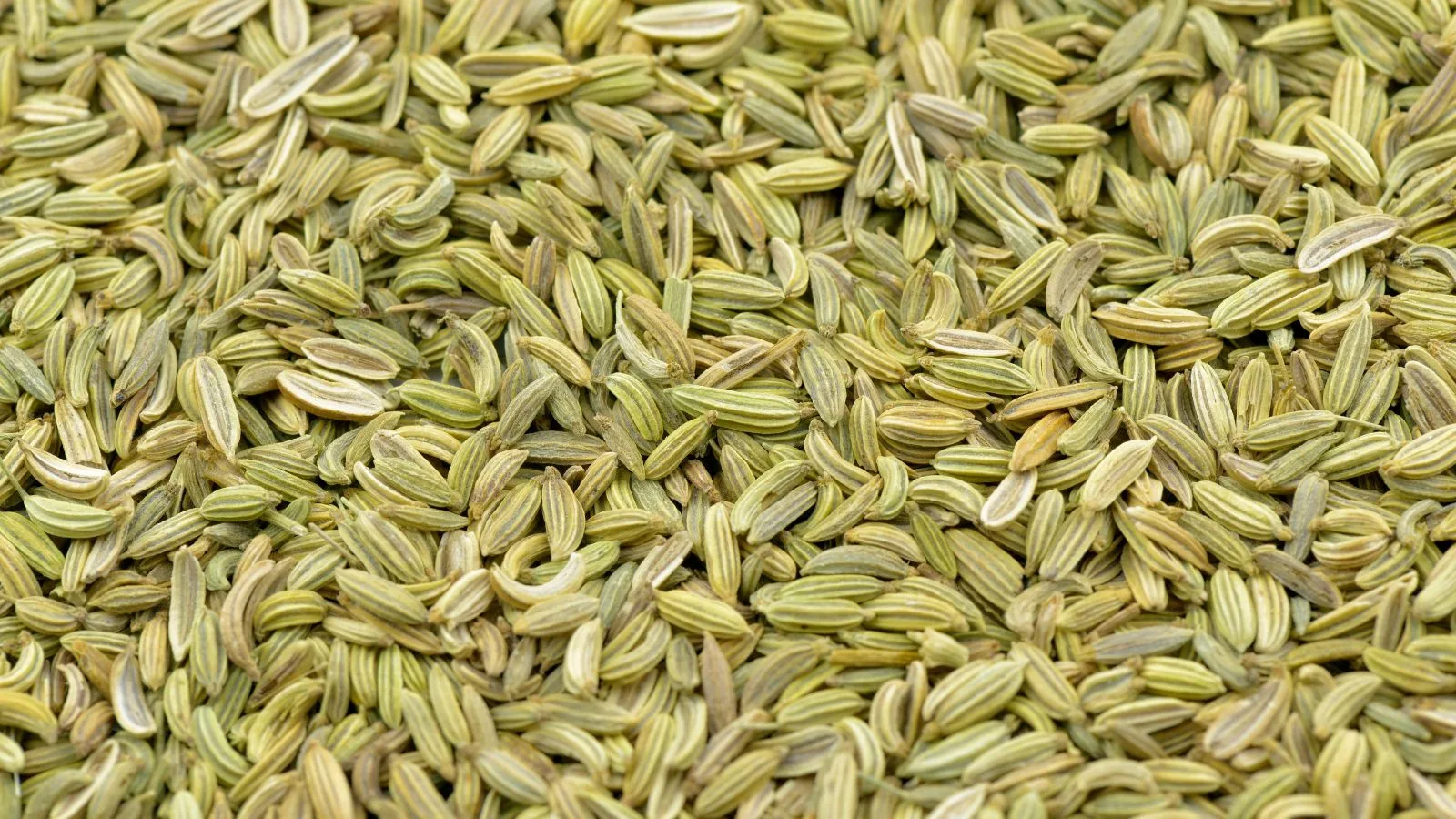
Fennel (Foeniculum vulgare) is a highly aromatic and flavorful herb used in culinary and medicinal applications. It belongs to the Apiaceae family and is widely cultivated across various regions for its seeds, leaves, and essential oil. Traditionally, fennel has been used to treat digestive issues, respiratory disorders, and menstrual irregularities.
Scientific Classification
- Kingdom: Plantae
- Phylum: Angiosperms
- Class: Eudicots
- Order: Apiales
- Family: Apiaceae
- Genus: Foeniculum
- Species: Foeniculum vulgare
Common Names
- English: Fennel
- Sanskrit: Shatapushpa
- Hindi: Saunf
- Tamil: Perunjeeragam
- Telugu: Sopu
- Bengali: Mouri
- Marathi: Badishep
Daily Routine Uses of Fennel (Saunf)
People often search for how to use fennel daily or simple home uses of fennel to support digestion and overall wellness. Fennel is gentle, cooling, and effective for daily wellness fennel routines, making it suitable for people of all age groups.
1. After-Meal Digestive (Most Common Daily Use)
Chewing ½ teaspoon fennel seeds after meals is one of the simplest and most powerful daily wellness fennel practices.
This everyday habit helps with:
- Gas & bloating
- Acidity control
- Faster digestion
- Feeling lighter after meals
2. Early-Morning Detox Drink (Fennel Soaked Water)
If someone wants to know how to use fennel daily for detox and cooling, this is the best method.
- Soak 1 tsp fennel seeds overnight
- Drink the infused water in the morning
Benefits:
- Reduces body heat
- Improves digestion
- Clears toxins (Pitta balancing)
- Supports weight management
This is one of the most popular simple home uses of fennel in Ayurveda.
3. Better Sleep Support
A small pinch of fennel seeds with warm water at night:
- Calms the mind
- Reduces stress
- Improves sleep quality
This is another soft routine included under daily wellness fennel usage.
4. Natural Mouth Freshener
Chewing fennel is one of the most effective simple home uses of fennel for:
- Freshening breath
- Reducing bad odour
- Improving saliva flow
- Supporting oral hygiene
Because fennel is sweet, aromatic, and cooling, it is widely used in Indian digestive mukhwas blends.
Kitchen & Culinary Uses of Fennel
Fennel (Saunf) has a long history in Indian cuisine. Many people look for fennel uses in kitchen and recipes using fennel because of its sweet aroma, cooling nature, and digestive benefits.
1. In Indian Cuisine (Traditional & Everyday Uses)
a) Curries, Dals & Gravies
Fennel seeds are added to:
- Curries
- Dals
- Vegetable gravies
They provide a mild sweetness and improve digestion after consuming heavy meals. This is why fennel is known as a sweet fennel digestive spice in Indian cooking.
b) Gujarati & Rajasthani Dishes
Fennel is a key ingredient in:
- Gujarati sweet-spicy shaaks
- Rajasthani masala blends
- Farsan
- Kadhi
It cools the body and balances heavy foods.
c) Tadka, Chutneys & Pickles
Fennel is used in tempering to enhance flavour and aroma. It is also added to:
- Lemon pickles
- Mango pickles
- Sweet chutneys
- Dry masala mixes
It acts as a natural preservative and adds a refreshing taste.
d) Digestive Mukhwas
Fennel is the base ingredient for many digestive mukhwas because it:
- Improves digestion
- Freshens breath
- Provides cooling effect
This is a common and popular fennel use in kitchen.
2. Summer Cooling Drinks
If someone wants to know how to use fennel daily in drinks, these two are the best:
a) Saunf Sharbat
A refreshing beverage that:
- Cools the body
- Hydrates
- Reduces heat-related headaches
b) Fennel Detox Water
Made by soaking fennel seeds in water for a few hours.
Benefits:
- Detoxifies
- Reduces acidity
- Boosts metabolism
- Controls internal heat
These drinks are popular especially during summer as natural cooling remedies.
Read More:
Fennel Uses, Benefits & Applications
Traditional and Medicinal Uses
- Digestive Health - Acts as a natural carminative, relieving bloating, indigestion, and gas.
- Respiratory Benefits - Works as an expectorant, helping clear mucus and ease cough and bronchitis.
- Menstrual and Reproductive Health- Functions as an emmenagogue, aiding in menstrual regulation and reducing cramps.
- Antioxidant and Anti-inflammatory Properties - Rich in flavonoids and phenolic compounds, providing anti-inflammatory effects.
- Lactation Enhancer - Traditionally used to promote breast milk production in nursing mothers.
Phytochemical Constituents
- Essential Oils: Anethole, Estragole, Fenchone
- Flavonoids: Quercetin, Kaempferol
- Phenolic Compounds: Rosmarinic acid, Caffeic acid
- Alkaloids: Umbelliferone, Bergapten
References
- Ayurvedic Pharmacopoeia of India (API), Govt. of India.
- Sharangdhar Samhita, Chapter on Digestive Disorders.
- Kamatou, G.P.P., Vermaak, I., & Viljoen, A.M. (2013). "An updated review of Foeniculum vulgare essential oils: Phytochemistry and biological activities." Journal of Ethnopharmacology, 146(3), 508-513.
- European Pharmacopoeia, 10th Edition, Council of Europe.
- Rahimi, R., & Ardekani, M.R. (2013). "Medicinal properties of fennel (Foeniculum vulgare): A systematic review." Journal of Phytotherapy Research, 27(6), 897-916.
- Chopra, R.N., Nayar, S.L., & Chopra, I.C. (1956). Glossary of Indian Medicinal Plants. CSIR, New Delhi.
- Ayurvedic Pharmacopoeia of India – Foeniculum vulgare
- Bhavaprakasha Nighantu – Saunf varga
- Charaka Samhita – Agni & Grahani chikitsa
- Journal of Ethnopharmacology – Studies on Foeniculum vulgare
- NCBI / PubMed – Anti-inflammatory & digestive actions of fennel
- API Monographs on culinary & medicinal herbs



 My Account
