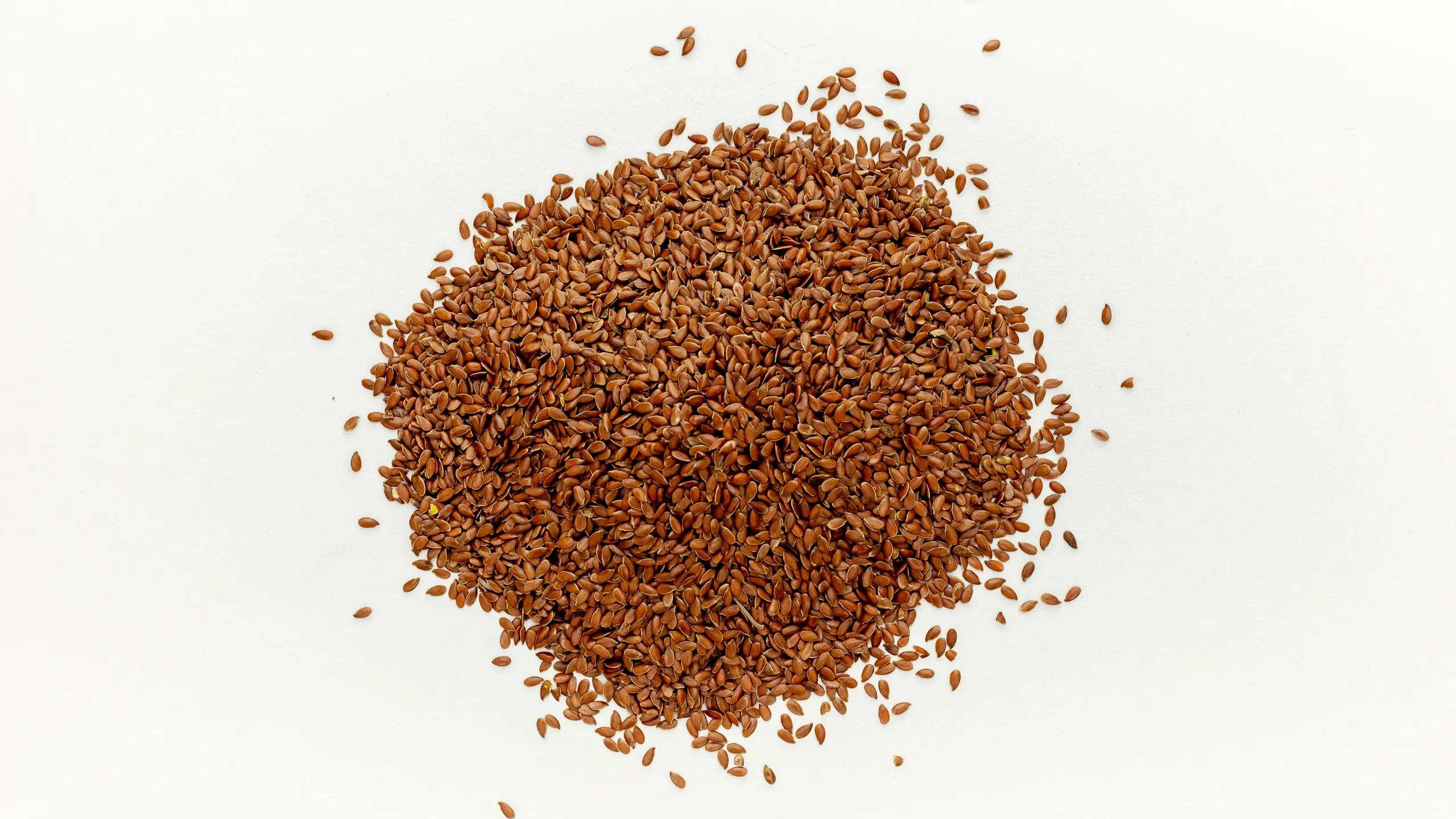
Flaxseed (Linum usitatissimum), commonly known as linseed, is one of the oldest cultivated crops in the world. Belonging to the Linaceae family, it is cultivated for its seeds and fiber. The seeds are rich in omega-3 fatty acids, lignans, and dietary fiber, making them valuable for both nutritional and medicinal purposes. Traditionally, flaxseed has been used for managing digestive issues, cardiovascular health, and inflammatory conditions.
Scientific Classification
- Kingdom: Plantae
- Phylum: Angiosperms
- Class: Eudicots
- Order: Malpighiales
- Family: Linaceae
- Genus: Linum
- Species: Linum usitatissimum
Common Names
- English: Flaxseed, Linseed
- Sanskrit: Atasi
- Hindi: Alsi
- Tamil: Ali vidai
- Telugu: Avise ginjalu
- Bengali: Tisi
- Marathi: Javas
Traditional and Medicinal Uses
- Digestive Health: Acts as a mild laxative, promoting bowel movement and easing constipation. The mucilage in the seed helps soothe the intestinal lining, providing relief in gastritis and ulcers.
- Cardiovascular Health: Regular consumption aids in maintaining blood pressure and reduces atherosclerotic risk.
- Hormonal and Reproductive Health: The phytoestrogens (lignans) in flaxseed help balance hormones and may reduce symptoms of menopause.
- Skin and Wound Healing: Topical application of flaxseed oil is used in traditional medicine to promote wound healing and soothe skin irritation.
References
- Ayurvedic Pharmacopoeia of India (API), Govt. of India.
- Weiss, E.A. (1983). Oilseed Crops. Longman, London.
- Chopra, R.N., Nayar, S.L., & Chopra, I.C. (1956). Glossary of Indian Medicinal Plants. CSIR, New Delhi.
- Oomah, B.D. (2001). “Flaxseed as a functional food source.” Journal of the Science of Food and Agriculture, 81(9), 889–894.
- Goyal, A., Sharma, V., Upadhyay, N., Gill, S., & Sihag, M. (2014). “Flax and flaxseed oil: An ancient medicine & modern functional food.” Journal of Food Science and Technology, 51(9), 1633–1653.
- Kajla, P., Sharma, A., & Sood, D.R. (2015). “Flaxseed—A potential functional food source.” Journal of Food Science and Technology, 52(4), 1857–1871.
- European Pharmacopoeia, 10th Edition, Council of Europe.
- World Health Organization (WHO) Monographs on Selected Medicinal Plants, Volume 2 (2002).



 My Account
