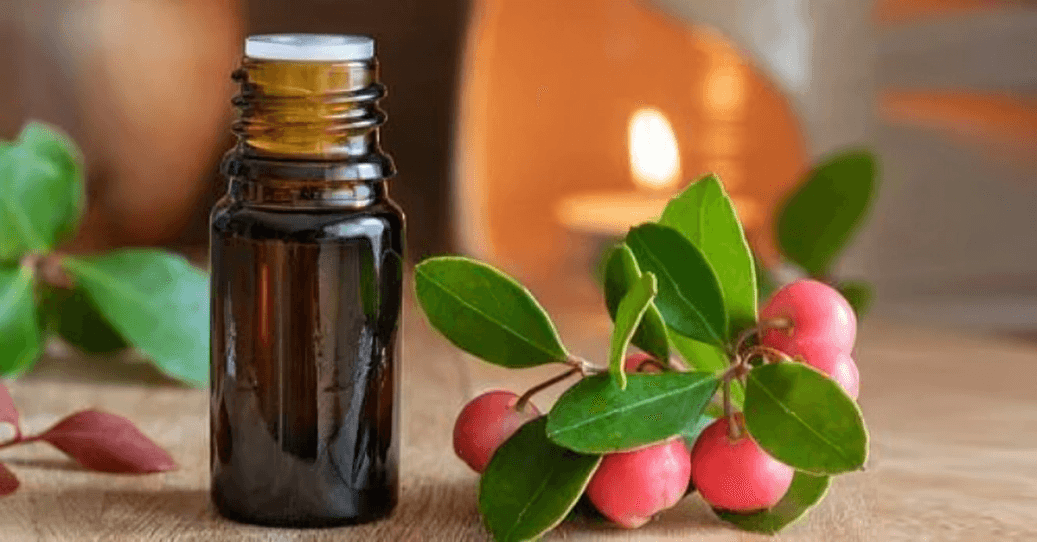
Gandhapura oil, commonly known as wintergreen oil, is an aromatic oil obtained from Gaultheria fragrantissima. It is particularly known for its high content of methyl salicylate, a naturally occurring compound associated with the oil's characteristic aroma and topical counterirritant properties. Gandhapura oil has been traditionally used in topical preparations for muscle and joint discomfort.
Scientific Classification
- Kingdom: Plantae
- Clade: Angiosperms
- Clade: Eudicots
- Order: Ericales
- Family: Ericaceae
- Genus: Gaultheria
- Species: Gaultheria fragrantissima
Common Names
- English: Wintergreen Oil, Sweet Birch Oil
- Sanskrit: Gandhapura Taila
- Hindi: Gandhapura Ka Tel
- Tamil: Gandhapura Ennai
- Telugu: Gandhapura Tailam
- Bengali: Gandhapur Tel
- Marathi: Gandhapur Tel
Traditional and Medicinal Uses
- Musculoskeletal Pain Relief—Used topically to relieve arthritis, joint pain, muscle cramps, and backaches.
- Anti-inflammatory and Analgesic Use—Contains methyl salicylate, which mimics the effects of aspirin to reduce inflammation and pain.
- Skin Care and Antiseptic Use—Used in treating minor wounds, insect bites, and skin infections due to its antiseptic nature.
- Respiratory Aid—In vapor form, it helps relieve nasal congestion and sinusitis.
- Dental Applications—Incorporated into mouthwashes and toothpastes for its antimicrobial and flavoring properties.
Key Compound in Gandhapura Oil
Methyl salicylate is the principal characteristic constituent of Gandhapura oil and is responsible for much of its distinctive wintergreen aroma and topical counterirritant effect. The exact composition of the oil can vary depending on the plant material, extraction method and source.
What Is Methyl Salicylate?
Methyl salicylate is a naturally occurring salicylate compound found in high amounts in wintergreen oil. It is widely used in topical preparations for its counterirritant properties and is also used as a flavouring ingredient in some products.
Safety and Precautions
Gandhapura oil is highly concentrated and should not be used internally unless specifically formulated and directed by a qualified professional. Avoid applying concentrated oil to broken or irritated skin, eyes or mucous membranes. Keep it away from children and avoid excessive use. People with salicylate sensitivity or those taking medicines that may interact with salicylates should seek professional advice before use.
References
Ayurvedic Pharmacopoeia of India, Part 1, Volume II, Ministry of AYUSH, Govt. of India.
Indian Materia Medica – Nadkarni, K.M. (1954). Popular Prakashan, Mumbai.
Khare, C.P. (2007). Indian Medicinal Plants – An Illustrated Dictionary. Springer.
National Center for Biotechnology Information (NCBI). PubChem Compound Summary for CID 4136, Methyl Salicylate.
Tiwari, R. et al. (2010). “Pharmacological Aspects of Gaultheria fragrantissima.” Pharmacognosy Reviews, 4(8), 187–190.
European Pharmacopoeia, 10th Edition.
Chopra, R.N., Nayar, S.L., & Chopra, I.C. (1956). Glossary of Indian Medicinal Plants. CSIR, New Delhi.
Frequently Asked Questions
What is Gandhapura oil?
Gandhapura oil is an aromatic oil obtained from Gaultheria fragrantissima, commonly known as wintergreen oil.
What is the main compound in Gandhapura oil?
Methyl salicylate is the principal characteristic compound of the oil.
What is Gandhapura oil traditionally used for?
It is traditionally used in topical preparations for muscle and joint discomfort.
Can Gandhapura oil be used directly on the skin?
Concentrated oil should not be used casually or excessively; follow the product formulation or professional guidance.
Is Gandhapura oil for internal use?
It should not be taken internally unless specifically formulated and advised by a qualified professional.
Content by: Polycare Herbals Editorial Team
Specialization: Ayurvedic and Herbal Wellness Information



 My Account
