Free Shipping On Above Order Value Rs. 500
Free Shipping On Above Order Value Rs. 500


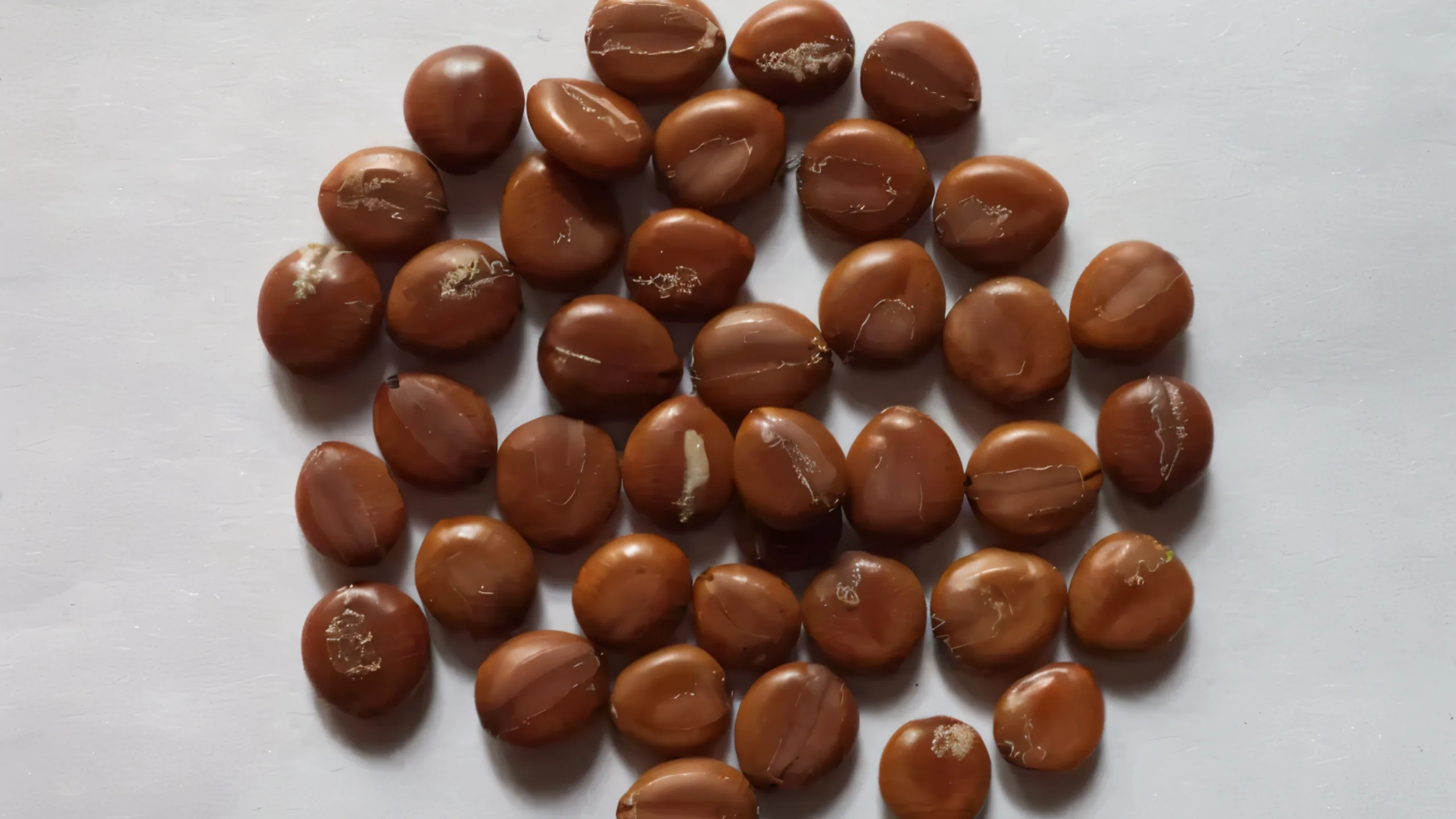
Garmalo (Cassia fistula), also known as the Indian Laburnum, is a fast-growing deciduous tree native to the Indian subcontinent. It belongs to the Fabaceae family and is widely recognized for its bright yellow flowers and long, cylindrical seed pods. In Ayurveda and traditional systems of medicine, Garmalo is valued for its laxative, anti-inflammatory, and antimicrobial properties, especially its pulp, which is used as a gentle natural laxative.
Cassia fistula contains a variety of bioactive constituents responsible for its pharmacological properties:
Ayurvedic Pharmacopoeia of India (API), Govt. of India, Vol. II, Part I, First Edition, Page 13–15.
Indian Herbal Pharmacopoeia, Revised Edition, IDMA & RRL (CSIR), 2002.
Nadkarni, K.M. (1976). Indian Materia Medica, Vol. I, Bombay Popular Prakashan.
Kirtikar, K.R., & Basu, B.D. (1935). Indian Medicinal Plants, Vol. II, International Book Distributors.
Gupta, A.K., Tandon, N., & Sharma, M. (2005). Quality Standards of Indian Medicinal Plants, ICMR, Vol. 2.
Satyavathi, G.V., Gupta, A.K., & Neeraj, T. (1976). Medicinal Plants of India, ICMR, Vol. I.
Meena, A.K., Rao, M.M., & Padhi, M.M. (2010). "Review on pharmacological and phytochemical properties of Cassia fistula Linn." Journal of Natural Remedies, 10(2), 102–109.
Sharma, P.V. (1999). Dravyaguna Vijnana (Materia Medica - Vegetable Drugs), Vol. II, Chaukhambha Bharati Academy.

Moving your card details to a much more secured place

100% Payment Protection. Easy Return Policy

Fast, reliable delivery from global warehouses

 My Account
