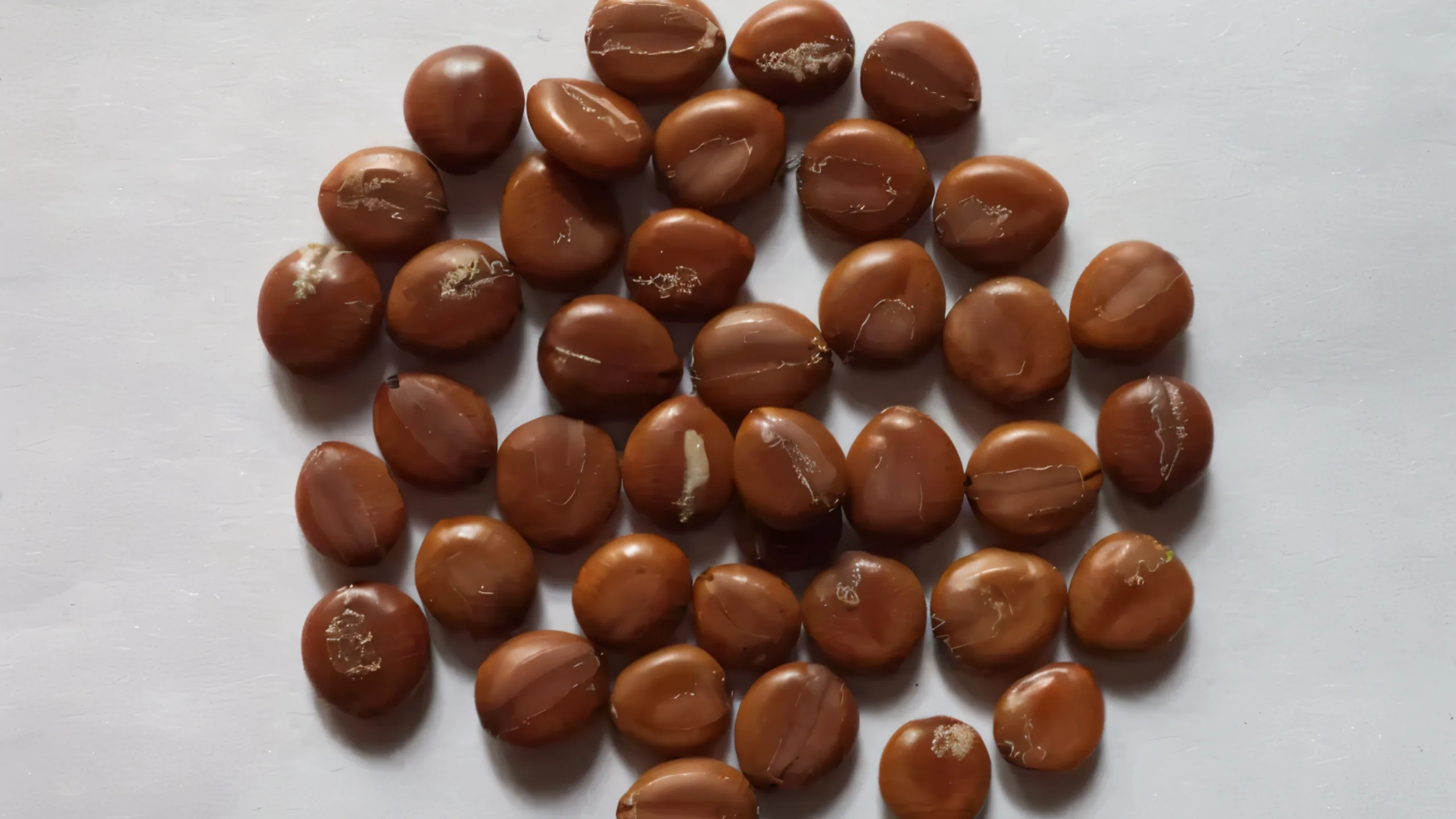
Garmalo, scientifically known as Cassia fistula L., is a deciduous tree belonging to the Fabaceae family. It is commonly known as Amaltas, Golden Shower Tree, and Indian Laburnum. The tree is widely recognized for its bright yellow flowers and long, cylindrical fruit pods. In Ayurveda and traditional Indian medicine, different parts of the plant, particularly the fruit pulp, have been used in herbal preparations. Cassia fistula contains naturally occurring anthraquinones, flavonoids, tannins, and other plant compounds.
Cassia fistula Scientific Name
- Kingdom: Plantae
- Clade: Angiosperms
- Clade: Eudicots
- Order: Fabales
- Family: Fabaceae
- Genus: Cassia
- Species: Cassia fistula
Cassia fistula Common Name
- English: Golden Shower Tree, Indian Laburnum
- Sanskrit: Aragvadha
- Hindi: Amaltas
- Gujarati: Garmalo
- Tamil: Konrai
- Telugu: Rela
- Marathi: Bahava
- Malayalam: Kanikkonna
- Kannada: Kakke
Traditional Uses of Garmalo
Traditional Laxative Use:
The fruit pulp of Garmalo has a long history of traditional use as a mild laxative in Ayurvedic preparations. Its traditional use is mainly associated with supporting bowel regularity.
Traditional Digestive Use:
Different parts of Cassia fistula have been used in traditional herbal preparations for
digestive and bowel-related purposes.
Traditional External Use:
Bark, leaves and other plant parts have been used traditionally in external herbal preparations for skin and local-care purposes. Traditional use should not be interpreted as proof of treatment for specific skin infections.
Traditional Inflammatory and Wellness Use:
Garmalo has been described in traditional medicinal literature in preparations associated with general wellness and inflammatory conditions. Modern research has investigated different extracts for various biological activities, but this does not establish the plant as a treatment for arthritis or other diseases.
Traditional Fever and Other Uses:
Various parts of the plant have been used in traditional remedies for fever and other health-related purposes. These traditional applications should be distinguished from established human clinical evidence.
Phytochemical Constituents
Different parts of Cassia fistula contain naturally occurring phytochemicals. Reported constituents include:
- Anthraquinone derivatives: Rhein, emodin, and chrysophanol have been reported in different plant parts and extracts.
- Flavonoids: Compounds such as kaempferol and related flavonoids have been reported.
- Tannins: Found in various plant parts and associated with the astringent character of some extracts.
- Phenolic compounds: Naturally occurring plant compounds reported in different extracts.
- Other constituents: The phytochemical profile can vary according to the plant part, geographical source and extraction method.
The presence and concentration of individual compounds may vary between extracts and preparations.
Which Part of Garmalo Is Traditionally Used?
Different parts of Garmalo, including the fruit pulp, bark, leaves, flowers and seeds, have been described in traditional herbal practices. The fruit pulp is particularly known for its traditional use in Ayurvedic preparations associated with bowel regularity.
Safety and Precautions
Garmalo preparations should be used according to the formulation, product instructions, or guidance from a qualified healthcare professional. Excessive use of laxative preparations may cause loose stools, abdominal discomfort, dehydration, or electrolyte imbalance. Children, pregnant or breastfeeding individuals, people with ongoing gastrointestinal problems, and those taking regular medicines should seek appropriate professional advice before using concentrated herbal preparations.
Frequently Asked Questions
What is Garmalo?
Garmalo is the Gujarati name commonly used for
Cassia fistula, also known as Amaltas or Golden Shower Tree.
What is the botanical name of Garmalo?
The botanical name is
Cassia fistula L.
Which part of Garmalo is traditionally used as a laxative?
The fruit pulp has traditionally been used in Ayurvedic herbal preparations associated with bowel regularity.
What are the main phytochemicals found in Garmalo?
Reported constituents include anthraquinone derivatives, flavonoids, tannins and other phenolic compounds.
Is Garmalo the same as Senna?
No. Garmalo is
Cassia fistula, while commonly used medicinal Senna belongs to the genus
Senna. They are different plants.
References
Ayurvedic Pharmacopoeia of India (API), Govt. of India, Vol. II, Part I, First Edition, Page 13–15.
Indian Herbal Pharmacopoeia, Revised Edition, IDMA & RRL (CSIR), 2002.
Nadkarni, K.M. (1976). Indian Materia Medica, Vol. I, Bombay Popular Prakashan.
Kirtikar, K.R., & Basu, B.D. (1935). Indian Medicinal Plants, Vol. II, International Book Distributors.
Gupta, A.K., Tandon, N., & Sharma, M. (2005). Quality Standards of Indian Medicinal Plants, ICMR, Vol. 2.
Satyavathi, G.V., Gupta, A.K., & Neeraj, T. (1976). Medicinal Plants of India, ICMR, Vol. I.
Meena, A.K., Rao, M.M., & Padhi, M.M. (2010). "Review on pharmacological and phytochemical properties of Cassia fistula Linn." Journal of Natural Remedies, 10(2), 102–109.
Sharma, P.V. (1999). Dravyaguna Vijnana (Materia Medica - Vegetable Drugs), Vol. II, Chaukhambha Bharati Academy.



 My Account
