Free Shipping On Above Order Value Rs. 500
Free Shipping On Above Order Value Rs. 500


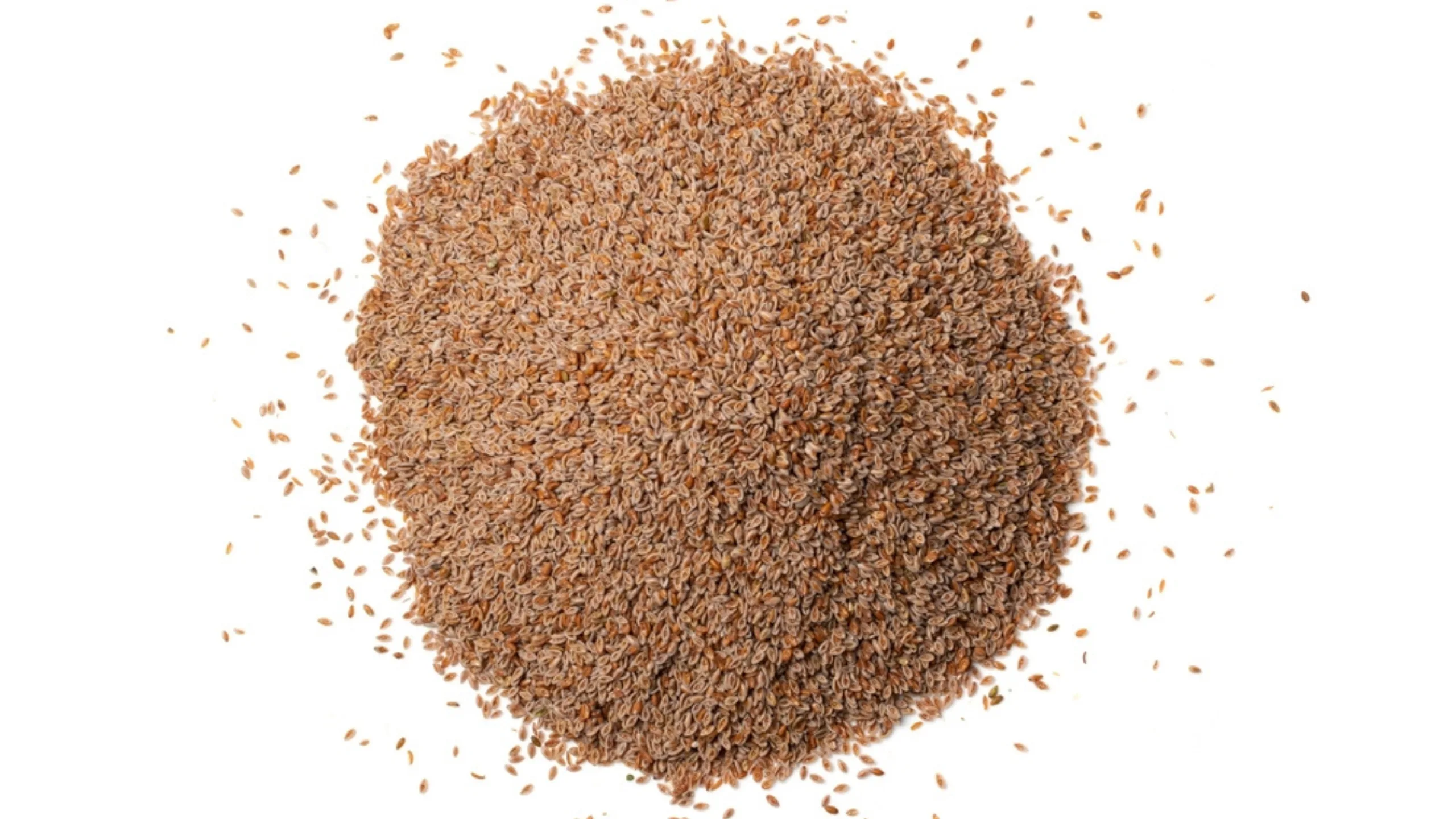
Isabgol (Plantago ovata Forssk.) is a small herbaceous plant native to India and the Mediterranean region. The seed husk, commonly known as psyllium husk, is widely used for its high mucilage content, primarily as a natural laxative and dietary fiber supplement. It is renowned for its gentle yet effective action in managing constipation, irritable bowel syndrome (IBS), and cholesterol levels.
Isabgol contains high amounts of soluble and insoluble fiber, mucilage, and several active phytochemicals:
Ayurvedic Pharmacopoeia of India (API) – Govt. of India, Part I, Vol. II, Ministry of AYUSH.
Indian Herbal Pharmacopoeia (2002), Indian Drug Manufacturers’ Association (IDMA) & RRL, CSIR.
Vohora, S.B., & Khan, M.S.Y. (1978). "Analgesic and anti-inflammatory studies on Plantago ovata." Planta Medica, 34, 225–228.
Marlett, J.A., & Fischer, M.H. (2003). "The active fraction of psyllium husk." Proceedings of the Nutrition Society, 62(1), 207–209.
Anderson, J.W. et al. (2000). "Long-term cholesterol-lowering effects of psyllium as an adjunct to diet therapy in the treatment of hypercholesterolemia." The American Journal of Clinical Nutrition, 71(6), 1433–1438.
The European Pharmacopoeia, 10th Edition – Council of Europe.
Chopra, R.N., Nayar, S.L., & Chopra, I.C. (1956). Glossary of Indian Medicinal Plants, CSIR, New Delhi.
British Herbal Pharmacopoeia (1996). Psyllium Monograph, British Herbal Medicine Association.

Moving your card details to a much more secured place

100% Payment Protection. Easy Return Policy

Fast, reliable delivery from global warehouses

 My Account
