Free Shipping On Above Order Value Rs. 500
Free Shipping On Above Order Value Rs. 500


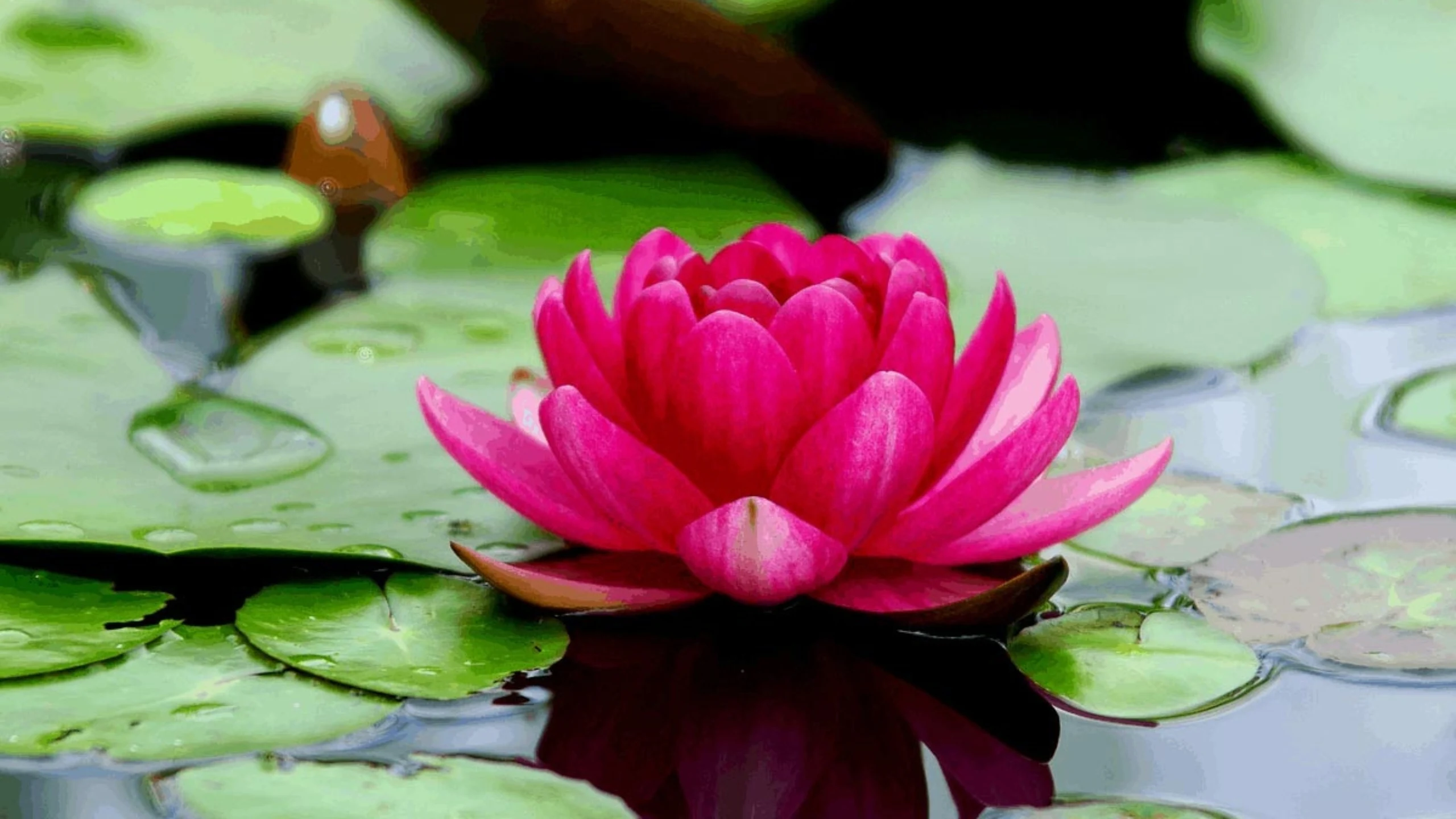
Kamal, commonly known as Lotus or Sacred Lotus, is an aquatic plant scientifically identified as Nelumbo nucifera. It belongs to the Nelumbonaceae family and has a long history of use in Ayurveda, traditional practices, food systems and spiritual traditions.
Different parts of the Lotus plant, including its flowers, seeds, leaves and rhizomes, have been used traditionally in various preparations.
In Ayurveda, Kamal is traditionally described with cooling and astringent properties. Its traditional applications vary according to the plant part and preparation used.Kamal has been recognised in traditional Ayurvedic practice for its distinctive properties and its association with cooling and astringent actions.
Traditional Ayurvedic descriptions of Kamal may vary according to the specific plant part used. Lotus flowers, seeds and other plant parts have different traditional applications.
Kamal is traditionally associated with balancing excessive Pitta-related qualities because of its cooling nature. However, its use and suitability depend on the individual, preparation and context.Different parts of the Lotus plant have been used traditionally for different purposes.
The flowers of Kamal have a long history of traditional use and are also significant in Indian cultural and spiritual traditions.
Lotus seeds are traditionally valued as a food ingredient and have also been used in traditional preparations.
The rhizome is an edible part of the Lotus plant and is widely used as a food ingredient in several Asian culinary traditions.
Lotus leaves have traditional culinary and cultural uses and have also been investigated in scientific research.
Important: The properties and traditional applications of Kamal can differ between plant parts. Information about one plant part should not automatically be applied to all parts.
Kamal has been used traditionally in Ayurveda and other traditional systems for different purposes.
Kamal has traditionally been described as an astringent botanical and has been used in traditional preparations associated with digestive health.
Lotus is traditionally associated with cooling properties and is used in Ayurvedic contexts involving excess heat and Pitta-related conditions.
Certain Lotus preparations have traditionally been used in Ayurvedic practice in contexts involving excessive bleeding. Traditional use should not be interpreted as proof of effectiveness for a medical condition.
Lotus seeds have traditionally been valued as a nourishing ingredient and have been included in traditional rejuvenative preparations.
Different parts of Nelumbo nucifera have been explored in traditional practices and scientific research related to skin and inflammatory processes.
Modern scientific research has investigated Nelumbo nucifera for its phytochemical composition and various biological properties.
Research has explored different parts of the plant, including the flowers, leaves, seeds and rhizomes.
Areas investigated in laboratory and preclinical research include:
However, laboratory or preclinical findings should not automatically be considered proof of a clinical effect in humans.
More research is required to understand the clinical significance, appropriate preparations and applications of individual Lotus compounds.
Research on Nelumbo nucifera has identified several naturally occurring compounds across different plant parts.
Some compounds investigated in scientific literature include:
The concentration and composition of these compounds can vary depending on the plant part, extraction method and preparation.
For this reason, phytochemical findings from one Lotus plant part should not automatically be applied to another.
Yes. Kamal commonly refers to the Lotus plant, scientifically known as Nelumbo nucifera.
It is also known by traditional names such as Kamala and Padma and is commonly called Lotus or Sacred Lotus in English.
No. Lotus and water lilies are different plants.
Lotus: Nelumbo nucifera
Water Lily: Primarily belongs to the genus Nymphaea
Although both are aquatic plants and may look similar, they belong to different botanical groups.
This distinction is important when identifying herbal ingredients or researching their traditional and scientific properties.
Lotus is not only a traditional botanical ingredient but also an important food plant in several Asian cultures.
Lotus seeds and rhizomes are commonly used as food ingredients, while other plant parts have culinary and cultural applications.
This long-standing food and cultural history contributes to the significance of Nelumbo nucifera across different regions.
Kamal (Nelumbo nucifera) is one of the traditional botanical ingredients documented in the Polycare Herbals ingredient knowledge base.
Our ingredient pages are designed to provide information about the botanical identity, traditional Ayurvedic context, plant parts, traditional applications and available scientific research associated with herbs and natural ingredients.If Kamal is part of a Polycare formulation, readers can learn more about the complete formulation and its intended traditional context on the relevant product page.
The scientific name of Kamal is Nelumbo nucifera. It belongs to the Nelumbonaceae family.
Kamal is commonly called Lotus or Sacred Lotus in English.
Kamal is commonly associated with Sanskrit names such as Kamala and Padma.
Yes. Kamal commonly refers to the Lotus plant, Nelumbo nucifera.
No. Lotus (Nelumbo nucifera) and water lilies, primarily from the genus Nymphaea, are different plants.
Flowers, seeds, leaves and rhizomes of Nelumbo nucifera have traditional food, cultural or herbal uses, depending on the preparation and context.
Kamal is traditionally described with cooling and astringent properties. Its Ayurvedic profile can vary according to the plant part and preparation.
Scientific research has investigated the phytochemical composition and biological properties of different parts of Nelumbo nucifera, including antioxidant and anti-inflammatory activity.
Not necessarily. Traditional use and modern scientific evidence are different forms of evidence. Laboratory and preclinical findings do not automatically establish clinical effectiveness in humans.
The information provided on this page is intended for educational purposes and describes traditional Ayurvedic knowledge and available scientific literature related to Nelumbo nucifera.
Traditional uses should not be interpreted as claims to diagnose, treat, cure or prevent any disease. Individual suitability may vary depending on the person, plant part, preparation and other factors.
For health concerns or the use of herbal preparations, consult a qualified healthcare or Ayurvedic professional.Content category: Ayurvedic Ingredient Information
Botanical ingredient: Nelumbo nucifera
Last reviewed: October 2026
Reviewed by: Polycare Herbals Editorial Team
This page should be reviewed periodically when relevant scientific references, Ayurvedic references or formulation information are updated.

Moving your card details to a much more secured place

100% Payment Protection. Easy Return Policy

Fast, reliable delivery from global warehouses

 My Account
