Free Shipping On Above Order Value Rs. 500
Free Shipping On Above Order Value Rs. 500


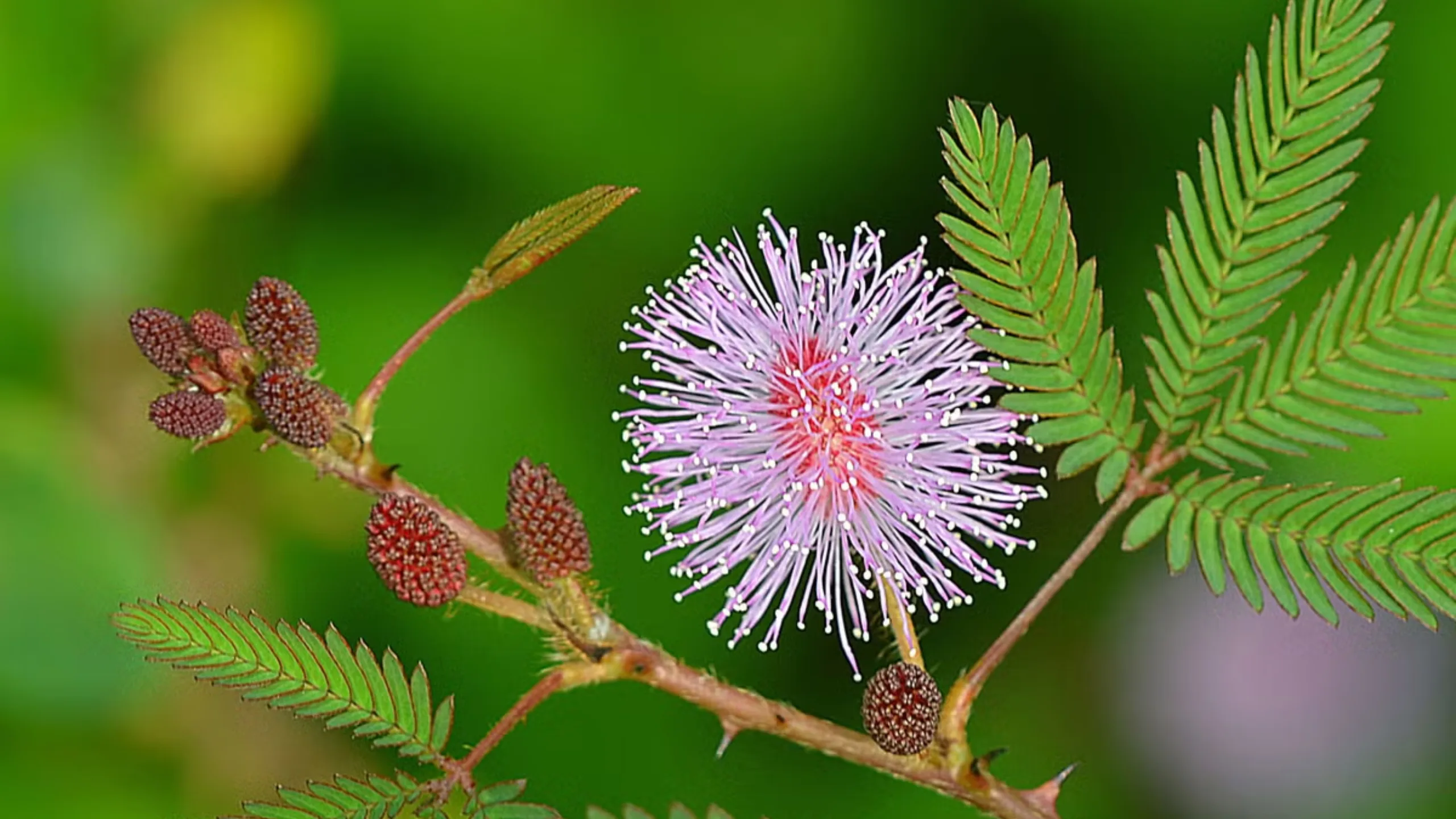
Lajaloo Mool (Mimosa pudica), also known as the “Touch-Me-Not” plant, is a creeping, herbaceous plant known for its sensitive leaflets that fold when touched. Belonging to the Fabaceae family, it grows widely across tropical regions and is revered in traditional medicine, especially Ayurveda, for its astringent, anti-inflammatory, wound-healing, and anti-diarrheal properties. Its root, known as Lajaloo Mool, is particularly used for treating piles, uterine disorders, diarrhea, and wounds.
Mimosa pudica contains various phytochemicals responsible for its healing potenti
Ayurvedic Pharmacopoeia of India, Govt. of India, Vol. I, Part I.
Sharma, P.V. (1998). Dravyaguna Vijnana, Vol. II, Chaukhambha Bharati Academy, Varanasi.
The Wealth of India: A Dictionary of Indian Raw Materials and Industrial Products. (2001). Raw Materials, Vol. 6, CSIR, New Delhi.
Rajalakshmi, D. et al. (2012). "Phytochemical and pharmacological properties of Mimosa pudica: A review." International Journal of Pharmaceutical Sciences Review and Research, 15(2), 41-44.
Chatterjee, A. & Pakrashi, S.C. (1997). The Treatise on Indian Medicinal Plants, Vol. 4, NISCAIR-CSIR, New Delhi.
Mishra, S. et al. (2011). “Phytochemical investigation and evaluation of anti-inflammatory activity of Mimosa pudica Linn.” Asian Pacific Journal of Tropical Biomedicine, 1(6), 426–429.
European Pharmacopoeia (10th Edition), Council of Europe

Moving your card details to a much more secured place

100% Payment Protection. Easy Return Policy

Fast, reliable delivery from global warehouses

 My Account
