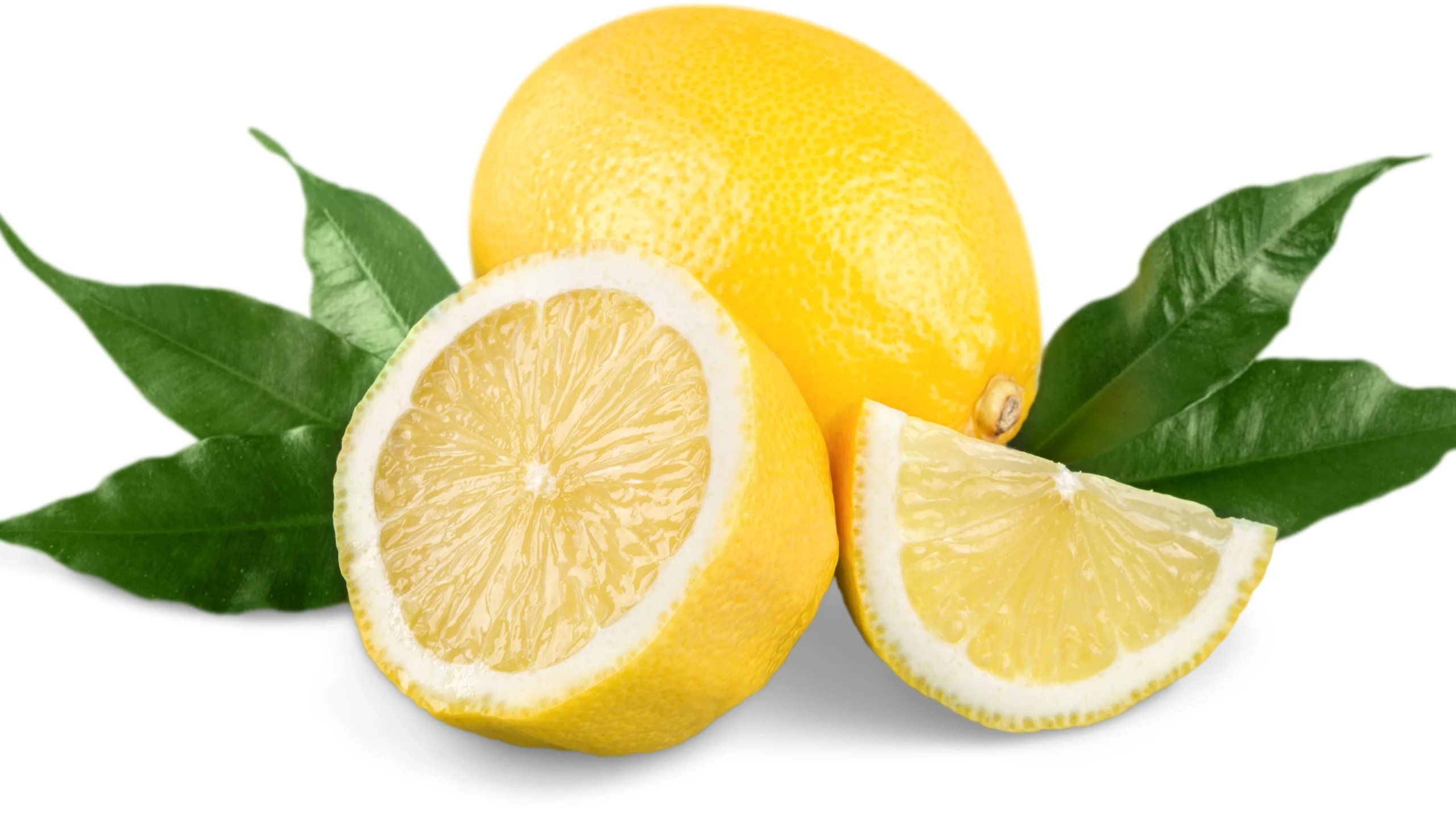
Lemon (Citrus limon (L.) Osbeck) is a small, evergreen tree belonging to the Rutaceae family, widely cultivated for its sour, aromatic fruits. The fruit is rich in vitamin C, citric acid, and flavonoids, making it a staple in culinary, cosmetic, and medicinal applications. Traditionally, lemon has been used for improving digestion, detoxification, skin health, and immunity in various traditional medicine systems, including Ayurveda and Unani.
Scientific Classification
- Kingdom: Plantae
- Phylum: Angiosperms
- Class: Eudicots
- Order: Sapindales
- Family: Rutaceae
- Genus: Citrus
- Species: Citrus limon (L.) Osbeck
Common Names
- English: Lemon
- Sanskrit: Nimbuka / Jambira
- Hindi: Nimbu
- Tamil: Elumichai
- Telugu: Nimmakaya
- Bengali: Lebu
- Marathi: Limbu
- Gujarati: Limdu
Daily Routine Uses of Lemon
If you're wondering how to use lemon daily for simple home wellness, here are some powerful and practical ways to do so. These are not just kitchen hacks—they support daily wellness lemon rituals.
Warm Lemon Water (Morning Ritual)
Squeeze half a lemon in a glass of warm water and drink in the morning. This is a gentle way to support detox, stimulate digestion, and hydrate your system. This habit is often recommended in Ayurveda for its cleansing and balancing effects.
Lemon & Honey Tonic
Combine freshly squeezed lemon juice with honey in warm water to make a soothing tonic. This is a simple home use remedy for sore throat, cough, or low immunity. Ayurveda often prescribes this mix as a natural expectorant.
Lemon in Detox Drinks
Add a few drops of lemon to your detox water or herbal teas. This enhances the daily wellness lemon effect, helping flush out toxins and improve digestion.
Lemon Zest Addition
Use lemon zest (the outer peel) in your morning oats, smoothies, or yogurt. Zest contains bioactive flavonoids and essential oils that support digestion and metabolism.
Topical Lemon Use (Skin)
Diluted lemon juice can be used (very carefully) on the skin as a natural brightening agent or mild antiseptic. However, because of its acidity, it's best to mix with water or safer carrier ingredients and avoid sun exposure immediately after.
Kitchen & Culinary Uses of Lemon
Lemon is a versatile culinary hero. It’s not just about flavor—it also adds health value to your daily cooking.
Salads, Dressings & Marinades
Use lemon juice in salad dressings, marinades, or as a final squeeze over cooked vegetables and rice. It brightens flavor and adds a healthy, citrusy tang.
Curries & Indian Dishes
In many Indian recipes, lemon is used to balance flavors, reduce heaviness, and add a fresh finish to dals, curries, and sabzis. This is a classic example of how to use lemon in kitchen.
Pickles & Preservation:
Lemon juice or peel is added to pickles (achar) for its sour note and preservative effect.
Beverages & Drinks
Lemon is a key ingredient in:
- Lemonades
- Detox waters
- Herbal teas
- Summer drinks
These are common recipes with lemon that are both tasty and healthful.
Baked Goods & Desserts
Lemon zest or juice is used in cakes, muffins, and desserts for natural flavor and a citrus punch—without relying on artificial flavors.
Soups, Broths & Rasam
A squeeze of lemon after cooking enhances both taste and digestibility. Lemon helps to elevate and balance the flavors in light soups and rasam.
Traditional & Medicinal Uses of Lemon
- Digestive and Detoxifying Agent - Lemon juice acts as a natural digestive stimulant, improving appetite and aiding in liver detoxification, Helps neutralize acidity and supports gut health.
- Immune Booster - Rich in vitamin C, it enhances immune response and helps prevent infections, colds, and flu.
- Skin and Hair Care - Used as a natural cleanser for acne-prone skin and dandruff. Promotes a healthy complexion and reduces hyperpigmentation.
- Cardiovascular and Metabolic Health - Regular intake supports cholesterol regulation, reduces oxidative stress, and improves vascular health.
Read More:
Uses of Lemon (Citrus limon) for Health, Skin & Daily Life
References
- Ayurvedic Pharmacopoeia of India (API), Government of India, Ministry of AYUSH.
- Bhavaprakasha Nighantu, Haritakyadi Varga – Description of Nimbuka.
- Weihrauch, J. L., & Gardner, J. M. (1978). "Flavonoid content of citrus fruits." Journal of Agricultural and Food Chemistry, 26(3), 653–657.
- Jayaprakasha, G. K., et al. (2008). "Antioxidant and anti-inflammatory activities of Citrus limon." Food Chemistry, 104(4), 1338–1344.
- Raimundo, A. F., et al. (2020). "Bioactive compounds in lemon (Citrus limon L.) and their health-promoting properties: A review." Molecules, 25(24), 5808.
- European Pharmacopoeia, 11th Edition, Council of Europe.
- Chopra, R. N., Nayar, S. L., & Chopra, I. C. (1956). Glossary of Indian Medicinal Plants. CSIR, New Delhi.
- USDA National Plant Germplasm System (NPGS) – Taxonomy and classification data for Citrus limon.
- Ask-Ayurveda. “Citrus limon (Bijapuraka / Jambira) – Medicinal Uses & Ayurvedic Profile.”
- Ask-Ayurveda. “Lemon in Ayurveda: Dosha Effects & Energetics.”
- HerbFinder, Himalaya Wellness. “Citrus limon – Therapeutic Constituents & Benefits.”
- WebMD. “Lemon: Health Benefits and Nutrition.”
- Healthline. “6 Evidence-Based Health Benefits of Lemons.”
- Tua Saúde. “11 Lemon Benefits for Health, Digestion & Skin.”
- TrueMeds. “Lemon Benefits in Ayurveda: Detox, Immunity & Skin Health.”



 My Account
