Free Shipping On Above Order Value Rs. 500
Free Shipping On Above Order Value Rs. 500


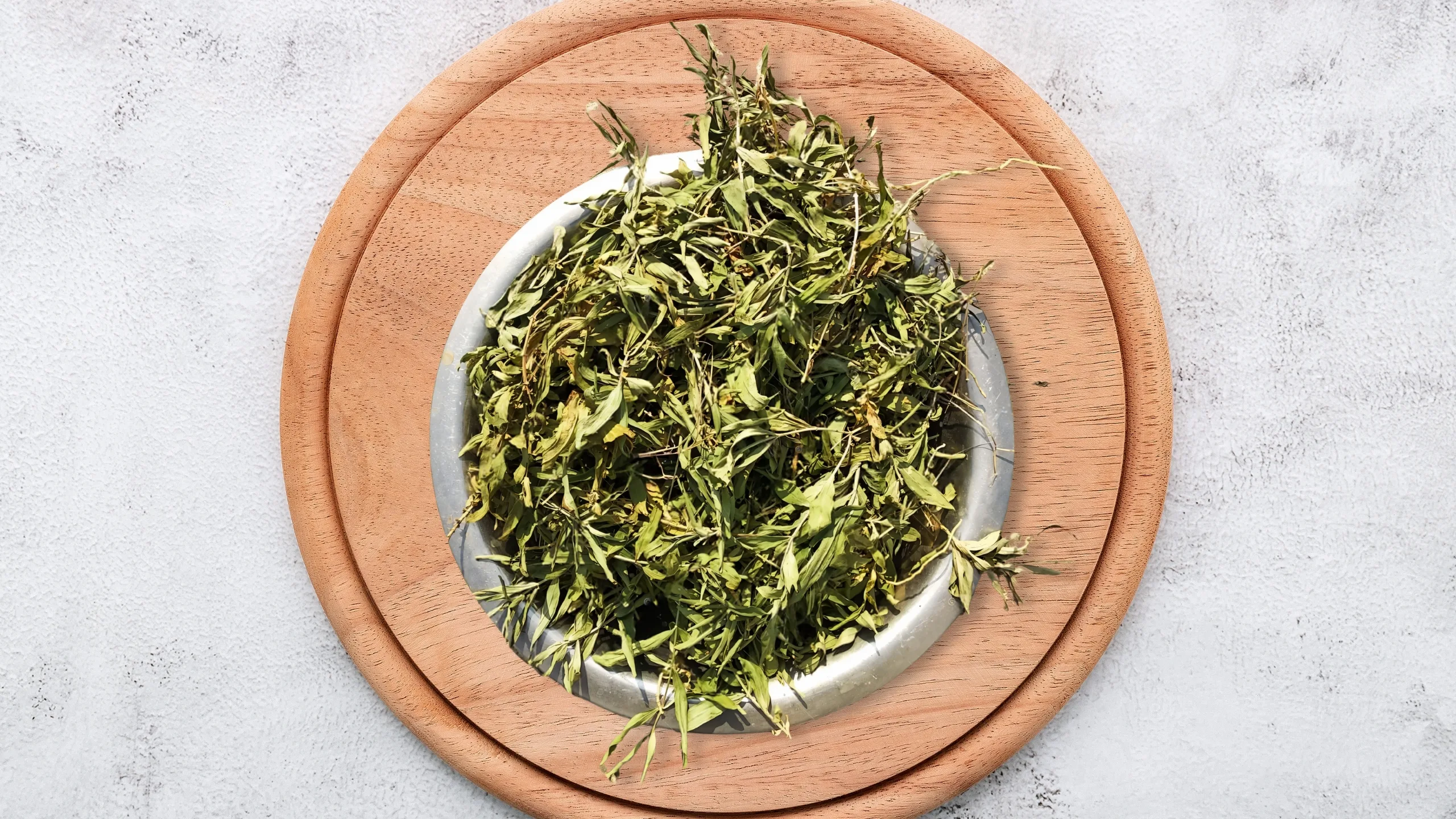
Mamejva (Enicostemma littorale Blume), also known as Indian Whitehead or Chhota Chirayata, is a small perennial herb belonging to the Gentianaceae family. It is widely distributed in India and other tropical countries. Traditionally, Mamejva has been valued for its potent antidiabetic, anti-inflammatory, antimalarial, hepatoprotective, and antioxidant properties, making it a significant herb in Ayurveda, Siddha, and folk medicine.
Mamejva contains several bioactive compounds that account for its diverse pharmacological effects:
Ayurvedic Pharmacopoeia of India (API), Part I, Volume IV, Govt. of India, Ministry of AYUSH.
Patel, M.B., & Mishra, S.H. (2011). Hypoglycemic activity of alkaloidal fraction of Enicostemma littorale Blume leaves in normal and diabetic rats. Indian Journal of Pharmacology, 43(3), 290–294.
Kar, A., & Choudhary, B.K. (2003). Prevention of thyroxine-induced hyperglycaemia by Enicostemma littorale Blume extract in rats. Indian Journal of Experimental Biology, 41, 885–888.
Jain, A., & Soni, M. (2012). Evaluation of anti-inflammatory activity of Enicostemma littorale Blume. Journal of Pharmacy Research, 5(1), 531–533.
Chopra, R.N., Nayar, S.L., & Chopra, I.C. (1956). Glossary of Indian Medicinal Plants. Council of Scientific and Industrial Research (CSIR), New Delhi.
Kirtikar, K.R., & Basu, B.D. (1935). Indian Medicinal Plants, Vol. 2. International Book Distributors.
European Pharmacopoeia, 10th Edition, Council of Europe (for comparative phytochemical references).
Singh, D., & Singh, R. (2010). Pharmacognostical and phytochemical evaluation of Enicostemma littorale Blume. International Journal of Pharmaceutical Sciences Review and Research, 5(3), 68–72.

Moving your card details to a much more secured place

100% Payment Protection. Easy Return Policy

Fast, reliable delivery from global warehouses

 My Account
