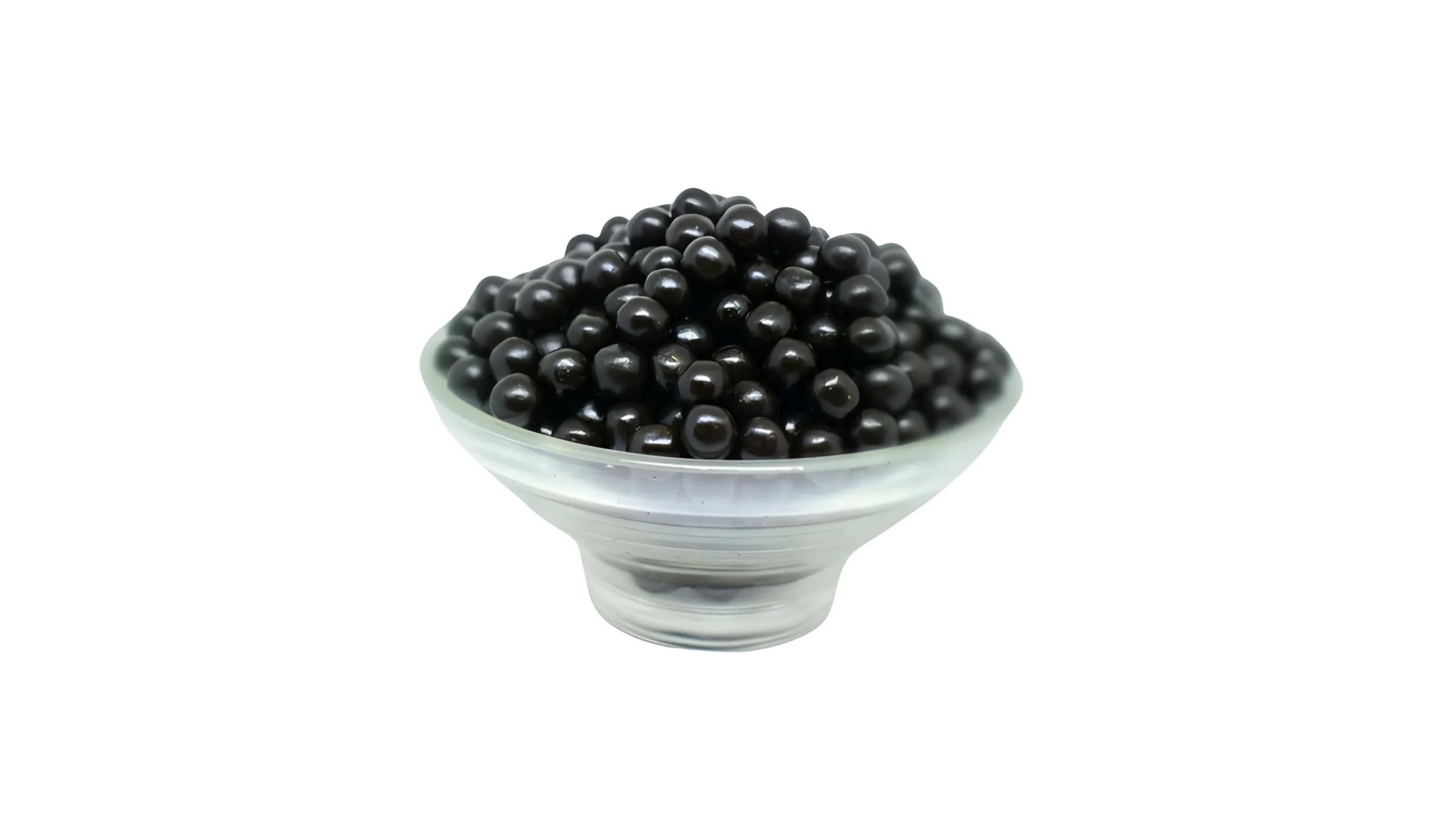
Manjistadi Ghan is a classical Ayurvedic herbal formulation primarily prepared from Manjistha (Rubia cordifolia) as the key ingredient, along with other supportive herbs. It is commonly used to purify the blood, manage skin disorders, and help alleviate inflammatory conditions. This formulation is known for its Rakta Shodhak (blood purifying), anti-inflammatory, and detoxifying properties, making it beneficial in conditions like acne, eczema, psoriasis, and other dermatological disorders.
Scientific Classification
- Kingdom: Plantae
- Phylum: Angiosperms
- Class: Eudicots
- Order: Gentianales
- Family: Rubiaceae
- Genus: Rubia
- Species: Rubia cordifolia
Common Names
- English: Indian Madder
- Sanskrit: Manjistha
- Hindi: Manjith
- Gujarati: Majith
- Tamil: Manjitti
- Telugu: Tamra Valli
- Marathi: Manjishtha
Traditional and Medicinal Uses
- Blood Purification (Rakta Shodhana): Helps eliminate toxins from the blood and improves overall skin health.
- Skin Disorders: Effective in managing acne, eczema, psoriasis, dermatitis, and pigmentation disorders.
- Anti-inflammatory Activity: Helps reduce inflammation in chronic conditions while promoting the healing and repair of skin tissues.
- Wound Healing: Promotes faster healing of wounds and helps in reducing scars.
- Lymphatic and Detox Support: Supports lymphatic drainage and detoxification of the body.
References
- Ayurvedic Pharmacopoeia of India (API), Government of India.
- Bhaishajya Ratnavali, Kushtha Roga Adhikara.
- Sharma, P.V. (2001). Dravyaguna Vijnana, Chaukhambha Bharati Academy, Varanasi.
- Kirtikar, K.R., & Basu, B.D. (1999). Indian Medicinal Plants, International Book Distributors.
- Tripathi, Y.B., et al. (1997). "Rubia cordifolia: A review of its pharmacological properties." Journal of Ethnopharmacology.
- European Pharmacopoeia, Council of Europe.
- Indian Herbal Pharmacopoeia, Revised Edition, IDMA, Mumbai.



 My Account
