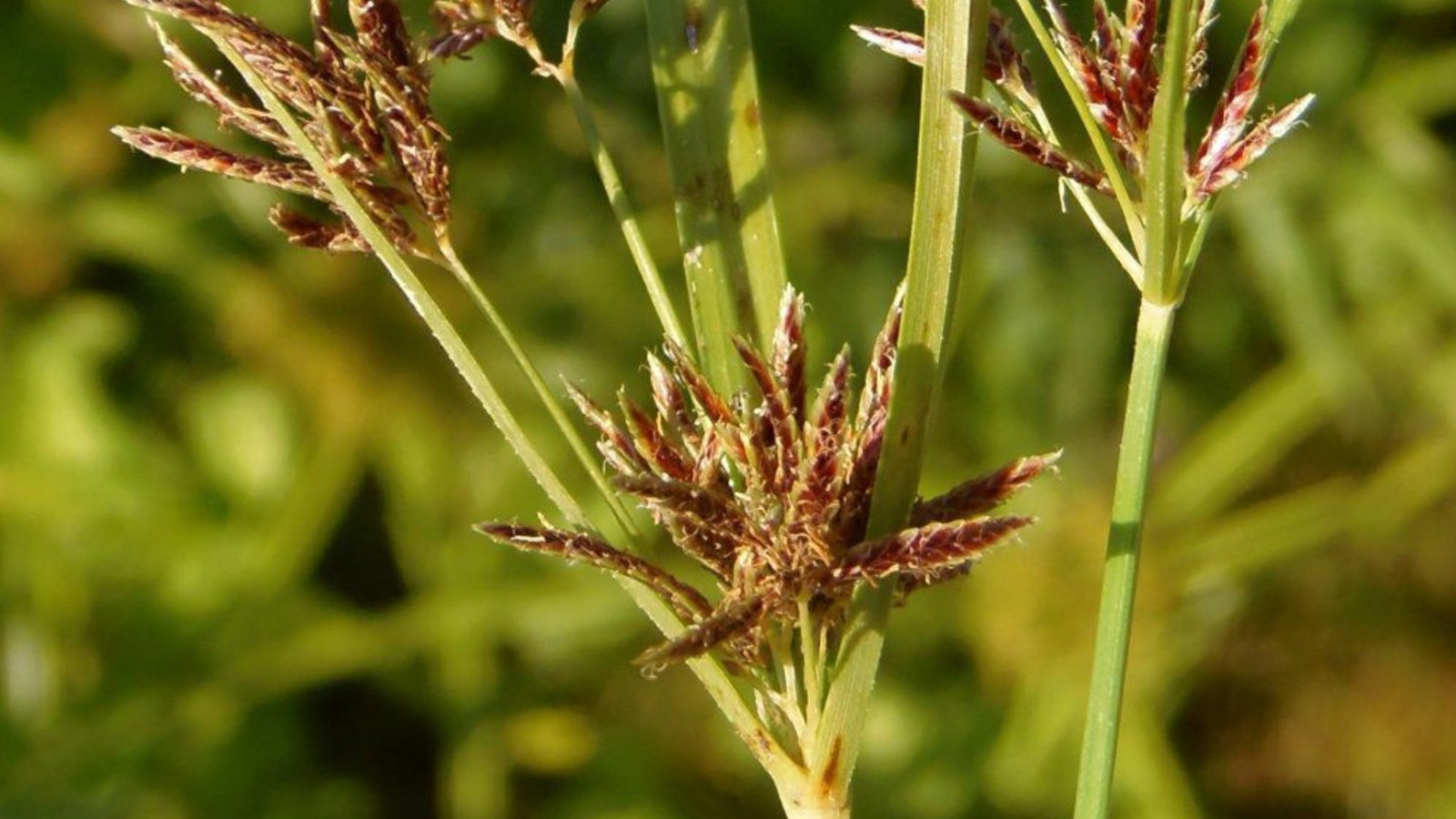
Nagarmotha, scientifically known as Cyperus rotundus L., is a perennial plant belonging to the Cyperaceae family. Commonly called nutgrass or purple nutsedge, it grows in many tropical and subtropical regions, including India. In Ayurveda and other traditional medicine systems, Nagarmotha is valued mainly for its aromatic underground parts, which are used in herbal preparations.
The rhizomes and tubers contain naturally occurring plant compounds, including volatile-oil constituents and other phytochemicals. Scientific studies have investigated these compounds for various biological activities, but laboratory and animal findings do not automatically establish effectiveness in humans. Traditional uses should therefore be distinguished from clinically proven medical benefits.
Nagarmotha Scientific Name
- Kingdom: Plantae
- Phylum: Angiosperms
- Class: Monocots
- Order: Poales
- Family: Cyperaceae
- Genus: Cyperus
- Species: Cyperus rotundus L.
Nagarmotha Common Name
- English: Nutgrass, Purple Nutsedge
- Sanskrit: Mustaka, Nagaramustaka
- Hindi: Nagarmotha
- Tamil: Korai Kizhangu
- Telugu: Tunga Mustalu
- Malayalam: Muthanga
- Bengali: Motha
- Marathi: Nagarmotha
Traditional Uses of Nagarmotha
Nagarmotha has a long history of use in Ayurveda and other traditional medicine systems. Its underground parts are used in selected herbal preparations.
- Traditional Digestive Use: Nagarmotha is traditionally used in Ayurvedic preparations associated with digestion and digestive comfort.
- Inflammation and Discomfort: Traditional sources describe its use in preparations related to general discomfort. Laboratory and animal studies do not establish that it treats arthritis or other inflammatory diseases in humans.
- Fever-Related Traditional Use: Some traditional systems describe Nagarmotha in fever-related preparations. It should not replace medical assessment or prescribed treatment for fever.
- Skin and External Preparations: Nagarmotha appears in certain traditional external-use preparations. Evidence is insufficient to claim that it treats acne, eczema, or skin infections.
- Women's Wellness: Some traditional medicine systems describe its use in formulations related to menstrual health. This does not establish it as a proven treatment for menstrual disorders.
The effects of herbal preparations can vary with the plant material, extraction method, dose, and formulation. More clinical research is needed to establish specific benefits and safe use in humans.
Phytochemicals in Nagarmotha
Nagarmotha contains a range of naturally occurring plant compounds. Research has reported volatile-oil constituents, including sesquiterpenes and other terpenoids, along with flavonoids, phenolic compounds, and related phytochemicals. Reported constituents may vary depending on the plant material, geographical origin, and extraction method.
Researchers have investigated some of these compounds for antioxidant, anti-inflammatory, and other biological activities. However, these findings should not be interpreted as proof that Nagarmotha or its extracts can prevent or treat a disease in humans.
What Is Nagarmotha Used for in Ayurveda?
Nagarmotha (Cyperus rotundus) is an aromatic plant traditionally used in Ayurvedic herbal preparations, particularly those associated with digestive health. Its underground parts contain volatile oils and other plant compounds that have been studied in laboratory and preclinical research. Although traditional use and early research are documented, further clinical evidence is needed before specific health benefits can be considered established.
Nagarmotha Safety and Precautions
The safety of Nagarmotha may depend on the preparation, amount used, and individual health factors. Research findings about a plant extract should not automatically be applied to every commercial or traditional formulation.
- Avoid self-medicating with concentrated extracts or essential oils.
- Consult a qualified healthcare professional before use during pregnancy or breastfeeding.
- Seek professional advice before combining Nagarmotha products with medicines or using them for a diagnosed condition.
- Do not use Nagarmotha as a substitute for prescribed treatment or medical assessment of persistent symptoms.
- Stop use and seek appropriate advice if an unwanted reaction occurs.
Frequently Asked Questions
1. What is Nagarmotha?
Nagarmotha is an aromatic perennial plant scientifically known as
Cyperus rotundus L.
2. What is Nagarmotha called in English?
It is commonly known as nutgrass or purple nutset.
3. Which part of Nagarmotha is used in Ayurveda?
Its underground parts, including rhizomes and tubers, are commonly described in traditional herbal preparations.
4. What is Nagarmotha traditionally used for?
It is traditionally associated with digestive support and selected herbal formulations. Specific medical benefits are not conclusively established.
5. Is Nagarmotha a proven treatment for menstrual disorders or arthritis?
Conclusive human clinical evidence is limited. It should not be used as a substitute for professional medical care.
References
Ayurvedic Pharmacopoeia of India (API), Govt. of India, Ministry of AYUSH.
Chopra, R.N., Nayar, S.L., & Chopra, I.C. (1956). Glossary of Indian Medicinal Plants. CSIR, New Delhi.
Suresh, Kumar R. et al. (2011). “Phytochemical and pharmacological profile of Cyperus rotundus L.: A review.” Journal of Pharmacy Research, 4(2), 460–462.
Saha, S., & Verma, R.J. (2016). “Antioxidant and antidiabetic potential of Cyperus rotundus rhizome extract in STZ-induced diabetic rats.” Pharmacognosy Journal, 8(6), 572–577.
European Pharmacopoeia, 10th Edition, Council of Europe.
Williamson, E.M. (2002). Major Herbs of Ayurveda. Churchill Livingstone, UK.
Meena, A.K., et al. (2010). “Review on Cyperus rotundus—A potential herb.” International Journal of Pharmaceutical Sciences Review and Research, 5(2), 67–70.



 My Account

