Free Shipping On Above Order Value Rs. 500
Free Shipping On Above Order Value Rs. 500


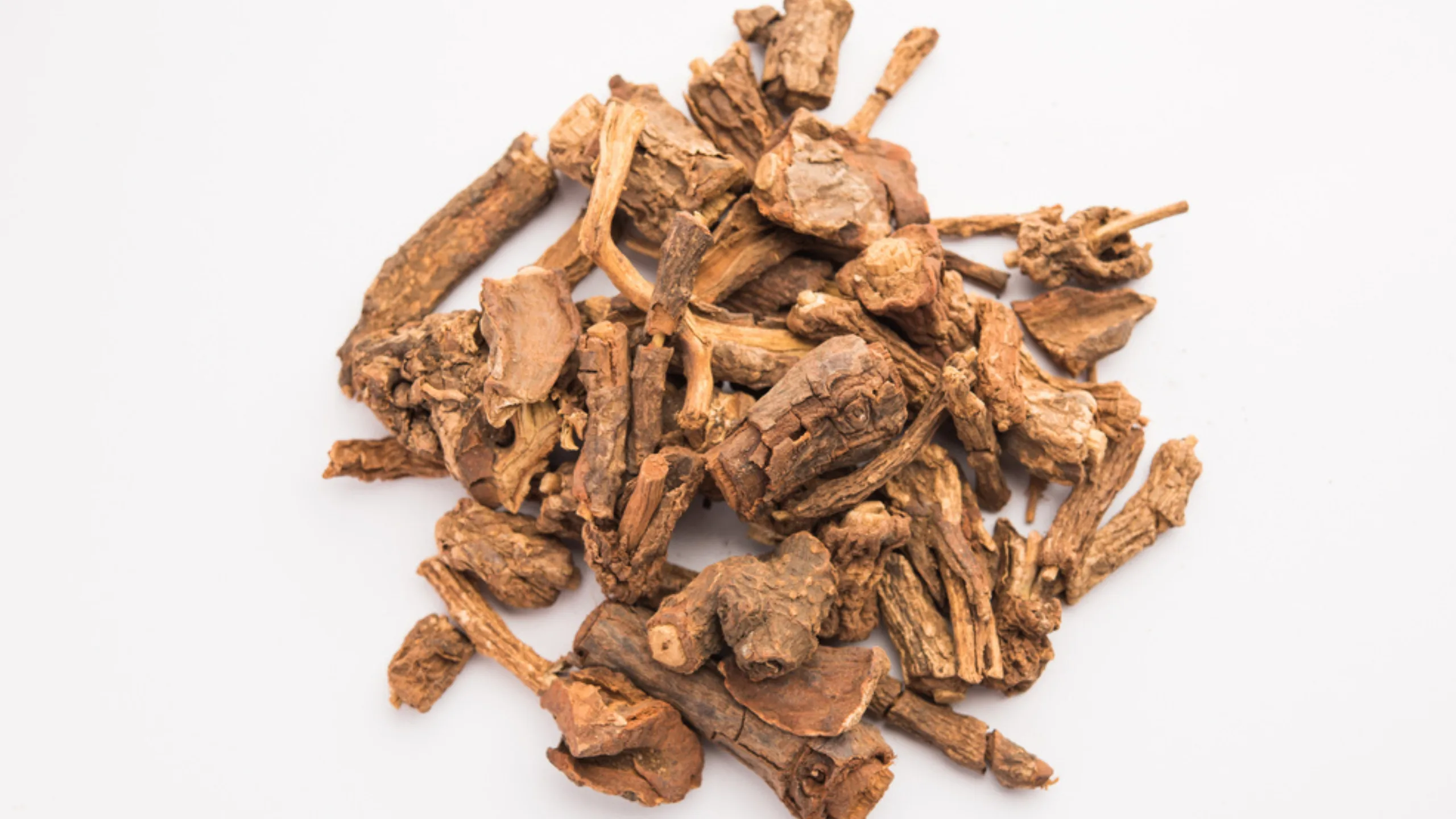
Sariva, also known as Indian Sarsaparilla, is a slender, twining shrub native to India. Its roots are aromatic and used extensively in Ayurvedic medicine for detoxification, skin disorders, and as a general health tonic. The herb is especially praised for balancing the Pitta dosha.
Sariva contains various bioactive compounds including:
Ayurvedic Pharmacopoeia of India, Part-I, Volume III, Ministry of AYUSH, Govt. of India.
Sharma, P. V. (2003). Dravyaguna Vigyan, Vol. 2. Chaukhambha Bharati Academy.
Nadkarni, K. M. (2009). Indian Materia Medica, Vol. I. Bombay Popular Prakashan.
Kirtikar, K. R., & Basu, B. D. (2008). Indian Medicinal Plants, Vol. II. International Book Distributors.
Gupta, M., Mazumder, U. K., & Bhawal, S. R. (2004). “Antioxidant and hepatoprotective effects of Hemidesmus indicus root extract.” Indian Journal of Experimental Biology, 42(3), 301–305.
Muthu, C., et al. (2006). “Medicinal plants used by traditional healers in Kancheepuram District of Tamil Nadu, India.” Journal of Ethnobiology and Ethnomedicine, 2, 43.

Moving your card details to a much more secured place

100% Payment Protection. Easy Return Policy

Fast, reliable delivery from global warehouses

 My Account
