Free Shipping On Above Order Value Rs. 500
Free Shipping On Above Order Value Rs. 500


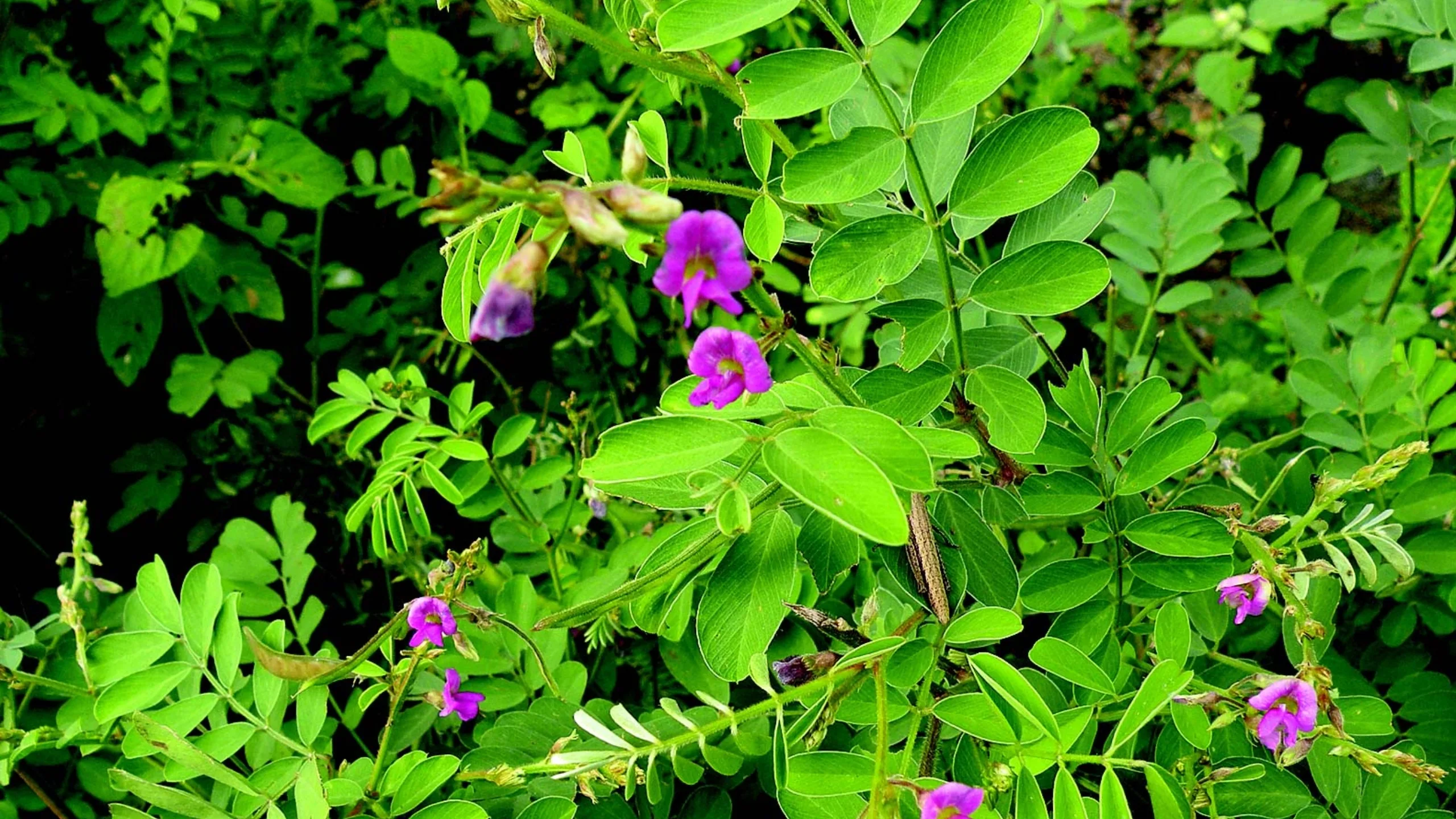
Sarpankha (Tephrosia purpurea) is a perennial herb or small shrub commonly used in traditional Ayurvedic medicine. It belongs to the Fabaceae family and is known for its liver-protective, anti-inflammatory, and wound-healing properties. It is widely distributed throughout India and is often found in dry regions. Sarpankha has long been used as a blood purifier and to treat skin and liver conditions.
Sarpankha contains multiple bioactive compounds responsible for its pharmacological actions:
The Ayurvedic Pharmacopoeia of India, Part I, Volume II, Govt. of India, Ministry of AYUSH.
Kirtikar, K.R., & Basu, B.D. (1935). Indian Medicinal Plants, Vol. II. Bishen Singh Mahendra Pal Singh, Dehradun.
Nadkarni, K.M. (1976). Indian Materia Medica, Vol. I. Bombay Popular Prakashan.
Chopra, R.N., Nayar, S.L., & Chopra, I.C. (1956). Glossary of Indian Medicinal Plants. CSIR, New Delhi.
Ahmed, F., & Urooj, A. (2010). "Hepatoprotective effects of Tephrosia purpurea on carbon tetrachloride-induced liver damage in rats." Iranian Journal of Pharmacology and Therapeutics, 9(2), 45–49.
Rathi, B., Bodhankar, S.L., & Baheti, A.M. (2006). "Evaluation of aqueous leaf extract of Tephrosia purpurea for hepatoprotective activity in rats." Indian Journal of Pharmacology, 38(1), 25–28.
European Medicines Agency. Herbal Monograph on Tephrosia purpurea. Committee on Herbal Medicinal Products (HMPC), 2020.

Moving your card details to a much more secured place

100% Payment Protection. Easy Return Policy

Fast, reliable delivery from global warehouses

 My Account
