Free Shipping On Above Order Value Rs. 500
Free Shipping On Above Order Value Rs. 500


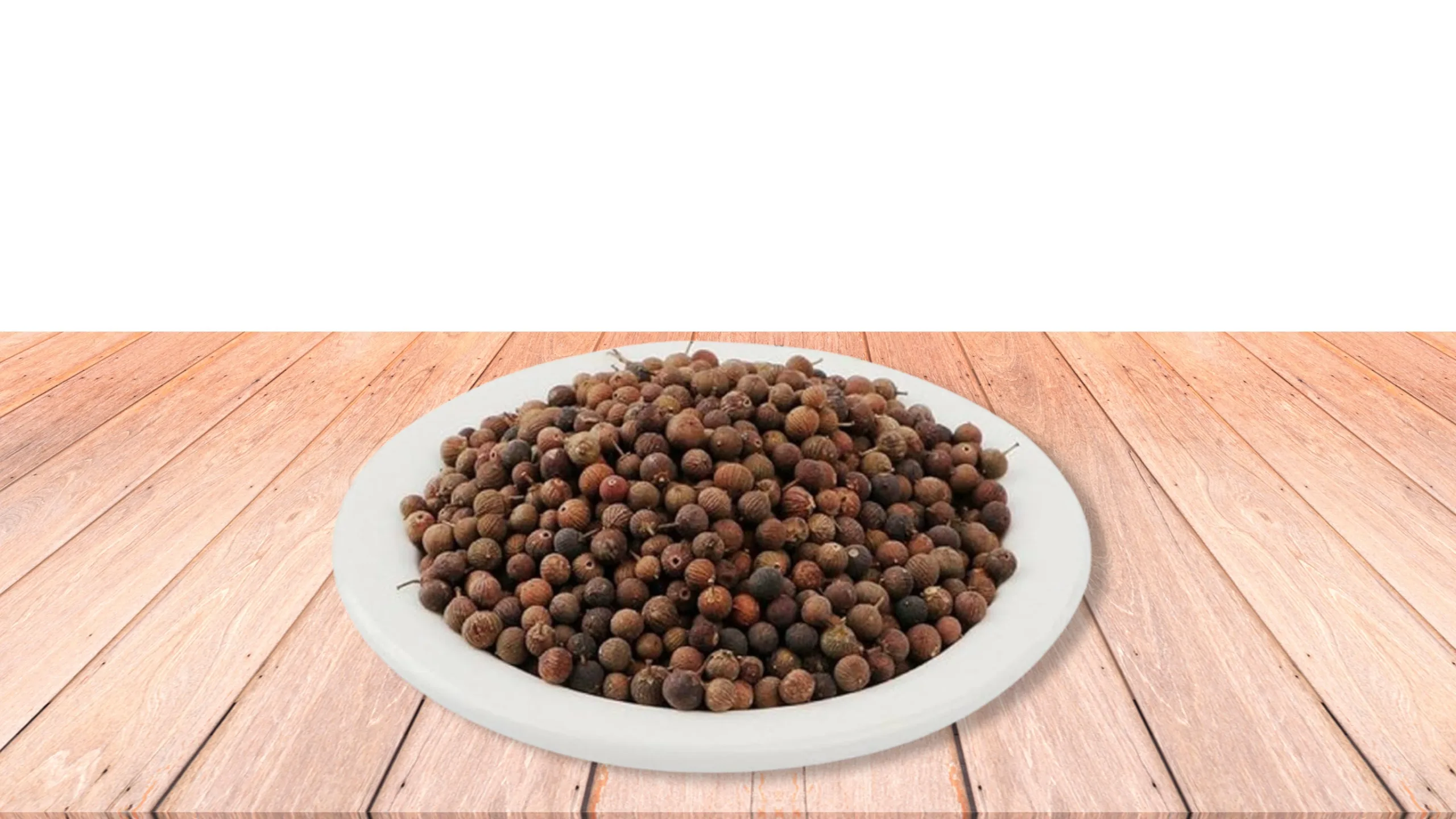
Vavding (Embelia ribes) is a climbing shrub known for its small black berries, traditionally used in Ayurvedic and Siddha medicine. It belongs to the Primulaceae family and is native to India and Southeast Asia. The dried fruits are primarily used for their anthelmintic, digestive, and antimicrobial properties and are a key ingredient in classical formulations like Vidanga churna.
The therapeutic actions of Embelia ribes are attributed to a wide array of bioactive compounds:
The Ayurvedic Pharmacopoeia of India, Part I, Volume IV, Govt. of India, Ministry of AYUSH.
Chopra, R.N., Nayar, S.L., & Chopra, I.C. (1956). Glossary of Indian Medicinal Plants. CSIR, New Delhi.
Prajapati, N.D., Purohit, S.S., Sharma, A.K., Kumar, T. (2003). A Handbook of Medicinal Plants: A Complete Source Book. Agrobios.
Khare, C.P. (2007). Indian Medicinal Plants: An Illustrated Dictionary. Springer.
M. Duwiejko & M. Dondua (2001). “Chemical and pharmacological properties of Embelia ribes.” Fitoterapia, 72(4), 384–385.
Ghosal, S. (1985). “Active principles of Indian medicinal plants: Part 10—Embeline and related compounds.” Journal of Pharmaceutical Sciences, 74(5), 482–486.
European Pharmacopoeia, 10th Edition, Council of Europe.

Moving your card details to a much more secured place

100% Payment Protection. Easy Return Policy

Fast, reliable delivery from global warehouses

 My Account
