 My Account
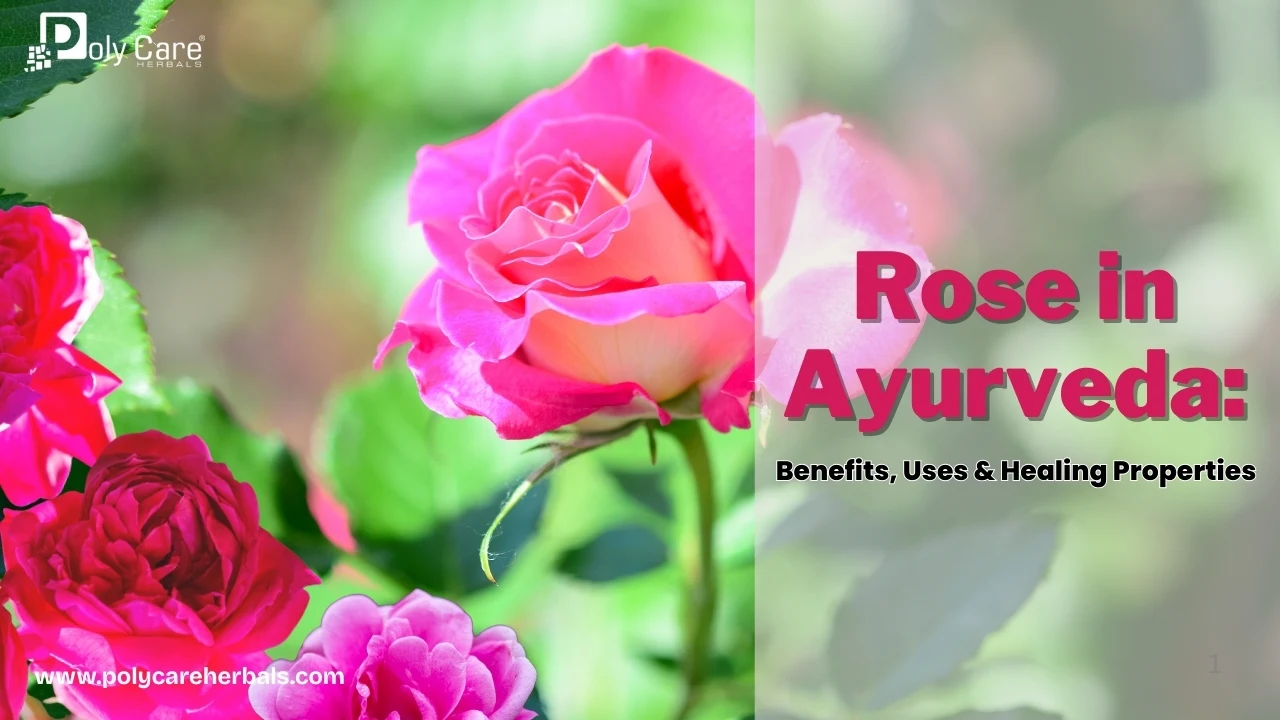
Rose, commonly known as Gulab, has been valued in Ayurveda for centuries due to its cooling, soothing, and rejuvenating properties. Known botanically as Rosa spp., this fragrant flower is widely used in traditional Ayurvedic remedies for balancing Pitta dosha, improving skin health, supporting digestion, and calming the mind.
The Ayurvedic benefits of rose make it an important medicinal flower used both internally and externally. From rose petals to rose water, Ayurveda recognises rose as a gentle yet powerful herb that supports overall wellness naturally.
What is Rose (Rosa spp.) in Ayurveda?
In Ayurveda, rose is classified as a medicinal flower with cooling and calming effects on the body and mind. Referred to as Gulab in Ayurveda, rose has been traditionally used in herbal formulations to reduce excess heat, support emotional balance, and promote skin clarity.
Rosa spp. is valued not only for its pleasant aroma but also for its healing properties, making it a common ingredient in Ayurvedic wellness and herbal cosmetic preparations.
Ayurvedic Properties of Rose
According to Ayurvedic texts, rose possesses the following characteristics:
- Rasa (Taste): Sweet, mildly bitter
- Guna (Qualities): Light, soothing
- Virya (Potency): Cooling
- Dosha Effect: Pacifies Pitta dosha
These properties explain why rose is considered one of the best cooling herbs in Ayurveda, especially beneficial during hot climates or for individuals with excess body heat.
Read More: https://polycareherbals.com/ingredient/rose-rosa-spp-ayurvedic-benefits-uses-healing-properties/
Key Ayurvedic Benefits of Rose
🌸 Rose for Cooling & Pitta Balance
Rose is widely known for its cooling effect on the body. It helps calm aggravated Pitta dosha, making it beneficial for conditions related to heat, such as irritation, acidity, and restlessness.
🌸 Rose for Skin Health
One of the most popular rose Ayurvedic benefits is its positive effect on skin. Rose helps:
- Soothe irritated skin
- Support a clear and glowing complexion
- Maintain natural skin hydration
This makes rose an important herb in Ayurvedic skin care formulations.
🌸 Rose for Digestive Health
In Ayurveda, rose is considered helpful for digestion. It supports:
- Cooling the digestive system
- Reducing acidity and discomfort
- Promoting gentle detoxification
Hence, rose is often used in remedies for digestive balance.
🌸 Rose for Mental Calm & Stress Relief
Rose is also valued for its calming aroma and mild sedative properties. It helps:
- Reduce mental stress
- Promote emotional balance
- Support relaxation and mental clarity
Traditional Ayurvedic Uses of Rose
Traditionally, rose has been used in multiple forms in Ayurveda:
- Rose petals in herbal blends
- Rose water (Gulab Jal) for cooling and skin care
- Rose-infused preparations for internal and external use
These traditional uses highlight rose’s versatility as an Ayurvedic herb.
Rose for Skin & Beauty in Ayurveda
Ayurveda considers rose an essential herb for natural beauty care:
- Refreshing tired skin
- Supporting a balanced complexion
- Enhancing natural glow
Because of these benefits, rose is widely used in Ayurvedic herbal cosmetics and wellness products.
How Rose Is Used in Ayurvedic Remedies
Rose is used in Ayurveda in simple and gentle ways, such as:
- Herbal infusions and teas
- Rose water applications
- Herbal blends with other cooling herbs
These applications allow rose to deliver its healing properties without disturbing the body’s natural balance.
Rose as a Medicinal Flower in Ayurveda
Flowers play an important role in Ayurveda, and rose stands out among medicinal flowers for its cooling, nourishing, and calming nature. Its gentle action makes it suitable for regular wellness practices, especially in hot weather or stressful conditions.
Modern Relevance of Rose in Ayurvedic Wellness
Today, rose continues to be an essential herb in modern Ayurvedic wellness. It is widely used in:
- Herbal cosmetics
- Natural skin care products
- Wellness and personal care formulations
The global demand for Ayurvedic rose ingredients highlights its timeless healing value.
Why Rose Is an Important Herb at Polycare Herbals
At Polycare Herbals, rose (Rosa spp.) is valued for its purity, traditional relevance, and wide application in Ayurvedic wellness and herbal cosmetic formulations. By combining classical Ayurvedic knowledge with modern quality standards, Polycare Herbals ensures high-quality herbal ingredients for holistic wellness solutions.
Conclusion
Rose (Rosa spp.) is more than just a fragrant flower—it is a powerful Ayurvedic herb with cooling, soothing, and healing properties. From balancing Pitta dosha to enhancing skin health and supporting mental calm, the Ayurvedic benefits of rose make it an essential ingredient in traditional and modern wellness practices.
🌿 FAQs – Rose (Rosa spp.) in Ayurveda
Yes, rose is classified as a cooling herb and is especially beneficial for balancing Pitta dosha.
Rose supports skin health, digestion, emotional balance, and helps reduce excess body heat.
Yes, rose water (Gulab Jal) is traditionally used in Ayurveda for cooling, skin care, and soothing effects.
Ayurveda considers rose helpful in calming the digestive system and reducing acidity caused by excess heat.
Due to its cooling, soothing, and hydrating properties, rose is widely used in Ayurvedic herbal cosmetics.
Ayurvedic rose benefits Ayurvedic uses of rose flower Benefits of rose for skin and hair How rose is used in Ayurveda Is rose good for acidity Ayurveda Rosa spp benefits in Ayurveda Rose as cooling herb in Ayurveda Rose ayurvedic benefits Rose benefits for women Ayurveda Rose flower benefits for skin Rose flower health benefits in Ayurveda Rose for digestion Ayurveda Rose for pitta dosha Rose herb for cooling effect Rose herb uses in Ayurveda Rose medicinal uses Rose natural remedy Ayurveda Rose petals medicinal uses Rose water benefits Ayurveda