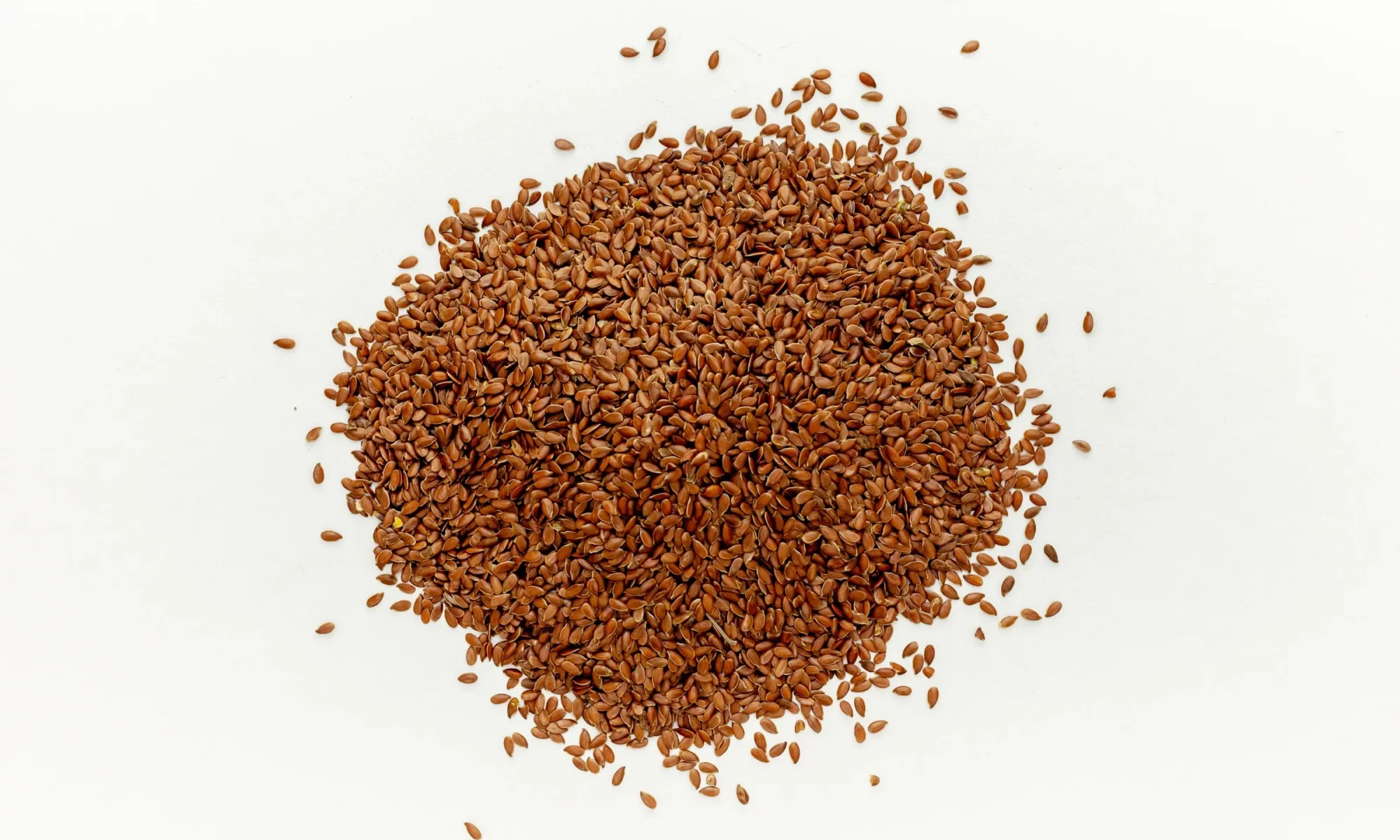
Flaxseed (Linum usitatissimum), commonly known as linseed, is one of the oldest cultivated crops in the world. Belonging to the Linaceae family, it is cultivated for its seeds and fiber. The seeds are rich in omega-3 fatty acids, lignans, and dietary fiber, making them valuable for both nutritional and medicinal purposes. Traditionally, flaxseed has been used for managing digestive issues, cardiovascular health, and inflammatory conditions.
Scientific Classification
- Kingdom: Plantae
- Phylum: Angiosperms
- Class: Eudicots
- Order: Malpighiales
- Family: Linaceae
- Genus: Linum
- Species: Linum usitatissimum
Common Names
- English: Flaxseed, Linseed
- Sanskrit: Atasi
- Hindi: Alsi
- Tamil: Ali vidai
- Telugu: Avise ginjalu
- Bengali: Tisi
- Marathi: Javas
Traditional and Medicinal Uses
- Digestive Health: Acts as a mild laxative, promoting bowel movement and easing constipation. The mucilage in the seed helps soothe the intestinal lining, providing relief in gastritis and ulcers.
- Cardiovascular Health: Regular consumption aids in maintaining blood pressure and reduces atherosclerotic risk.
- Hormonal and Reproductive Health: The phytoestrogens (lignans) in flaxseed help balance hormones and may reduce symptoms of menopause.
- Skin and Wound Healing: Topical application of flaxseed oil is used in traditional medicine to promote wound healing and soothe skin irritation.
References
- Ayurvedic Pharmacopoeia of India (API), Govt. of India.
- Weiss, E.A. (1983). Oilseed Crops. Longman, London.
- Chopra, R.N., Nayar, S.L., & Chopra, I.C. (1956). Glossary of Indian Medicinal Plants. CSIR, New Delhi.
- Oomah, B.D. (2001). “Flaxseed as a functional food source.” Journal of the Science of Food and Agriculture, 81(9), 889–894.
- Goyal, A., Sharma, V., Upadhyay, N., Gill, S., & Sihag, M. (2014). “Flax and flaxseed oil: An ancient medicine & modern functional food.” Journal of Food Science and Technology, 51(9), 1633–1653.
- Kajla, P., Sharma, A., & Sood, D.R. (2015). “Flaxseed—A potential functional food source.” Journal of Food Science and Technology, 52(4), 1857–1871.
- European Pharmacopoeia, 10th Edition, Council of Europe.
- World Health Organization (WHO) Monographs on Selected Medicinal Plants, Volume 2 (2002).
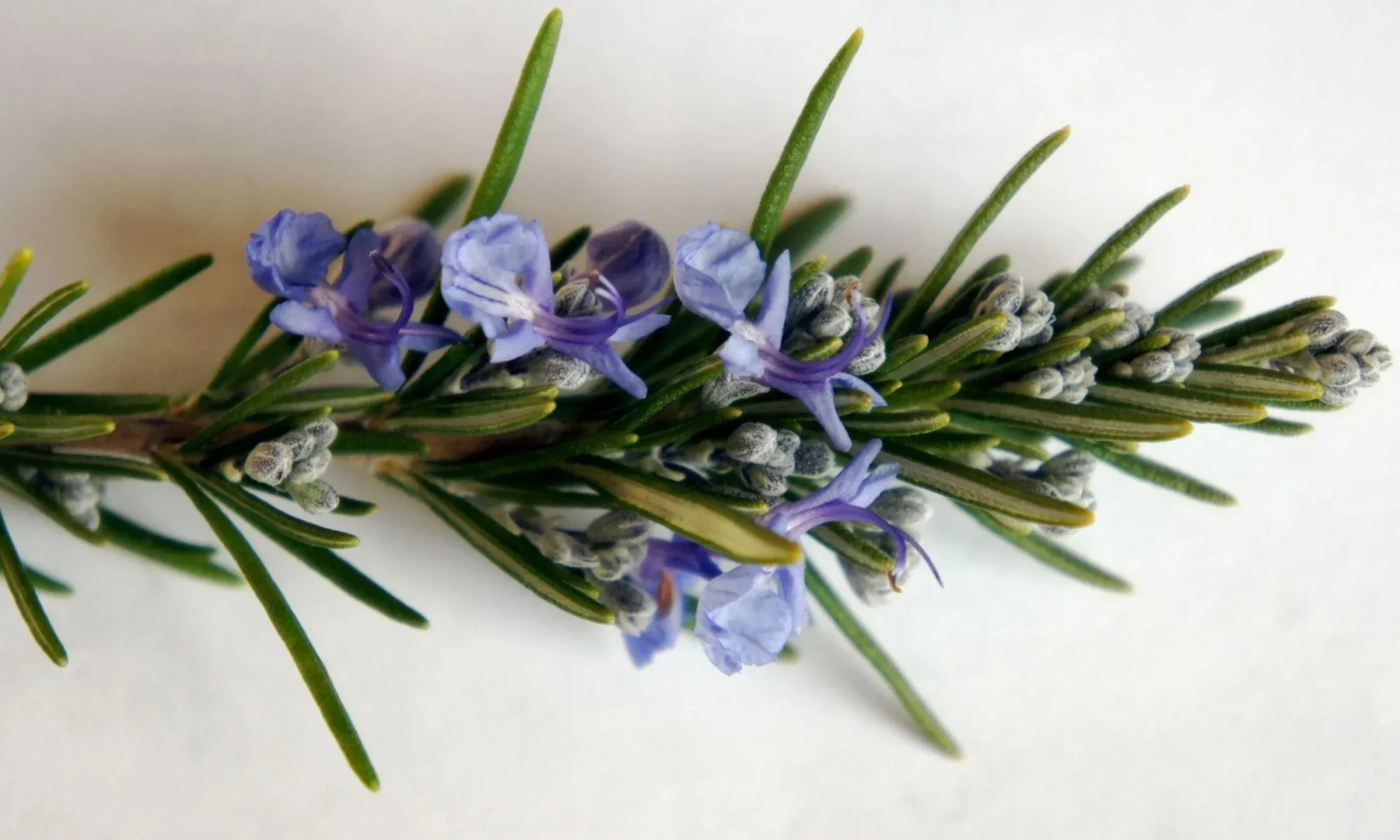
Rosemary (Rosmarinus officinalis L., syn. Salvia rosmarinus Mill.) is an aromatic, evergreen shrub of the Lamiaceae (mint) family, native to the Mediterranean region. Its leaves and essential oil are widely used in culinary, cosmetic and traditional medicinal applications. Rosemary preparations are noted for stimulant, antioxidant, carminative and antiseptic properties and are used both internally (as tea/extracts) and externally (essential oil, topical extracts).
Scientific Classification
- Kingdom: Plantae
- Phylum (Division): Angiosperms
- Class: Eudicots
- Order: Lamiales
- Family: Lamiaceae
- Genus: Rosmarinus (note: modern taxonomy sometimes places rosemary in Salvia)
- Species: Rosmarinus officinalis L. (syn. Salvia rosmarinus Mill.)
Common Names
- English: Rosemary
- Sanskrit: (vernacular names vary)
- Hindi: Rozmarī / Rosemary (रोज़मेरी)
- Tamil: Rosemari / Rosamari
- Telugu: Rozmari / Roosmary
- Bengali: Rosemary (রোজমেরি)
- Marathi: Rozmari / Rosemary
Traditional and Medicinal Uses
- Digestive & Carminative: Used to stimulate digestion, relieve dyspepsia, bloating and flatulence.
- Nervous System & Cognitive Support: Traditionally believed to improve memory and concentration; modern research has investigated effects on cognition and mild CNS stimulation.
- Respiratory Uses: Aromatic preparations and inhalations traditionally used as mild expectorants and for symptomatic relief of respiratory discomfort.
- Anti-inflammatory & Antioxidant: Extracts and isolated polyphenols (e.g., carnosic acid, carnosol, rosmarinic acid) demonstrate notable antioxidant and anti-inflammatory activities, used in traditional remedies for pain and inflammatory complaints.
- Antimicrobial & Antiseptic: Used topically and aromatically for minor wounds, as an antiseptic and preservative; essential oil shows antimicrobial activity.
References
- European Pharmacopoeia Commission. European Pharmacopoeia (Ph. Eur.) — Monograph: Rosmarini folium / Rosmarini aetheroleum. Council of Europe / EDQM. (Refer to current edition for exact test methods and numeric limits.)
- Ayurvedic Pharmacopoeia of India (API). Part I, Volume II: Single Drugs — (Rosmarinus officinalis entries as applicable). Government of India, Ministry of AYUSH. (Consult the API for traditional Indian monograph details and standards.)
- British Pharmacopoeia Commission. British Pharmacopoeia Monograph: Rosmarinus officinalis (as applicable). (Consult the current BP for official identity, purity and assay methods.)
- European Medicines Agency (EMA) — HMPC. Final European Union herbal monograph on Rosmarinus officinalis L., folium (Revision 1). Committee on Herbal Medicinal Products (HMPC). (Contains assessment report, traditional indications, safety considerations and references to Ph. Eur. standards.)
- Andrade, J. M., et al. (2018). Rosmarinus officinalis L.: an update review of its phytochemistry and biological activity. [Peer-reviewed review; summarizes phytochemistry, pharmacology and traditional uses]. (Use this review for consolidated phytochemical and activity data.)
- Cosmetic Ingredient Review (CIR) Expert Panel. (2014). Safety Assessment of Rosemary (Rosmarinus officinalis) Oil and Related Materials. (Regulatory safety evaluation for cosmetic use and topical exposure.)
- ESCOP / WHO monographs and regional pharmacopeial monographs (consult for complementary monograph detail and traditional indications).
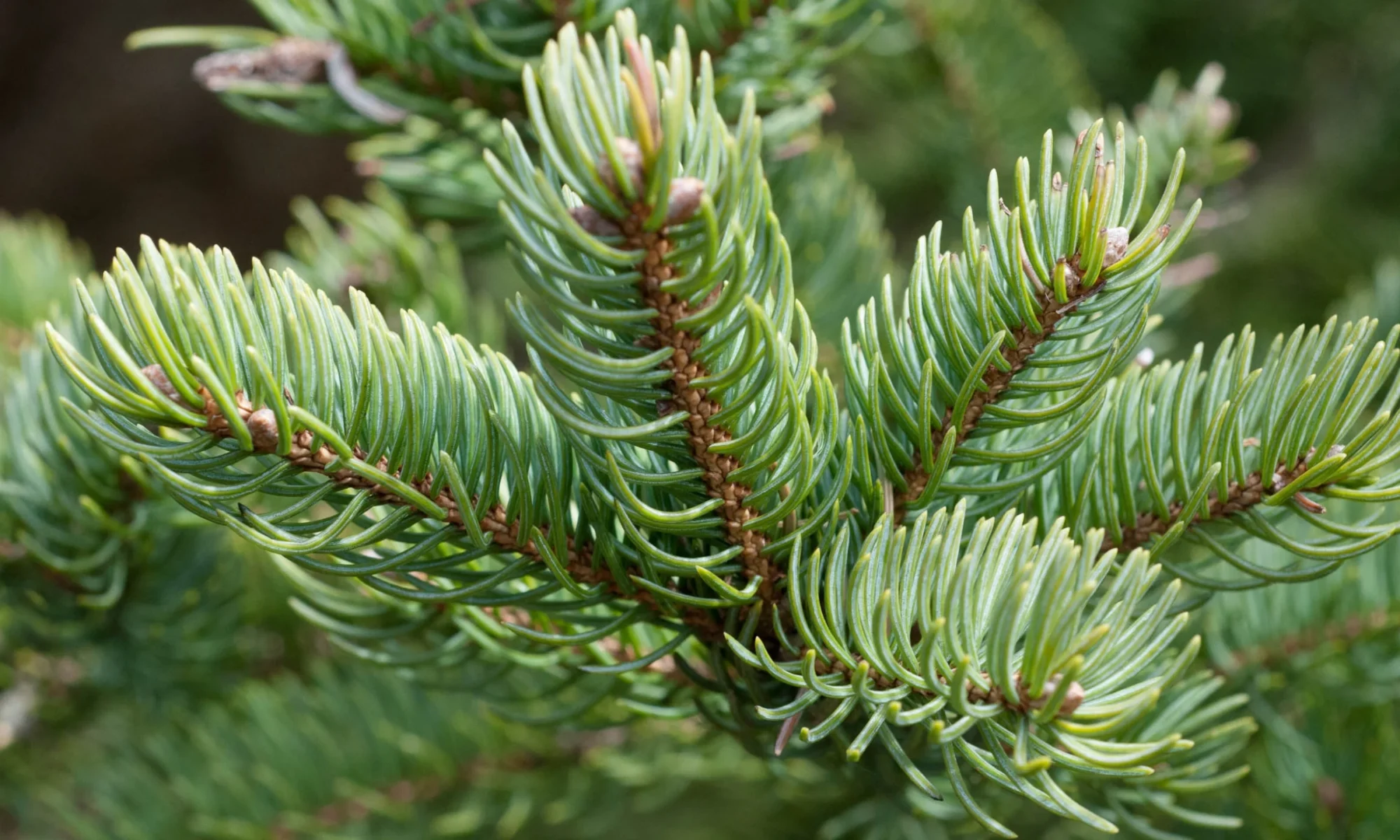
Abies webbiana Lindl. (commonly called Talish patra, Talisapatra or Himalayan silver fir) is an evergreen conifer of the family Pinaceae. It grows in temperate Himalayan regions (high-altitude forests) and produces aromatic, needle-like leaves. The dried leaves — referred to as Talisapatra or Talish patra in Ayurvedic materia medica — are used as a medicinal drug, primarily for respiratory and digestive conditions. The drug is described in classical and modern Ayurvedic sources and has been the subject of several pharmacognostic, phytochemical and pharmacological studies.
Scientific Classification
- Kingdom: Plantae
- Division / Phylum: Tracheophyta (vascular plants) — Gymnosperms (conifer group)
- Class: Pinopsida
- Order: Pinales
- Family: Pinaceae
- Genus: Abies
- Species: Abies webbiana Lindl.
Common Names
- English: Himalayan silver fir, Indian silver fir, Talisapatra
- Sanskrit: Talisapatra / Patradhya (classical synonyms)
- Hindi / Marathi / Gujarati: Talish patra / Talisapatra
- Bengali: Talish patra / Talisa patra
- Nepali: Local vernacular names exist (varies by region)
Traditional and Medicinal Uses
- Respiratory Health: Used as an expectorant for cough, bronchitis, and asthma.
- Digestive Aid: Acts as a carminative to improve appetite and reduce flatulence.
- Anti-inflammatory / Analgesic: Used for rheumatism and joint pain.
- Nervous System: Traditionally used for mild nervous disorders; preclinical studies suggest sedative and anxiolytic effects.
- Other Uses: Mild diuretic, febrifuge, and topical antiseptic in folk medicine.
References
- Ayurvedic Pharmacopoeia of India (API), Part I, Vol. IV, Govt. of India, 2004.
- Parkash, O., Kumar, D., & Kumar, S. (2015). Screening of Methanol Extract and Ethyl Acetate Fraction of Abies webbiana Lindl. for Neuropharmacological Activities. Indian Journal of Pharmaceutical Sciences, 77(5), 536–541.
- Rajalakshmi, M., et al. (2016). Pharmacognostic evaluation of Abies webbiana leaf. Asian Journal of Pharmaceutical and Clinical Research, 9(4), 213–219.
- Ghosh, A. K., & Bhattacharya, S. (2010). Pharmacognostic studies on leaves of Abies webbiana grown in Sikkim Himalayan region. Pharmacognosy Research, 2(3), 186–190.
- Chopra, R. N., Nayar, S. L., & Chopra, I. C. (1956). Glossary of Indian Medicinal Plants. CSIR, New Delhi.
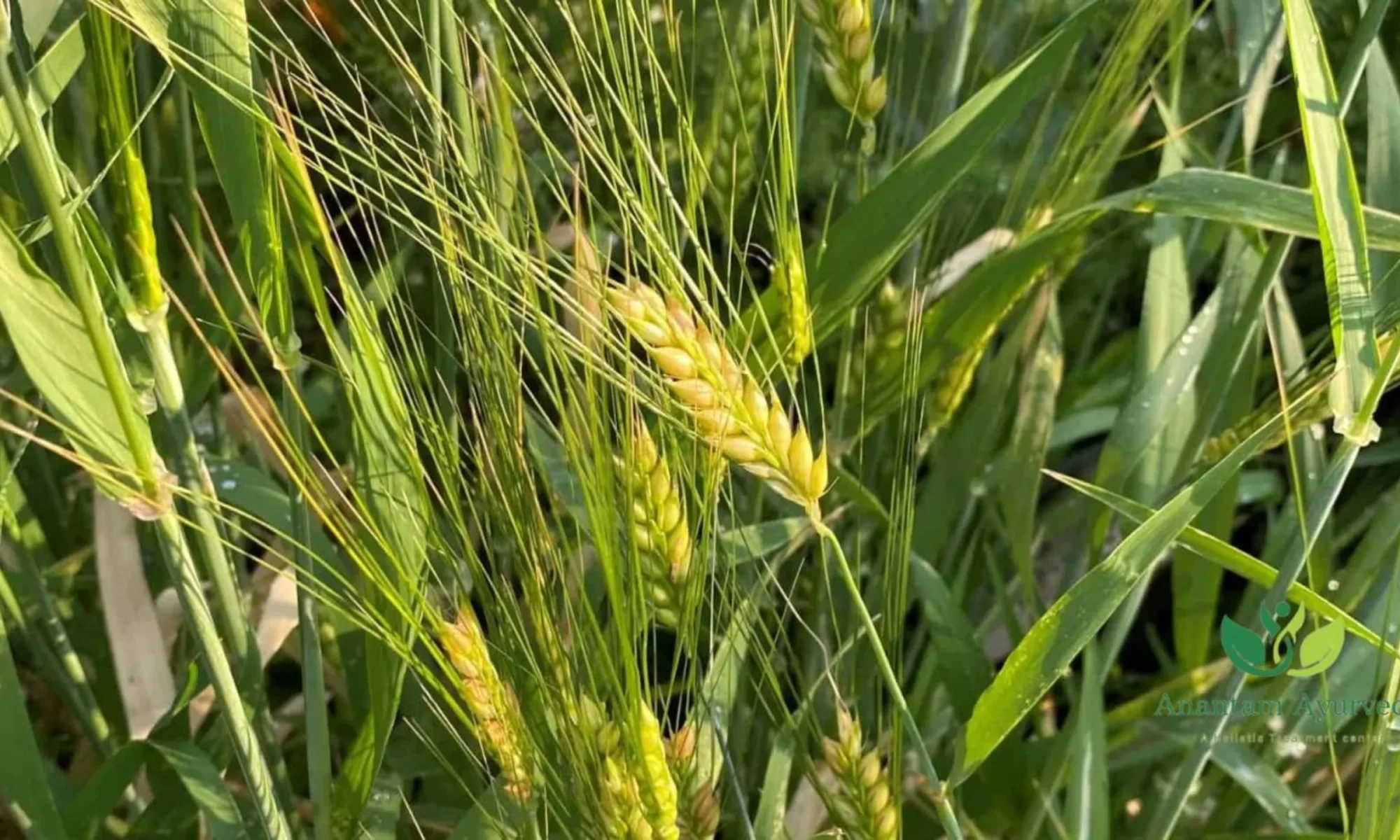
Yavakashar (Hordeum vulgare), commonly known as barley, is a cereal grain widely used in Ayurvedic medicine for its therapeutic and nutritional properties. It belongs to the Poaceae family and is valued for its digestive, diuretic, and rejuvenative effects. Traditionally, Yavakashar is obtained from the ash of roasted barley grains and is used to treat urinary disorders, acidity, and joint pain.
Scientific Classification
- Kingdom: Plantae
- Phylum: Angiosperms
- Class: Monocots
- Order: Poales
- Family: Poaceae
- Genus: Hordeum
- Species: Hordeum vulgare
Common Names
- English: Barley
- Sanskrit: Yava, Yavakashar
- Hindi: Jau, Jau ka Bhasma
- Tamil: Yava
- Telugu: Yavalu
- Bengali: Jau
- Marathi: Jave
Traditional and Medicinal Uses
- Digestive Health: Acts as a carminative, helping relieve acidity, indigestion, and bloating, Supports healthy bowel movements.
- Urinary and Kidney Health: Functions as a diuretic, aiding in urinary disorders and kidney stone prevention.
- Joint and Bone Health: Used in treatment of joint pain, arthritis, and gout due to its anti-inflammatory properties.
- Metabolic Benefits: Helps in reducing uric acid levels and managing metabolic disorders.
- General Rejuvenation: Traditionally considered Rasayana, promoting strength, vitality, and overall well-being.
Phytochemical Constituents
- Alkaloids: Hordenine
- Flavonoids: Apigenin, Luteolin
- Phenolic Compounds: Ferulic acid, Caffeic acid
- Minerals: Calcium, Magnesium, Potassium
- Vitamins: Vitamin B-complex, Vitamin E
References
- Ayurvedic Pharmacopoeia of India (API), Govt. of India.
- Charaka Samhita, Sutra Sthana, Chapter on Rasayana and medicinal preparations.
- Chopra, R.N., Nayar, S.L., & Chopra, I.C. (1956). Glossary of Indian Medicinal Plants. CSIR, New Delhi.
- European Pharmacopoeia, 10th Edition, Council of Europe.
- Singh, R.H., & Narsimhan, S. (2010). “Therapeutic uses of Hordeum vulgare (Barley) in Ayurveda.” Journal of Ethnopharmacology, 131(1), 123-135.
- Nadkarni, K.M. (2007). Indian Materia Medica, Vol. 1. Popular Prakashan, Mumbai.
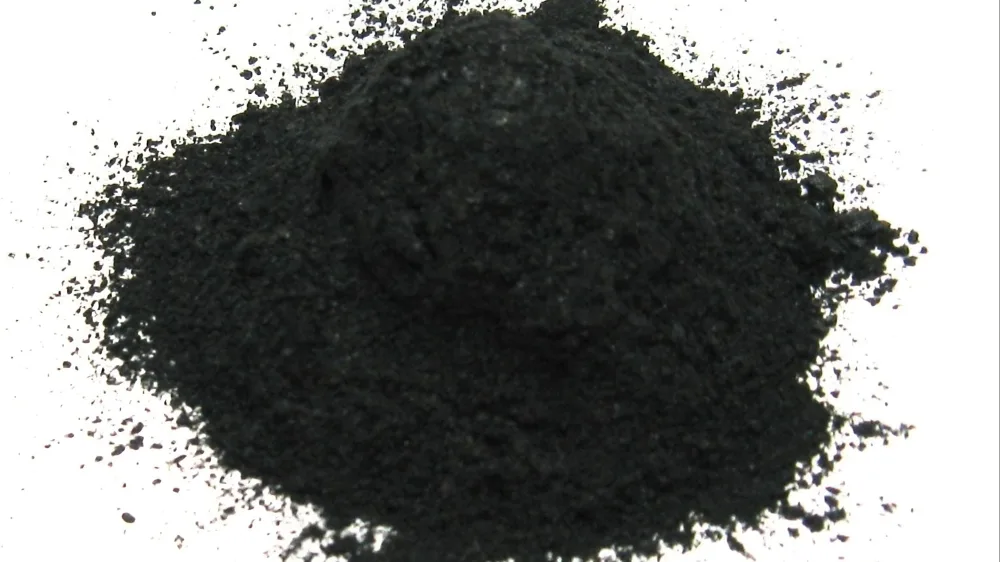
Tamra Bhasma is a calcined copper-based Ayurvedic preparation obtained by the incineration of purified copper. It has been traditionally used in Ayurveda for managing various disorders, particularly digestive, respiratory, metabolic, and hematological conditions. Tamra Bhasma is known for its Rasayana (rejuvenating), Deepana (digestive stimulant), and Medhya (cognitive enhancer) properties.
Scientific Classification
- Substance Type: Metal / Mineral
- Chemical Composition: Copper Oxide (CuO) and Copper Sulfide (CuS)
- Ayurvedic Rasa: Tamra (Copper)
- Preparation: Shodhana (Purification) followed by Marana (Incineration)
Note: Being a herbo-metallic preparation, it is not classified under plant taxonomy but under Ayurvedic mineral/metal classification.
Common Names
- Sanskrit: Tamra
- Hindi: Tamra Bhasma
- English: Calcined Copper
- Tamil: Thamiram
- Telugu: Tamra Bhasmam
- Marathi: Tamra Bhasma
Traditional and Medicinal Uses
- Digestive and Metabolic Health: Acts as a Deepana-Pachana (digestive stimulant and metabolism enhancer).
- Respiratory Disorders: Helpful in bronchial asthma, cough, and respiratory weakness.
- Hematological Benefits: Traditionally used in anemia to improve hemoglobin levels.
- Rejuvenation and Longevity: Functions as a Rasayana, enhancing vitality, strength, and immunity.
- Cognitive and Nervous System Health: Used to improve memory and mental clarity (Medhya property).
- Other Applications: Sometimes used in managing skin diseases and certain metabolic disorders under supervision.
References
- Ayurvedic Pharmacopoeia of India (API), Part I, Vol. III, Govt. of India, Ministry of Health & Family Welfare.
- Sharma, P.V. (1999). Dravyaguna Vijnana, Vol. II. Chaukhambha Bharati Academy, Varanasi.
- Anonymous (2001). Rasaratna Samuchaya. Chaukhambha Orientalia, Varanasi.
- Mishra, L.C., Singh, B.B., & Dagenais, S. (2000). Healthcare and traditional uses of copper in Ayurveda. Journal of Ethnopharmacology, 73(1–2), 17–28.
- Singh, R.H. (2014). Standardization of Bhasmas: Tamra Bhasma as a Case Study. Ayurveda Research International, 2014, Article ID 748175.
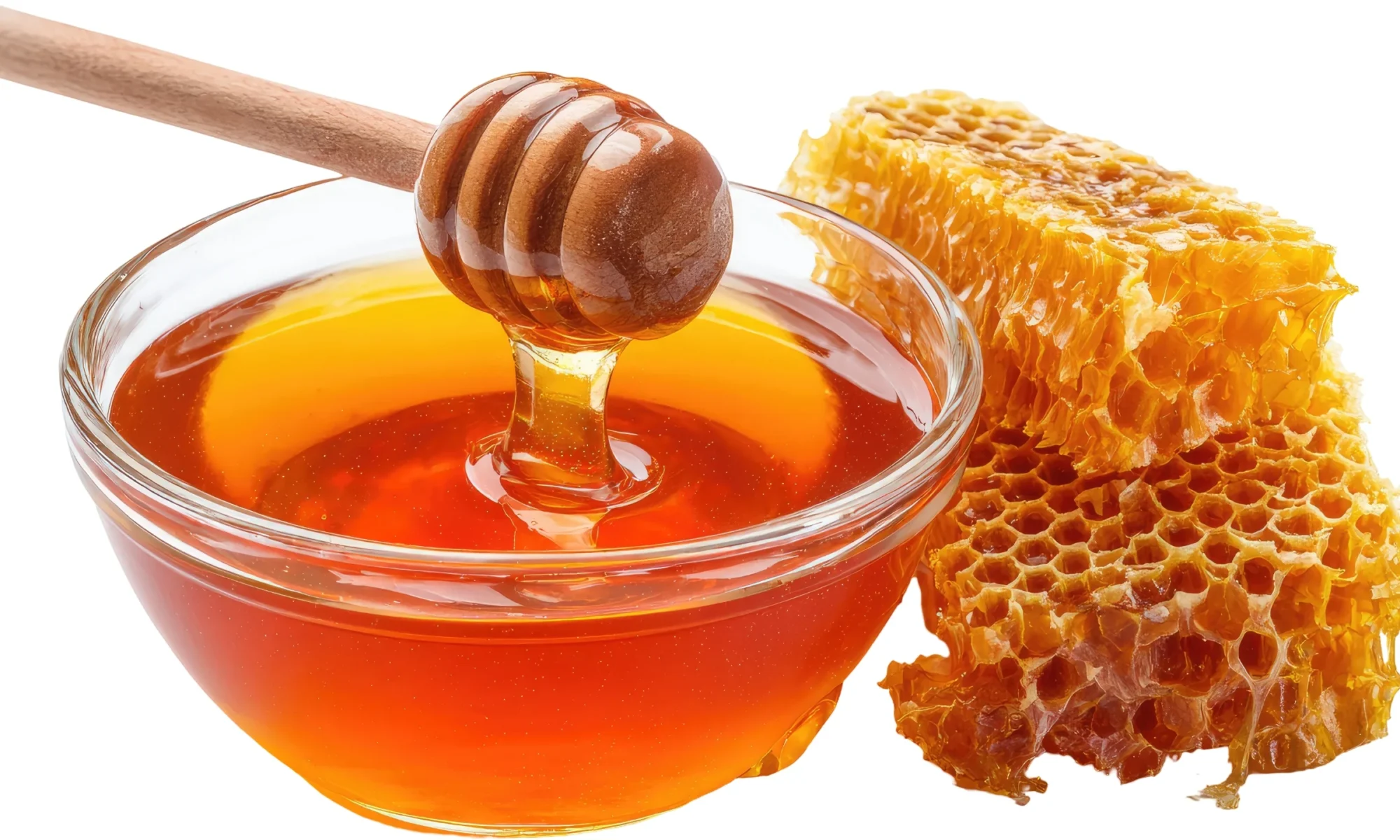
Honey (Apis mellifera) is a natural sweet substance produced by honeybees from the nectar of flowers. It is widely recognized for its nutritional, medicinal, and therapeutic properties. Traditionally, honey has been used as a natural sweetener, wound healer, cough remedy, and immunity booster. It contains a complex mixture of sugars, enzymes, amino acids, vitamins, and minerals.
Scientific Classification
- Kingdom: Animalia
- Phylum: Arthropoda
- Class: Insecta
- Order: Hymenoptera
- Family: Apidae
- Genus: Apis
- Species: Apis mellifera
Common Names
- English: Honey
- Sanskrit: Madhu
- Hindi: Shahad
- Tamil: Then
- Telugu: Thene
- Bengali: Modhu
- Marathi: Madhu
Traditional and Medicinal Uses
- Wound Healing: Acts as a natural antiseptic, promoting faster healing of cuts, burns, and ulcers.
- Respiratory Health: Used as a cough suppressant and to soothe sore throats.
- Digestive Aid: Supports digestion and helps relieve gastric ulcers and acidity.
- Antioxidant and Anti-inflammatory Properties: Contains flavonoids and phenolic acids that provide antioxidant and anti-inflammatory effects.
- Immunity Booster: Regular consumption is believed to enhance immunity and overall health.
- Skin Care: Used topically to moisturize skin, treat acne, and reduce infections.
References
- Ayurvedic Pharmacopoeia of India (API), Govt. of India.
- European Pharmacopoeia, 10th Edition, Council of Europe.
- Bogdanov, S. (2011). Honey as Nutrient and Functional Food. Bee Product Science and Technology.
- Alvarez-Suarez, J.M., et al. (2013). “Honey: Chemical composition, stability and authenticity.” Food Chemistry, 196, 309–323.
- Bogdanov, S., Jurendic, T., Sieber, R., & Gallmann, P. (2008). “Honey for nutrition and health: A review.” Journal of the American College of Nutrition, 27(6), 677–689.
- Chopra, R.N., Nayar, S.L., & Chopra, I.C. (1956). Glossary of Indian Medicinal Plants. CSIR, New Delhi.
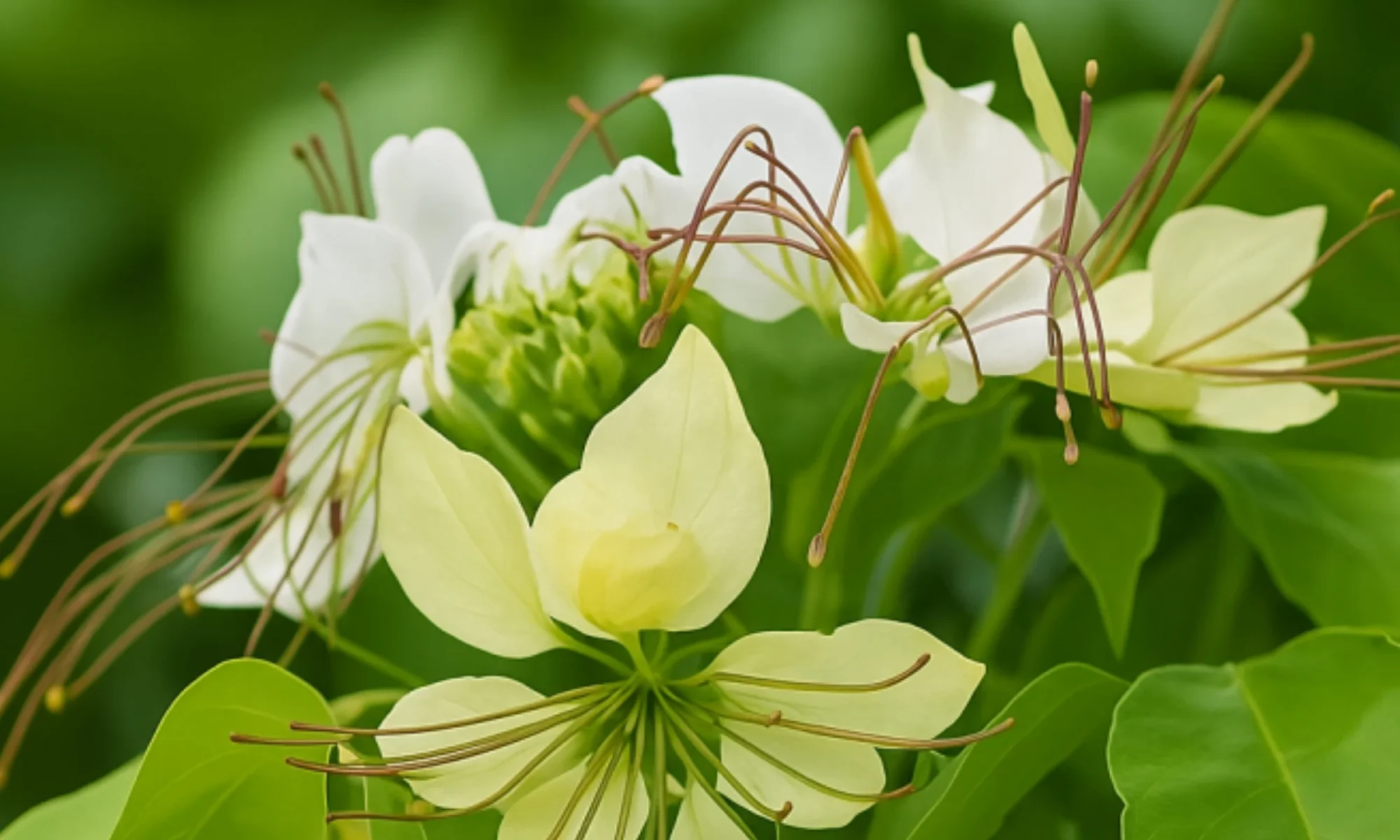
Varun (Crataeva nurvala) is a small, deciduous tree known for its medicinal properties, particularly in urinary and kidney health. It belongs to the Capparaceae family and is native to the Indian subcontinent and Southeast Asia. Traditionally, it has been used in Ayurveda for managing kidney stones, urinary disorders, and joint problems.
Scientific Classification
- Kingdom: Plantae
- Phylum: Angiosperms
- Class: Eudicots
- Order: Brassicales
- Family: Capparaceae
- Genus: Crataeva
- Species: Crataeva nurvala
Common Names
- English: Varun, Three-leaved Caper
- Sanskrit: Varuna
- Hindi: Varun
- Tamil: Vavunai
- Telugu: Varuna
- Bengali: Varun
- Marathi: Varun
Traditional and Medicinal Uses
- Urinary and Kidney Health: Acts as a diuretic, helping in the management of urinary tract infections (UTIs) and promoting healthy urine flow.
- Anti-inflammatory and Analgesic: Used for joint pain, arthritis, and inflammation-related disorders.
- Digestive Health: Promotes digestive function and may help with constipation and indigestion.
- Liver Protection: Shows hepatoprotective activity, supporting liver health in traditional medicine.
- Antioxidant Properties: Contains bioactive compounds that provide antioxidant benefits, reducing oxidative stress in the body.
Phytochemical Constituents
- Alkaloids: Cratervine, Lupeol
- Flavonoids: Quercetin, Kaempferol
- Triterpenoids: β-sitosterol, Lupeol
- Phenolic Compounds: Ferulic acid, Gallic acid
- Saponins: Crataeva saponins
- Other Constituents: Tannins, Sterols
References
- Ayurvedic Pharmacopoeia of India (API), Govt. of India.
- Chopra, R.N., Nayar, S.L., & Chopra, I.C. (1956). Glossary of Indian Medicinal Plants. CSIR, New Delhi.
- Kirtikar, K.R., & Basu, B.D. (1933). Indian Medicinal Plants. Lalit Mohan Basu, Allahabad.
- Mishra, L.C., et al. (2001). Scientific Basis for Ayurvedic Therapies. CRC Press.
- Singh, N., & Singh, R. (2011). “Pharmacological and therapeutic potential of Crataeva nurvala Buch-Ham.” Journal of Ethnopharmacology, 137(3), 1095–1103.
- European Pharmacopoeia, 10th Edition, Council of Europe.
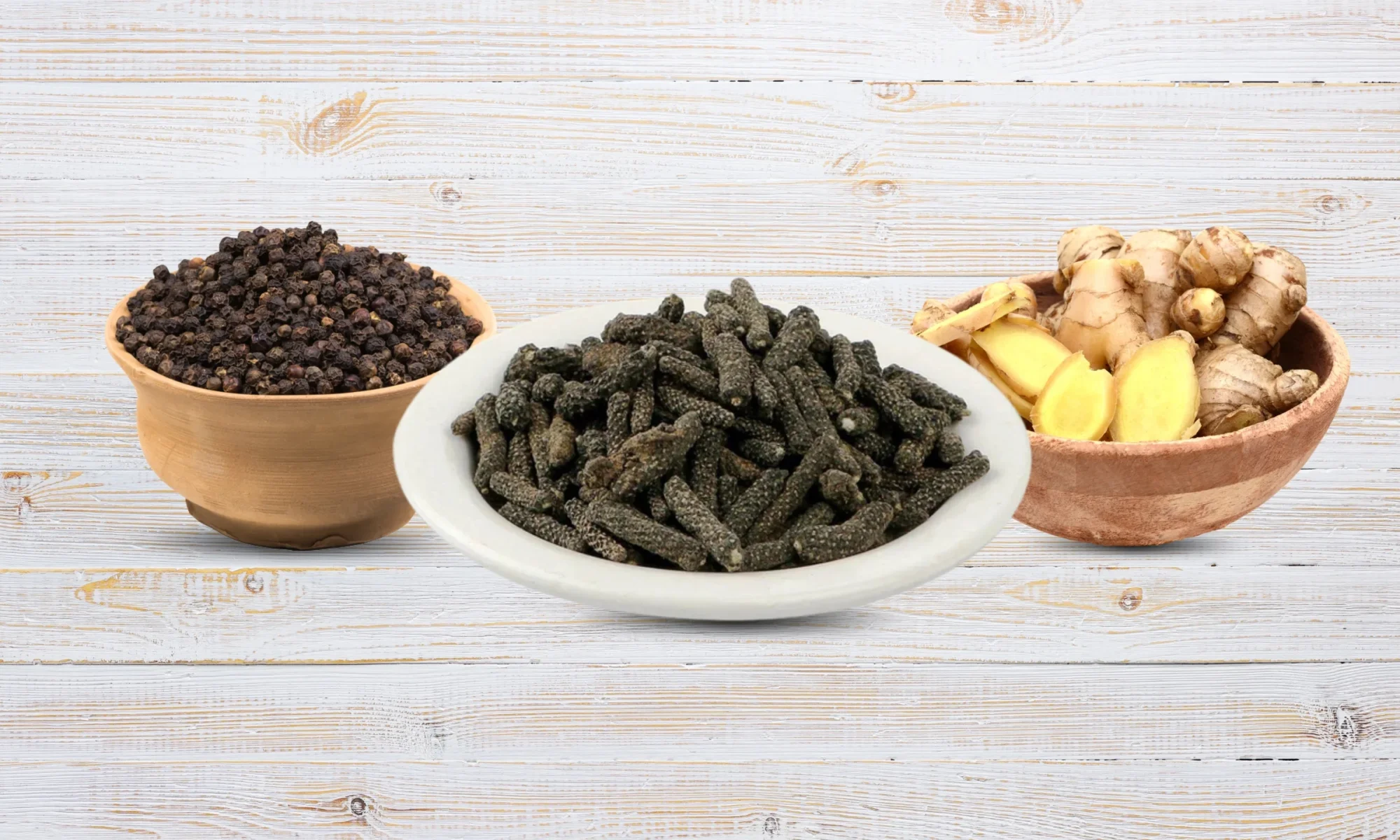
Trikatu is a classical Ayurvedic formulation composed of three potent herbs—Pippali (Piper longum Linn.), Maricha (Piper nigrum Linn.), and Shunthi (Zingiber officinale Rosc.)—in equal proportions (1:1:1). The name “Trikatu” literally means three pungents. It is renowned for enhancing digestion, metabolism, and bioavailability of other drugs. Traditionally, Trikatu is used to treat indigestion, obesity, respiratory conditions, and as a rejuvenator for the gastrointestinal and hepatic systems.
Scientific Classification
For Trikatu (Formulation)
- Kingdom: Plantae
- Phylum: Angiosperms
- Class: Dicotyledons
- Order: Piperales / Zingiberales
- Family: Piperaceae / Zingiberaceae
Constituent Herbs:
- Piper nigrum (Black Pepper)
- Piper longum (Long Pepper)
- Zingiber officinale (Dry Ginger)
Common Names
- English – Three Pungents, Trikatu Churna
- Sanskrit – Trikatu, Katutraya
- Hindi – Trikatu, Thikkat
- Tamil – Thirikadugu
- Telugu -Trikatamu
- Malayalam – Thrikadugam
- Marathi – Trikatu
Traditional and Medicinal Uses
- Digestive and Metabolic Health: Reduces gas, bloating, and indigestion symptoms. Used as a natural carminative and laxative.
- Respiratory Benefits: Acts as an expectorant and bronchodilator, helpful in cough, asthma, and bronchitis, Clears mucus and enhances respiratory function.
- Weight and Metabolism Regulation : Increases metabolic rate and helps reduce fat accumulation, useful in obesity management.
- Hepatoprotective and Detoxifying: Supports liver function and aids in detoxification by enhancing bile secretion.
References
- Ayurvedic Pharmacopoeia of India (API), Part-I, Vol. I–V, Govt. of India, Ministry of AYUSH.
- Sharangadhara Samhita – Madhyama Khanda, Chapter 6, Churnakalpana Adhyaya.
- A Review on Trikatu Churna – International Journal of Research in Ayurveda and Pharmacy (IJRAP), Vol. 12, Issue 3, 2021.
- Rao, P. K. S. et al. (2025). Deciphering the Mechanism of Action of Trikatu through its Bioactive Compounds. Journal of Clinical Research in Medicine and Health Sciences.
- Phyto-pharmacological review on bioavailability enhancer Trikatu (Journal of Pharmacognosy and Phytochemistry, 2024, Vol. 13 Issue 3, p.998).
- Deciphering the Impact and Mechanism of Trikatu, a Spices-based Formulation (PMC9709420, Journal of Ayurveda and Integrative Medicine, 2022).
- Charaka Samhita, Sutrasthana 5/12 – Reference to Trikatu as Deepana-Pachana Yoga.
- Sushruta Samhita, Sutrasthana 38/30 – Description of Trikatu in metabolic disorders.
- Chopra, R.N., Nayar, S.L., & Chopra, I.C. (1956). Glossary of Indian Medicinal Plants, CSIR, New Delhi.
- European Pharmacopoeia, 10th Edition, Council of Europe.
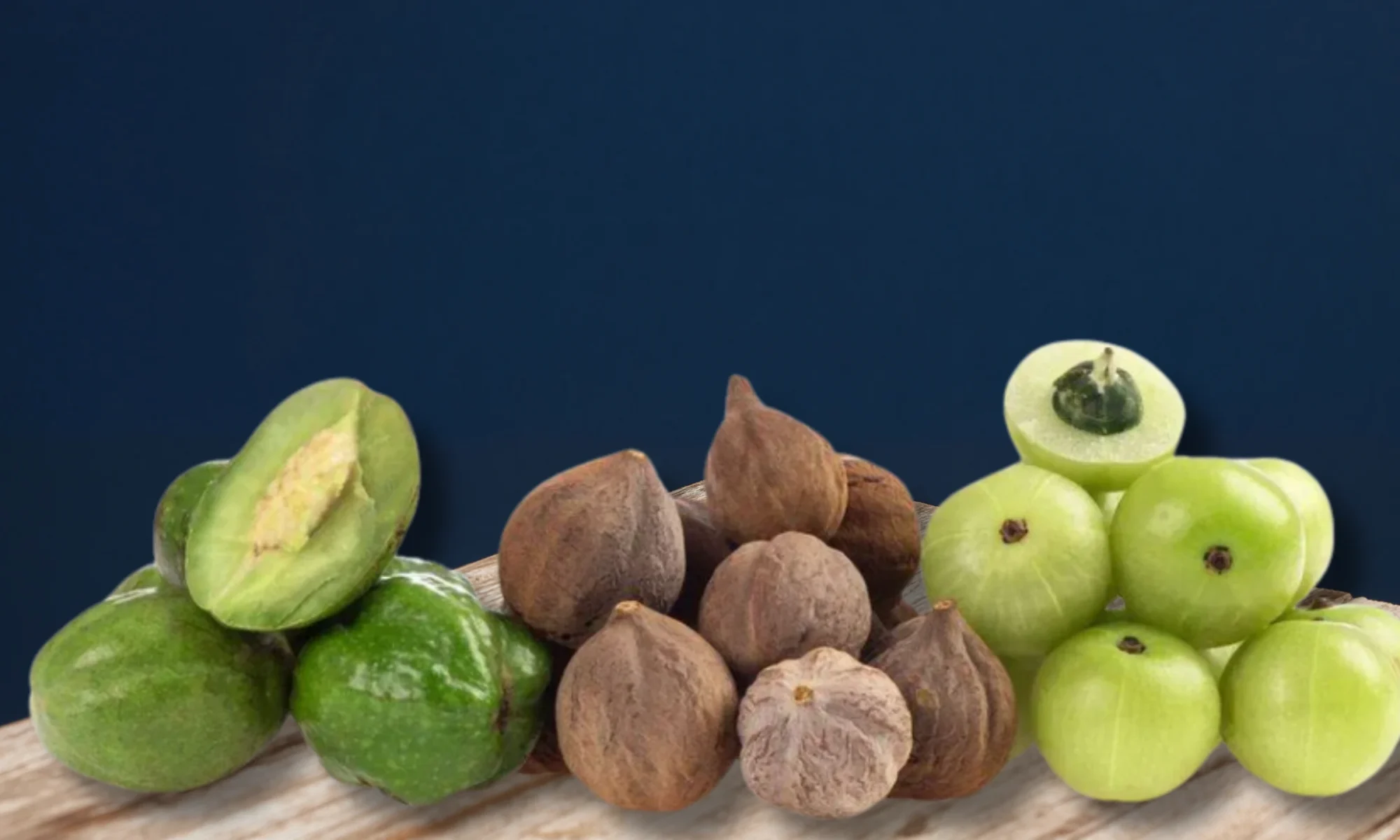
Triphala is one of the most revered Ayurvedic polyherbal formulations, composed of three fruits — Amalaki (Emblica officinalis), Bibhitaki (Terminalia bellirica), and Haritaki (Terminalia chebula). It is known for its rejuvenating, detoxifying, and antioxidant properties. Traditionally, Triphala is used for improving digestion, supporting liver function, enhancing immunity, and promoting longevity. It balances all three doshas (Vata, Pitta, Kapha) and is widely used as a rasayana (rejuvenative) in Ayurveda.
Scientific Classification
Amalaki (Emblica officinalis)
- Kingdom: Plantae
- Phylum: Angiosperms
- Class: Eudicots
- Order: Malpighiales
- Family: Phyllanthaceae
- Genus: Phyllanthus
- Species: Phyllanthus emblica
Bibhitaki (Terminalia bellirica)
- Kingdom: Plantae
- Phylum: Angiosperms
- Class: Eudicots
- Order: Myrtales
- Family: Combretaceae
- Genus: Terminalia
- Species: Terminalia bellirica
Haritaki (Terminalia chebula)
- Kingdom: Plantae
- Phylum: Angiosperms
- Class: Eudicots
- Order: Myrtales
- Family: Combretaceae
- Genus: Terminalia
- Species: Terminalia chebula
Common Names
- English – Triphala
- Sanskrit – Triphala, Vara
- Hindi – Triphala, Teen Phal
- Tamil – Thiripala
- Telugu – Thriphala
- Bengali – Triphala
- Marathi – Triphala
Traditional and Medicinal Uses
- Digestive Health: Acts as a mild laxative that promotes bowel regularity and relieves constipation, Enhances digestion, absorption, and metabolism.
- Detoxification and Rejuvenation: Helps in detoxifying the liver and blood, promoting purification and regeneration.
- Immunity and Antioxidant Support: Contains high levels of vitamin C and polyphenols, supporting immune strength and protecting against oxidative stress.
- Eye and Skin Health: Traditionally used for improving vision and enhancing complexion due to its rejuvenating properties.
- Metabolic and Weight Management: Helps regulate lipid and glucose metabolism, supporting healthy body weight and metabolism.
- Oral and Dental Health: Used in gargles and mouthwashes for preventing oral infections and improving gum health.
References
- Ayurvedic Pharmacopoeia of India (API), Govt. of India.
- Charaka Samhita, Rasayana Adhyaya – Discussion on Triphala as Rasayana.
- Baliga, M.S. (2010). “Triphala, Ayurvedic formulation for treating and preventing cancer: A review.” Journal of Alternative and Complementary Medicine, 16(12), 1301–1308.
- Peterson, C.T., Denniston, K., & Chopra, D. (2017). “Therapeutic uses of Triphala in Ayurvedic medicine.” Journal of Alternative and Complementary Medicine, 23(8), 607–614.
- Jagetia, G.C., & Baliga, M.S. (2004). “Triphala, an Ayurvedic rasayana, protects against radiation-induced lethality in mice.” Phytomedicine, 9(2), 99–108.
- Sandhya, T., Lathika, K.M., & Mishra, K.P. (2006). “Potential immunomodulatory and antioxidant properties of Triphala: An Ayurvedic formulation.” Indian Journal of Experimental Biology, 44(6), 493–498.
- The Ayurvedic Formulary of India, Part I & II, Ministry of Health and Family Welfare, Government of India.
- Wealth of India: Raw Materials (CSIR, New Delhi).
- Srikumar, R., Parthasarathy, N.J., & Devi, R.S. (2005). “Immunomodulatory activity of Triphala on neutrophil functions.” Biological and Pharmaceutical Bulletin, 28(8), 1398–1403.
- European Pharmacopoeia, 10th Edition, Council of Europe.

Cocos nucifera L., commonly known as the Coconut Palm, is a tall, perennial tree belonging to the Arecaceae family. It is often referred to as the “Tree of Life” due to its multiple utilities — from food and medicine to fuel and shelter. Every part of the plant, including the fruit, water, shell, husk, leaves, and roots, holds nutritional, commercial, and medicinal value. The kernel, coconut oil, and tender coconut water are rich in nutrients and bioactive compounds beneficial for human health.
Scientific Classification
- Kingdom: Plantae
- Phylum (Division): Angiosperms
- Class: Monocots
- Order: Arecales
- Family: Arecaceae
- Genus: Cocos
- Species: Cocos nucifera L.
Common Names
- English: Coconut, Coconut Palm
- Sanskrit: Nārikelā
- Hindi: Nārīyal
- Gujarati: Nāriyēl
- Tamil: Thēṅkai
- Malayalam: Thengu
- Marathi: Nārāl
Traditional and Medicinal Uses
- Antioxidant & Anti-inflammatory: Phenolic and flavonoid compounds protect cells from oxidative stress and inflammation.
- Antimicrobial & Antifungal: Coconut oil and husk extracts exhibit activity against bacteria and fungi.
- Antidiabetic: Certain extracts help in lowering blood glucose and improving lipid metabolism.
- Hepatoprotective & Immunomodulatory: Studies suggest liver-protecting and immune-boosting effects.
- Skin and Wound Healing: Coconut oil aids in moisture retention and tissue repair.
- Nutritional Support: Coconut water replenishes electrolytes and promotes hydration.
References
- Ayurvedic Pharmacopoeia of India (API), Part I, Vol. III. Government of India, Ministry of AYUSH.
- Alves, E. S., et al. (2015). Cocos nucifera (L.) (Arecaceae): A phytochemical and pharmacological review. Brazilian Journal of Medical and Biological Research, 48(12).
- DebMandal, M., & Mandal, S. (2011). Coconut (Cocos nucifera L.): In health promotion and disease prevention. Journal of Ethnopharmacology, 142(1), 1–8.
- Ojha, S., et al. (2019). Review of Cocos nucifera L. testa-derived phytonutrients with applications in functional foods. Journal of Functional Foods, 57, 169–182.
- Rahman, S., et al. (2012). Antimicrobial Properties of Cocos nucifera: A Review. Journal of the Coconut Community (ICC).
- Chopra, R. N., Nayar, S. L., & Chopra, I. C. (1956). Glossary of Indian Medicinal Plants. CSIR, New Delhi.
- Indian Herbal Pharmacopoeia. (2002). Vol. II. Regional Research Laboratory, Jammu-Tawi & Indian Drug Manufacturers’ Association, Mumbai.



 My Account


