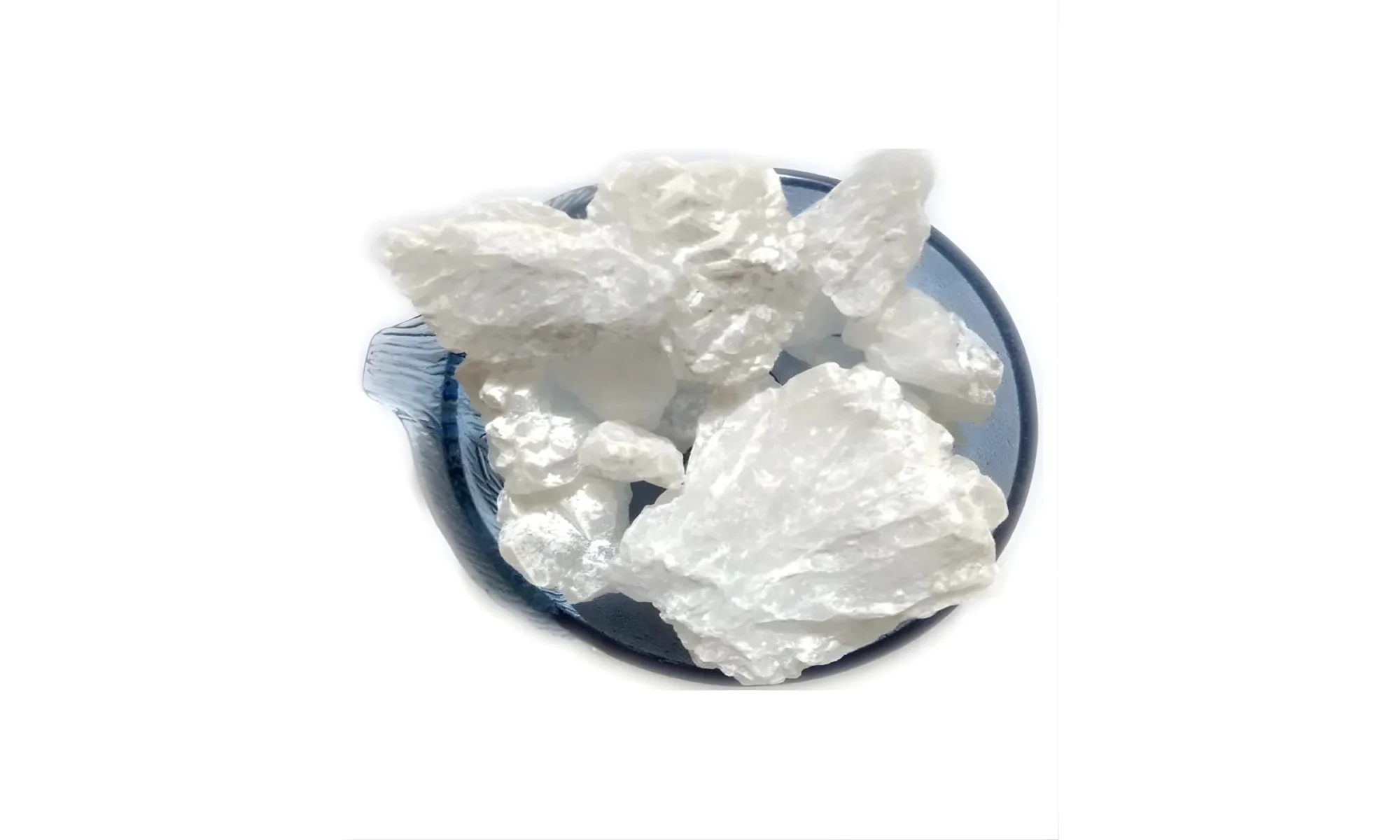
Tankankhar is a purified form of borax, chemically known as Sodium biborate (Sodium tetraborate). It is widely used in Ayurvedic medicine after proper purification (Shodhana). Tankankhar is valued for its alkaline, antiseptic, and expectorant properties and is commonly used in respiratory disorders, digestive issues, and certain gynecological conditions.
Common Names
- English: Borax / Purified Borax
- Sanskrit: Tankana
- Hindi: Tankan / Suhaga
- Gujarati: Tankan Khar
- Tamil: Vengaram
- Telugu: Veligaram
- Unani: Tinkar
Traditional and Medicinal Uses
- Respiratory Health: Acts as an expectorant, helping in conditions like cough, asthma, and bronchitis. Supports the loosening and effective removal of phlegm from the respiratory tract.
- Digestive Support: Works as a digestive stimulant and helps relieve indigestion and abdominal discomfort. Used in small doses for flatulence and colic pain.
- Gynecological Uses: Traditionally used for menstrual disorders and as a mild uterine stimulant. Applied in certain formulations for leucorrhoea.
- Antiseptic and Antimicrobial Action: Exhibits antiseptic properties, useful in wound cleaning and oral infections. Used in formulations for mouth ulcers and throat infections.
- Skin and External Applications: Applied externally in certain conditions like skin infections and itching.
References
- Ayurvedic Pharmacopoeia of India (API), Government of India.
- Rasatarangini – Sadananda Sharma, Chapter on Tankana.
- The Wealth of India: A Dictionary of Indian Raw Materials & Industrial Products, CSIR, New Delhi.
- Indian Pharmacopoeia, Government of India.
- Nadkarni, K.M. (2009). Indian Materia Medica. Popular Prakashan.
- European Pharmacopoeia, Council of Europe.
- O’Neil, M.J. (2013). The Merck Index: An Encyclopedia of Chemicals, Drugs, and Biologicals, 15th Edition.
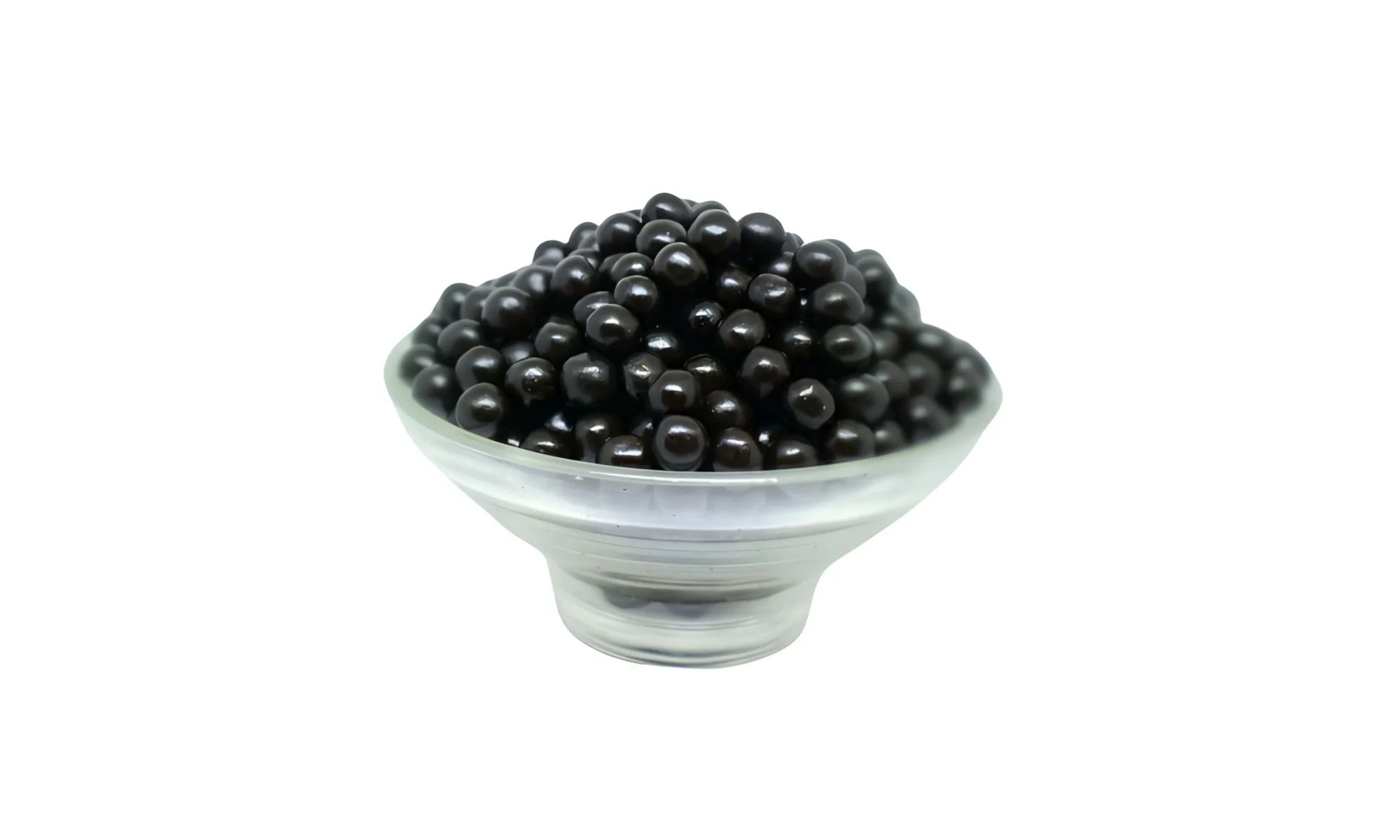
Manjistadi Ghan is a classical Ayurvedic herbal formulation primarily prepared from Manjistha (Rubia cordifolia) as the key ingredient, along with other supportive herbs. It is commonly used to purify the blood, manage skin disorders, and help alleviate inflammatory conditions. This formulation is known for its Rakta Shodhak (blood purifying), anti-inflammatory, and detoxifying properties, making it beneficial in conditions like acne, eczema, psoriasis, and other dermatological disorders.
Scientific Classification
- Kingdom: Plantae
- Phylum: Angiosperms
- Class: Eudicots
- Order: Gentianales
- Family: Rubiaceae
- Genus: Rubia
- Species: Rubia cordifolia
Common Names
- English: Indian Madder
- Sanskrit: Manjistha
- Hindi: Manjith
- Gujarati: Majith
- Tamil: Manjitti
- Telugu: Tamra Valli
- Marathi: Manjishtha
Traditional and Medicinal Uses
- Blood Purification (Rakta Shodhana): Helps eliminate toxins from the blood and improves overall skin health.
- Skin Disorders: Effective in managing acne, eczema, psoriasis, dermatitis, and pigmentation disorders.
- Anti-inflammatory Activity: Helps reduce inflammation in chronic conditions while promoting the healing and repair of skin tissues.
- Wound Healing: Promotes faster healing of wounds and helps in reducing scars.
- Lymphatic and Detox Support: Supports lymphatic drainage and detoxification of the body.
References
- Ayurvedic Pharmacopoeia of India (API), Government of India.
- Bhaishajya Ratnavali, Kushtha Roga Adhikara.
- Sharma, P.V. (2001). Dravyaguna Vijnana, Chaukhambha Bharati Academy, Varanasi.
- Kirtikar, K.R., & Basu, B.D. (1999). Indian Medicinal Plants, International Book Distributors.
- Tripathi, Y.B., et al. (1997). “Rubia cordifolia: A review of its pharmacological properties.” Journal of Ethnopharmacology.
- European Pharmacopoeia, Council of Europe.
- Indian Herbal Pharmacopoeia, Revised Edition, IDMA, Mumbai.
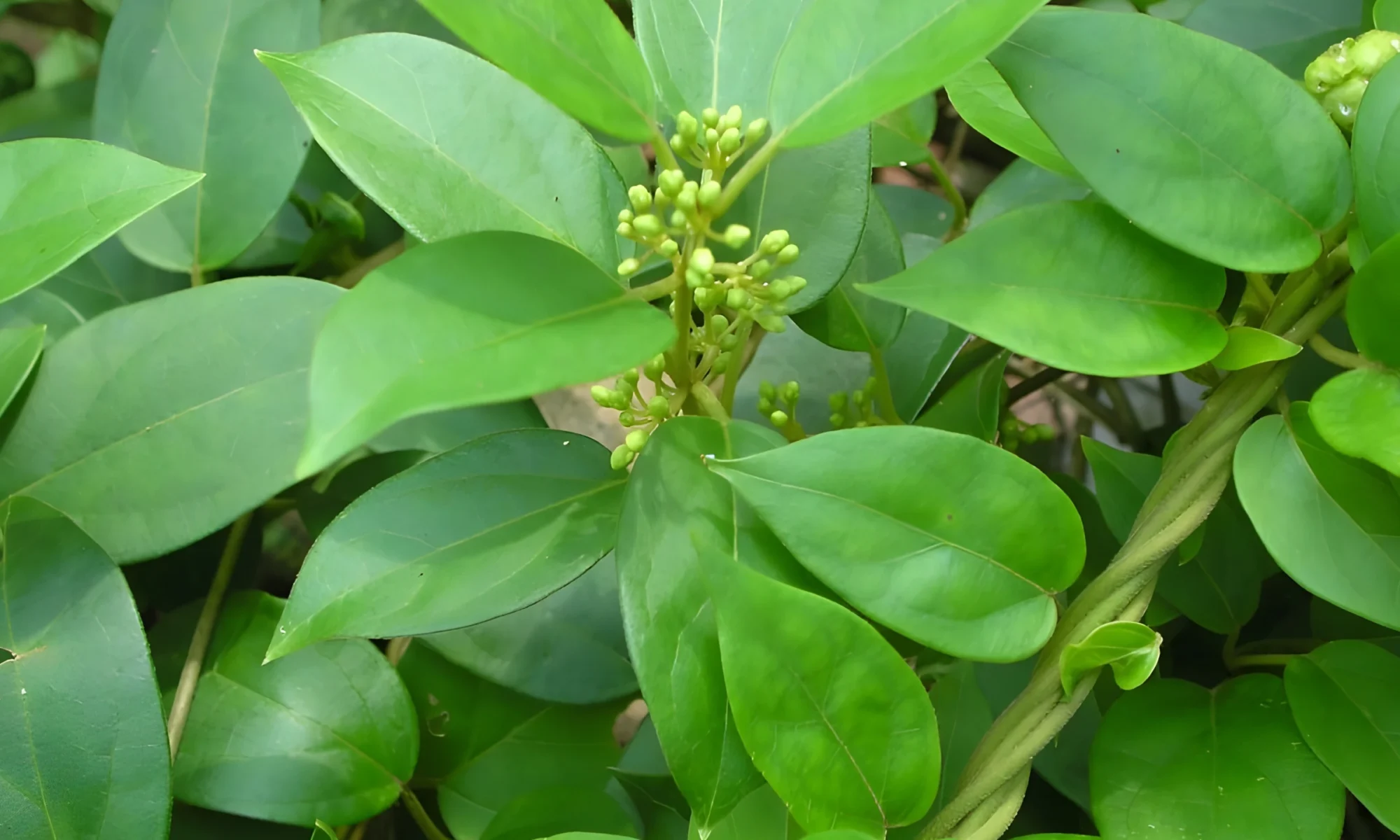
Gudmar (Gymnema sylvestre) is a perennial woody climbing shrub belonging to the Apocynaceae family. It is widely distributed in tropical forests of India, Africa, and Australia. In traditional medicine, Gudmar is known as the “sugar destroyer” due to its ability to suppress sweet taste perception and support blood glucose regulation. It has been extensively used in Ayurveda for managing diabetes and metabolic disorders.
Scientific Classification
- Kingdom: Plantae
- Phylum: Angiosperms
- Class: Eudicots
- Order: Gentianales
- Family: Apocynaceae
- Genus: Gymnema
- Species: Gymnema sylvestre
Common Names
- English: Gymnema, Sugar Destroyer
- Sanskrit: Madhunashini, Meshashringi
- Hindi: Gudmar
- Gujarati: Gudmar
- Tamil: Sirukurinjan
- Telugu: Podapatri
- Marathi: Kavali
- Bengali: Meshashringi
Traditional and Medicinal Uses
- Anti-Diabetic Activity: Known as Madhunashini, it helps in reducing blood sugar levels. Supports regeneration of pancreatic beta cells and improves insulin secretion.
- Anti-Obesity and Metabolic Health: Helps in reducing sugar cravings and controlling body weight. Improves lipid metabolism and reduces cholesterol levels.
- Digestive Health: Acts as a stomachic and laxative, improving digestion and relieving constipation.
- Anti-inflammatory and Antioxidant Properties: Contains bioactive compounds that exhibit anti-inflammatory and antioxidant effects.
- Antimicrobial Activity: Demonstrates activity against certain bacteria and pathogens, supporting immune health.
References
- Ayurvedic Pharmacopoeia of India (API), Government of India.
- The Wealth of India: A Dictionary of Indian Raw Materials and Industrial Products, CSIR, New Delhi.
- Persaud, S.J., Al-Majed, H., Raman, A., & Jones, P.M. (1999). “Gymnema sylvestre stimulates insulin release in vitro by increased membrane permeability.” Journal of Endocrinology, 163(2), 207–212.
- Tiwari, P., Mishra, B.N., & Sangwan, N.S. (2014). “Phytochemical and pharmacological properties of Gymnema sylvestre: An important medicinal plant.” BioMed Research International.
- European Medicines Agency (EMA), Herbal Monograph on Gymnema sylvestre.
- Kirtikar, K.R., & Basu, B.D. (1999). Indian Medicinal Plants, International Book Distributors, Dehradun.
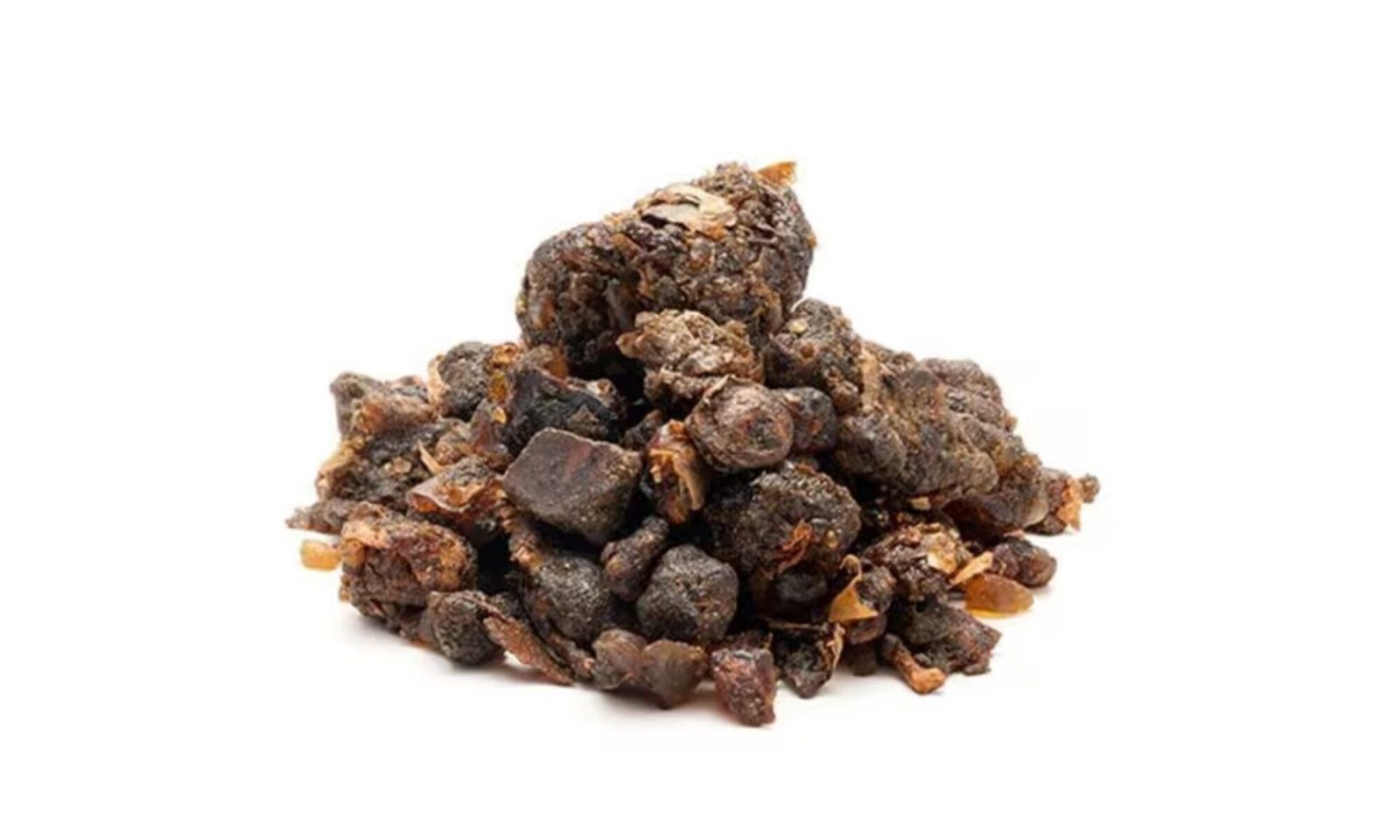
Kishor Guggul is a classical Ayurvedic formulation primarily based on Commiphora mukul (Guggul), a resin obtained from a small thorny tree belonging to the Burseraceae family. It is widely used in Ayurveda for managing inflammatory conditions, skin disorders, gout, and metabolic imbalances. The formulation combines Guggul with various herbs to enhance detoxification, improve metabolism, and support joint and skin health.
Scientific Classification
- Kingdom: Plantae
- Phylum: Angiosperms
- Class: Eudicots
- Order: Sapindales
- Family: Burseraceae
- Genus: Commiphora
- Species: Commiphora mukul
Common Names
- English: Guggul / Indian Bdellium
- Sanskrit: Guggulu
- Hindi: Guggul
- Gujarati: Gugal
- Tamil: Kungiliyam
- Telugu: Guggilamu
- Marathi: Guggul
Traditional and Medicinal Uses
- Joint and Musculoskeletal Disorders: Used in arthritis, gout (Vatarakta), and rheumatism, Helps reduce joint pain, swelling, and stiffness.
- Skin Diseases: Effective in managing chronic skin disorders such as eczema, psoriasis, and acne. Acts as a blood purifier (Raktashodhak).
- Anti-inflammatory Action: Exhibits strong anti-inflammatory and analgesic properties. Helps in reducing inflammatory mediators in the body.
- Metabolic and Detoxification Support: Improves metabolism (Agni) and aids in removing toxins (Ama). Useful in conditions related to hyperuricemia and gout.
- Wound Healing: Promotes healing of ulcers and wounds due to its antimicrobial and cleansing properties.
References
- Ayurvedic Pharmacopoeia of India (API), Government of India.
- Bhaishajya Ratnavali – Vatarakta Chikitsa Adhyaya.
- Sharma, P.V. (2001). Dravyaguna Vijnana, Vol. II, Chaukhambha Bharati Academy, Varanasi.
- Satyavati, G.V., Gupta, A.K., & Tandon, N. (1987). Medicinal Plants of India, ICMR, New Delhi.
- Urizar, N.L., & Moore, D.D. (2003). “GUGULIPID: A natural cholesterol-lowering agent.” Annual Review of Nutrition, 23, 303–313.
- Deng, R. (2007). “Therapeutic effects of guggul and its constituent guggulsterone: Cardiovascular benefits.” Cardiovascular Drug Reviews, 25(4), 375–390.
- Indian Herbal Pharmacopoeia, Revised Edition, IDMA, Mumbai.
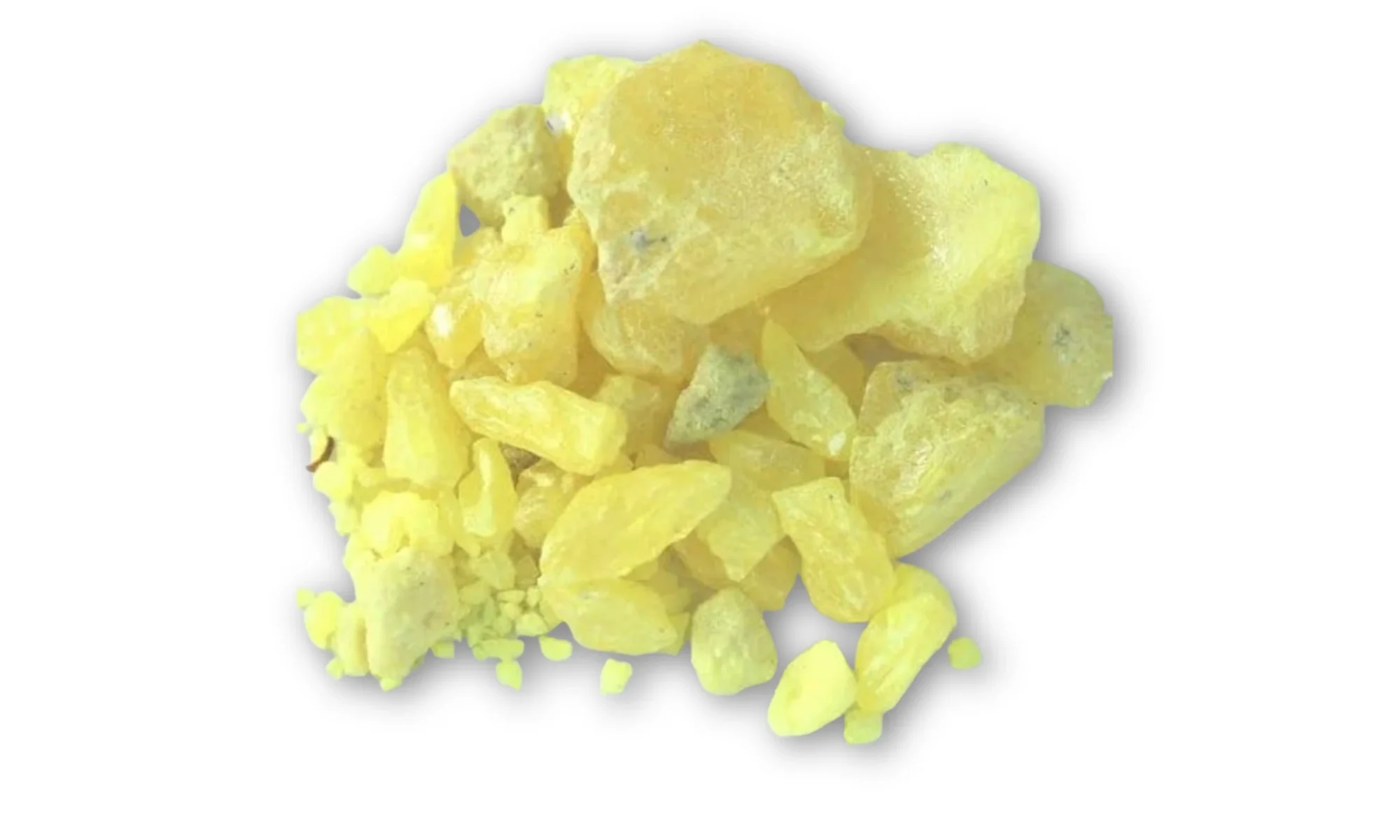
Gandhak Rasayan is a classical Ayurvedic herbo-mineral formulation primarily composed of purified sulfur (Shuddha Gandhaka). It is extensively used in Rasayana therapy for rejuvenation and in the management of various skin disorders, respiratory conditions, and metabolic imbalances. The formulation undergoes repeated purification and processing (Bhavana) with herbal juices, enhancing its therapeutic efficacy and reducing toxicity.
Scientific Classification (for main ingredient – Sulfur)
- Kingdom: Mineral
- Chemical Nature: Non-metal
- Element: Sulfur
- Symbol: S
- Atomic Number: 16
- Category: Chalcogen
Common Names
- English: Purified Sulfur Formulation
- Sanskrit: Gandhaka Rasayana
- Hindi: Gandhak Rasayan
- Gujarati: ગંધક રસાયણ
- Marathi: गंधक रसायन
- Tamil: கந்தக ரசாயனம்
- Telugu: గంధక రసాయనం
Traditional and Medicinal Uses
- Skin Disorders: Effective in managing eczema, psoriasis, acne, and fungal infections, Acts as a blood purifier (Raktashodhak) and improves skin complexion.
- Anti-aging and Rejuvenation: Functions as a Rasayana, promoting longevity and vitality. Helps improve immunity and tissue strength (Dhatu Pushti).
- Respiratory Health: Useful in chronic cough, asthma, and bronchitis due to its antimicrobial and anti-inflammatory actions.
- Digestive and Metabolic Support: Enhances digestive fire (Agni) and helps in managing indigestion. Supports detoxification and metabolism regulation.
- Antimicrobial and Anti-inflammatory Effects: Exhibits antibacterial, antifungal, and anti-inflammatory properties. Helps in reducing chronic infections and inflammation.
References
- Ayurvedic Pharmacopoeia of India (API), Government of India.
- Ras Tarangini – Sadananda Sharma.
- Bhaishajya Ratnavali – Rasayana Adhikara.
- Sharma, P.V. (2005). Dravyaguna Vijnana. Chaukhambha Bharati Academy.
- Nadkarni, K.M. (2009). Indian Materia Medica. Popular Prakashan.
- Govindarajan, R., et al. (2007). “Pharmacological evaluation of sulfur in traditional medicine.” Journal of Ethnopharmacology.
- Indian Pharmacopoeia, Government of India.
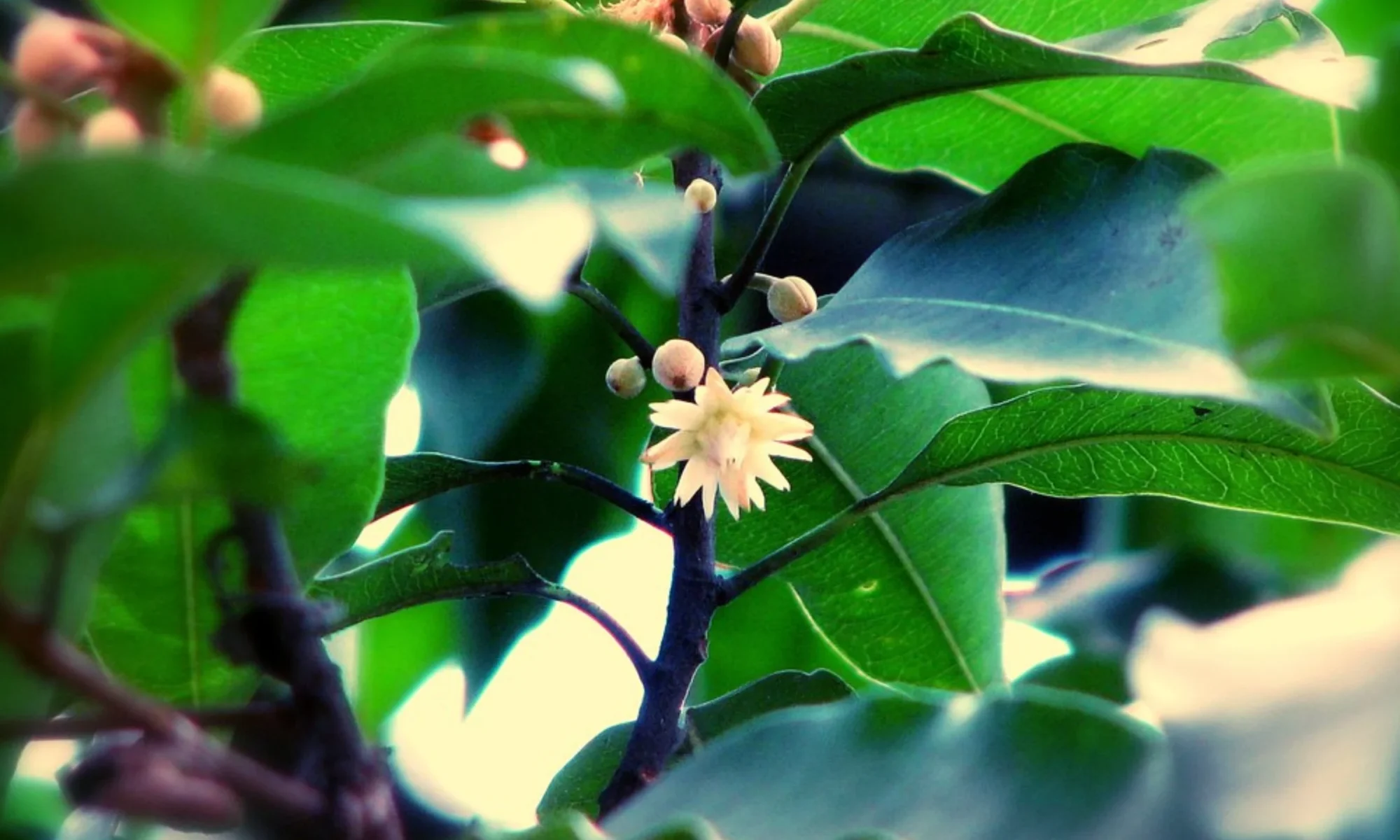
Bakul (Mimusops elengi L.) is an evergreen tree of the Sapotaceae family, valued in traditional medicine for its fragrant flowers, astringent bark, and edible fruit. Different parts of the plant such as flowers, bark, seeds, leaves, and fruits have traditionally been used in Ayurvedic and folk medicine. These plant components are valued for their tonic, astringent, cardiotonic, and expectorant properties. They are also widely used for maintaining oral and dental health in traditional herbal practices.
Scientific Classification
- Kingdom: Plantae
- Clade / Phylum: Angiosperms
- Clade / Class: Eudicots
- Order: Ericales
- Family: Sapotaceae
- Genus: Mimusops
- Species: Mimusops elengi L.
Common Names
- English: Bakul, Bullet wood, Spanish cherry, Indian medlar
- Sanskrit: Bakula, Maulsari / Maulsiri
- Hindi: बकुल (Bakul) / बकुली
- Bengali: বাকুল (Bakul)
- Tamil: பாகுல் (Pākul) / மெளல்சரி
- Telugu: బకుల్ (Bakul)
- Marathi: बकुळ (Bakul)
Traditional and Medicinal Uses
- Oral and dental care: Chewing the bark/twigs as a natural toothbrush; used for stomatitis, gingivitis, halitosis and spongy gums.
- Astringent / Antidiarrheal: Bark and fruit used as astringent; decoctions employed in diarrhea and dysentery.
- Cardiotonic and tonic: Used as a general tonic and cardiotonic in classical formulations.
- Respiratory uses: Flowers and preparations used as expectorant and in cough/asthma in folk practice.
- Wound healing & Anti-inflammatory: Topical use for wounds and anti-inflammatory preparations recorded in traditional reports.
References
- Ayurvedic Pharmacopoeia of India. Part I, Volume IV. Government of India, Ministry of Health & Family Welfare, Dept. of AYUSH. Monograph: Mimusops elengi L.
- Chopra, R. N., Nayar, S. L., & Chopra, I. C. (1956). Glossary of Indian Medicinal Plants. CSIR, New Delhi. (Entry: Mimusops elengi).
- Gami, B., et al. (2013). Mimusops elengi Linn. — A review on its ethnobotany, phytochemistry and pharmacology. Pharmacognosy Reviews / Journal of Ethnopharmacology (review article).
- Phytochemical and pharmacognostic review: Pharmacognostic standards and phytochemical profile for Mimusops elengi. Phytojournal. 2013; Vol.2(Issue 3): Part A — monographic/summary report.
- Shailajan, S., & co-authors. (2015). Pharmacognostic and phytochemical evaluation of Mimusops elengi flowers. Pharmacognosy Communications. 5(1):83–(pages).
- Comprehensive review: Mimusops elengi L.: A potential medicinal plant — phytochemistry and pharmacology. European International Journal of Pharmaceutical and Phytopharmacological Research (Review).
- Monograph / regulatory listings: Central Council of Indian Medicine / Indian pharmacopoeial listings and monographs relating to Mimusops elengi (relevant pharmacopeial entries and standards).
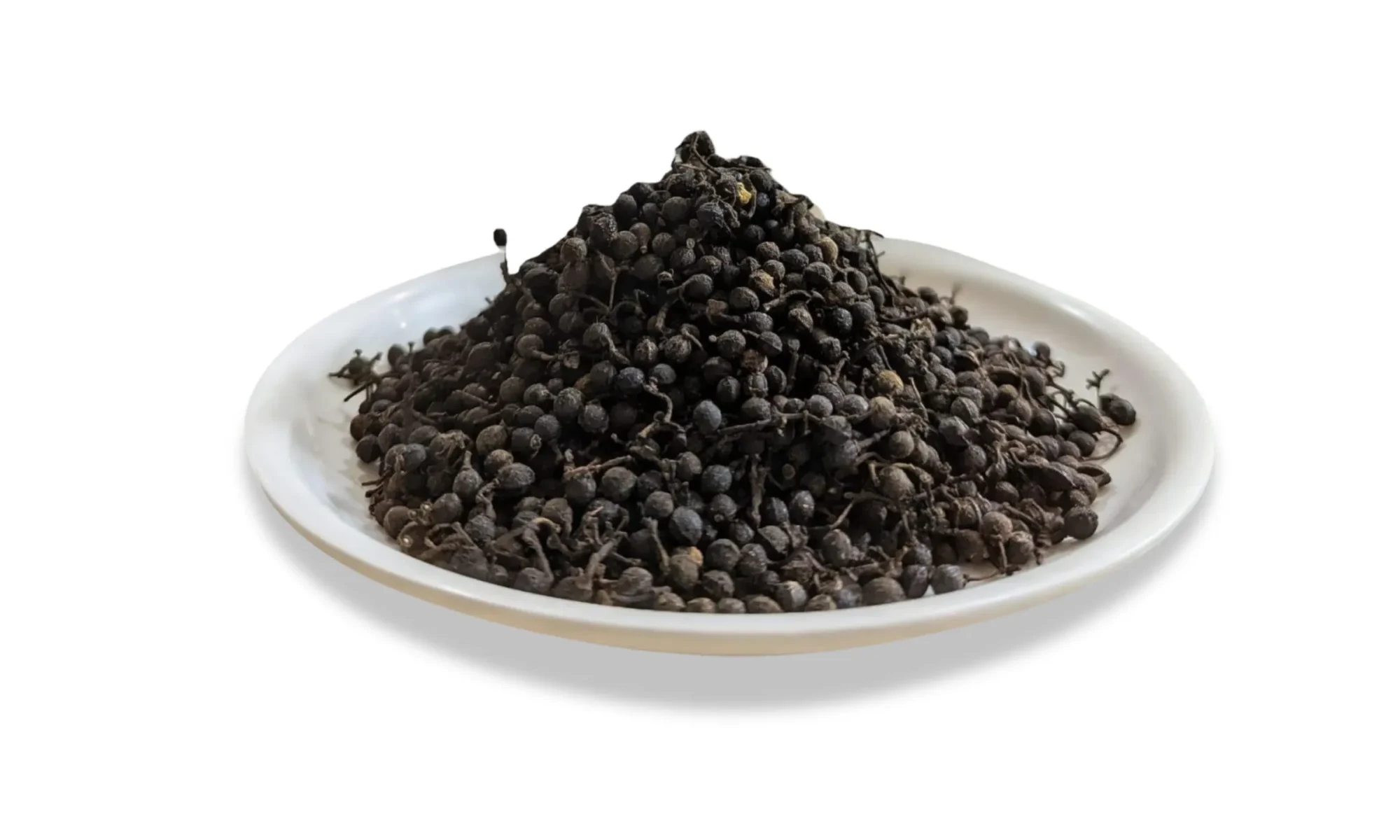
Piper cubeba L.f. (common name: Sheetal Chini or Cubeb; English: cubeb/tailed pepper) is a perennial woody climber cultivated for its aromatic dried fruits (berries with a small stalk). The dried berries are pungent, slightly bitter and aromatic; they are used as a spice and in traditional medicine for digestive, respiratory, urinary and reproductive complaints.
Scientific Classification
- Kingdom: Plantae
- Phylum: Angiosperms
- Class: Magnoliopsida
- Order: Piperales
- Family: Piperaceae
- Genus: Piper
- Species: Piper cubeba L.f.
Common Names
- English: Cubeb, Tailed pepper, Java pepper
- Hindi: Kabab Chini, Sheetal Chini, Kankola (regional)
- Sanskrit: Kankola / Kakkola
- Urdu/Arabic/Persian (traditional names): Kabābchīnī / Hab-el-arus (regional variants)
- Regional Indian names: (examples) Kakkol (Assamese), Kababcheni (Bengali), Tokamiriyalu (Telugu)
Traditional and Medicinal Uses
- Digestive Uses: Traditionally used as a stomachic and carminative, it helps support digestion and provides relief from indigestion, gas, flatulence, and dyspepsia. In traditional medicine, it has also been used to manage enteritis, diarrhea, and amoebic dysentery.
- Respiratory Uses: In traditional herbal formulations, it is valued for its antitussive and expectorant properties, helping to ease cough, bronchitis, and symptoms associated with asthma.
- Urinary & Reproductive Uses: Traditionally utilized for various genitourinary disorders, including cystitis, dysuria, and gonorrhoeal infections. In some traditional systems, it is also used as an emmenagogue to support menstrual health.
- Anti-inflammatory, Analgesic & Antimicrobial Uses: Widely used in folk and classical medicinal practices to help relieve rheumatic pain, general body aches, and inflammation. It is also valued for its pain-relieving and antimicrobial properties, which help support the management of infections.
References
- Drissi, B., Mahdi, I., Yassir, M., Ben Bakrim, W., Bouissane, L., & Sobeh, M. (2022). Cubeb (Piper cubeba L. f.): A comprehensive review of its botany, phytochemistry, traditional uses, and pharmacological properties. Frontiers in Nutrition.
- Ayurvedic Pharmacopoeia of India (API), Part I — Entry for Kankola (Piper cubeba L.f.). (Government of India; official pharmacopeial monograph describing botanical identity, part used, traditional actions and classical usage).
- Haribabu, K., et al. (2014). Hinokinin and other marker compounds from Piper cubeba; traditional uses and biological activities. (Review / article discussing phytochemistry and bioactivities).
- Kabābchīnī (Piper cubeba L.F.) — Review on Unani medicinal uses and pharmacological profile. (Recent review summarizing Unani/traditional uses and modern studies).
- Agrawal, N., et al. (2023). A review study on the multi-therapeutic potential of (-)-cubebin and related lignans from Piper cubeba. (Review summarizing lignan chemistry and pharmacology).
- Additional reviews and regional pharmacopeial/monograph sources summarizing essential oil composition, antimicrobial and anti-inflammatory activities (selected review articles and survey studies).
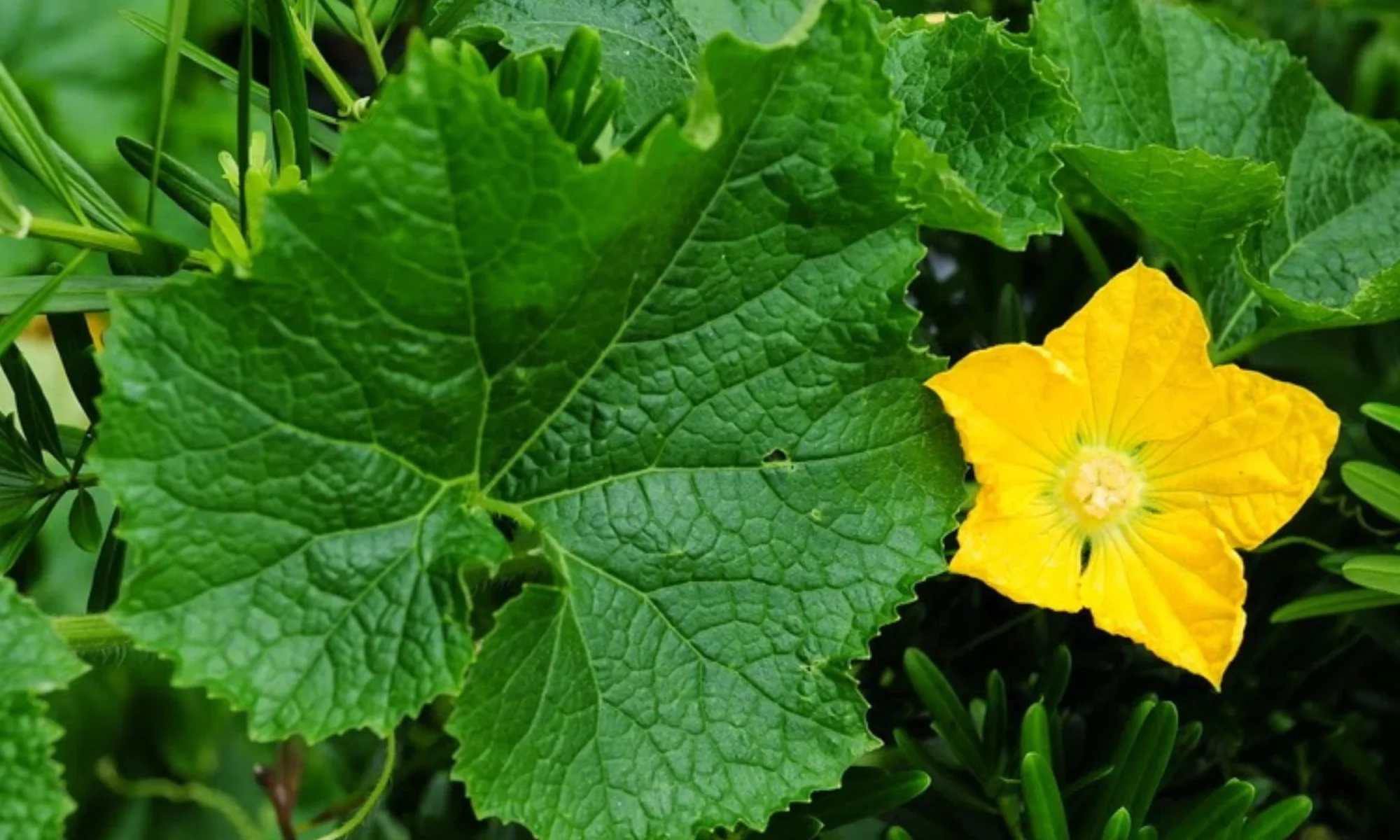
Kushmanda (Benincasa hispida (Thunb.) Cogn.) is a trailing or climbing cucurbit cultivated widely across South, East and Southeast Asia for its large, firm fruit used as a vegetable and in traditional medicine. The mature fruit commonly has a waxy coating (hence the name “wax gourd” or “winter melon”). In classical systems it is valued for its cooling, demulcent, diuretic and nutritive properties.
Scientific Classification
- Kingdom: Plantae
- Phylum / Clade: Angiosperms
- Class: Eudicots
- Order: Cucurbitales
- Family: Cucurbitaceae
- Genus: Benincasa
- Species: Benincasa hispida (Thunb.) Cogn.
Common Names
- English: Ash gourd, Winter melon, Wax gourd, White gourd, Pumpkin (regional)
- Sanskrit: Kuśmāṇḍa (Kushmanda)
- Hindi: Petha, Kushmanda
- Bengali: Kumra, Chalkumra
- Tamil: Neer Poosanikkai / Poosanikai
- Telugu: Budida Gummadi / Booragummadi
- Marathi: Kohala / Kohla
- Urdu: Petha / Pethā
Traditional and Medicinal Uses
- Cooling & Demulcent: Fruit pulp and juice traditionally used as a cooling demulcent to soothe gastric and mucosal irritation and to reduce excess heat (pitta) symptoms.
- Digestive Support: Employed to relieve hyperacidity, gastritis symptoms and as a mild digestive soother.
- Diuretic / Urinary Uses: Used to promote urine flow and in management of urinary complaints, including mild urinary retention and urolithic support in traditional practice.
- Respiratory Applications: Fruit preparations used as demulcent/expectorant for phlegmatic coughs and bronchial irritation in folk remedies.
- Anti-inflammatory / Antioxidant Uses: Traditionally used for inflammatory complaints; modern studies lend support to antioxidant and anti-inflammatory activities of extracts.
- Nutritional / Rejuvenative Uses: Used as a nutritive and hydrating food in convalescence and in classical tonic formulations.
References
- Ayurvedic Pharmacopoeia of India. Government of India, Ministry of Health and Family Welfare. Monograph: Kushmanda (Benincasa hispida). Ayurvedic Pharmacopoeia of India, Vol. IV.
- Islam MT, Nabi A, Roy S, et al. A literature-based update on Benincasa hispida (Thunb.): phytochemistry, pharmacology and traditional uses. Review article (peer-reviewed). 2021.
- Zhang M, Li X, Wang Y, et al. Ethnopharmacology, phytochemistry and pharmacology of Benincasa hispida: a comprehensive review. Review article. 2022.
- Pagare MS, Patil L, Kadam VJ. Benincasa hispida: A natural medicine. Research Journal of Pharmacy and Technology. 2011;4(12):1941–1944.
- Global Research Online / Phytochemical surveys: Phytochemical analysis reports summarizing flavonoids, sterols, saponins and polysaccharides from Benincasa hispida. (Phytochemical survey article / summary). 2015.
- Singh S. Pharmacological update on Benincasa hispida (Thunb.): recent phytochemical and pharmacological data. Review article. 2024.
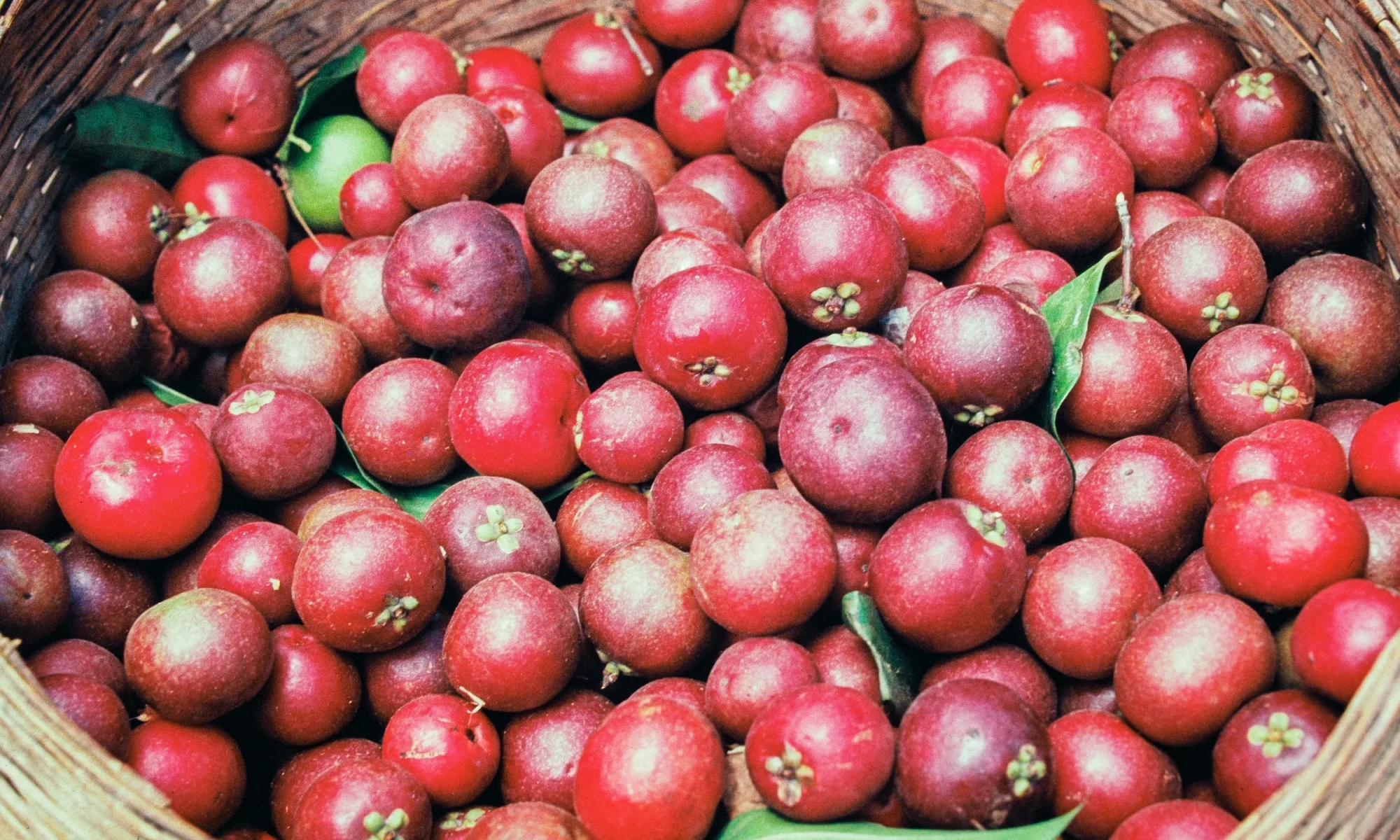
Kokum (Garcinia indica Choisy) is a small tropical evergreen tree native to India (primarily the Western Ghats). The dried ripe fruit rind is used as a souring agent and to prepare refreshing syrups; the seed yields kokum butter (a firm fat used in cosmetics and confectionery). Kokum has traditional culinary, cosmetic and medicinal uses and has been investigated for antioxidant, anti-inflammatory, anti-obesity and hepatoprotective activities.
Scientific Classification
- Kingdom: Plantae
- Phylum: Angiosperms
- Class: Eudicots (Magnoliopsida)
- Order: Malpighiales
- Family: Clusiaceae (Guttiferae)
- Genus: Garcinia
- Species: Garcinia indica Choisy
Common Names
- English: Kokum, Kokum butter tree, Wild mangosteen
- Sanskrit: Vṛkṣāmla (Vrikshamla)
- Hindi: Kokum, Ratamba (regional)
- Marathi / Konkani / Gujarati / Malayalam / Tamil / Telugu: Regional names include Ambaal/Amosole/Ratamba/Punarpuli/Murgal/Chinta (names vary by region)
Traditional and Medicinal Uses
- Digestive aid / acidulant: Rind used as a souring agent and digestive tonic.
- Cooling and hydration: Kokum sherbet/syrup consumed as a cooling summer beverage.
- Gastrointestinal complaints: Rind preparations used traditionally for diarrhoea, dysentery, gastric discomfort and as an antacid.
- Skin and wound care: Kokum butter (seed fat) applied topically to relieve dry skin, fissures and used in cosmetic formulations.
References
- Lim, S. H., Lee, H. S., Lee, C. H., & Choi, C.-I. (2021). Pharmacological activity of Garcinia indica (kokum): An updated review. Pharmaceuticals (Basel), 14(10), Article 1000.
- Padhye, S., Ahmad, A., Oswal, N., Sarkar, F. H., & others. (2009). Emerging role of garcinol, the antioxidant chalcone from Garcinia indica Choisy, and its synthetic analogs. Journal of Hematology & Oncology, 2:38.
- Baliga, M. S., Bhat, H. P., Pai, R. J., Boloor, R., & Palatty, P. L. (2011). The chemistry and medicinal uses of the underutilized Indian fruit tree Garcinia indica Choisy (kokum): A review. Food Research International, 44(7), 1790–1799. doi:10.1016/j.foodres.2011.01.064.
- Liu, C., Ho, P. C.-L., Wong, F. C.-H., Sethi, G., Wang, L. Z., & Goh, B. C. (2015). Garcinol: Current status of its anti-oxidative, anti-inflammatory and anti-cancer effects. Cancer Letters, 360(2), 216–226. doi:10.1016/j.canlet.2015.03.019.
- Jayaprakasha, G. K., & Sakariah, K. K. (2002). Determination of organic acids in leaves and rinds of Garcinia indica by liquid chromatography. Journal of Pharmaceutical and Biomedical Analysis, 28(2), 379–384.
- Kadam, M. P. V. (2012). Phytopharmacopoeial specifications of Garcinia indica fruit rinds. Phytopharmacopoeial Literature / Monograph.
- Ayurvedic Pharmacopoeia of India. (Relevant monograph entries for Vṛkṣāmla / Garcinia indica). Ministry of Ayush / Government of India.
- National Medicinal Plants Board (NMPB). Species monograph: Garcinia indica (kokum). Government of India.
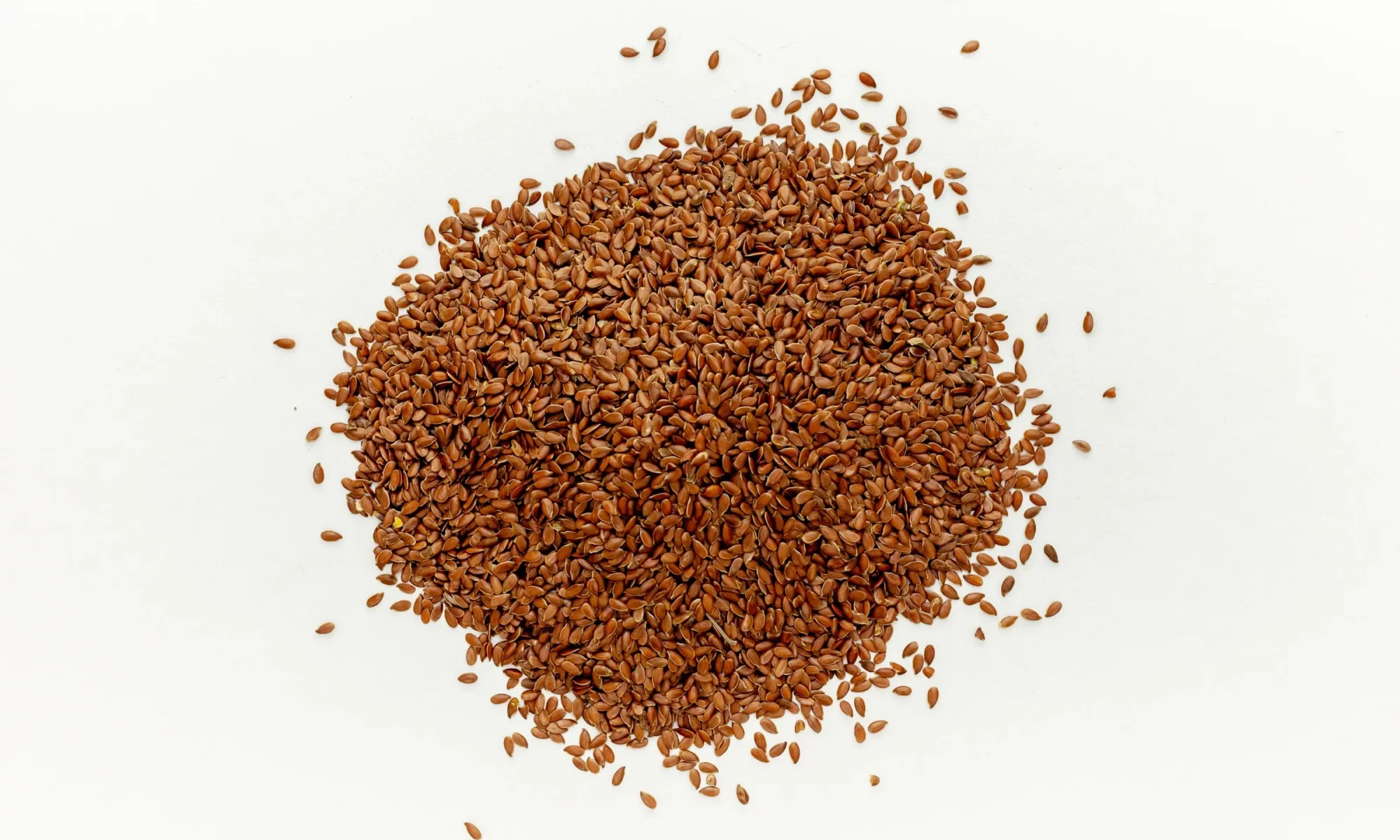
Flaxseed (Linum usitatissimum), commonly known as linseed, is one of the oldest cultivated crops in the world. Belonging to the Linaceae family, it is cultivated for its seeds and fiber. The seeds are rich in omega-3 fatty acids, lignans, and dietary fiber, making them valuable for both nutritional and medicinal purposes. Traditionally, flaxseed has been used for managing digestive issues, cardiovascular health, and inflammatory conditions.
Scientific Classification
- Kingdom: Plantae
- Phylum: Angiosperms
- Class: Eudicots
- Order: Malpighiales
- Family: Linaceae
- Genus: Linum
- Species: Linum usitatissimum
Common Names
- English: Flaxseed, Linseed
- Sanskrit: Atasi
- Hindi: Alsi
- Tamil: Ali vidai
- Telugu: Avise ginjalu
- Bengali: Tisi
- Marathi: Javas
Traditional and Medicinal Uses
- Digestive Health: Acts as a mild laxative, promoting bowel movement and easing constipation. The mucilage in the seed helps soothe the intestinal lining, providing relief in gastritis and ulcers.
- Cardiovascular Health: Regular consumption aids in maintaining blood pressure and reduces atherosclerotic risk.
- Hormonal and Reproductive Health: The phytoestrogens (lignans) in flaxseed help balance hormones and may reduce symptoms of menopause.
- Skin and Wound Healing: Topical application of flaxseed oil is used in traditional medicine to promote wound healing and soothe skin irritation.
References
- Ayurvedic Pharmacopoeia of India (API), Govt. of India.
- Weiss, E.A. (1983). Oilseed Crops. Longman, London.
- Chopra, R.N., Nayar, S.L., & Chopra, I.C. (1956). Glossary of Indian Medicinal Plants. CSIR, New Delhi.
- Oomah, B.D. (2001). “Flaxseed as a functional food source.” Journal of the Science of Food and Agriculture, 81(9), 889–894.
- Goyal, A., Sharma, V., Upadhyay, N., Gill, S., & Sihag, M. (2014). “Flax and flaxseed oil: An ancient medicine & modern functional food.” Journal of Food Science and Technology, 51(9), 1633–1653.
- Kajla, P., Sharma, A., & Sood, D.R. (2015). “Flaxseed—A potential functional food source.” Journal of Food Science and Technology, 52(4), 1857–1871.
- European Pharmacopoeia, 10th Edition, Council of Europe.
- World Health Organization (WHO) Monographs on Selected Medicinal Plants, Volume 2 (2002).



 My Account


