Free Shipping On Above Order Value Rs. 500

Chavak

chavak

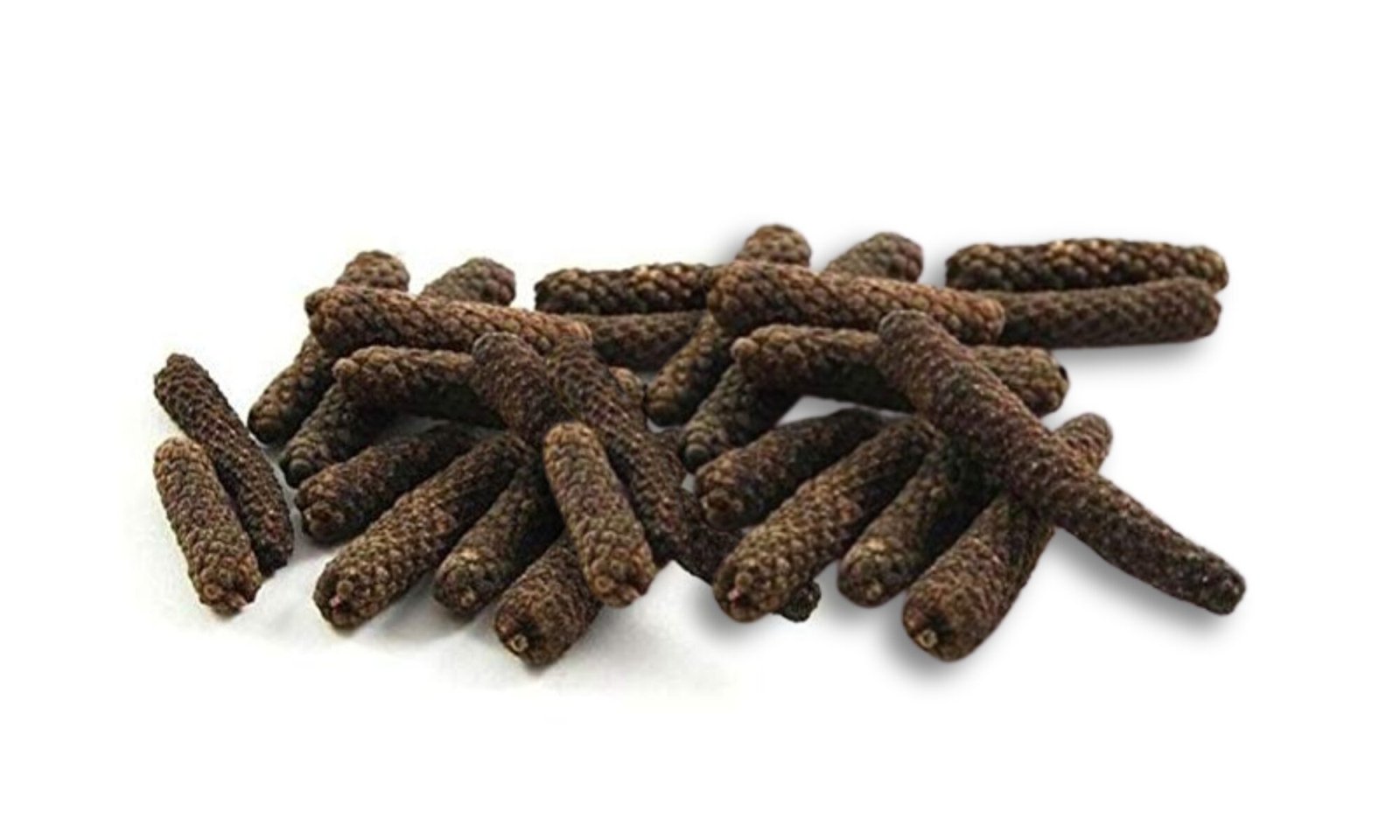
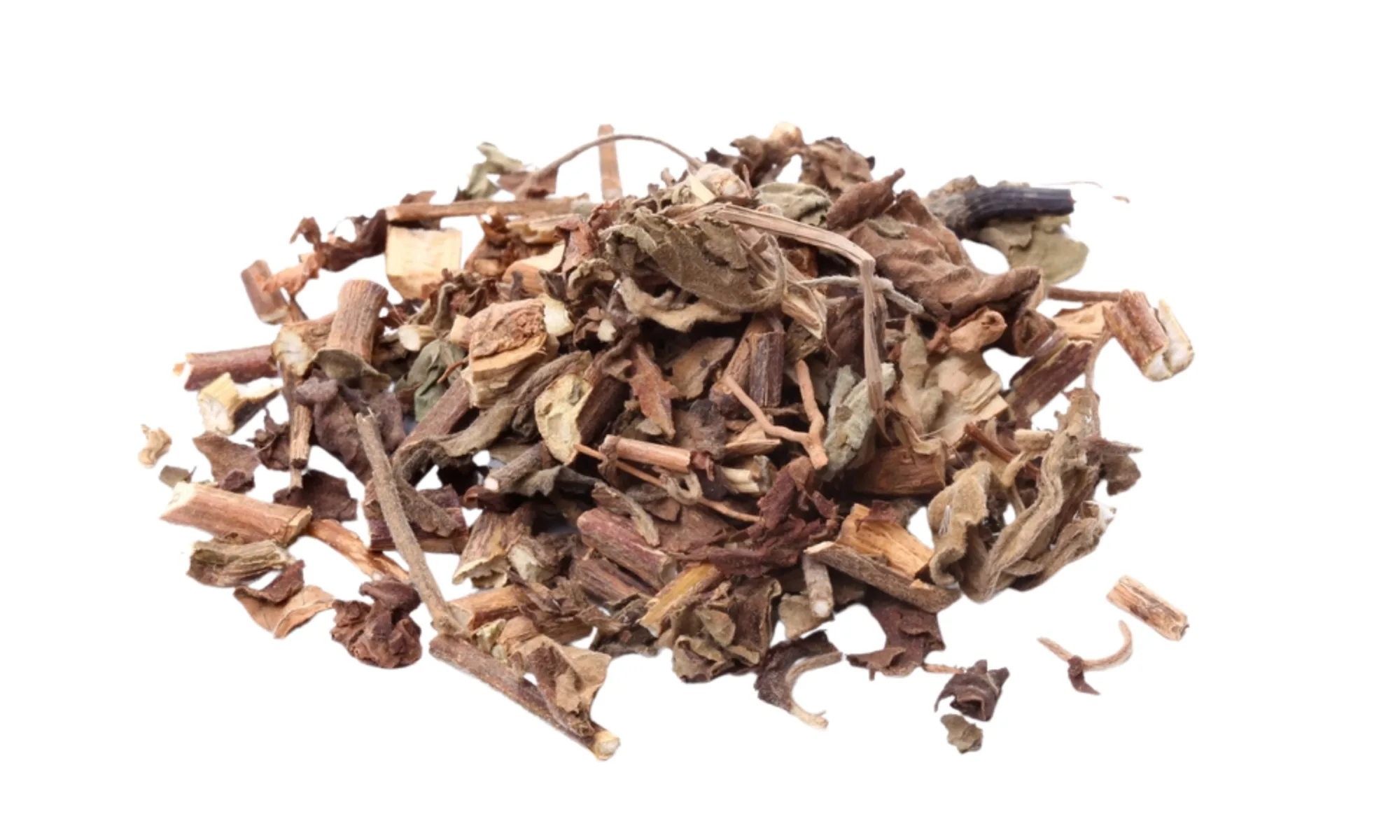
Chavak (also called Chavya or Chaba) is a pungent medicinal and spice plant traditionally used in Ayurveda and folk medicine. It is a climbing vine valued for its dried fruit and roots, which are used both as a culinary spice and a medicinal herb for digestive balance, respiratory support, and general wellness. In Ayurveda, it is often included in formulations such as Trikatu due to its warming and pungent properties.

Scientific Classification

  • Kingdom: Plantae
  • Order: Piperales
  • Family: Piperaceae
  • Genus: Piper
  • Species: Piper retrofractum Vahl
  • Synonyms: Piper chaba Hunter, Piper officinarum (Miq.) C. DC.

Common Names

  • English: Chavak, Java long pepper, Javanese long pepper
  • Sanskrit: चविका (Chavika)
  • Hindi: चव्या (Chavya), चवक (Chavak)
  • Gujarati: ચવક (Chavka)
  • Bengali: চই (Chei)
  • Malayalam: ചവക (Chavaka)
  • Telugu: చవ్యము (Chavyamu)

Traditional and Medicinal Uses

  • Digestive and Metabolic Support: Chavak has been traditionally used in Ayurveda for enhancing digestion (Deepana) and helping appetite stimulation (Rochana). It supports the digestive fire (Agni) and helps relieve bloating and indigestion.
  • Respiratory Support: In folk remedies, Chavak is used as part of herbal blends for clearing respiratory congestion and supporting overall respiratory comfort.
  • Balancing Doshas: Chavak’s pungent and warming qualities help balance Kapha and Vata doshas while increasing Pitta due to its heating nature.
  • Culinary and Spice Use: Apart from medicinal applications, Chavak fruits/roots are used as a pungent spice in traditional dishes, particularly in Southeast Asian and South Asian cuisines.

Phytochemical Constituents

  • Alkaloids: Piperine, Piplartine, Chabamide
  • Sterols: β-Sitosterol
  • Amides and Phenolics: Phenylpropanoid derivatives & amide glucosides
  • Flavonoids, Saponins, Tannins
  • Essential Oils: Present in fruits and stems, contributing to aromatic and antimicrobial activity

References

  • Ayurvedic Pharmacopoeia of India (API), Govt. of India.
  • Charaka Samhita, Sushruta Samhita, Classical Ayurvedic Texts.
  • Lalekiya, T., Wardani, N.K.S.L. (2021). A review of phytochemical and pharmacological studies of Piper retrofractum Vahl. Journal Pharmaceutical Science and Application.
  • Mishra, S.S. (1964). Phytochemical Investigation of Piper chaba. Phytochemistry.
  • Islam, M.T. et al. (2020). Chemical profile, traditional uses and biological activities of Piper chaba. Journal of Ethnopharmacology.
  • Peer-reviewed phytochemical and pharmacological studies on Piper retrofractum and related Piperaceae species, PubMed and ScienceDirect databases.

Vavding (Embelia ribes)

Vavding (Embelia ribes)

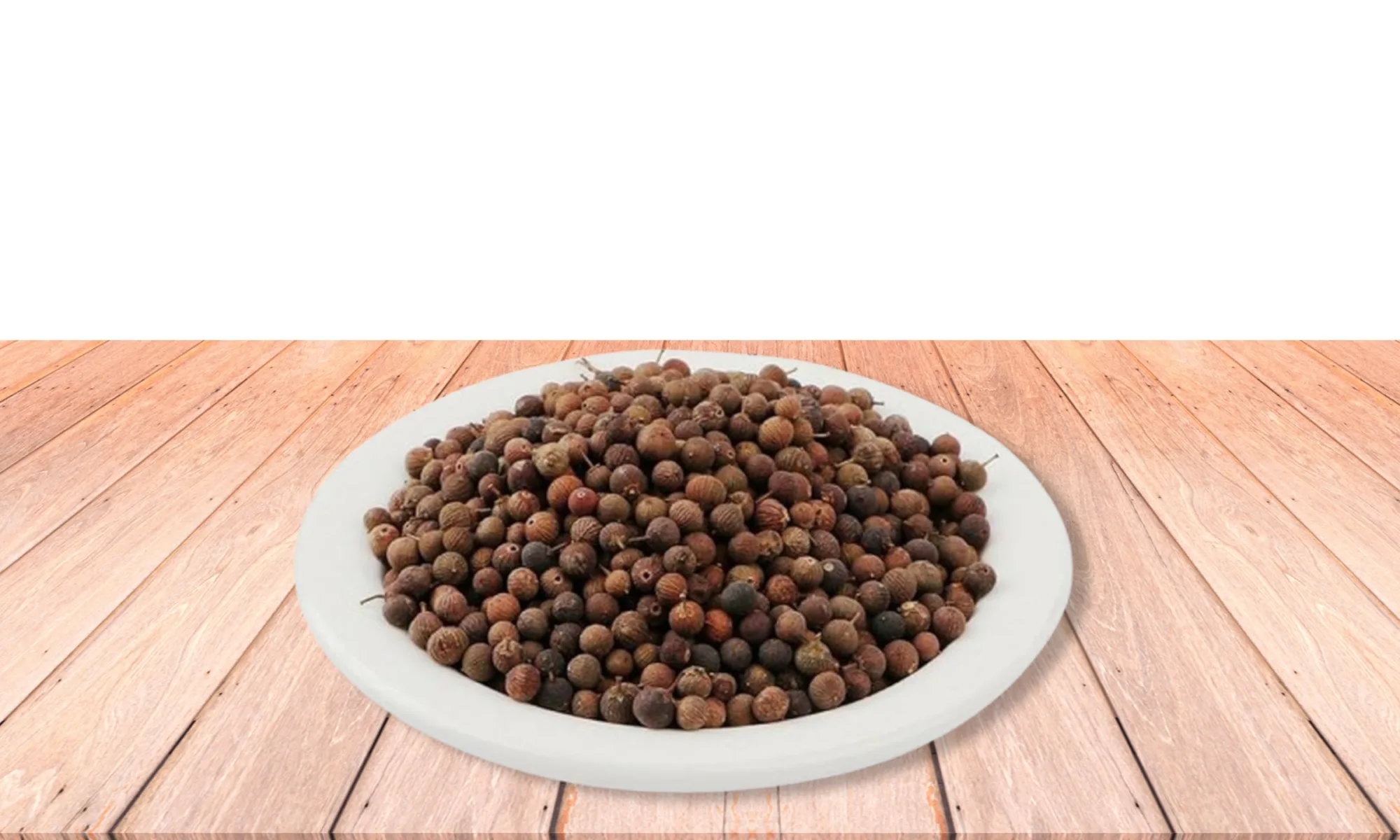
Vavding (Embelia ribes) is a climbing shrub known for its small black berries, traditionally used in Ayurvedic and Siddha medicine. It belongs to the Primulaceae family and is native to India and Southeast Asia. The dried fruits are primarily used for their anthelmintic, digestive, and antimicrobial properties and are a key ingredient in classical formulations like Vidanga churna.

Scientific Classification

  • Kingdom: Plantae
  • Phylum: Angiosperms
  • Class: Eudicots
  • Order: Ericales
  • Family: Primulaceae
  • Genus: Embelia
  • Species: Embelia ribes Burm. f.

Common Names

  • English: False Black Pepper
  • Sanskrit: Vidanga
  • Hindi: Vavding
  • Tamil: Vaivilangam
  • Telugu: Vaividangamu
  • Bengali: Babrang
  • Marathi: Vavding
  • Kannada: Vayuvidanga

Traditional and Medicinal Uses

  • Anthelmintic Action – Widely used to expel intestinal worms and parasites, especially in pediatric formulations.
  • Digestive Aid – Enhances digestion and appetite, commonly used in formulations for indigestion, flatulence, and abdominal discomfort.
  • Antimicrobial Properties – Effective against infections caused by bacteria and fungi.
  • Skin and Reproductive Health – Used in managing skin disorders, including acne and ringworm, Beneficial in reproductive health, especially for spermatogenesis and ovulation balance.
  • Phytochemical Constituents

    The therapeutic actions of Embelia ribes are attributed to a wide array of bioactive compounds:

    • Alkaloids: Embelin (primary active compound)
    • Phenolic compounds: Embelin, Ribesin
    • Flavonoids: Quercetin, Kaempferol
    • Fatty acids: Linoleic acid, Oleic acid
    • Sterols: β-Sitosterol
    • Tannins: Polyphenols with antioxidant action

    References

    The Ayurvedic Pharmacopoeia of India, Part I, Volume IV, Govt. of India, Ministry of AYUSH.

    Chopra, R.N., Nayar, S.L., & Chopra, I.C. (1956). Glossary of Indian Medicinal Plants. CSIR, New Delhi.

    Prajapati, N.D., Purohit, S.S., Sharma, A.K., Kumar, T. (2003). A Handbook of Medicinal Plants: A Complete Source Book. Agrobios.

    Khare, C.P. (2007). Indian Medicinal Plants: An Illustrated Dictionary. Springer.

    M. Duwiejko & M. Dondua (2001). “Chemical and pharmacological properties of Embelia ribes.” Fitoterapia, 72(4), 384–385.

    Ghosal, S. (1985). “Active principles of Indian medicinal plants: Part 10—Embeline and related compounds.” Journal of Pharmaceutical Sciences, 74(5), 482–486.

    European Pharmacopoeia, 10th Edition, Council of Europe.

Black Pepper / Mari (Piper nigrum)

Black Pepper / Mari (Piper nigrum)

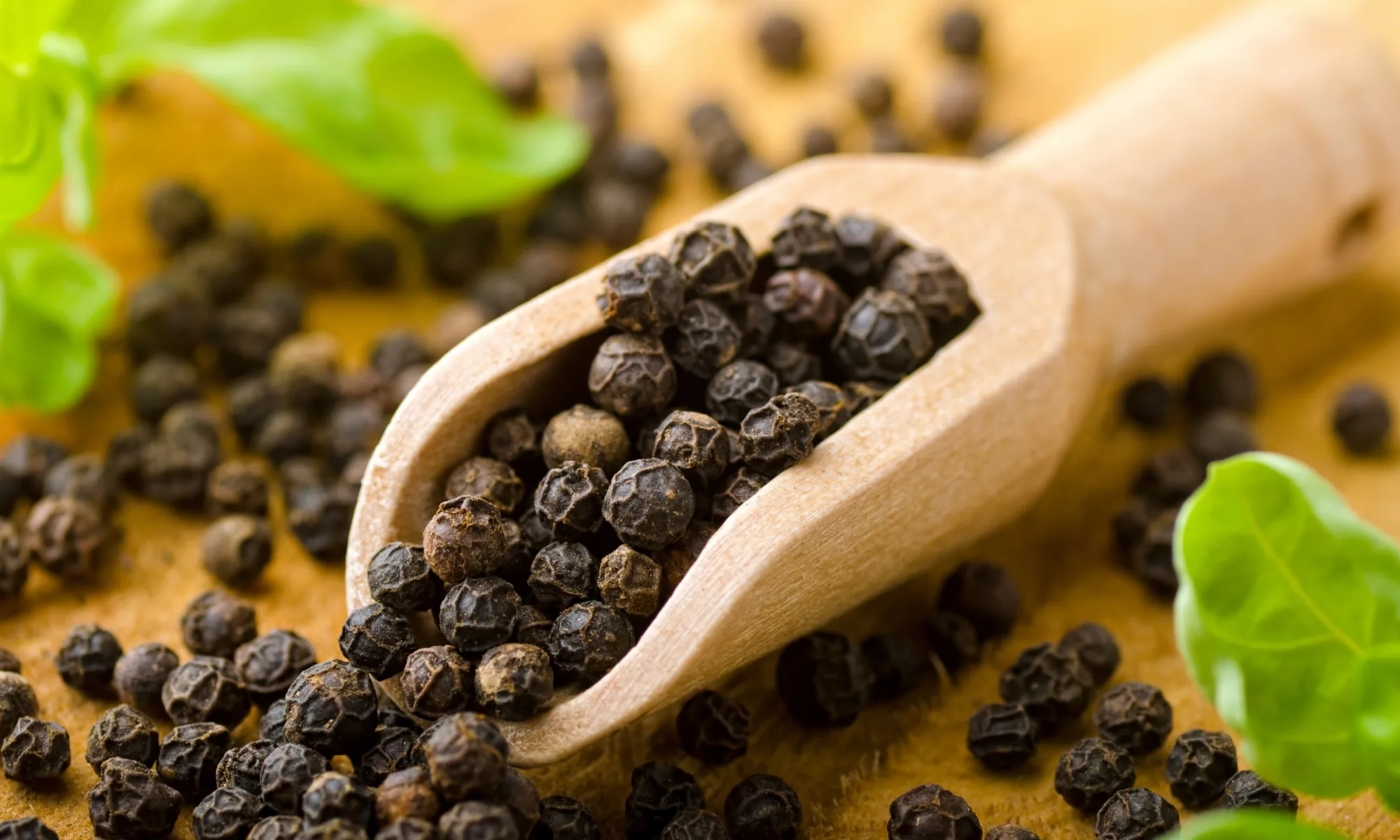
Black pepper (Piper nigrum), a globally popular spice, is celebrated for its sharp taste and distinctive aroma. It is made from the dried, immature berries of the Piperaceae family plant known as pepper. Beyond its culinary value, black pepper holds a significant place in Ayurveda, Siddha, Unani, and modern herbal medicine for its digestive, anti-inflammatory, and antimicrobial properties.

Black Pepper Scientific Name

  • Kingdom: Plantae
  • Phylum: Angiosperms
  • Class: Magnoliids
  • Order: Piperales
  • Family: Piperaceae
  • Genus: Piper
  • Species: Piper nigrum

Black Pepper Common Name

  • English: Black Pepper
  • Sanskrit: Maricha
  • Hindi: Kali Mirch
  • Tamil: Milagu
  • Telugu: Miriyalu
  • Bengali: Golmorich
  • Marathi: Mire

Black Pepper Uses

  • Digestive Stimulant – Stimulates digestive enzymes, improves appetite, and reduces indigestion, bloating, and flatulence.
  • Respiratory Health – Used in formulations for cough, asthma, and bronchitis; acts as a mucolytic and expectorant.
  • Metabolism Enhancer – Known to enhance bioavailability of other herbs (e.g., curcumin from turmeric) by promoting absorption.
  • Antipyretic and Analgesic – Traditional use in fever management and as a mild pain reliever.
  • Antimicrobial & Antioxidant – Exhibits strong antibacterial and antioxidant properties due to active alkaloids and essential oils.
  • Phytochemical Constituents

    The key bioactive compounds in Piper nigrum are responsible for its pharmacological effects:

    • Alkaloids: Piperine, Chavicine
    • Essential Oils: Limonene, Caryophyllene, Pinene
    • Phenolic Compounds: Flavonoids, Tannins
    • Others: Piperidine, Piperettine, Lignans

    References

    Ayurvedic Pharmacopoeia of India (API), Govt. of India, Vol. I, Part I.

    European Pharmacopoeia, 10th Edition, Council of Europe.

    Srinivasan, K. (2007). “Black pepper and its pungent principle—piperine: A review of diverse physiological effects.” Critical Reviews in Food Science and Nutrition, 47(8), 735–748.

    Pradeep, K., Kuttan, G., & Kuttan, R. (2002). “Anti-inflammatory activity of extract of Piper nigrum Linn.” Journal of Ethnopharmacology, 79(2), 297–298.

    Johri, R.K., & Zutshi, U. (1992). “An Ayurvedic formulation ‘Trikatu’ and its constituents.” Journal of Ethnopharmacology, 37(2), 85–91.

    Chopra, R.N., Nayar, S.L., & Chopra, I.C. (1956). Glossary of Indian Medicinal Plants. CSIR, New Delhi.

    Indian Herbal Pharmacopoeia (IHP), Revised Edition 2002, Indian Drug Manufacturers Association (IDMA).

Sunth-Adrak-Ginger (Zingiber officinale Roscoe)

Sunth (Zingiber officinale Roscoe)

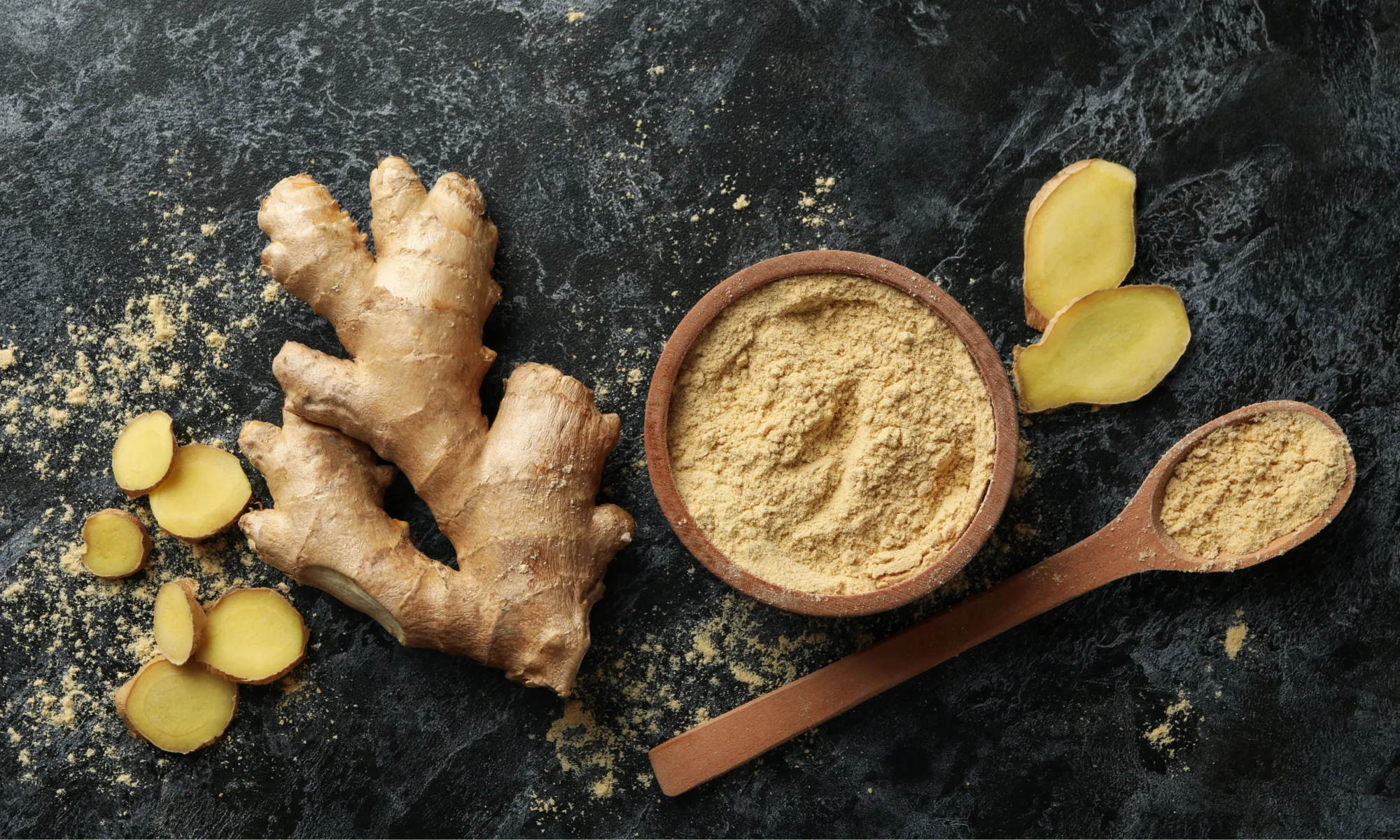
Sunth (Zingiber officinale Roscoe) refers to the dried rhizome of ginger, a widely used spice and medicinal herb in Ayurveda and other traditional systems of medicine. It is well-known for both its warming qualities and strong flavor. Sunth is highly valued for its anti-inflammatory, digestive, antiemetic, and antioxidant activities.

Dry Ginger Scientific Name

  • Kingdom: Plantae
  • Phylum: Angiosperms
  • Class: Monocots
  • Order: Zingiberales
  • Family: Zingiberaceae
  • Genus: Zingiber
  • Species: Zingiber officinale Roscoe

Common Names

  • English: Dry Ginger
  • Sanskrit: Sunthi / Nagara
  • Hindi: Sonth / Sounth
  • Tamil: Chukku
  • Telugu: Sonti
  • Bengali: Shunti
  • Marathi: Soonth

Daily Routine Uses of Sunth (Dry Ginger)

If you are looking for simple home uses or wondering how to use Sunth daily for better wellness, here are some easy ways to include it in your everyday routine. Sunth is a powerful herb that supports daily wellness, digestion, and immunity when consumed in small amounts regularly.

1. Sunth Warm Water

A popular daily wellness practice is drinking Sunth warm water every morning.
Mix ½ tsp Sunth powder in warm water to support:

  • Better digestion
  • Weight management
  • Healthy metabolism

This is one of the simplest ways for people searching for how to use Sunth daily in natural form.

2. Sunth Tea (Dry Ginger Tea)

For those who prefer simple home remedies, Dry Ginger Tea is excellent for:

  • Cold & cough
  • Throat irritation
  • Immunity boosting

It is one of the most effective and comforting daily wellness drinks.

3. Sunth with Honey

If you want a quick, natural home remedy, Sunth with honey is the best option.

  • Take ¼ tsp Sunth powder + 1 tsp honey twice daily.
  • This is a traditional solution for cough and helps clear the throat.

4. Sunth Milk (Warm Digestive Drink)

A warm cup of Sunth milk is ideal for people with:

  • Joint pain
  • Muscle stiffness
  • Slow digestion

This method is often recommended for daily wellness support, especially during winter.

Kitchen & Culinary Uses of Sunth

Sunth is widely used in Indian kitchens, and many people search for dry ginger uses in cooking or how to use dry ginger in the kitchen for flavor and health. It not only enhances taste but also improves digestion.

Popular Recipes Using Sunth

If you love experimenting with recipes with Sunth, here are the most common preparations:

  • Chai Masala (Tea Masala): Essential for strong flavor & warmth
  • Sonth ke Laddu: Perfect for winter strength
  • Khichdi & Dal Tadka: Helps improve digestion
  • Panjiri: Boosts energy & stamina
  • Indian Pickles (Achar): Enhances taste & shelf life

These dishes are perfect examples of dry ginger uses in cooking.

Unique Culinary Uses

Apart from regular dishes, here are unique ways to add Sunth to your daily food:

  • Used in Ayurvedic kadha
  • Added to winter drinks like herbal teas
  • Used in South Indian Rasam
  • Part of Garam masala
  • Added to detox water recipes

These simple techniques show how to use dry ginger in the kitchen for both taste and health benefits.

Traditional & Ayurvedic Uses of Sunth

  • Digestive Health – Acts as a powerful digestive stimulant and carminative, Helps treat indigestion, bloating, flatulence, and loss of appetite.
  • Anti-inflammatory and Analgesic – Used for joint pain, rheumatism, and arthritis due to its anti-inflammatory effects.
  • Respiratory Benefits – Helpful in cough, cold, bronchitis, and asthma by acting as an expectorant and mucolytic.
  • Antiemetic and Nausea Relief – Traditionally used to prevent nausea and vomiting, especially morning sickness and motion sickness.
  • Metabolic Booster – Used in weight management and metabolic disorders for its thermogenic action.

Phytochemical Constituents

Sunth contains various bioactive compounds that contribute to its pharmacological effects. The primary constituents include:

  • Gingerols: [6]-Gingerol (main bioactive in fresh ginger)
  • Shogaols: [6]-Shogaol (formed during drying process, more potent)
  • Zingerone
  • Paradols
  • Essential Oils: Zingiberene, β-Bisabolene, α-Farnesene
  • Flavonoids: Quercetin, Kaempferol
  • Others: Diarylheptanoids, Terpenes

Read More: Sunth (Zingiber officinale) Benefits in Ayurveda

References

  • Ayurvedic Pharmacopoeia of India, Part-I, Volume IV, Ministry of AYUSH, Govt. of India.
  • Bhavaprakasha Nighantu by Bhavamishra – Haritakyadi Varga.
  • Masuda, Y., et al. (2004). “Chemical studies on antioxidant mechanism of ginger constituents: Isolation of [6]-shogaol and characterization of its antioxidative activity.” Journal of Agricultural and Food Chemistry, 52(8), 2522–2527.
  • Ali, B. H., Blunden, G., Tanira, M. O., & Nemmar, A. (2008). “Some phytochemical, pharmacological and toxicological properties of ginger (Zingiber officinale): A review of recent research.” Food and Chemical Toxicology, 46(2), 409–420.
  • European Medicines Agency (EMA). “Assessment report on Zingiber officinale Roscoe, rhizoma.” EMA/HMPC/749348/2009
  • Ayurvedic Pharmacopoeia of India (API). Government of India, Ministry of AYUSH – Zingiber officinale Roscoe.
  • Sharma PV. Dravyaguna Vigyan, Vol. II – Chaukhamba Bharati Academy.
  • Kirtikar KR, Basu BD. Indian Medicinal Plants, Vol. III – International Book Distributors.
  • Nadkarni KM. Indian Materia Medica – Popular Prakashan.
  • Li X, et al. “Ginger (Zingiber officinale) in Digestive Health: A Review.” Journal of Ethnopharmacology, 2020.
  • Mashhadi NS, et al. “Anti-inflammatory and Antioxidant Effects of Ginger.” International Journal of Preventive Medicine, 2013.
  • Govindarajan V.S. “Ginger—Chemistry, Technology, and Quality Evaluation.” Critical Reviews in Food Science and Nutrition, 1982.

Bhringraj – Eclipta prostrata

Bhringraj - Eclipta prostrata

Eclipta alba (Bhringraj) is a small, creeping herb with white flowers and elongated leaves. It is commonly found in moist and tropical climates. Known as the “King of Hair”, it is traditionally used to promote hair growth, prevent premature graying, and strengthen hair follicles.

Bhringraj Scientific Names

  • Kingdom: Plantae
  • Phylum: Angiosperms
  • Class: Magnoliopsida
  • Order: Asterales
  • Family: Asteraceae
  • Genus: Eclipta
  • Species: Eclipta alba

Bhringraj Common Names

  • English: False Daisy
  • Sanskrit: Bhringraj, Kesharaj
  • Hindi: Bhangra, Bhringraj
  • Tamil: Karisilanganni
  • Telugu: Guntagalagara
  • Bengali: Bhringoraj
  • Marathi: Maka

Bhringraj Uses

  • Hair and Scalp Health – Stimulates hair growth and strengthens hair roots, Prevents premature graying and hair loss, Nourishes the scalp and reduces dandruff.
  • Liver Protection – Acts as a hepatoprotective agent, supporting liver detoxification, Aids in the treatment of jaundice and liver disorders.
  • Skin and Wound Healing – Possesses antimicrobial and anti-inflammatory properties, Used for skin infections, wounds, and eczema.
  • Brain and Nervous System Health – Acts as a nootropic that enhances memory and cognitive function, Helps reduce stress and anxiety.
  • Respiratory Health – Beneficial in asthma, bronchitis, and chronic cough, Acts as a natural expectorant.
  • Cardiovascular Health – Helps regulate blood pressure and cholesterol levels, Improves circulation and strengthens heart function.

Phytochemical Constituents

  • Alkaloids: Ecliptine
  • Flavonoids: Luteolin, Apigenin
  • Sterols: β-Sitosterol
  • Coumestans: Wedelolactone, Demethylwedelolactone
  • Tannins: Antioxidants
  • Triterpenes: Ursolic acid

References

Ayurvedic Pharmacopoeia of India (API), Govt. of India.

Bhavprakash Nighantu, Chapter on Herbal Remedies.

Sharma, R., & Gupta, A. (2019). “Phytochemistry and Therapeutic Applications of Eclipta alba: A Review.” Journal of Ethnopharmacology, 250, 112485.

European Pharmacopoeia, 10th Edition, Council of Europe.

Kumar, S., & Yadav, M. (2021). “Bhringraj (Eclipta alba): A Potential Herb for Liver and Hair Health.” International Journal of Herbal Medicine, 8(2), 45-52.

Chopra, R.N., Nayar, S.L., & Chopra, I.C. (1956). Glossary of Indian Medicinal Plants. CSIR, New Delhi.

Brahmi – Bacopa monnieri

Brahmi - Bacopa monnieri

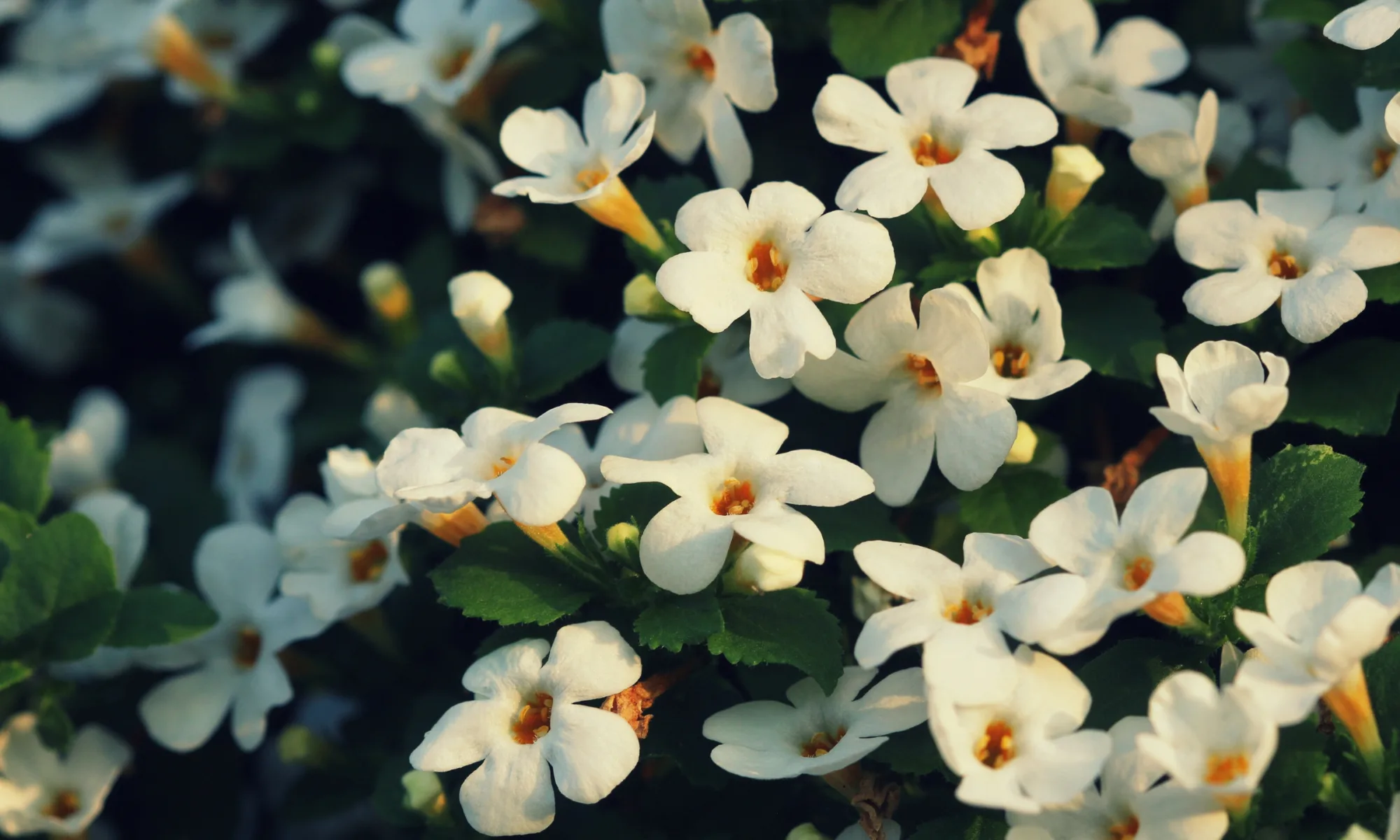
Brahmi (Bacopa monnieri) is a well-known herb in traditional medicine, particularly in Ayurvedic systems. Brahmi is highly valued for its ability to sharpen the mind, improve memory retention, and promote a calm, focused state. It’s often used to support mental agility, reduce stress, and enhance overall cognitive function. This herb grows in wet, marshy environments and is native to the Indian subcontinent, but it is now cultivated in many parts of the world.

Brahmi Scientific Names

  • Kingdom: Plantae
  • Phylum: Angiosperms
  • Class: Eudicots
  • Order: Lamiales
  • Family: Plantaginaceae
  • Genus: Bacopa
  • Species: Bacopa monnieri

Brahmi Common Names

  • English: Brahmi
  • Sanskrit: Brahmi
  • Hindi: Brahmi
  • Tamil: Vallarai
  • Telugu: Saraswati
  • Bengali: Brahmi
  • Marathi: Jivanti

Brahmi Uses

  • Cognitive Enhancement – Known as a nootropic, Brahmi is traditionally used to improve memory, learning capacity, and overall cognitive function.
  • Stress and Anxiety Reduction – Acts as an adaptogen, reducing the effects of stress and anxiety by balancing neurotransmitter levels in the brain.
  • Antioxidant and Anti-inflammatory Properties – Contains potent antioxidants, which help protect brain cells from oxidative stress, reducing inflammation and promoting brain health.
  • Antiepileptic Properties – Brahmi has been used in treating epilepsy and seizures due to its calming effects on the nervous system.
  • Skin Health – Traditionally, Brahmi is used to treat wounds and skin conditions due to its anti-inflammatory and healing properties.
  • Phytochemical Constituents

    Brahmi contains several bioactive compounds that contribute to its medicinal effects. Some of the key phytochemicals include:

    • Saponins: Bacopasides A, B, and C
    • Alkaloids: Brahmine, Herpestine
    • Flavonoids: Apigenin, Luteolin
    • Triterpenoids: Bacogenin A and B
    • Phenolic Acids: Caffeic acid, Chlorogenic acid>

    References

    Ayurvedic Pharmacopoeia of India (API), Govt. of India.

    Chopra, R.N., Nayar, S.L., & Chopra, I.C. (1956). Glossary of Indian Medicinal Plants. CSIR, New Delhi.

    Sahu, P.K., et al. (2013). “Pharmacological profile of Bacopa monnieri (L.) Wettst.: A review.” Journal of Ethnopharmacology, 150(3), 1370-1376.

    Aguiar, S., & Borowski, T. (2013). “Bacopa monnieri as a nootropic agent: A systematic review.” Pharmacology Biochemistry and Behavior, 111, 64-70.

    European Pharmacopoeia, 10th Edition, Council of Europe.

    Patocka, J., et al. (2013). “Bioactive compounds of Bacopa monnieri and their effects on human health.” Environmental Toxicology and Pharmacology, 35(3), 1074-1082.

Baheda – Terminalia bellirica

Baheda - Terminalia bellirica

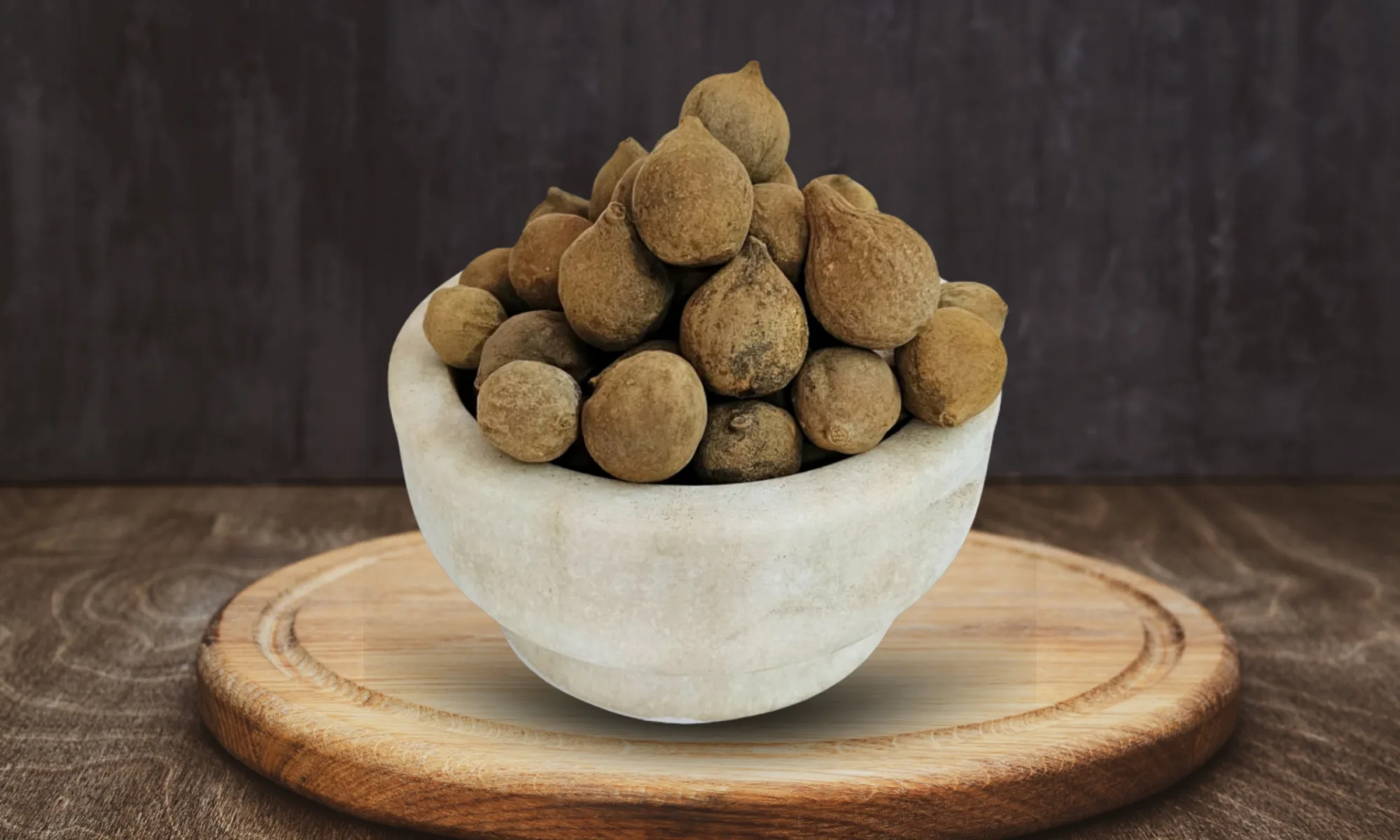
Baheda (Terminalia bellirica), also known as Bibhitaki, is a large deciduous tree native to Southeast Asia and widely used in Ayurvedic medicine. It is among the three key fruits that make up the famous Triphala blend. Baheda is traditionally valued for its rejuvenating, detoxifying, and antimicrobial properties, and is used in the treatment of respiratory, digestive, and eye disorders.

Baheda Scientific Names

  • Kingdom: Plantae
  • Phylum: Angiosperms
  • Class: Eudicots
  • Order: Myrtales
  • Family: Combretaceae
  • Genus: Terminalia
  • Species: Terminalia bellirica (Gaertn.) Roxb.

Terminalia bellirica Common Name

  • English: Beleric Myrobalan, Baheda
  • Sanskrit: Bibhitaki, Karshaphala
  • Hindi: Baheda
  • Tamil: Thandrikai
  • Telugu: Tani
  • Bengali: Bohera
  • Marathi: Behada

Terminalia bellirica Uses

  • Digestive Health – Acts as a mild laxative, helps relieve constipation and improves digestion.
  • Respiratory Relief – Beneficial in managing cough, asthma, and bronchitis due to its expectorant and anti-inflammatory effects.
  • Eye and Vision Support – Traditionally used as a rasayana (rejuvenative) to improve vision and eye strength.
  • Antimicrobial and Detoxifying – Exhibits antibacterial, antiviral, and antifungal properties, Known for liver detox and enhancing skin health.
  • Hair and Scalp Benefits – Powder used to support hair growth, prevent dandruff, and darken hair naturally.
  • Phytochemical Constituents

    Baheda contains multiple bioactive compounds contributing to its wide-ranging therapeutic effects:

    • Tannins: Gallic acid, Ellagic acid, Chebulagic acid
    • Lignans: Termilignan, Thannilignan
    • Flavonoids: Quercetin
    • Phenolic Compounds: Beta-sitosterol, Anolignan-B
    • Others: Saponins, Glycosides, and various fatty oils

    References

    Ayurvedic Pharmacopoeia of India (API), Part I, Vol. I, Govt. of India, Ministry of AYUSH.

    Sharma, P. V. (2000). Dravyaguna Vijnana, Vol. II, Chaukhambha Bharati Academy, Varanasi.

    Chopra, R. N., Nayar, S. L., & Chopra, I. C. (1956). Glossary of Indian Medicinal Plants, CSIR, New Delhi.

    Kiritikar, K.R., & Basu, B.D. (2005). Indian Medicinal Plants, Vol. III, Bishen Singh Mahendra Pal Singh, Dehradun.

    Singh, D. P., & Gupta, R. S. (2011). “Pharmacological potential of Terminalia bellirica: A review.” International Journal of Pharmacy and Life Sciences, 2(11), 1236-1245.

    Gupta, A., & Kumar, R. (2020). “A comprehensive review on phytochemistry and pharmacological activities of Terminalia bellirica.” Asian Journal of Pharmaceutical and Clinical Research, 13(5), 11-16.

    European Pharmacopoeia, 10th Edition, Council of Europe.

    WHO Monographs on Selected Medicinal Plants, Volume 4. World Health Organization, Geneva.

Amla – Indian Gooseberry

amla

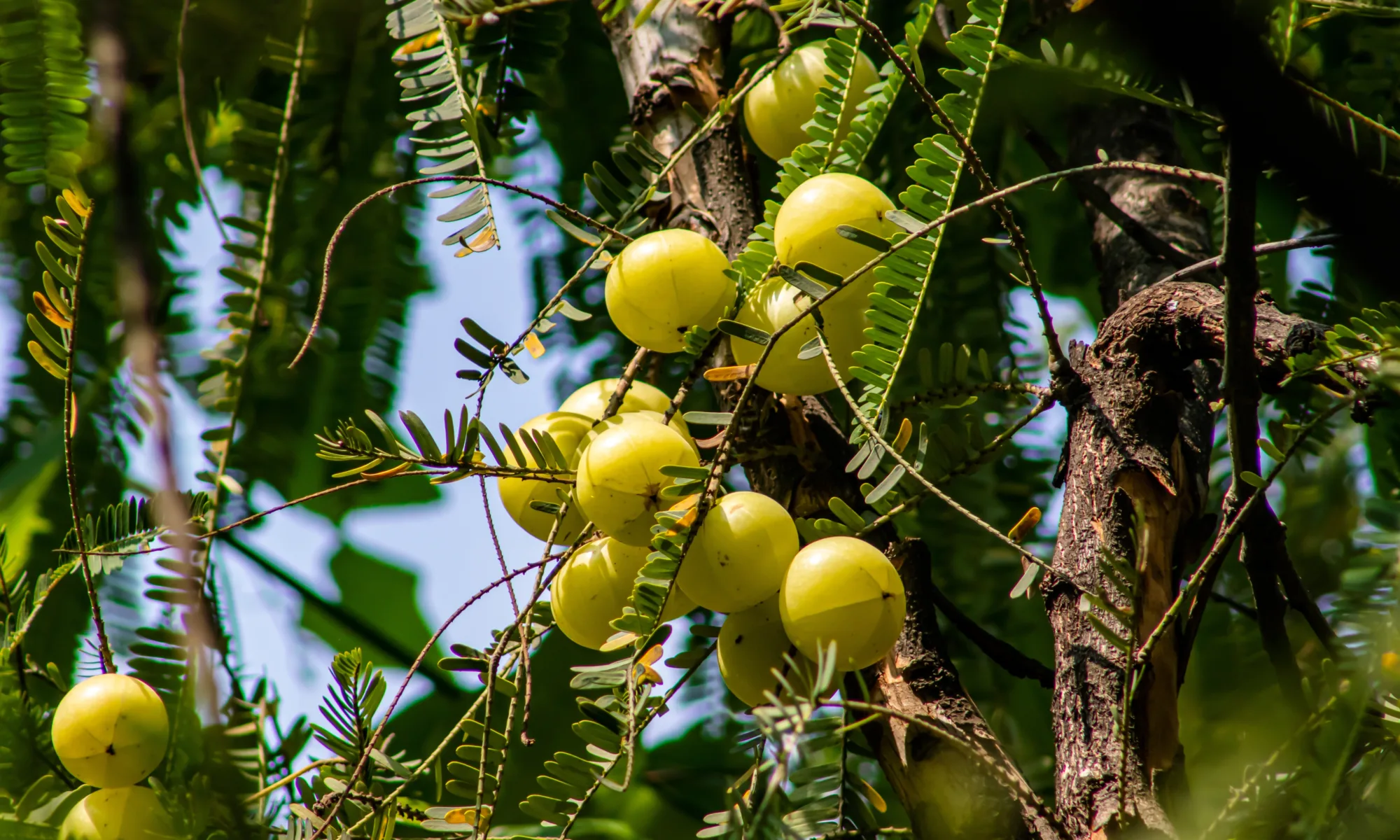
Amla (Phyllanthus emblica), commonly known as Indian Gooseberry, is a small, deciduous tree native to the Indian subcontinent. It belongs to the Phyllanthaceae family and is renowned for its rich vitamin C content. Amla has been utilized extensively in traditional medicine, especially in Ayurveda, for its various therapeutic properties. It is considered one of the most important herbs for promoting overall health, supporting the immune system, and enhancing skin, hair, and digestive health.

Amla Scientific Names

  • Kingdom: Plantae
  • Phylum: Angiosperms
  • Class: Eudicots
  • Order: Malpighiales
  • Family: Phyllanthaceae
  • Genus: Phyllanthus
  • Species: Phyllanthus emblica

Amla Common Names

  • English: Indian Gooseberry, Amla
  • Sanskrit: Amalaki, Dhatri
  • Hindi: Amla
  • Tamil: Nellikkai
  • Telugu: Usirikaya
  • Bengali: Amloki
  • Marathi: Amla
  • Malayalam: Nellikai

Daily Routine & Simple Home Uses

  • Fresh Amla Juice or Drink: Crush or blend fresh Amla fruit. Dilute in water (or warm water) and drink in the morning — supports immunity, digestion, and natural detox.
  • Amla Powder (Churna): Mix ½–1 teaspoon of Amla powder in warm water or an herbal drink daily for long-term wellness.
  • Amla Kadha / Herbal Decoction: Combine dried Amla pieces with herbs like ginger, cinnamon, or Tulsi; boil and sip as a tonic — helpful in seasonal wellness or to boost digestion.
  • Amla in Diet: Add pickled or raw Amla to meals. Amla murabba/candies are traditional, but fresh or lightly cooked Amla can also be part of everyday food.
  • Hair Oil / Mask: Use Amla-conditioned oil, or mix Amla powder with water or coconut oil to make a hair mask. This supports stronger, shiny hair.
  • Face Mask / Skin Use: Mix Amla powder with rose water or yogurt to make a gentle face pack. This helps brighten skin, regulate oil, and provide antioxidant protection.

Amla Uses

  • Immune System Boosting – Amla is rich in Vitamin C, which helps in strengthening the immune system and fighting infections.
  • Digestive Health – Known to improve digestion, Amla serves as a mild laxative, enhancing bowel movement and promoting gut health.Known to improve digestion, Amla serves as a mild laxative, enhancing bowel movement and promoting gut health.
  • Skin Health – Amla is commonly used in cosmetics for its ability to rejuvenate skin cells, reduce signs of aging, and treat pigmentation issues.
  • Hair Health – Regular consumption of Amla or its oil is believed to improve hair texture, reduce premature graying, and promote healthy hair growth.
  • Liver Health – Traditionally used as a detoxifier, Amla is thought to support liver function by promoting the excretion of toxins.
  • women health – Amla supports women’s health by balancing hormones, boosting lactation, and easing PCOS symptoms. It improves immunity, regulates periods, and nourishes the body with natural strength.

Phytochemical Constituents

Amla is rich in a variety of bioactive compounds that contribute to its medicinal properties. Key phytochemicals include:

  • Vitamin C (Ascorbic Acid)
  • Polyphenols: Gallic acid, Ellagic acid, Quercetin
  • Flavonoids: Rutin, Myricetin
  • Tannins: Emblicanin A, Emblicanin B
  • Minerals: Calcium, Phosphorus, Iron
  • Essential Oils: Terpenes, Fatty acids

References

  • Ayurvedic Pharmacopoeia of India (API), Govt. of India.
  • Sharma, P., & Sharma, S. (2015). “Pharmacological properties of Phyllanthus emblica (Amla) and its health benefits.” Journal of Ethnopharmacology, 160, 195-204.
  • Gupta, S., & Nair, A. (2012). “Amla (Indian gooseberry) as a therapeutic agent: A review.” Journal of Natural Products and Resources, 2(2), 148-154.
  • Chopra, R.N., Nayar, S.L., & Chopra, I.C. (1956). Glossary of Indian Medicinal Plants. CSIR, New Delhi.
  • “Phytochemical analysis and biological activities of Phyllanthus emblica.” (2019). Pharmacognosy Reviews, 13(25), 55-60.
  • World Health Organization (WHO). (2002). “Amla in the Treatment of Diabetes and Skin Disorders.” Traditional Medicine Use in South Asia.
  • “Phytochemistry and ethnomedicinal qualities of metabolites from Phyllanthus emblica L.” — ScienceDirect review.
  • PositiveHealth.com — “Amalaki: The Amazine Indian Gooseberry” describing immune, liver, digestive benefits.
  • Medicine.net — Overview of health benefits of amla powder.
  • WebMD — Indian Gooseberry uses & evidence.
  • DrShardaAyurveda.com — Traditional Ayurvedic use, preparation forms, and precautions.
  • Bimbima.com — Amla powder health benefits: digestion, skin, immunity, hair.
  • Dabur.com — Nutritional content, hair & skin uses, anti-aging benefits of Amla.

Follow us @polycareherbal

1
    1
    Your Cart
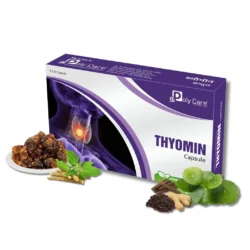
    thayomin capsule
    Thyomin capsule
    1 X Rs. 195.00 = Rs. 195.00