Free Shipping On Above Order Value Rs. 500

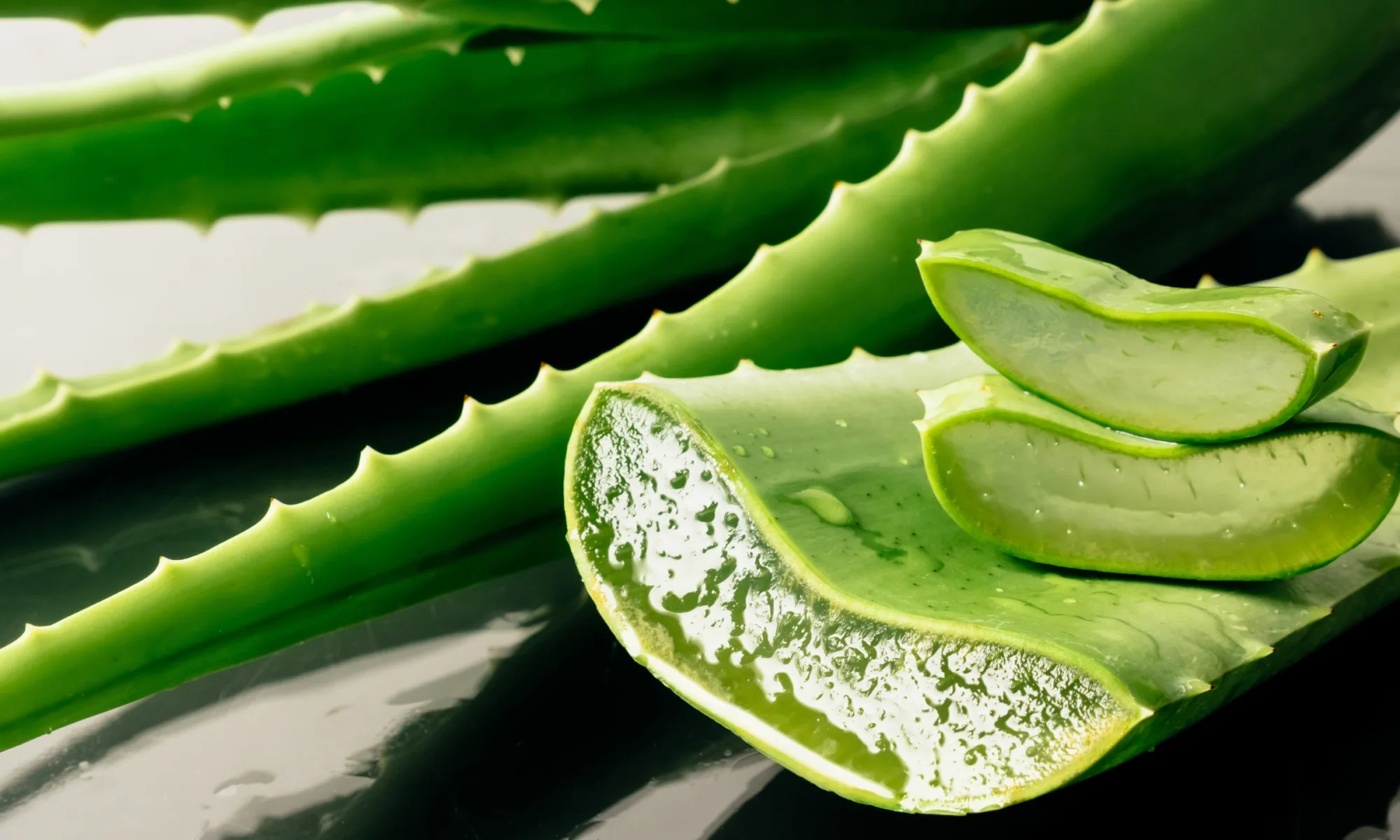
Aloe vera – Aloe barbadensis miller

aloe vera

Aloe vera is a succulent plant with thick, fleshy green leaves that contain a clear mucilaginous gel. It thrives in dry climates and is widely cultivated for cosmetic, medicinal, and nutritional purposes. Its soothing, anti-inflammatory, and moisturizing properties make it popular in both traditional medicine and modern pharmaceuticals.

Aloe vera Scientific names

  • Kingdom: Plantae
  • Phylum: Angiosperms
  • Class: Monocots
  • Order: Asparagales
  • Family: Asphodelaceae
  • Genus: Aloe
  • Species: Aloe barbadensis miller

Aloe vera Common Names

  • English: Aloe Vera, Burn Plant, Miracle Plant
  • Hindi: Gwarpatha
  • Sanskrit: Kumari
  • Gujarati: Kunvar Pathu
  • Tamil: Katrazhai
  • Malayalam: Kattaarvazha
  • Telugu: Kalabanda

Daily Routine & Wellness Uses of Aloe Vera

1. Early-Morning Aloe Vera Juice (Internal Cleanse)

Drink 10–15 ml fresh aloe vera gel blended with lukewarm water.
Helps with:

  • Gentle detox
  • Improving bowel movement
  • Cooling acidity
  • Supporting gut health

2. Aloe Vera Gel for Skin Glow (Daily Moisturiser)

Apply a thin layer of pure aloe gel on the face twice a day.
Benefits:

  • Soothes irritation
  • Hydrates dry skin
  • Reduces redness & inflammation
  • Supports natural glow

This is one of the most popular simple home uses of aloe vera.

3. Aloe Vera Hair Mask (Weekly Ritual)

Mix aloe gel with a few drops of coconut oil → apply from roots to ends.
Helps with:

  • Hair fall & dandruff
  • Dry scalp
  • Natural hair softness & shine
  • 4. Post-Sun Cooling Gel

    Apply aloe gel after sun exposure to reduce:

    • Heat
    • Redness
    • Sunburn
    • Skin irritation

    Perfect for daily wellness aloe vera care in hot climates.

    5. Aloe Vera for Digestion

    Consume ½ tsp aloe vera pulp before meals.
    Useful for:

    • Supporting digestion
    • Reducing bloating
    • Managing acidity

    6. Aloe Steam for Face Purification

    Add aloe gel in hot water → steam your face for 5 minutes.
    Great for:

    • Deep pore cleansing
    • Soothing acne-prone skin

    Culinary & Internal Uses of Aloe Vera

    Although not used heavily in everyday cooking, aloe vera is consumed in certain special preparations:

    1. Aloe Vera Juice Blends

    Common combinations:

    • Aloe + Amla
    • Aloe + Lemon
    • Aloe + Honey
    • Aloe + Mint (cooling drink)

    These drinks support hydration, skin health, digestion & detox.

    2. Aloe Vera Sharbat

    A gentle summer drink made with aloe gel, sugar syrup, and lemon.
    Popular for cooling and hydrating the body.

    3. Aloe Vera Herbal Mix

    Dried aloe resin (kumari) is used in Ayurvedic formulations for:

    • Digestive support
    • Liver health
    • Immune strength

    Topical & Skin Healing Uses

    1. Natural Skin Healer

    Aloe gel supports:

    • Minor cuts
    • Burns
    • Rashes
    • Itching
    • Dryness

    2. Acne Care

    Apply overnight for:

    • Reduced inflammation
    • Gentle hydration
    • Faster healing

    3. Anti-Aging Support

    Aloe vera improves:

    • Skin elasticity
    • Fine lines
    • Collagen support

    4. Pigmentation Lightening

    Brightens skin when used daily with:

    • Lemon
    • Rose water
    • Turmeric (very mild quantity)

    Hair & Scalp Benefits

    Aloe vera is naturally rich in vitamins A, C, E, and B12 — perfect for scalp nourishment.
    Daily/weekly use helps:

    • Reduce dandruff
    • Strengthen hair roots
    • Improve hair texture
    • Reduce frizz
    • Prevent breakage

    Women’s Wellness Uses

    Aloe vera is widely used in Ayurveda for:

    • Hormonal balance
    • Menstrual discomfort
    • Reproductive health
    • Cooling Pitta-related issues

    Aloe vera Uses

    • Skin Care and Wound Healing – Used traditionally for burns, cuts, and wounds due to its cooling and soothing effects, Accelerates healing of minor skin injuries and reduces inflammation.
    • Digestive Health – Aloe vera juice supports gut health, reduces acidity, and relieves constipation, Acts as a natural detoxifier.
    • Anti-Inflammatory & Antioxidant – Contains compounds that help reduce internal and external inflammation, Antioxidants support cellular health and immune system function.
    • Scalp and Hair Care – Nourishes the scalp, reduces dandruff, and promotes hair growth.
    • Immunity Booster – Boosts natural immunity by supporting liver function and improving digestion.
    • Diabetes Management – May help in regulating blood glucose levels in type 2 diabetes patients.

    Read More: Aloe Vera: The Ayurvedic Super Herb for Skin, Hair & Overall Wellness

    Phytochemical Constituents

    Aloe vera gel and latex contain numerous active compounds:

    • Polysaccharides: Acemannan (immunomodulatory and healing properties)
    • Anthraquinones: Aloin, Emodin (laxative and antimicrobial effects)
    • Saponins: Cleansing and antiseptic action
    • Enzymes: Alkaline phosphatase, Amylase, Lipase
    • Vitamins: A, C, E, B1, B2, B6, B12
    • Minerals: Calcium, Magnesium, Zinc, Selenium
    • Amino Acids: Essential and non-essential amino acids

    References

    • Ayurvedic Pharmacopoeia of India, Ministry of AYUSH, Govt. of India.
    • Bhavprakash Nighantu, Chapter on Herbal Remedies.
    • Eshun, K., & He, Q. (2004). “Aloe vera: A valuable ingredient for the food, pharmaceutical and cosmetic industries – A review.” Critical Reviews in Food Science and Nutrition, 44(2), 91–96.
    • Boudreau, M. D., & Beland, F. A. (2006). “An evaluation of the biological and toxicological properties of Aloe barbadensis (Miller), Aloe vera.” Journal of Environmental Science and Health Part C, 24(1), 103–154.
    • Surjushe, A., Vasani, R., & Saple, D. G. (2008). “Aloe vera: A short review.” Indian Journal of Dermatology, 53(4), 163–166.
    • European Medicines Agency. Community herbal monograph on Aloe barbadensis Miller and Aloe (various species), EMA/HMPC/535138/2009.
    • Bhavaprakasha Nighantu – Ayurveda classical text describing Ghritkumari as cooling, digestive, and rejuvenating.
    • Charaka Samhita – Sutrasthana & Chikitsa Sthana – Mentions Aloe as beneficial for digestion, skin, and women’s wellness.
    • Sushruta Samhita – Describes Aloe Vera as Vranashodhana (cleansing) & Vranaropana (healing).
    • Journal of Traditional and Complementary Medicine (2019) – Review highlighting Aloe Vera’s anti-inflammatory and skin-soothing potential.
    • International Journal of Phytomedicine (2020) – Notes Aloe Vera’s digestive support and antioxidant activity.
    • Phytotherapy Research (2019) – Study confirming Aloe polysaccharides for skin repair.
    • Skin Research & Technology Journal (2018) – Aloe gel as a natural moisturizer supporting skin barrier function.
    • Journal of Ethnopharmacology (2020) – Reviews antifungal and scalp-supportive benefits of Aloe Vera.
    • Natural Product Science (2021) – Notes antibacterial & hydrating effects beneficial for hair and skin.
    • Ayurvedic Formulary of India (AFI) – Lists Kumari as a key ingredient in numerous internal Ayurvedic formulations.
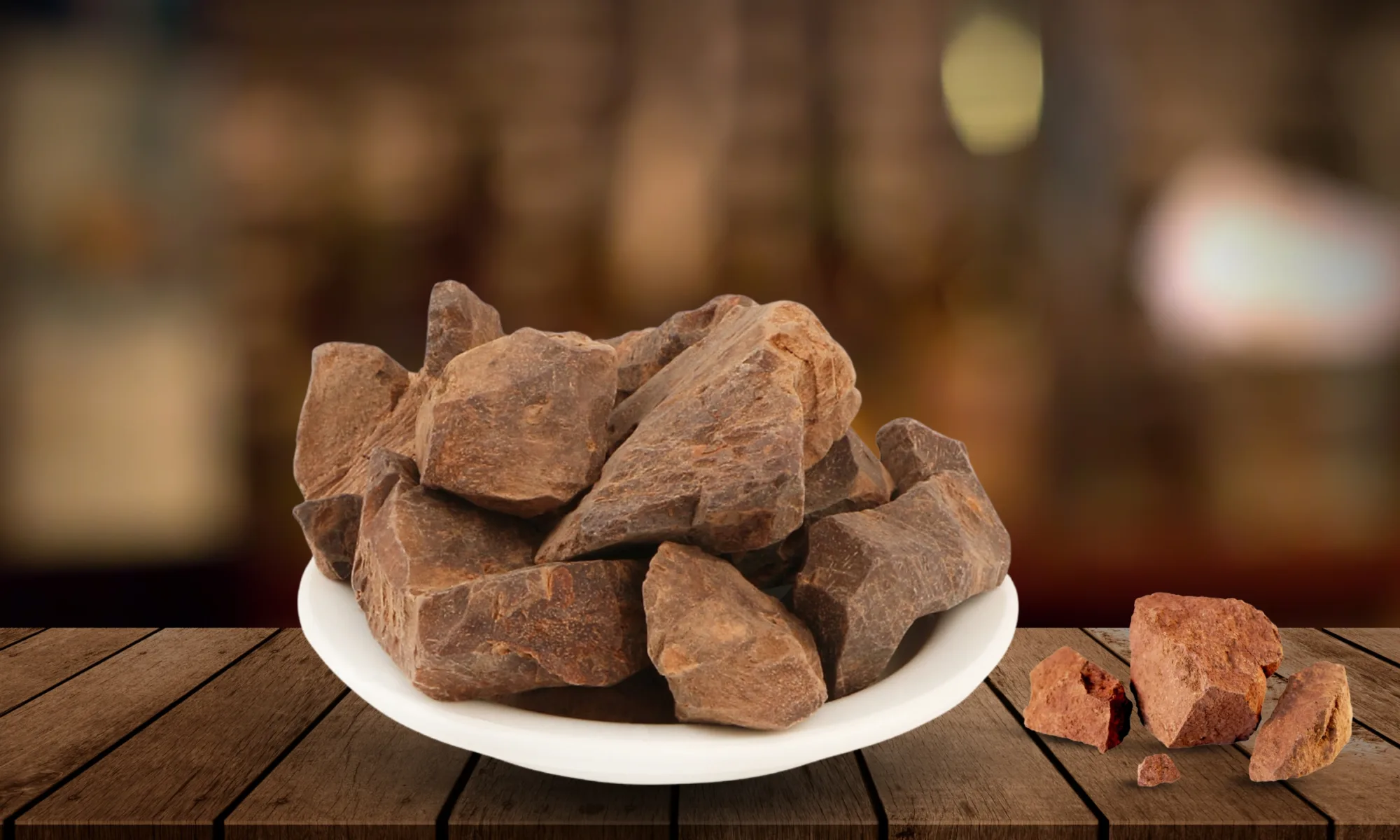
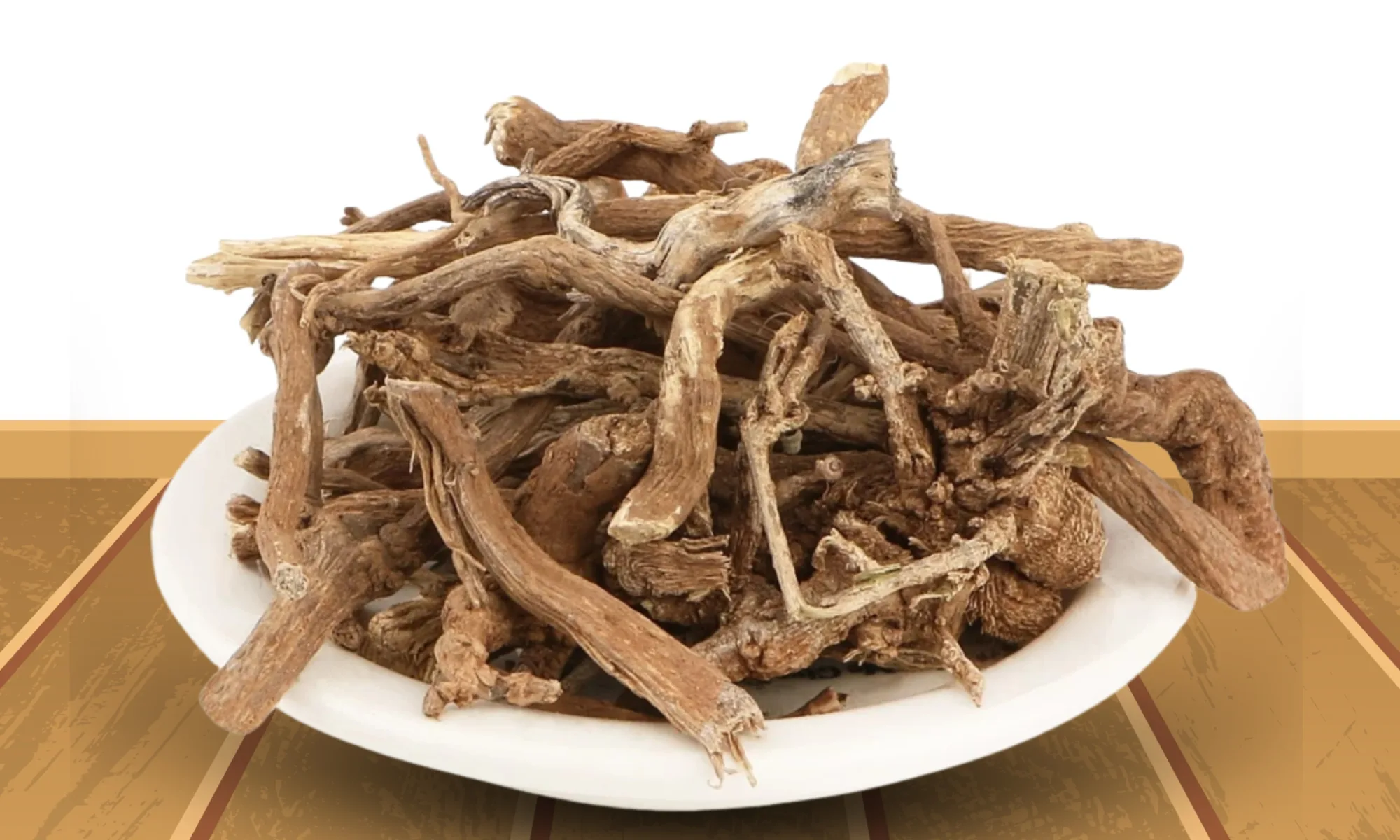
    Chopchini – Smilax glabra

    Chopchini - Smilax glabra

    Smilax china (Chopchini) is a woody climber with thorny stems and heart-shaped leaves. It produces red berries and is native to India, China, and Southeast Asia. It is known for its ability to purify the blood, manage joint disorders, and treat skin ailments.

    Chopchini Scientific Names

    • Kingdom: Plantae
    • Phylum: Angiosperms
    • Class: Monocots
    • Order: Liliales
    • Family: Smilacaceae
    • Genus: Smilax
    • Species: Smilax china

    Chopchini Common Names

    • English: China Root, Greenbrier
    • Sanskrit: Chopchzini, Chobchinvi
    • Hindi: Chopchini
    • Tamil: Seemai Kattuvalli
    • Telugu: Neggadigaddalu
    • Bengali: Chopchini
    • Marathi: Chopchini

    Chopchini Uses

    • Anti-Rheumatic and Anti-Inflammatory – Used in joint pain, arthritis, and gout treatment, Helps reduce swelling and inflammation.
    • Blood Purification and Detoxification – Acts as a natural blood cleanser, removing toxins, Beneficial in treating chronic skin diseases like eczema and psoriasis.
    • Anti-Diabetic Properties – Helps in regulating blood sugar levels, Supports pancreatic function and insulin balance.
    • Respiratory Health – Useful in treating chronic cough, bronchitis, and asthma, Acts as a natural expectorant.
    • Metabolic and Digestive Health – Aids digestion and reduces bloating and indigestion, Supports weight management and metabolism.
    • Sexual and Reproductive Health – Traditionally used as an aphrodisiac and fertility booster, Helps in managing hormonal imbalances.

    Phytochemical Constituents

    Chopchini contains bioactive compounds that contribute to its medicinal effects:

    • Alkaloids: Saponins, Diosgenin
    • Flavonoids: Quercetin, Rutin
    • Glycosides: Smilagenin
    • Steroids: Beta-Sitosterol
    • Tannins: Antioxidants
    • Terpenoids: Sapogenins

    References

    Ayurvedic Pharmacopoeia of India (API), Govt. of India.

    Bhavprakash Nighantu, Chapter on Herbal Remedies.

    Sharma, R., & Gupta, A. (2020). “Phytochemistry and Therapeutic Applications of Smilax china: A Review.” Journal of Ethnopharmacology, 255, 112784.

    European Pharmacopoeia, 10th Edition, Council of Europe.

    Kumar, S., & Yadav, M. (2021). “Chopchini (Smilax china): A Potent Anti-Inflammatory Herb.” International Journal of Herbal Medicine, 9(1), 38-50.

    Chopra, R.N., Nayar, S.L., & Chopra, I.C. (1956). Glossary of Indian Medicinal Plants. CSIR, New Delhi.

    Punarnava – Boerhavia Diffusa

    punarnava

    Boerhavia diffusa (Punarnava) is a spreading, creeping herb found in tropical and subtropical regions. It has small pinkish-red flowers and thick, fleshy roots. The name Punarnava means “the one that rejuvenates the body,” highlighting its role in restoring health and revitalizing organs.

    Punarnava Scientific Names

    • Kingdom: Plantae
    • Phylum: Angiosperms
    • Class: Magnoliopsida
    • Order: Caryophyllales
    • Family: Nyctaginaceae
    • Genus: Boerhavia
    • Species: Boerhavia diffusa

    Punarnava Common Names

    • English: Spreading Hogweed
    • Sanskrit: Punarnava
    • Hindi: Gadapurna, Sathi
    • Tamil: Mukarattai
    • Telugu: Atika Mamidi
    • Bengali: Punarnabha
    • Marathi: Ghetuli

    Punarnava uses

    • Kidney and Urinary Health – Acts as a diuretic, helping in urinary retention and kidney disorders, Supports the prevention of kidney stones.
    • Liver Protection – Helps in detoxifying the liver and treating jaundice, Supports fatty liver treatment by reducing liver enzyme levels.
    • Anti-inflammatory & Joint Pain Health – Reduces swelling and knee pain in arthritis and rheumatism, Possesses anti-inflammatory properties beneficial for chronic conditions.
    • Respiratory Health – Used in treating asthma, fiver, cough, and bronchitis, Acts as a bronchodilator and helps in clearing mucus.
    • Cardiovascular Health – Helps in regulating blood pressure, Supports reducing cholesterol levels.
    • Immunity Booster & Rejuvenation – Acts as a Rasayana (rejuvenating herb) in Ayurveda, Boosts overall immune system health.

    Phytochemical Constituents

    • Alkaloids: Punarnavine, Boeravinone
    • Flavonoids: Kaempferol, Quercetin
    • Steroids: β-Sitosterol
    • Phenolic Compounds: Lignans, Phenols
    • Glycosides: Punarnavoside
    • Tannins & Saponins: Natural detoxifiers

    References

    Ayurvedic Pharmacopoeia of India (API), Govt. of India.

    Bhavprakash Nighantu, Chapter on Herbal Remedies.

    Patel, D.K., & Kumar, R. (2020). “Phytochemistry and Pharmacological Properties of Boerhavia diffusa: A Review.” Journal of Ethnopharmacology, 248, 112354.

    European Pharmacopoeia, 10th Edition, Council of Europe.

    Sharma, R., & Singh, V. (2018). “Punarnava (Boerhavia diffusa): A Potent Herbal Drug for Liver and Kidney Disorders.” Asian Journal of Pharmaceutical Sciences, 13(2), 78-88.

    Chopra, R.N., Nayar, S.L., & Chopra, I.C. (1956). Glossary of Indian Medicinal Plants. CSIR, New Delhi.

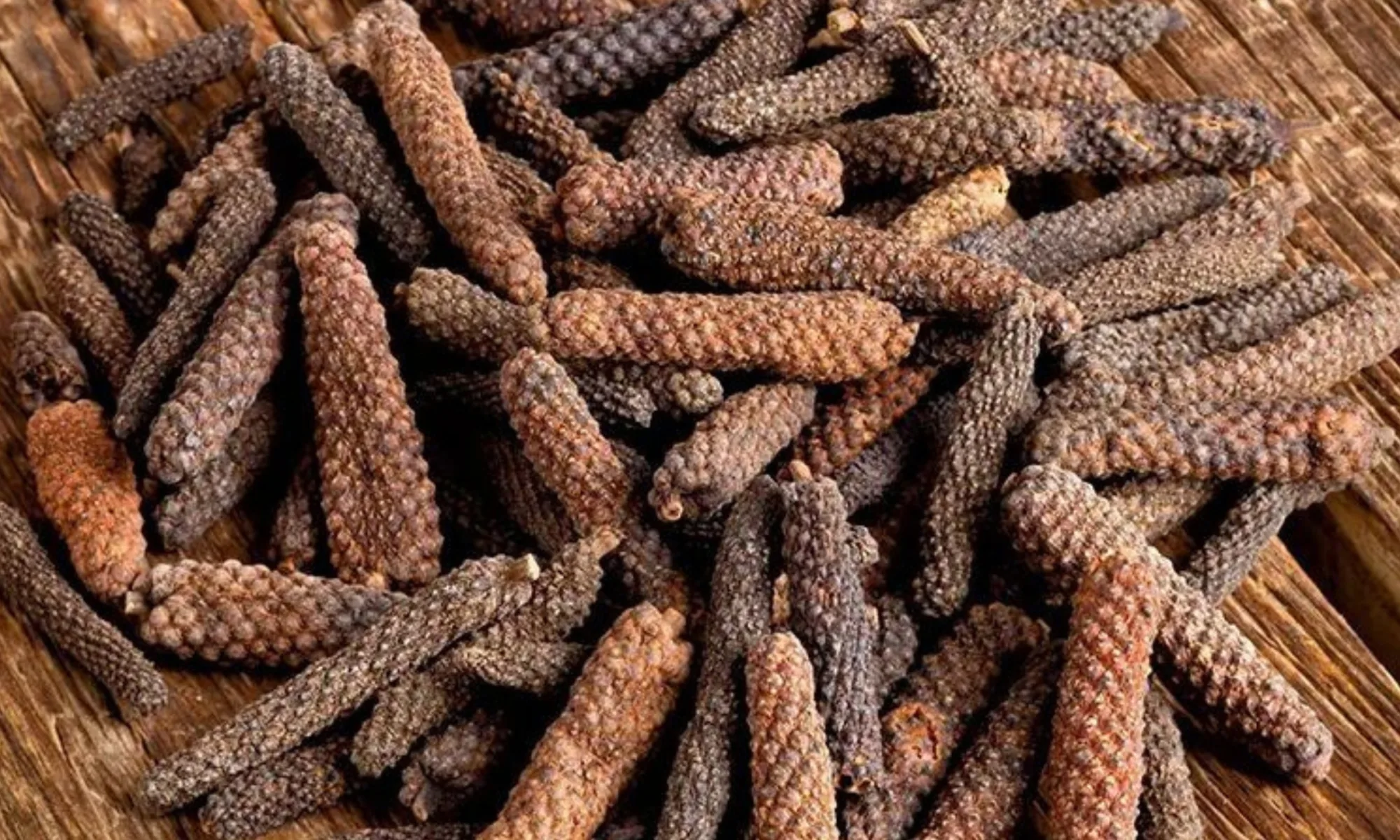
    piper – Piper nigrum

    piper - Piper nigrum

    Piper nigrum (Black Pepper) is a woody, perennial climbing vine that produces small, round, black-colored peppercorns. It is cultivated extensively in tropical regions and is a staple in culinary and medicinal applications. The plant thrives in humid conditions and requires a supportive structure to grow.

    Piper Scientific Names

    • Kingdom: Plantae
    • Phylum: Angiosperms
    • Class: Magnoliopsida
    • Order: Piperales
    • Family: Piperaceae
    • Genus: Piper
    • Species: Piper nigrum

    Piper Nigrum Common Names

    • English: Black Pepper
    • Sanskrit: Maricha
    • Hindi: Kali Mirch
    • Tamil: Milagu
    • Telugu: Miriyalu
    • Bengali: Golmorich
    • Marathi: Miri

    Piper Nigrum Uses

    • Digestive HealthStimulates digestive enzymes and enhances gut health, Aids in relieving bloating and indigestion.
    • Respiratory Health – Used in treating cough, colds, and respiratory congestion. Acts as an expectorant to clear mucus buildup.
    • Metabolic and Weight Management – Enhances fat metabolism, aiding in weight loss, Stimulates thermogenesis, promoting calorie burning.
    • Anti-inflammatory & Antioxidant – Contains piperine, which reduces oxidative stress and inflammation.
    • Immunity Booster – Strengthens the immune system by enhancing nutrient absorption.
    • A Natural Brain Tonic Helps reduce seizure frequency and improves nerve stability.

    Phytochemical Constituents

    • Alkaloids: Piperine, Piperidine
    • Essential Oils: Caryophyllene, Limonene, Pinene
    • Flavonoids: Quercetin, Kaempferol
    • Tannins: Polyphenols
    • Sterols: Beta-sitosterol

    References

    Ayurvedic Pharmacopoeia of India (API), Govt. of India.

    Bhavprakash Nighantu, Chapter on Herbal Remedies.

    Koul, O., & Wahab, S. (2018). “Biological and Pharmacological Properties of Piper nigrum: A Review.” Journal of Ethnopharmacology, 220, 1-12.

    European Pharmacopoeia, 10th Edition, Council of Europe.

    Sharma, P., & Tripathi, S. (2019). “Therapeutic Potential of Piper nigrum and Its Phytochemicals: A Review.” Asian Journal of Pharmaceutical Sciences, 14(4), 123-135.

    Chopra, R.N., Nayar, S.L., & Chopra, I.C. (1956). Glossary of Indian Medicinal Plants. CSIR, New Delhi.

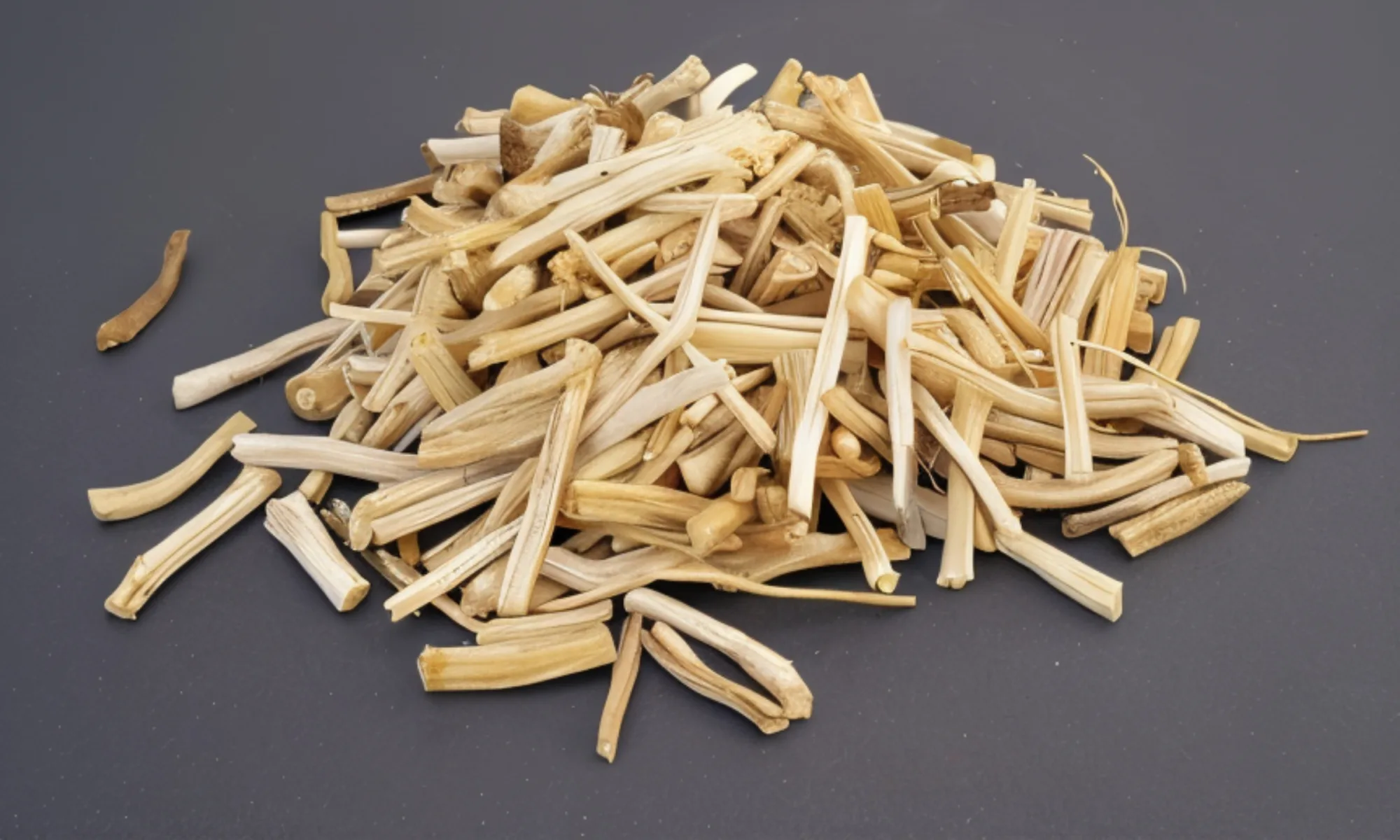
    SATAVARI – Asparagus racemosus

    satavary

    Satavari (Asparagus racemosus) is a climbing plant with small pine-needle-like leaves, tiny white flowers, and red berries. It thrives in tropical and subtropical regions of India and is revered for its adaptogenic, galactagogue, and reproductive health benefits.

    Satavari Scientific Names

    • Kingdom: Plantae
    • Phylum: Angiosperms
    • Class: Monocots
    • Order: Asparagales
    • Family: Asparagaceae
    • Genus: Asparagus
    • Species: Asparagus racemosus

    Satavari Common Names

    • English: Wild Asparagus, Indian Asparagus
    • Sanskrit: Satavari
    • Hindi: Shatavari
    • Tamil: Thaneervittan
    • Telugu: Pilli Gaddalu
    • Bengali: Satamuli
    • Marathi: Shatavari

    Asparagus Uses

    Phytochemical Constituents

    • Saponins: Shatavarins I-IV
    • Alkaloids: Asparagine
    • Flavonoids: Rutin, Quercetin
    • Sterols: β-Sitosterol
    • Polysaccharides: Immunomodulatory compounds

    References

    Ayurvedic Pharmacopoeia of India (API), Govt. of India.

    Bhavprakash Nighantu, Chapter on Herbal Remedies.

    Sharma, P., & Chauhan, N.S. (2018). “Medicinal Properties of Asparagus racemosus: A Review.” Journal of Ethnopharmacology, 214, 1-15.

    European Pharmacopoeia, 10th Edition, Council of Europe.

    Singh, R., & Agarwal, R. (2017). “Phytochemistry and Pharmacology of Asparagus racemosus: A Natural Healer.” Asian Journal of Pharmaceutical Sciences, 12(3), 198-210.

    Chopra, R.N., Nayar, S.L., & Chopra, I.C. (1956). Glossary of Indian Medicinal Plants. CSIR, New Delhi.

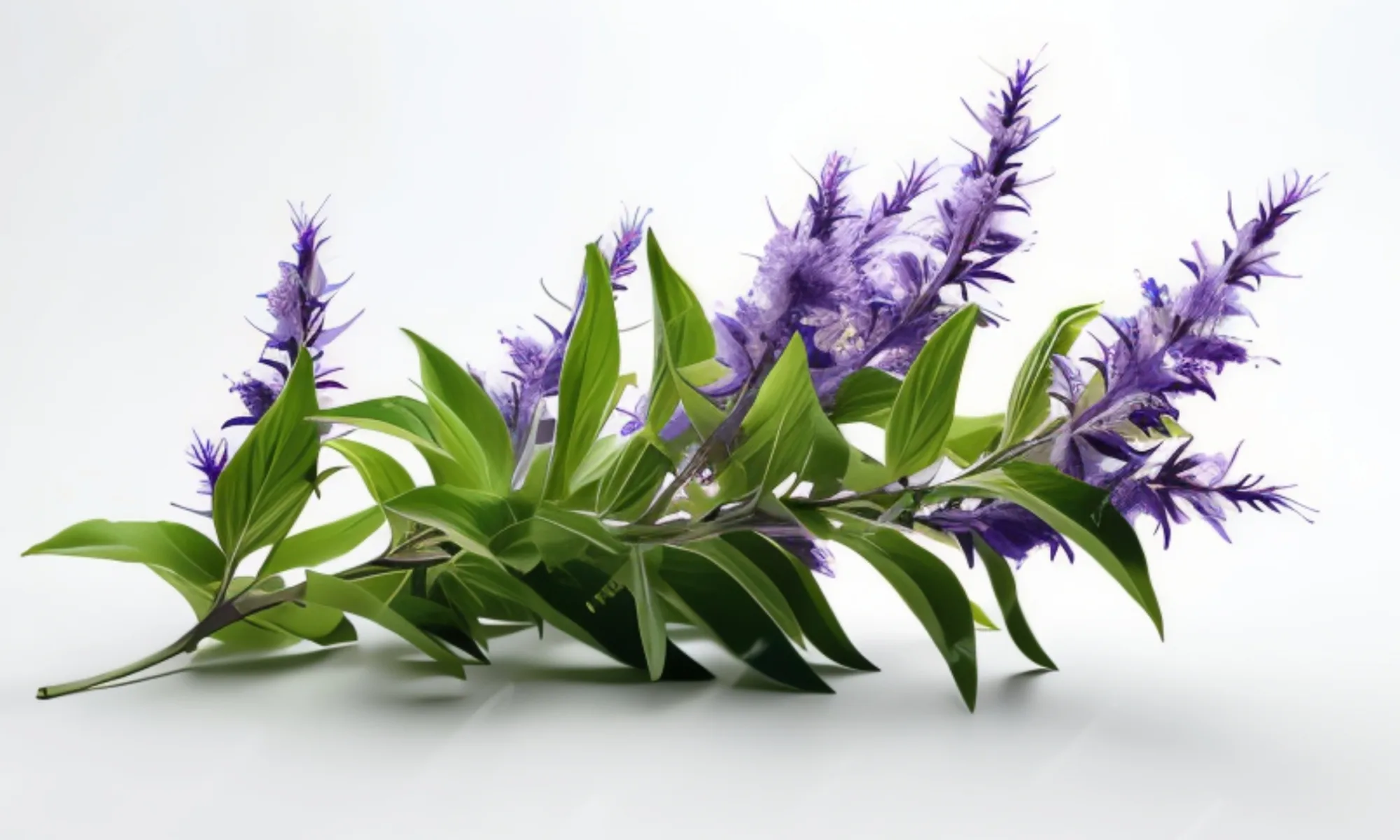
    Nirgundi – Vitex negundo

    nirgundi

    Nirgundi (Vitex negundo) is a fast-growing, aromatic shrub or small tree, reaching a height of up to 5 meters. It has compound leaves with five leaflets, purplish-blue flowers, and small blackish fruits. Traditionally, the plant is used for pain relief, respiratory disorders, and wound healing in Ayurveda and Siddha medicine.

    Scientific Classification

    • Kingdom: Plantae
    • Phylum: Angiosperms
    • Class: Eudicots
    • Order: Lamiales
    • Family: Lamiaceae
    • Genus: Vitex
    • Species: Vitex negundo

    Common Names

    • English: Chinese Chaste Tree, Five-Leaved Chaste Tree
    • Sanskrit: Nirgundi
    • Hindi: Nirgundi
    • Tamil: Notchi
    • Telugu: Vavili
    • Bengali: Nishinda
    • Marathi: Nirgundi

    Traditional and Medicinal Uses

    • Pain and Inflammation Relief – Used in arthritis, joint pain, and muscle stiffness due to its strong anti-inflammatory effects.
    • Respiratory Health – Helps in asthma, bronchitis, and sinus congestion by reducing inflammation and clearing mucus.
    • Skin Disorders – Used for treating wounds, boils, and ulcers with its antimicrobial and healing properties.
    • Gynecological Benefits – Traditionally used for menstrual irregularities and uterine disorders.
    • Antimicrobial & Antifungal – Possesses antimicrobial, antifungal, and antiviral properties, making it effective against infections.

    Phytochemical Constituents

      Nirgundi contains several bioactive compounds responsible for its medicinal properties. The key phytochemicals include:

      • Flavonoids: Luteolin, Casticin
      • Terpenoids: Negundoside, Viridiflorol
      • Alkaloids: Vitricine
      • Glycosides: Iridoid glycosides
      • Essential Oils: Camphene, Sabinene, Caryophyllene

      References

      Ayurvedic Pharmacopoeia of India (API), Govt. of India.

      Bhavprakash Nighantu, Chapter on Herbal Remedies.

      Sharma, P., & Chauhan, N.S. (2017). “Medicinal Properties of Vitex negundo: A Review.” Journal of Ethnopharmacology, 210, 1-10.

      European Pharmacopoeia, 10th Edition, Council of Europe.

      Mishra, A., Kumar, S., Bhatt, G., & Srivastava, S. (2017). “Pongamia pinnata: Phytochemistry and Therapeutic Applications.” Journal of Ethnopharmacology, 204, 1-15.

      Chopra, R.N., Nayar, S.L., & Chopra, I.C. (1956). Glossary of Indian Medicinal Plants. CSIR, New Delhi.

    Karanj – Pongamia pinnata

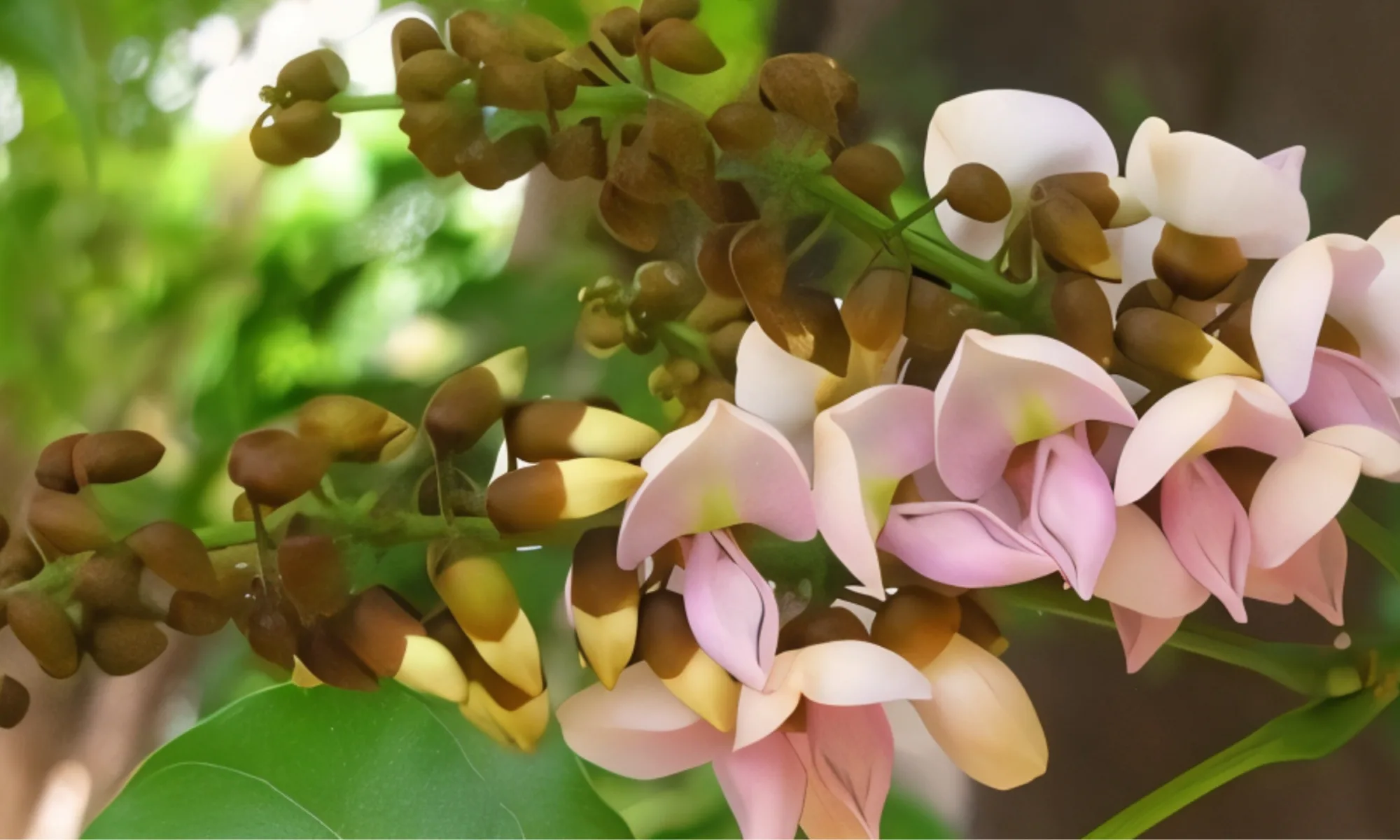
    karanj

    Karanj (Pongamia pinnata) is a medium-sized deciduous tree that grows up to 15–25 meters in height. It has compound pinnate leaves, fragrant purple flowers, and flat brown pods containing oil-rich seeds. Traditionally, Karanj has been used in Ayurveda and Siddha medicine for its anti-inflammatory, antimicrobial, and wound-healing properties.

    Scientific Classification

    • Kingdom: Plantae
    • Phylum: Angiosperms
    • Class: Eudicots
    • Order: Fabales
    • Family: Fabaceae
    • Genus: Pongamia
    • Species: Pongamia pinnata

    Common Names

    • English: Indian Beech, Karanja Tree
    • Sanskrit: Karanja
    • Hindi: Karanj
    • Tamil: Pungai
    • Telugu: Kanuga
    • Bengali: Karanja
    • Marathi: Karanj

    Traditional and Medicinal Uses

    • Skin Disorders – Karanja oil is traditionally used for eczema, psoriasis, and fungal infections.
    • Wound Healing – The oil and bark extracts help in wound healing and reducing inflammation.
    • Digestive Health – Used in Ayurvedic formulations for treating constipation and abdominal bloating.
    • Prevents Hair Fall – Strengthens hair roots and reduces hair fall caused by scalp infections.
    • Joint and Muscle Pain Relief – Karanja oil is applied topically to alleviate arthritis and muscle pain.
    • Antimicrobial & Antifungal – The bioactive compounds in Karanj possess antimicrobial and antifungal properties.

    Phytochemical Constituents

      Karanj contains a variety of bioactive compounds that contribute to its medicinal properties. Some key phytochemicals include:

      • Flavonoids: Pongamol, Pinnatin
      • Fixed Oils: Karanjin, Pongapin
      • Steroids: β-Sitosterol, Stigmasterol
      • Tannins: Catechins
      • Glycosides: Pongamoside

      References

      Ayurvedic Pharmacopoeia of India (API), Govt. of India.

      Bhavprakash Nighantu, Chapter on Herbal Remedies.

      Sahoo, N., & Manchikanti, P. (2013). “Herbal Medicine: Current Status and the Future.” Asian Pacific Journal of Tropical Biomedicine, 3(2), 134-142.

      European Pharmacopoeia, 10th Edition, Council of Europe.

      Mishra, A., Kumar, S., Bhatt, G., & Srivastava, S. (2017). “Pongamia pinnata: Phytochemistry and Therapeutic Applications.” Journal of Ethnopharmacology, 204, 1-15.

      Chopra, R.N., Nayar, S.L., & Chopra, I.C. (1956). Glossary of Indian Medicinal Plants. CSIR, New Delhi.

    Jethimadh – Glycyrrhiza glabra

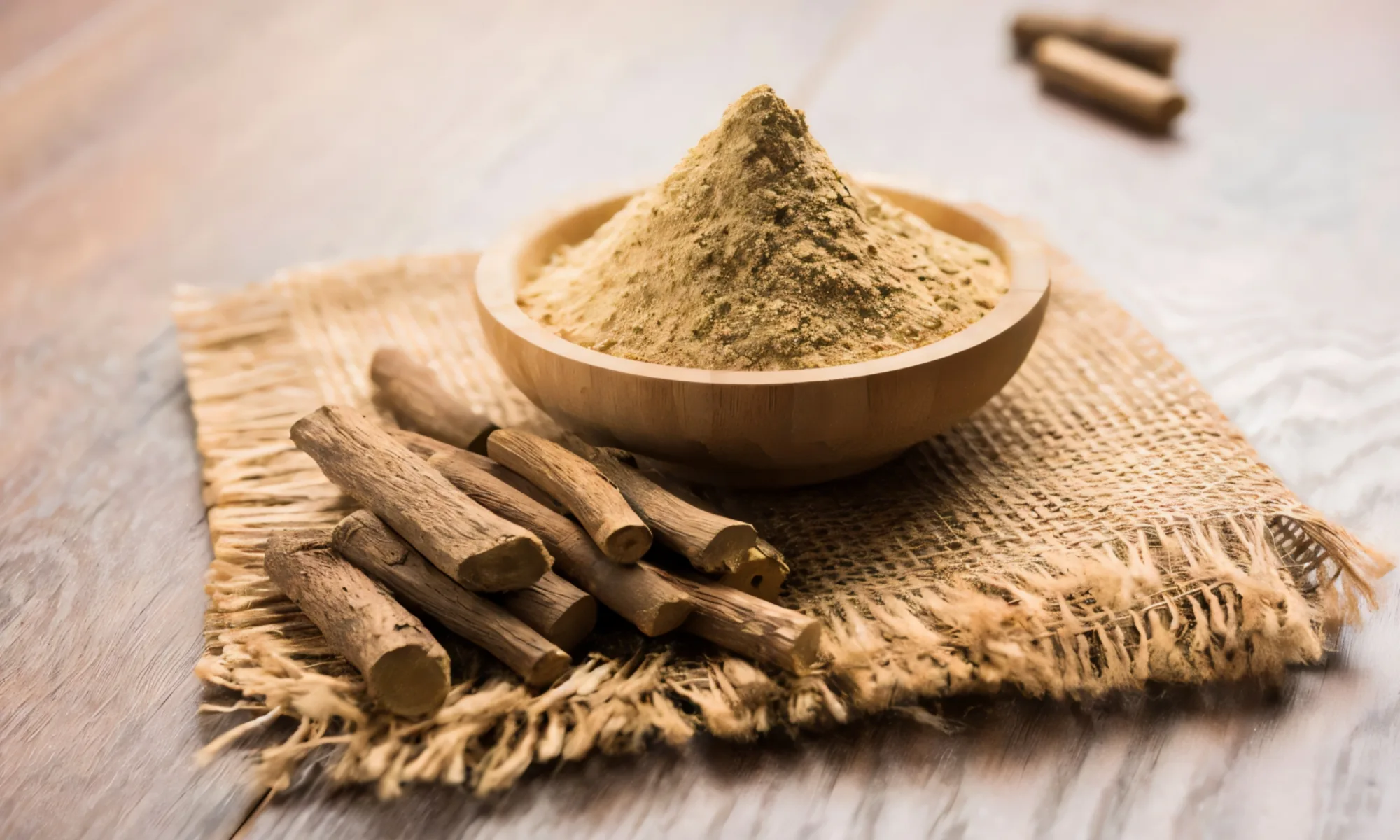
    Glycyrrhiza glabra

    Licorice (Glycyrrhiza glabra) is a herbaceous perennial plant that grows up to 1.5 meters in height. It has compound leaves, purple to bluish flowers, and sweet-flavored roots due to its glycyrrhizin content. The root is the main medicinal part used in Ayurveda, Unani, and traditional herbal medicine systems.

    Scientific Classification

    • Kingdom: Plantae
    • Phylum: Angiosperms
    • Class: Eudicots
    • Order: Fabales
    • Family: Fabaceae
    • Genus: Glycyrrhiza
    • Species: Glycyrrhiza glabra

    Common Names

    • English: Licorice, Sweet Wood
    • Sanskrit: Yastimadhu
    • Hindi: Mulethi
    • Tamil: Athimadhuram
    • Telugu: Yashtimadhuka
    • Bengali: Jethimadh
    • Marathi: Jyeshthamadha

    Traditional and Medicinal Uses

    • Respiratory Health – Used as an expectorant to relieve cough, sore throat, and bronchial congestion.
    • Digestive Health – Acts as a soothing agent for the stomach lining and helps in gastric ulcer treatment.
    • Anti-Inflammatory & Antioxidant Benefits – Contains flavonoids and saponins, reducing inflammation and oxidative stress.
    • Liver Protection – Traditionally used as a hepatoprotective to support liver health and detoxification.
    • Skin Health – Used for treating eczema, psoriasis, and hyperpigmentation due to its antimicrobial properties.

    Phytochemical Constituents

      Mulethi contains several bioactive compounds that contribute to its medicinal properties. Some key phytochemicals include:

    • Triterpenoid Saponins: Glycyrrhizin, Glycyrrhetinic Acid
    • Flavonoids: Liquiritin, Glabridin, Quercetin
    • Coumarins: Herniarin, Umbelliferone
    • Sterols: Beta-sitosterol, Stigmasterol
    • Polysaccharides: Arabinogalactans, Glucans

    References

    Ayurvedic Pharmacopoeia of India (API), Govt. of India.

    Sharangdhar Samhita, Chapter on Herbal Remedies.

    Fiore, C., Eisenhut, M., Ragazzi, E., Zanchin, G., & Armanini, D. (2005). “A history of the therapeutic use of liquorice in Europe.” Journal of Ethnopharmacology, 99(3), 317-324.

    European Pharmacopoeia, 10th Edition, Council of Europe.

    Asl, M.N., & Hosseinzadeh, H. (2008). “Review of pharmacological effects of Glycyrrhiza glabra and its bioactive compounds.” Phytotherapy Research, 22(6), 709-724.

    Chopra, R.N., Nayar, S.L., & Chopra, I.C. (1956). Glossary of Indian Medicinal Plants. CSIR, New Delhi.

    Nilgiri – Eucalyptus globulus

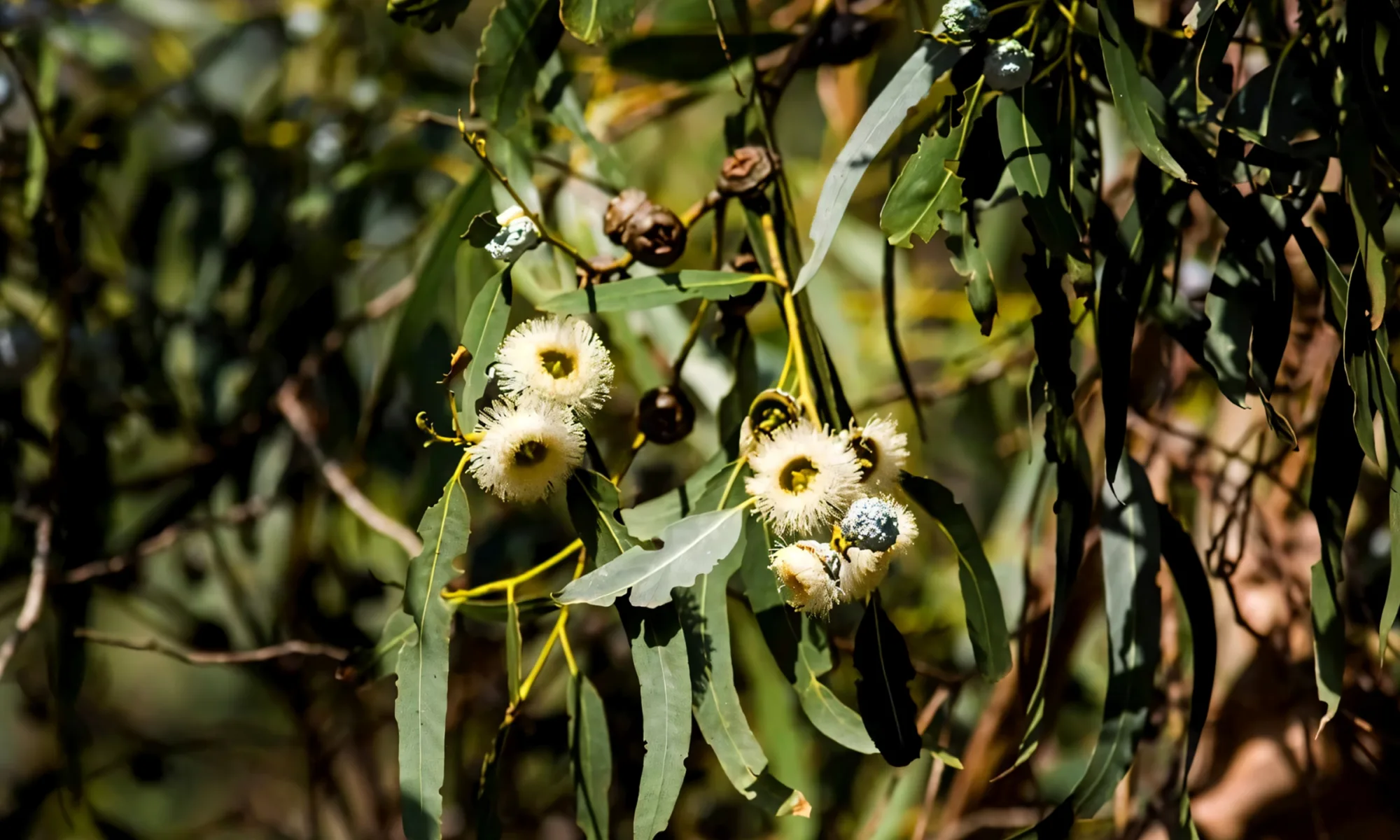
    Eucalyptus

    Eucalyptus (Eucalyptus globulus) is a fast-growing evergreen tree native to Australia and widely cultivated in tropical and subtropical regions worldwide. It has smooth, peeling bark, bluish-green leaves, and produces aromatic essential oil used in traditional medicine and aromatherapy.

    Scientific Classification

    • Kingdom: Plantae
    • Phylum: Angiosperms
    • Class: Eudicots
    • Order: Myrtales
    • Family: Myrtaceae
    • Genus: Eucalyptus
    • Species: Eucalyptus globulus

    Common Names

    • English: Eucalyptus, Blue Gum Tree
    • Sanskrit: Tailapatra
    • Hindi: Nilgiri
    • Tamil: Thaila Maram
    • Telugu: Nallagiriya Chettu
    • Bengali: Nilgiri Gachh
    • Marathi: Nilgiri

    Traditional and Medicinal Uses

    • Respiratory Health – Used to relieve congestion, cough, and asthma symptoms through inhalation therapy.
    • Antimicrobial and Antiseptic Properties – Its essential oil has strong antibacterial and antifungal activity, used for wound healing and infections.
    • Pain Relief and Anti-Inflammatory Benefits – Applied topically to reduce muscle pain, joint inflammation, and headaches

    Phytochemical Constituents

      Eucalyptus contains several bioactive compounds responsible for its medicinal properties. Some major phytochemicals include:

    • Essential Oils: Eucalyptol (1,8-Cineole), α-Pinene, Limonene
    • Flavonoids: Quercetin, Kaempferol
    • Tannins: Ellagitannins, Gallotannins
    • Terpenoids: Globulol, Aromadendrene
    • Phenolic Compounds: Caffeic acid, Gallic acid

    References

    Ayurvedic Pharmacopoeia of India (API), Govt. of India.

    Sharangdhar Samhita, Chapter on Digestive Disorders.

    Ayurvedic Pharmacopoeia of India (API), Govt. of India.

    Sharangdhar Samhita, Chapter on Herbal Remedies.

    Bachir, R.G., & Benali, M. (2012). “Antibacterial activity of Eucalyptus globulus essential oil.” Microbial Pathogenesis, 52(2), 35-40.

    European Pharmacopoeia, 10th Edition, Council of Europe.

    Santos, F.A., & Rao, V.S. (2000). “Antiinflammatory and antinociceptive effects of Eucalyptus globulus essential oil.” Journal of Ethnopharmacology, 89(2-3), 277-283.

    Chopra, R.N., Nayar, S.L., & Chopra, I.C. (1956). Glossary of Indian Medicinal Plants. CSIR, New Delhi.

    METHI (Fenugreek) – Trigonella Foenum-Graecum

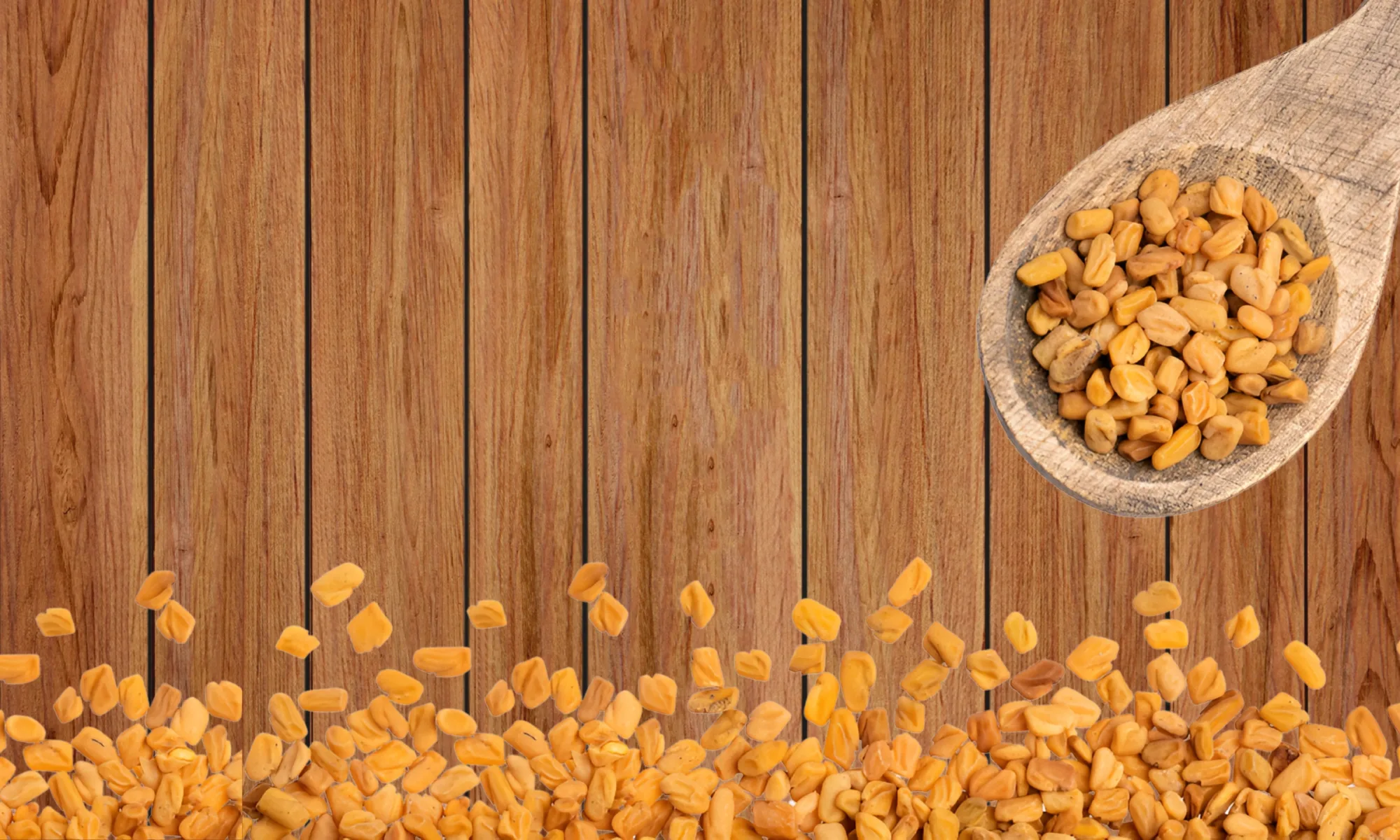
    Fenugreek

    Fenugreek (Trigonella foenum-graecum) is an annual plant that grows up to 60 cm tall. It produces small, yellowish-white flowers and oblong, brown seeds that have a distinct bitter taste and strong aroma. The leaves, seeds, and sprouts of fenugreek are used in both culinary and medicinal applications.

    Scientific Classification

    • Kingdom: Plantae
    • Phylum: Angiosperms
    • Class: Eudicots
    • Order: Fabales
    • Family: Fabaceae
    • Genus: Trigonella
    • Species: Trigonella foenum-graecum

    Common Names

    • English: Fenugreek
    • Sanskrit: Methika
    • Hindi: Methi
    • Tamil: Vendhayam
    • Telugu: Mentulu
    • Bengali: Methi
    • Marathi: Methi

    Traditional and Medicinal Uses

    • Blood Sugar Control – Contains galactomannan and 4-hydroxyisoleucine, which help regulate blood glucose levels.
    • Digestive Health – Acts as a natural fiber source, aiding digestion and relieving constipation.
    • Lactation Support – Traditionally used as a galactagogue to enhance breast milk production in nursing mothers.
    • Anti-Inflammatory & Antioxidant Benefits – Rich in flavonoids and alkaloids, providing anti-inflammatory and antioxidant effects.
  • Cholesterol Management – Helps lower bad cholesterol (LDL) while maintaining heart health.
  • Phytochemical Constituents

    • Alkaloids: Trigonelline, Choline
    • Saponins: Diosgenin, Yamogenin
    • Flavonoids: Quercetin, Luteolin
    • Steroidal Compounds: Fenugreekine, Coumarin
    • Proteins & Fibers: Galactomannan

    References

    Ayurvedic Pharmacopoeia of India (API), Govt. of India.

    Ayurvedic Pharmacopoeia of India (API), Govt. of India.

    Sharangdhar Samhita, Chapter on Herbal Remedies.

    Basch, E., Ulbricht, C., Kuo, G., Szapary, P., & Smith, M. (2003). “Therapeutic applications of fenugreek (Trigonella foenum-graecum): A review.” Journal of Ethnopharmacology, 85(1), 1-9.

    European Pharmacopoeia, 10th Edition, Council of Europe.

    Acharya, S.N., Thomas, J.E., & Basu, S.K. (2008). “Fenugreek: An old medicinal herb with diverse applications.” Molecular Nutrition & Food Research, 52(1), 37-52.

    Chopra, R.N., Nayar, S.L., & Chopra, I.C. (1956). Glossary of Indian Medicinal Plants. CSIR, New Delhi.

    Follow us @polycareherbal

    0
      0
      Your Cart
      Your cart is emptyReturn to Shop