Free Shipping On Above Order Value Rs. 500

Karanj – Pongamia pinnata

karanj

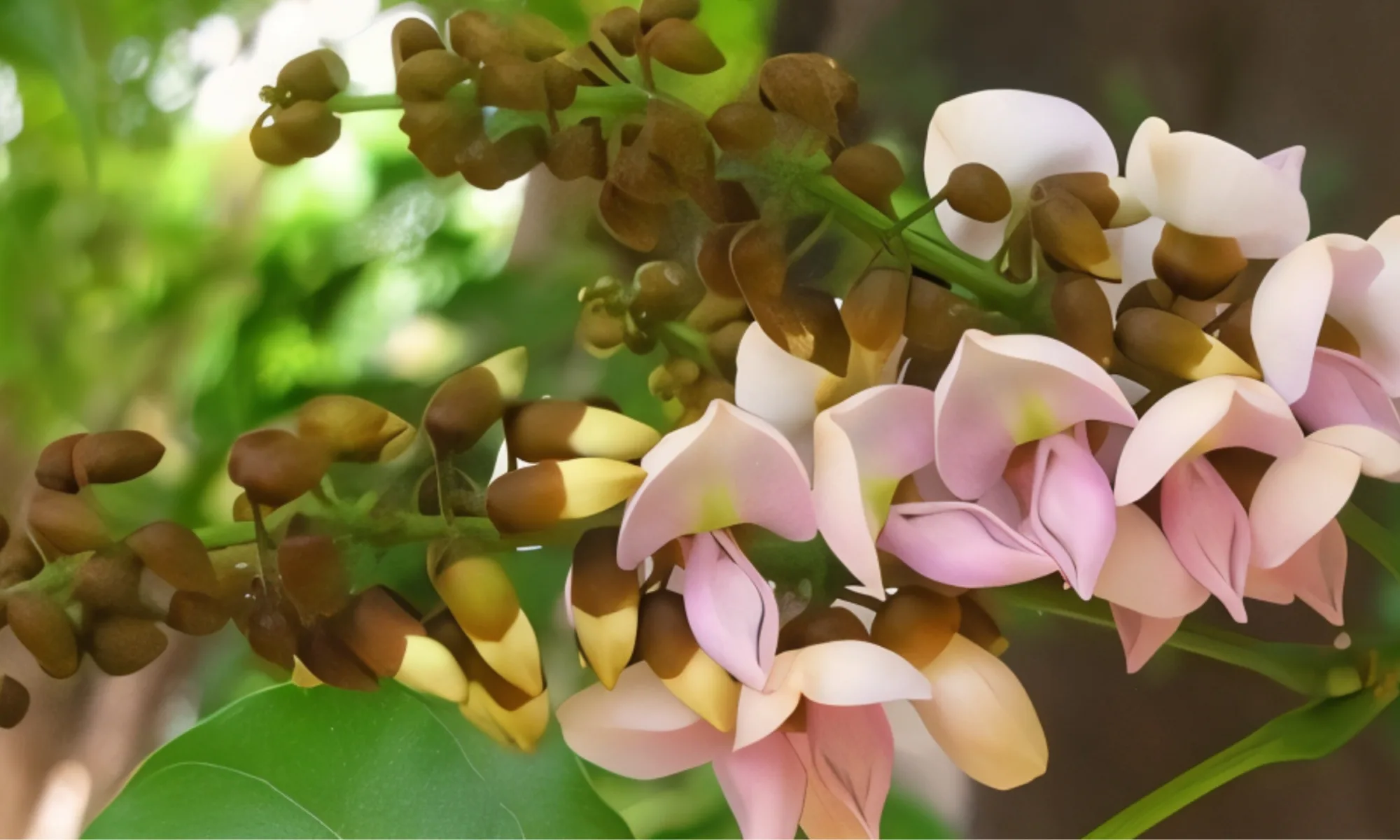
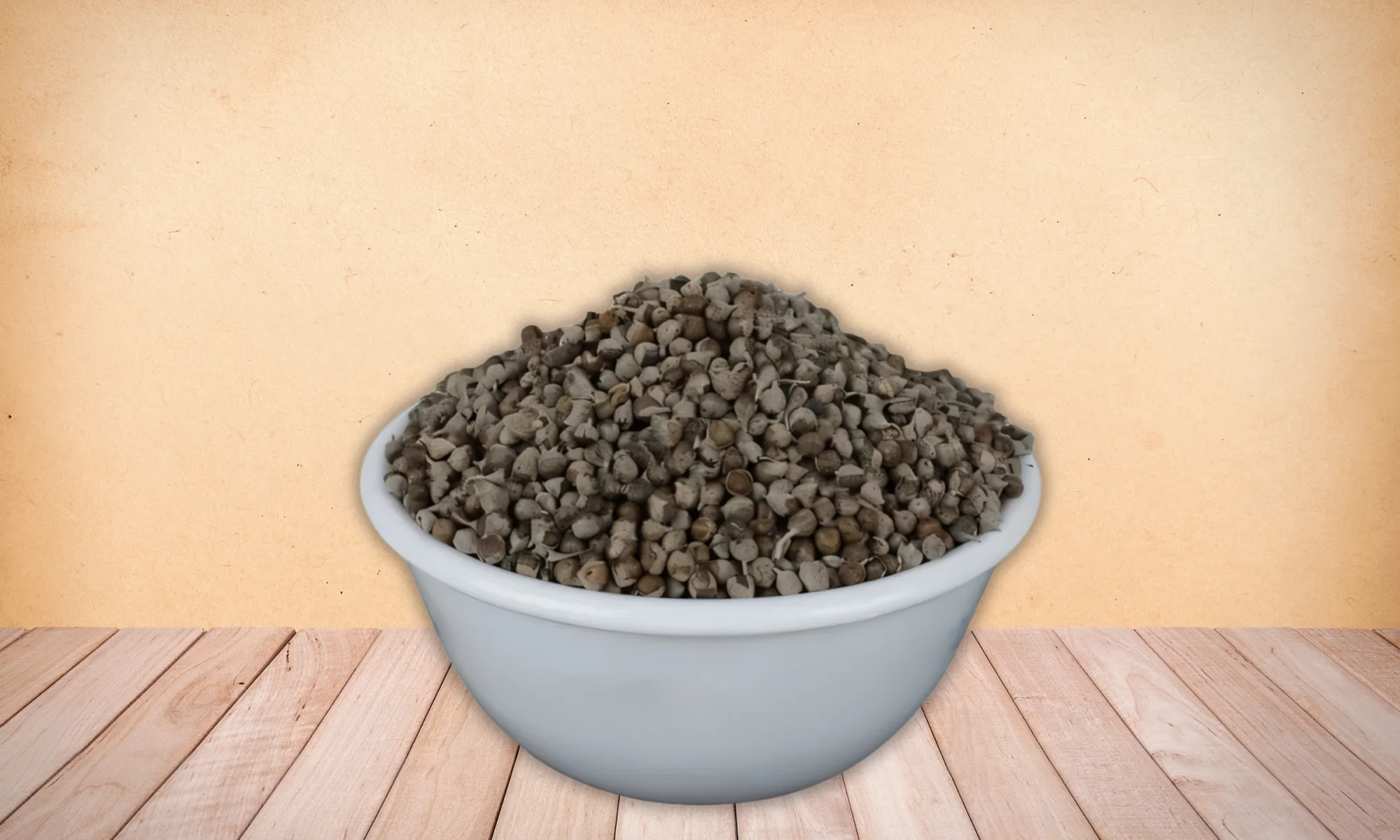
Karanj (Pongamia pinnata) is a medium-sized deciduous tree that grows up to 15–25 meters in height. It has compound pinnate leaves, fragrant purple flowers, and flat brown pods containing oil-rich seeds. Traditionally, Karanj has been used in Ayurveda and Siddha medicine for its anti-inflammatory, antimicrobial, and wound-healing properties.

Scientific Classification

  • Kingdom: Plantae
  • Phylum: Angiosperms
  • Class: Eudicots
  • Order: Fabales
  • Family: Fabaceae
  • Genus: Pongamia
  • Species: Pongamia pinnata

Common Names

  • English: Indian Beech, Karanja Tree
  • Sanskrit: Karanja
  • Hindi: Karanj
  • Tamil: Pungai
  • Telugu: Kanuga
  • Bengali: Karanja
  • Marathi: Karanj

Traditional and Medicinal Uses

  • Skin Disorders – Karanja oil is traditionally used for eczema, psoriasis, and fungal infections.
  • Wound Healing – The oil and bark extracts help in wound healing and reducing inflammation.
  • Digestive Health – Used in Ayurvedic formulations for treating constipation and abdominal bloating.
  • Prevents Hair Fall – Strengthens hair roots and reduces hair fall caused by scalp infections.
  • Joint and Muscle Pain Relief – Karanja oil is applied topically to alleviate arthritis and muscle pain.
  • Antimicrobial & Antifungal – The bioactive compounds in Karanj possess antimicrobial and antifungal properties.

Phytochemical Constituents

    Karanj contains a variety of bioactive compounds that contribute to its medicinal properties. Some key phytochemicals include:

    • Flavonoids: Pongamol, Pinnatin
    • Fixed Oils: Karanjin, Pongapin
    • Steroids: β-Sitosterol, Stigmasterol
    • Tannins: Catechins
    • Glycosides: Pongamoside

    References

    Ayurvedic Pharmacopoeia of India (API), Govt. of India.

    Bhavprakash Nighantu, Chapter on Herbal Remedies.

    Sahoo, N., & Manchikanti, P. (2013). “Herbal Medicine: Current Status and the Future.” Asian Pacific Journal of Tropical Biomedicine, 3(2), 134-142.

    European Pharmacopoeia, 10th Edition, Council of Europe.

    Mishra, A., Kumar, S., Bhatt, G., & Srivastava, S. (2017). “Pongamia pinnata: Phytochemistry and Therapeutic Applications.” Journal of Ethnopharmacology, 204, 1-15.

    Chopra, R.N., Nayar, S.L., & Chopra, I.C. (1956). Glossary of Indian Medicinal Plants. CSIR, New Delhi.

Jethimadh – Glycyrrhiza glabra

Glycyrrhiza glabra

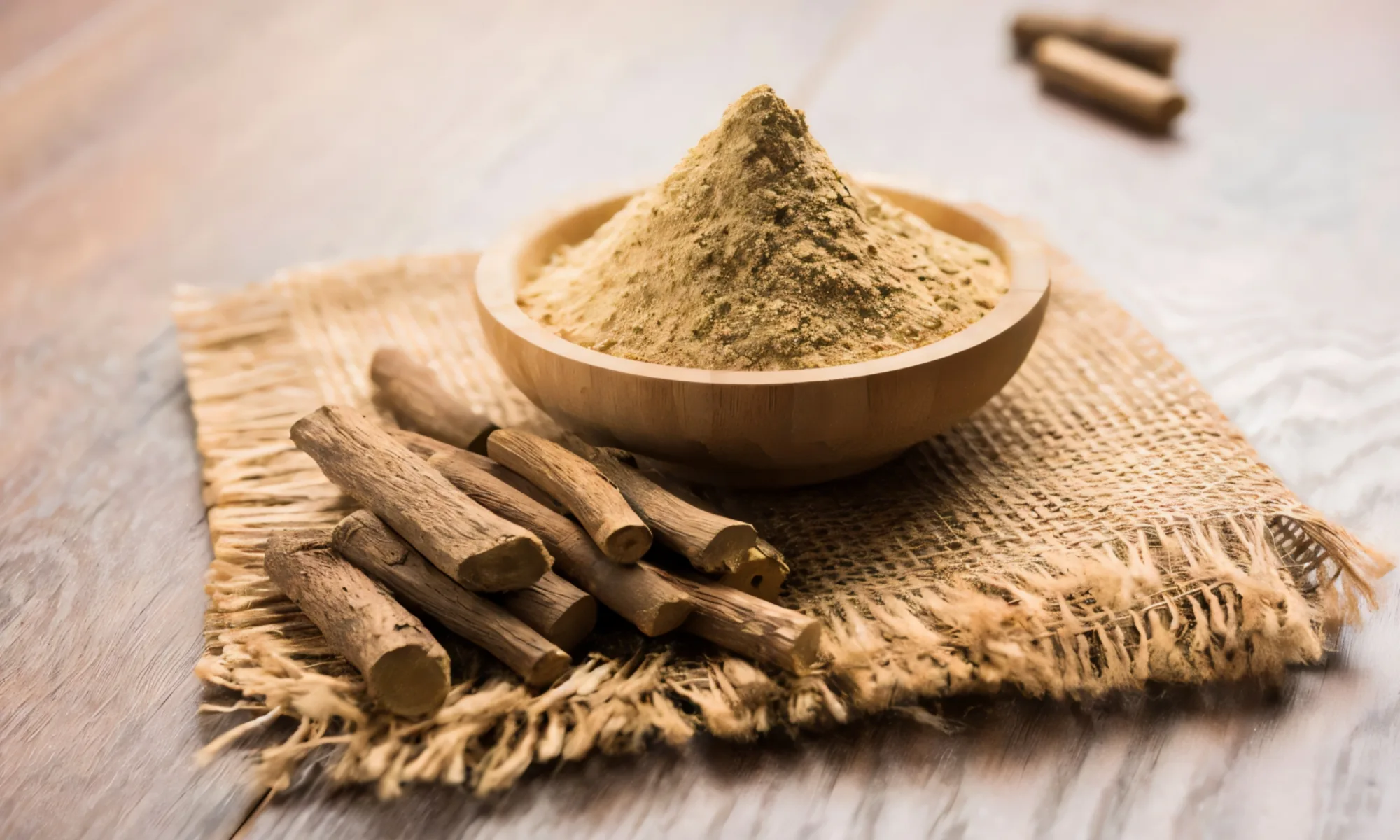
Licorice (Glycyrrhiza glabra) is a herbaceous perennial plant that grows up to 1.5 meters in height. It has compound leaves, purple to bluish flowers, and sweet-flavored roots due to its glycyrrhizin content. The root is the main medicinal part used in Ayurveda, Unani, and traditional herbal medicine systems.

Scientific Classification

  • Kingdom: Plantae
  • Phylum: Angiosperms
  • Class: Eudicots
  • Order: Fabales
  • Family: Fabaceae
  • Genus: Glycyrrhiza
  • Species: Glycyrrhiza glabra

Common Names

  • English: Licorice, Sweet Wood
  • Sanskrit: Yastimadhu
  • Hindi: Mulethi
  • Tamil: Athimadhuram
  • Telugu: Yashtimadhuka
  • Bengali: Jethimadh
  • Marathi: Jyeshthamadha

Traditional and Medicinal Uses

  • Respiratory Health – Used as an expectorant to relieve cough, sore throat, and bronchial congestion.
  • Digestive Health – Acts as a soothing agent for the stomach lining and helps in gastric ulcer treatment.
  • Anti-Inflammatory & Antioxidant Benefits – Contains flavonoids and saponins, reducing inflammation and oxidative stress.
  • Liver Protection – Traditionally used as a hepatoprotective to support liver health and detoxification.
  • Skin Health – Used for treating eczema, psoriasis, and hyperpigmentation due to its antimicrobial properties.

Phytochemical Constituents

    Mulethi contains several bioactive compounds that contribute to its medicinal properties. Some key phytochemicals include:

  • Triterpenoid Saponins: Glycyrrhizin, Glycyrrhetinic Acid
  • Flavonoids: Liquiritin, Glabridin, Quercetin
  • Coumarins: Herniarin, Umbelliferone
  • Sterols: Beta-sitosterol, Stigmasterol
  • Polysaccharides: Arabinogalactans, Glucans

References

Ayurvedic Pharmacopoeia of India (API), Govt. of India.

Sharangdhar Samhita, Chapter on Herbal Remedies.

Fiore, C., Eisenhut, M., Ragazzi, E., Zanchin, G., & Armanini, D. (2005). “A history of the therapeutic use of liquorice in Europe.” Journal of Ethnopharmacology, 99(3), 317-324.

European Pharmacopoeia, 10th Edition, Council of Europe.

Asl, M.N., & Hosseinzadeh, H. (2008). “Review of pharmacological effects of Glycyrrhiza glabra and its bioactive compounds.” Phytotherapy Research, 22(6), 709-724.

Chopra, R.N., Nayar, S.L., & Chopra, I.C. (1956). Glossary of Indian Medicinal Plants. CSIR, New Delhi.

Nilgiri – Eucalyptus globulus

Eucalyptus

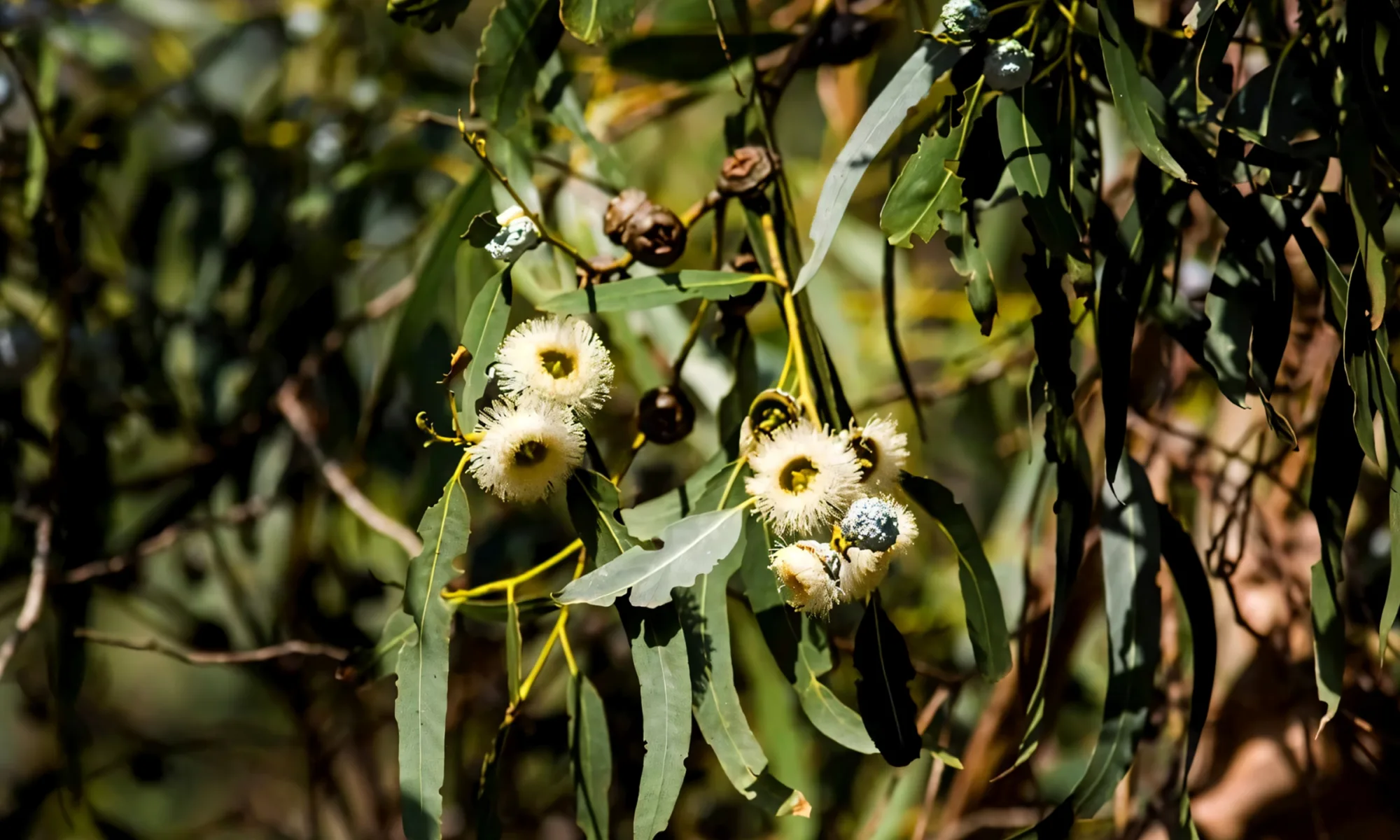
Eucalyptus (Eucalyptus globulus) is a fast-growing evergreen tree native to Australia and widely cultivated in tropical and subtropical regions worldwide. It has smooth, peeling bark, bluish-green leaves, and produces aromatic essential oil used in traditional medicine and aromatherapy.

Scientific Classification

  • Kingdom: Plantae
  • Phylum: Angiosperms
  • Class: Eudicots
  • Order: Myrtales
  • Family: Myrtaceae
  • Genus: Eucalyptus
  • Species: Eucalyptus globulus

Common Names

  • English: Eucalyptus, Blue Gum Tree
  • Sanskrit: Tailapatra
  • Hindi: Nilgiri
  • Tamil: Thaila Maram
  • Telugu: Nallagiriya Chettu
  • Bengali: Nilgiri Gachh
  • Marathi: Nilgiri

Traditional and Medicinal Uses

  • Respiratory Health – Used to relieve congestion, cough, and asthma symptoms through inhalation therapy.
  • Antimicrobial and Antiseptic Properties – Its essential oil has strong antibacterial and antifungal activity, used for wound healing and infections.
  • Pain Relief and Anti-Inflammatory Benefits – Applied topically to reduce muscle pain, joint inflammation, and headaches

Phytochemical Constituents

    Eucalyptus contains several bioactive compounds responsible for its medicinal properties. Some major phytochemicals include:

  • Essential Oils: Eucalyptol (1,8-Cineole), α-Pinene, Limonene
  • Flavonoids: Quercetin, Kaempferol
  • Tannins: Ellagitannins, Gallotannins
  • Terpenoids: Globulol, Aromadendrene
  • Phenolic Compounds: Caffeic acid, Gallic acid

References

Ayurvedic Pharmacopoeia of India (API), Govt. of India.

Sharangdhar Samhita, Chapter on Digestive Disorders.

Ayurvedic Pharmacopoeia of India (API), Govt. of India.

Sharangdhar Samhita, Chapter on Herbal Remedies.

Bachir, R.G., & Benali, M. (2012). “Antibacterial activity of Eucalyptus globulus essential oil.” Microbial Pathogenesis, 52(2), 35-40.

European Pharmacopoeia, 10th Edition, Council of Europe.

Santos, F.A., & Rao, V.S. (2000). “Antiinflammatory and antinociceptive effects of Eucalyptus globulus essential oil.” Journal of Ethnopharmacology, 89(2-3), 277-283.

Chopra, R.N., Nayar, S.L., & Chopra, I.C. (1956). Glossary of Indian Medicinal Plants. CSIR, New Delhi.

METHI (Fenugreek) – Trigonella Foenum-Graecum

Fenugreek

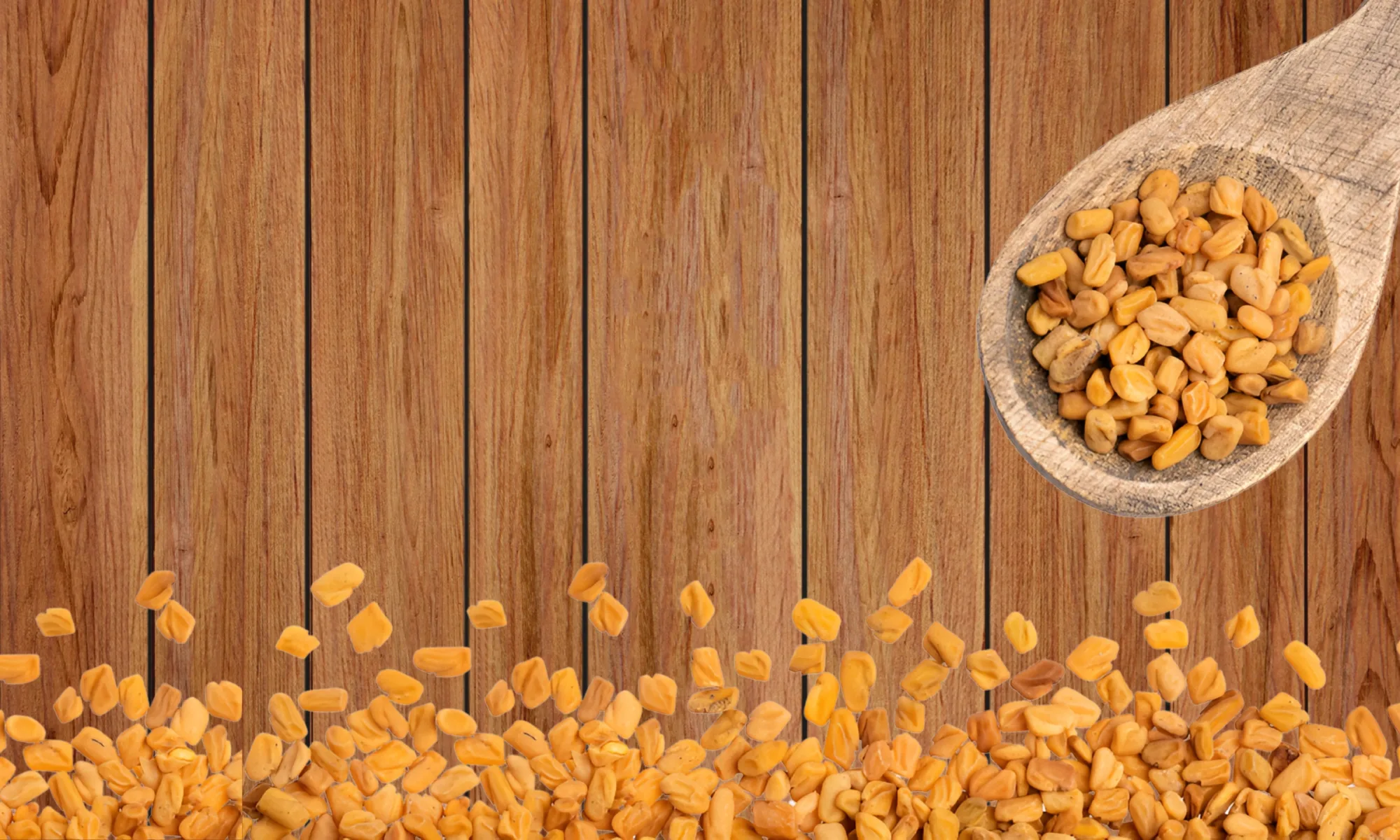
Fenugreek (Trigonella foenum-graecum) is an annual plant that grows up to 60 cm tall. It produces small, yellowish-white flowers and oblong, brown seeds that have a distinct bitter taste and strong aroma. The leaves, seeds, and sprouts of fenugreek are used in both culinary and medicinal applications.

Scientific Classification

  • Kingdom: Plantae
  • Phylum: Angiosperms
  • Class: Eudicots
  • Order: Fabales
  • Family: Fabaceae
  • Genus: Trigonella
  • Species: Trigonella foenum-graecum

Common Names

  • English: Fenugreek
  • Sanskrit: Methika
  • Hindi: Methi
  • Tamil: Vendhayam
  • Telugu: Mentulu
  • Bengali: Methi
  • Marathi: Methi

Traditional and Medicinal Uses

  • Blood Sugar Control – Contains galactomannan and 4-hydroxyisoleucine, which help regulate blood glucose levels.
  • Digestive Health – Acts as a natural fiber source, aiding digestion and relieving constipation.
  • Lactation Support – Traditionally used as a galactagogue to enhance breast milk production in nursing mothers.
  • Anti-Inflammatory & Antioxidant Benefits – Rich in flavonoids and alkaloids, providing anti-inflammatory and antioxidant effects.
  • Cholesterol Management – Helps lower bad cholesterol (LDL) while maintaining heart health.
  • Phytochemical Constituents

    • Alkaloids: Trigonelline, Choline
    • Saponins: Diosgenin, Yamogenin
    • Flavonoids: Quercetin, Luteolin
    • Steroidal Compounds: Fenugreekine, Coumarin
    • Proteins & Fibers: Galactomannan

    References

    Ayurvedic Pharmacopoeia of India (API), Govt. of India.

    Ayurvedic Pharmacopoeia of India (API), Govt. of India.

    Sharangdhar Samhita, Chapter on Herbal Remedies.

    Basch, E., Ulbricht, C., Kuo, G., Szapary, P., & Smith, M. (2003). “Therapeutic applications of fenugreek (Trigonella foenum-graecum): A review.” Journal of Ethnopharmacology, 85(1), 1-9.

    European Pharmacopoeia, 10th Edition, Council of Europe.

    Acharya, S.N., Thomas, J.E., & Basu, S.K. (2008). “Fenugreek: An old medicinal herb with diverse applications.” Molecular Nutrition & Food Research, 52(1), 37-52.

    Chopra, R.N., Nayar, S.L., & Chopra, I.C. (1956). Glossary of Indian Medicinal Plants. CSIR, New Delhi.

    Karela – Momordica charantia

    karela

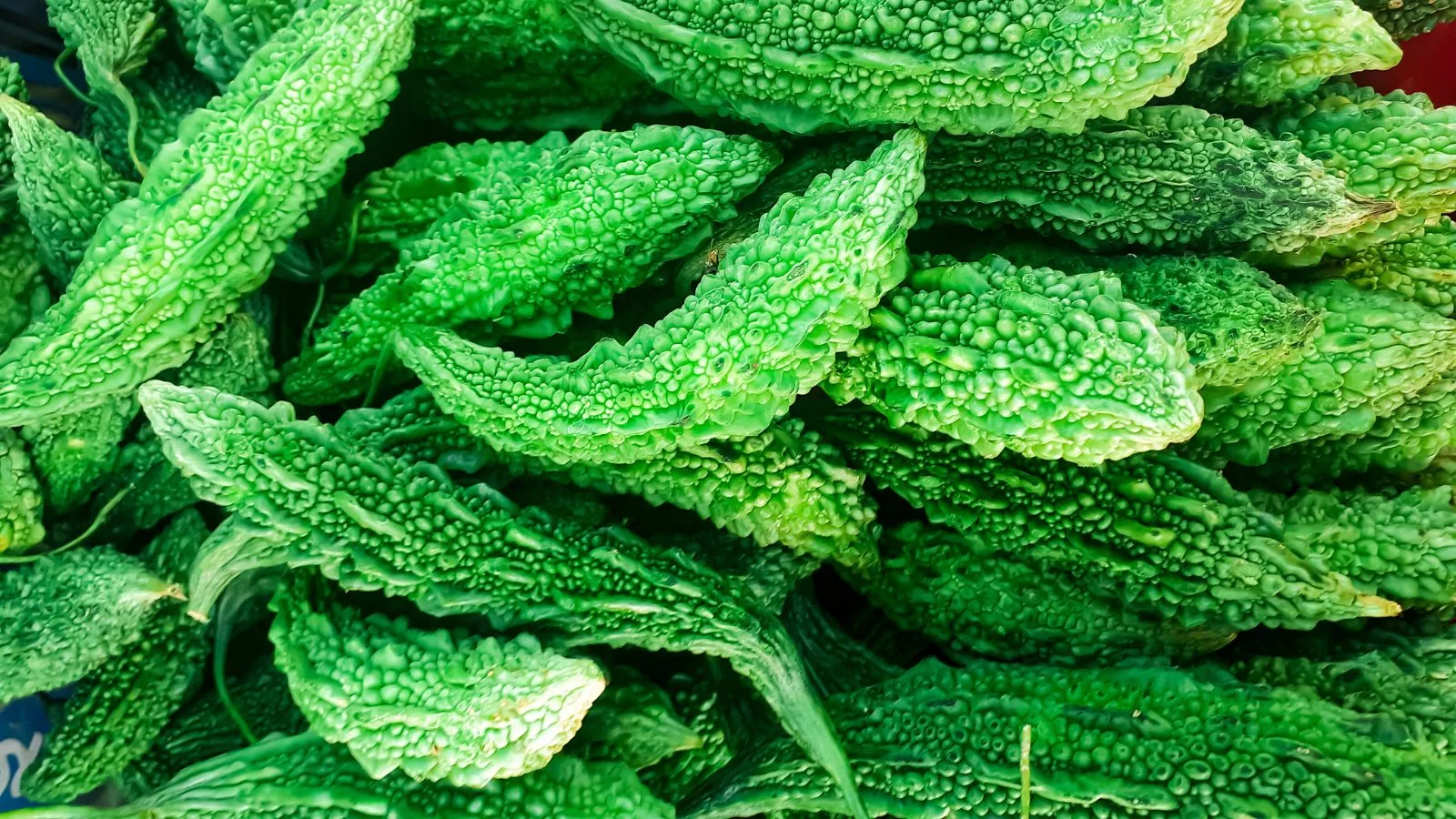
    Karela (Momordica charantia) is a tropical and subtropical vine that bears warty, elongated green fruits. It is cultivated across Asia, Africa, and the Caribbean. The fruit, leaves, and seeds of bitter melon are commonly used in traditional medicine and culinary applications.

    Ayurvedic Profile of Karela

    In Ayurveda, Karela is known as Karavellaka. Its strong bitter nature makes it especially effective in balancing metabolic disorders and removing toxins from the body.

    • Ayurvedic Name: Karavellaka
    • Rasa (Taste): Tikta (Bitter)
    • Guna (Quality): Laghu (Light), Ruksha (Dry)
    • Virya (Potency): Ushna (Hot)
    • Vipaka: Katu (Pungent)
    • Dosha Effect: Pacifies Kapha and Pitta dosha

    Nutritional Value of Karela

    Karela is not only a medicinal herb but also a nutrient-dense vegetable that supports overall wellness.
    It naturally contains:

    • Vitamin C – supports immunity and skin health
    • Vitamin A – beneficial for vision and skin repair
    • Iron – helps maintain healthy blood levels
    • Potassium – supports heart and muscle function
    • Dietary Fiber – improves digestion and gut health
    • Antioxidants – protect cells from oxidative stress

    Scientific Classification

    • Kingdom: Plantae
    • Phylum: Angiosperms
    • Class: Eudicots
    • Order: Cucurbitales
    • Family: Cucurbitaceae
    • Genus: Momordica
    • Order: Cucurbitales
    • Species: Momordica charantia

    Common Names

    • English: Bitter Melon, Bitter Gourd
    • Sanskrit: Karavellaka
    • Hindi: Karela
    • Tamil: Pavakkai
    • Telugu: Kakarakaya
    • Bengali: Korola
    • Marathi: Karle

    Health Benefits of Karela

    🔹 Karela for Diabetes Management

    • Helps reduce blood glucose levels
    • Improves insulin sensitivity
    • Contains charantin & polypeptide-P

    🔹 Karela for Digestion & Gut Health

    • Improves appetite
    • Helps in constipation & acidity

    🔹 Karela for Liver Detox

    • Purifies blood
    • Supports liver enzymes

    🔹 Karela for Skin Problems

    • Helps in acne, eczema, psoriasis
    • Natural blood purifier

    How to Use Karela

    Karela can be consumed in different forms depending on individual preference and health needs:

    • Karela Juice: Fresh juice consumed in the morning for detox and sugar balance
    • Karela Powder: Dried and powdered form for daily supplementation
    • Karela Capsules/Tablets: Standardised extracts for convenient use
    • Fresh Vegetable: Cooked as part of a healthy diet
    • Ayurvedic Formulations: Used in combination with other herbs

    Traditional and Medicinal Uses

    • Anti-Diabetic Properties – Contains charantin and polypeptide-p, which help in lowering blood sugar levels.
    • Digestive Health – Acts as a natural laxative, aiding in digestion and preventing constipation.
    • Liver Health – Supports liver detoxification and protects against fatty liver disease
    • Immune System Booster – Rich in antioxidants and vitamin C, enhancing immunity and fighting infections.

    Phytochemical Constituents

    • Flavonoids: Quercetin, Kaempferol
    • Alkaloids: Momordicine I & II
    • Triterpenoids: Charantin, Cucurbitacin
    • Steroidal Saponins: Momordicosides
    • Proteins & Peptides: Polypeptide-P (plant insulin)

    Why Choose Karela in Ayurveda?

    Karela stands out in Ayurveda due to its deep detoxifying action, metabolic balancing effect, and long history of traditional use. Its ability to address the root cause of health issues rather than just symptoms makes it a valuable herbal ingredient for long-term wellness.

    References

    • Ayurvedic Pharmacopoeia of India (API), Govt. of India.
    • Sharangdhar Samhita, Chapter on Herbal Remedies.
    • Grover, J.K., Yadav, S.P. (2004). “Pharmacological actions and potential uses of Momordica charantia: A review.” Journal of Ethnopharmacology, 93(1), 123-132.
    • European Pharmacopoeia, 10th Edition, Council of Europe.
    • Joseph, B., Jini, D. (2013). “A medicinal potency of Momordica charantia: A review.” International Journal of Nutrition, Pharmacology, Neurological Diseases, 3(2), 78-83.
    • Chopra, R.N., Nayar, S.L., & Chopra, I.C. (1956). Glossary of Indian Medicinal Plants. CSIR, New Delhi.
    • Improvement in glucose tolerance due to Momordica charantia (PubMed).
    • Nutritional value and properties of Karela (PharmEasy).
    • Nutritional profile — IJSDR research article.
    • Ayurvedic historical uses and traditional descriptions (Ask Ayurveda).
    • Traditional Ayurvedic formulation insights for metabolic disorders.
    • Effects of Karela on lipid metabolism and antioxidant activity (BMC Complementary Medicine and Therapies).

    Fennel – Foeniculum vulgare

    fennel

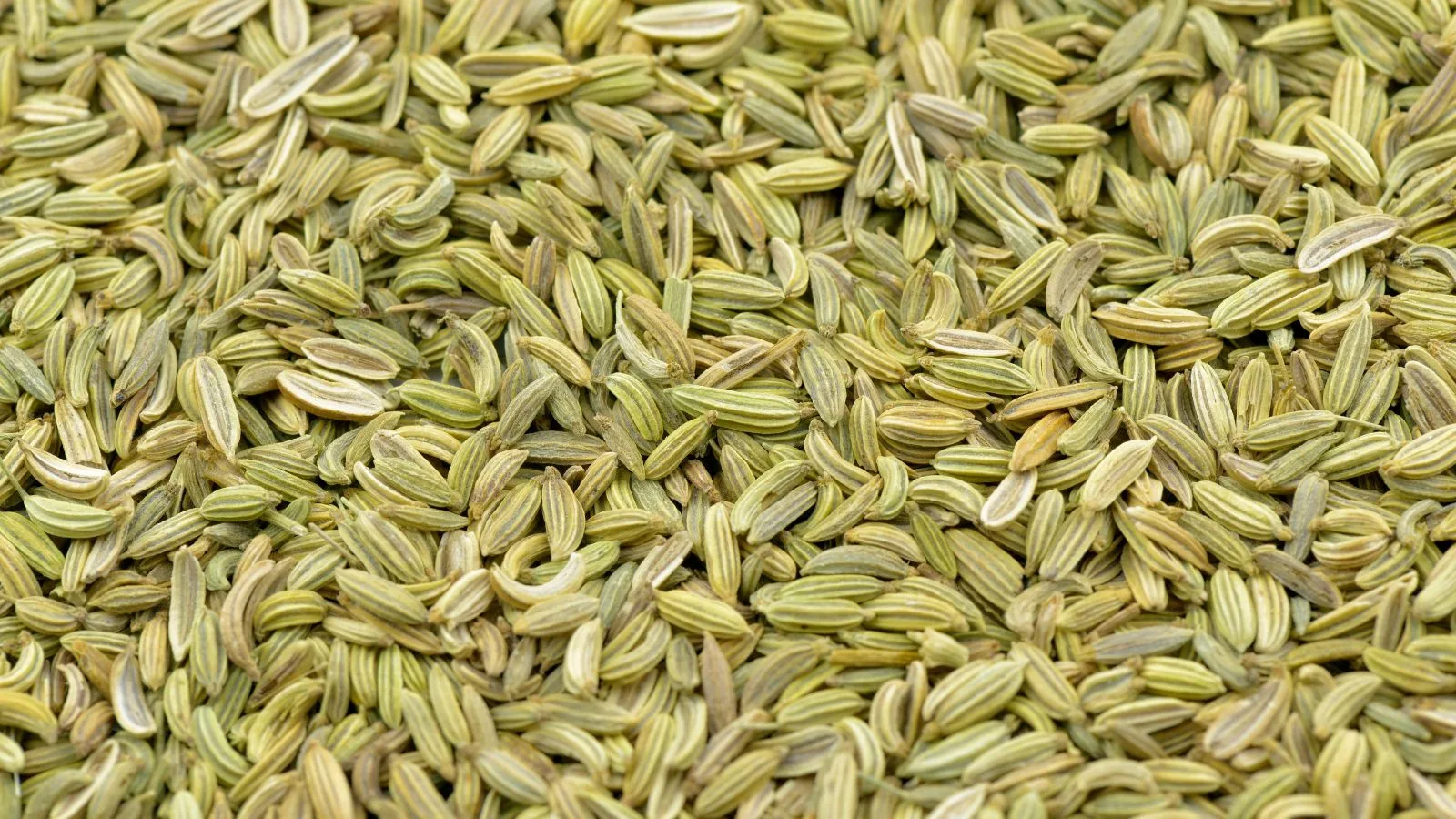
    Fennel (Foeniculum vulgare) is a highly aromatic and flavorful herb used in culinary and medicinal applications. It belongs to the Apiaceae family and is widely cultivated across various regions for its seeds, leaves, and essential oil. Traditionally, fennel has been used to treat digestive issues, respiratory disorders, and menstrual irregularities.

    Scientific Classification

    • Kingdom: Plantae
    • Phylum: Angiosperms
    • Class: Eudicots
    • Order: Apiales
    • Family: Apiaceae
    • Genus: Foeniculum
    • Species: Foeniculum vulgare

    Common Names

    • English: Fennel
    • Sanskrit: Shatapushpa
    • Hindi: Saunf
    • Tamil: Perunjeeragam
    • Telugu: Sopu
    • Bengali: Mouri
    • Marathi: Badishep

    Daily Routine Uses of Fennel (Saunf)

    People often search for how to use fennel daily or simple home uses of fennel to support digestion and overall wellness. Fennel is gentle, cooling, and effective for daily wellness fennel routines, making it suitable for people of all age groups.

    1. After-Meal Digestive (Most Common Daily Use)

    Chewing ½ teaspoon fennel seeds after meals is one of the simplest and most powerful daily wellness fennel practices.
    This everyday habit helps with:

    • Gas & bloating
    • Acidity control
    • Faster digestion
    • Feeling lighter after meals

    2. Early-Morning Detox Drink (Fennel Soaked Water)

    If someone wants to know how to use fennel daily for detox and cooling, this is the best method.

    • Soak 1 tsp fennel seeds overnight
    • Drink the infused water in the morning

    Benefits:

    • Reduces body heat
    • Improves digestion
    • Clears toxins (Pitta balancing)
    • Supports weight management

    This is one of the most popular simple home uses of fennel in Ayurveda.

    3. Better Sleep Support

    A small pinch of fennel seeds with warm water at night:

    • Calms the mind
    • Reduces stress
    • Improves sleep quality

    This is another soft routine included under daily wellness fennel usage.

    4. Natural Mouth Freshener

    Chewing fennel is one of the most effective simple home uses of fennel for:

    • Freshening breath
    • Reducing bad odour
    • Improving saliva flow
    • Supporting oral hygiene

    Because fennel is sweet, aromatic, and cooling, it is widely used in Indian digestive mukhwas blends.

    Kitchen & Culinary Uses of Fennel

    Fennel (Saunf) has a long history in Indian cuisine. Many people look for fennel uses in kitchen and recipes using fennel because of its sweet aroma, cooling nature, and digestive benefits.

    1. In Indian Cuisine (Traditional & Everyday Uses)

    a) Curries, Dals & Gravies
    Fennel seeds are added to:

    • Curries
    • Dals
    • Vegetable gravies

    They provide a mild sweetness and improve digestion after consuming heavy meals. This is why fennel is known as a sweet fennel digestive spice in Indian cooking.
    b) Gujarati & Rajasthani Dishes
    Fennel is a key ingredient in:

    • Gujarati sweet-spicy shaaks
    • Rajasthani masala blends
    • Farsan
    • Kadhi

    It cools the body and balances heavy foods.
    c) Tadka, Chutneys & Pickles
    Fennel is used in tempering to enhance flavour and aroma. It is also added to:

    • Lemon pickles
    • Mango pickles
    • Sweet chutneys
    • Dry masala mixes

    It acts as a natural preservative and adds a refreshing taste.
    d) Digestive Mukhwas
    Fennel is the base ingredient for many digestive mukhwas because it:

    • Improves digestion
    • Freshens breath
    • Provides cooling effect

    This is a common and popular fennel use in kitchen.

    2. Summer Cooling Drinks

    If someone wants to know how to use fennel daily in drinks, these two are the best:
    a) Saunf Sharbat
    A refreshing beverage that:

    • Cools the body
    • Hydrates
    • Reduces heat-related headaches

    b) Fennel Detox Water
    Made by soaking fennel seeds in water for a few hours.
    Benefits:

    • Detoxifies
    • Reduces acidity
    • Boosts metabolism
    • Controls internal heat

    These drinks are popular especially during summer as natural cooling remedies.
    Read More: Fennel Uses, Benefits & Applications

    Traditional and Medicinal Uses

    • Digestive Health – Acts as a natural carminative, relieving bloating, indigestion, and gas.
    • Respiratory Benefits – Works as an expectorant, helping clear mucus and ease cough and bronchitis.
    • Menstrual and Reproductive Health- Functions as an emmenagogue, aiding in menstrual regulation and reducing cramps.
    • Antioxidant and Anti-inflammatory Properties – Rich in flavonoids and phenolic compounds, providing anti-inflammatory effects.
    • Lactation Enhancer – Traditionally used to promote breast milk production in nursing mothers.

    Phytochemical Constituents

    • Essential Oils: Anethole, Estragole, Fenchone
    • Flavonoids: Quercetin, Kaempferol
    • Phenolic Compounds: Rosmarinic acid, Caffeic acid
    • Alkaloids: Umbelliferone, Bergapten

    References

    • Ayurvedic Pharmacopoeia of India (API), Govt. of India.
    • Sharangdhar Samhita, Chapter on Digestive Disorders.
    • Kamatou, G.P.P., Vermaak, I., & Viljoen, A.M. (2013). “An updated review of Foeniculum vulgare essential oils: Phytochemistry and biological activities.” Journal of Ethnopharmacology, 146(3), 508-513.
    • European Pharmacopoeia, 10th Edition, Council of Europe.
    • Rahimi, R., & Ardekani, M.R. (2013). “Medicinal properties of fennel (Foeniculum vulgare): A systematic review.” Journal of Phytotherapy Research, 27(6), 897-916.
    • Chopra, R.N., Nayar, S.L., & Chopra, I.C. (1956). Glossary of Indian Medicinal Plants. CSIR, New Delhi.
    • Ayurvedic Pharmacopoeia of India – Foeniculum vulgare
    • Bhavaprakasha Nighantu – Saunf varga
    • Charaka Samhita – Agni & Grahani chikitsa
    • Journal of Ethnopharmacology – Studies on Foeniculum vulgare
    • NCBI / PubMed – Anti-inflammatory & digestive actions of fennel
    • API Monographs on culinary & medicinal herbs

    chitrak – Plumbago zeylanica

    chitrak

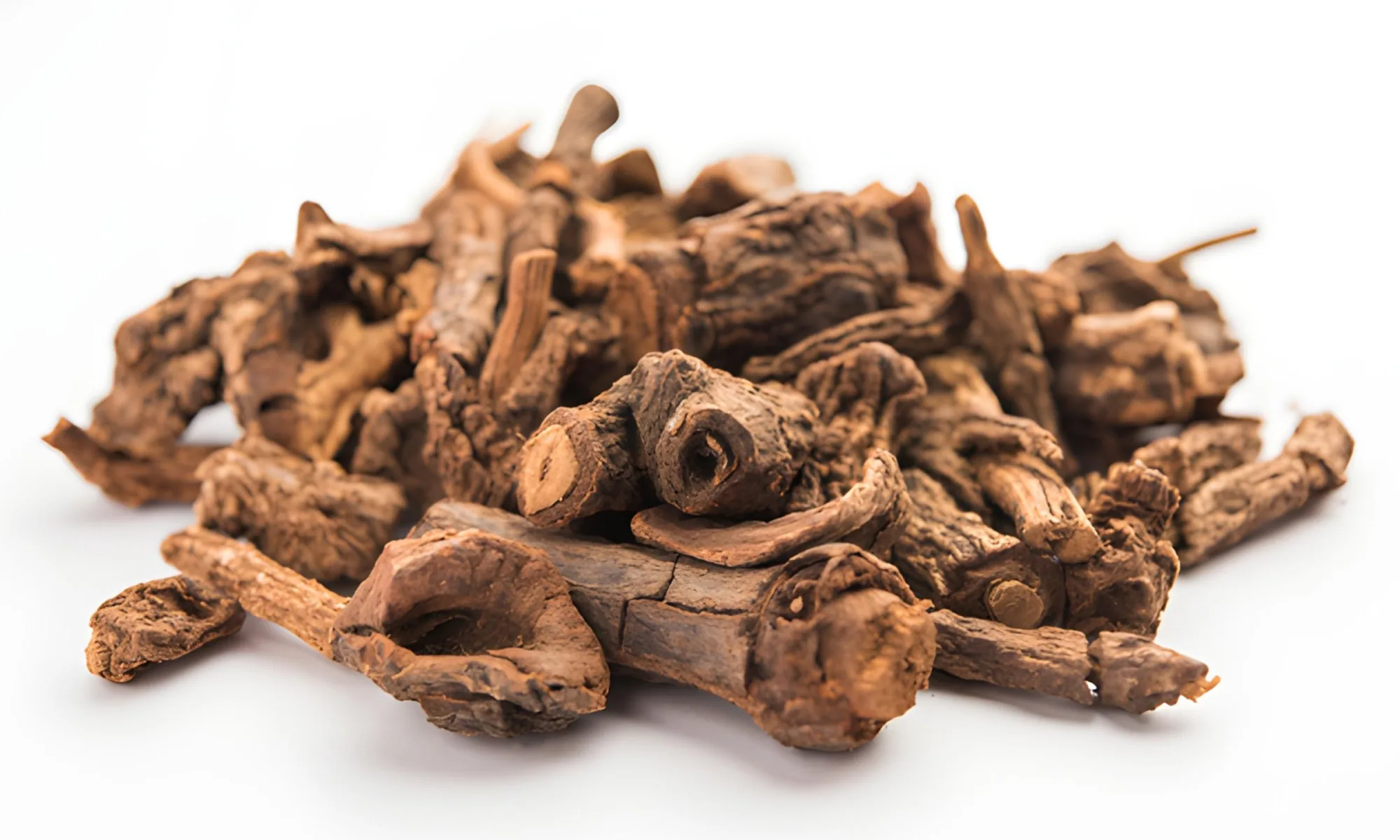
    Plumbago zeylanica (Chitrak) is a powerful medicinal herb widely used in Ayurveda for its digestive, anti-inflammatory, and antimicrobial properties. It helps in treating piles, indigestion, respiratory issues, joint pain, liver disorders, and skin diseases. Chitrak also supports child digestive health, hair growth, and weight management due to its metabolism-boosting properties.

    Scientific Classification

    • Kingdom: Plantae
    • Phylum: Angiosperms
    • Class: Eudicots
    • Order: Caryophyllales
    • Family: Plumbaginaceae
    • Genus: Plumbago
    • Species: Plumbago zeylanica L.

    Common Names

    • Assamese : Agiyachit, Agnachit
    • Bengali : Chita
    • English : Lead war
    • Gujrati : Chitrakmula
    • Hindi : Chira, Chitra
    • Kannada : Chitramula, Vahni, Bilichitramoola
    • Kashmiri : Chitra, Shatranja
    • Malayalam : Vellakeduveli, Thumpokkoduveli
    • Marathi : Chitraka
    • Oriya : Chitamula, Chitoparu
    • Punjabi : Chitra
    • Tamil : Chitramoolam, Kodiveli
    • Telugu : Chitramulam
    • Urdu : Sheetraj Hindi, Cheetah

    Traditional and Medicinal Uses

    • Digestive Disorders: Used as a digestive stimulant, it helps in conditions like indigestion, loss of appetite, and constipation.
    • Piles Care: Traditionally used for managing hemorrhoids and anal fissures by reducing inflammation and improving digestion.
    • Child Digestive Health: Helps in relieving colic pain, bloating, and mild constipation in children when used in controlled doses.
    • Weight Management: Used in Ayurveda to enhance metabolism, improve digestion, and assist in fat metabolism.
    • Skin Conditions: Applied externally for treating eczema, psoriasis, and other dermatological disorders.
    • Respiratory Ailments: Traditionally used for managing asthma, bronchitis, and chronic cough.
    • Fever Management: Acts as an antipyretic and helps reduce fever.
    • Rheumatism & Arthritis: Reduces joint pain and inflammation.
    • Liver Disorders: Known for hepatoprotective properties and helps in liver detoxification.

    Phytochemical Constituents

    • Plumbagin (5-hydroxy-2-methyl-1,4-naphthoquinone) – a potent naphthoquinone with strong pharmacological activities.
    • Flavonoids – Contributing to antioxidant properties
    • Alkaloids – Providing antimicrobial and anti-inflammatory benefits.
    • Triterpenoids – Known for their hepatoprotective and immune-boosting properties.
    • Glycosides, Steroids, and Tannins – Supporting various biological activities.

    References

    Mishra, S., & Aeri, V. (2016). “Pharmacognostic and phytochemical studies on Plumbago zeylanica L.: An important medicinal plant.” International Journal of Pharmaceutical Sciences and Research, 7(2), 517-524.

    Patel, R., & Patel, N. (2018). “Plumbagin: A review on its sources, pharmacological significance, and toxicity profile.” Asian Journal of Pharmaceutical and Clinical Research, 11(3), 5-12.

    Goyal, M., & Kadnur, S. (2006). “Hepatoprotective activity of Plumbago zeylanica Linn. root extract against CCl4-induced liver damage in rats.” Indian Journal of Experimental Biology, 44(4), 305-311.

    Chakraborty, S., & Roy, M. (2015). “Anticancer potential of plumbagin: A natural compound with therapeutic promise.” Journal of Natural Remedies, 15(1), 34-45.

    Kumar, S., & Sharma, A. (2020). “Antioxidant and anti-inflammatory properties of Plumbago zeylanica root extracts.” Journal of Herbal Medicine, 10(2), 58-67.

    Ministry of Health and Family Welfare, Government of India. (1989). The Ayurvedic Pharmacopoeia of India (Part I, Vol. I, p. 39). New Delhi: Department of Ayurveda, Yoga & Naturopathy, Unani, Siddha, and Homoeopathy (AYUSH).

    Elaichi / Cardamom (Elettaria cardamomum)

    elaichi

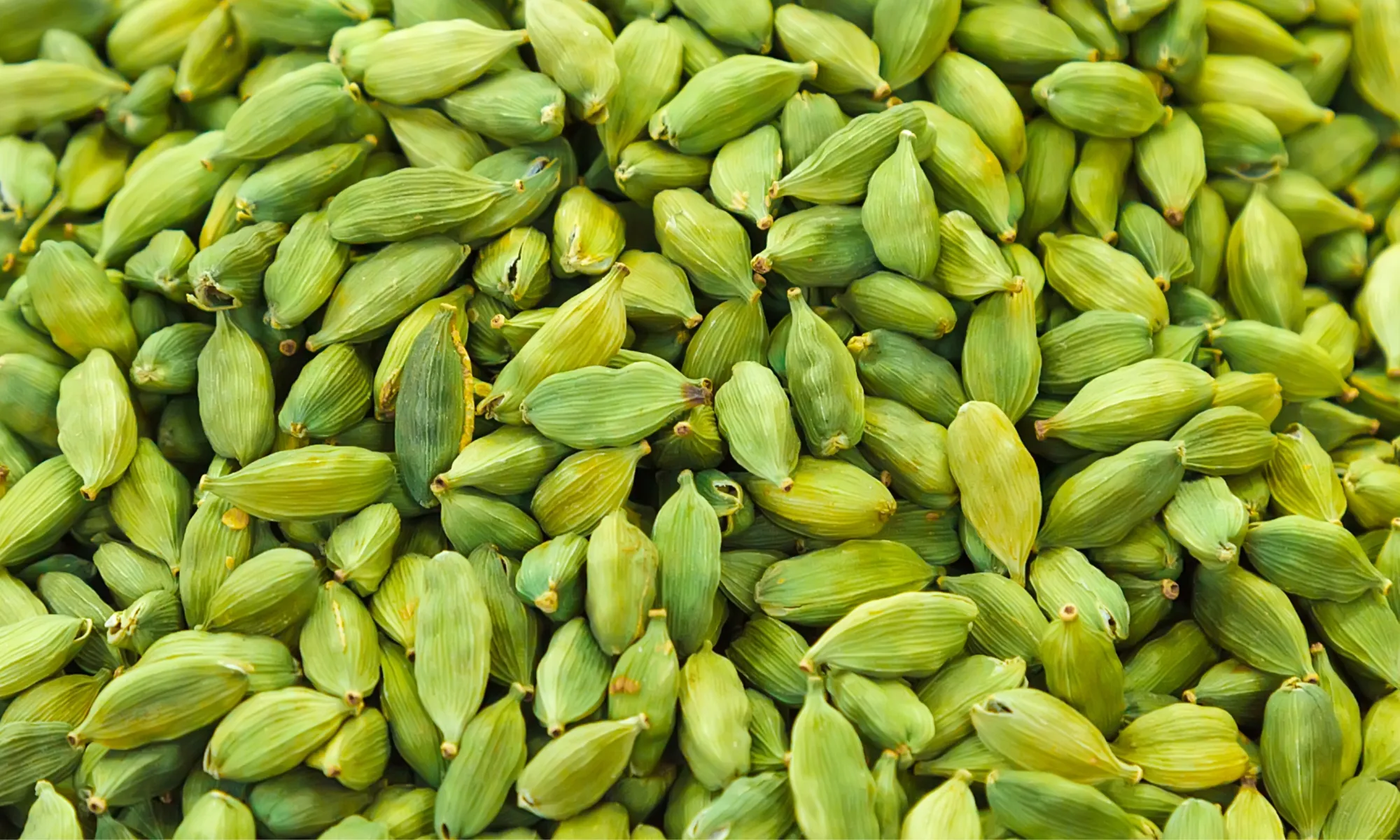
    Cardamom (Elettaria cardamomum) is a perennial herb valued for its fragrant seeds, commonly used in culinary spices and traditional healing practices. Cardamom, a spice from the Zingiberaceae family, is originally found in Indonesia and the Indian subcontinent. It is valued for its digestive, anti-inflammatory, and antimicrobial properties and is often used in Ayurvedic and Unani medicine to manage respiratory issues, digestive disorders, and oral health.

    Cardamom Scientific Names

    • Kingdom: Plantae
    • Phylum: Angiosperms
    • Class: Monocots
    • Order: Zingiberales
    • Family: Zingiberaceae
    • Genus: Elettaria
    • Species: Elettaria cardamomum

    Cardamom Common Names

    • English: Cardamom
    • Sanskrit: Ela, Truti
    • Hindi: Elaichi
    • Tamil: Elakkai
    • Telugu: Elakulu
    • Kannada: Elakki
    • Malayalam: Elathari
    • Bengali: Elach
    • Marathi: Velchi

    Daily Routine & Simple Home Uses

    1. Elaichi Warm Water (Morning Routine)

    Crush 1–2 elaichi pods and steep in warm water overnight. Drink in the morning to support digestion, detox, and fresh breath.

    2. Elaichi Tea / Herbal Infusion

    Boil crushed cardamom pods in water for 5 minutes. Sip after meals to reduce bloating and heaviness.

    3. Post-Meal Elaichi Chew

    Chew 1 pod after food — one of the simplest and most effective simple home uses of elaichi for digestion and oral hygiene.

    4. Elaichi Milk (Traditional Use)

    Add crushed elaichi to warm milk at night to support relaxation, digestion, and sleep quality.

    5. Elaichi Steam (Aromatic Relief)

    Add crushed elaichi to hot water and inhale steam to refresh senses and support respiratory comfort.

    Culinary & Lifestyle Uses of Elaichi

    In Indian Cooking

    • Used in curries, gravies & rice dishes
    • Essential ingredient in garam masala
    • Adds aroma to sweets and desserts

    In Beverages

    • Chai & herbal teas
    • Elaichi milk
    • Detox drinks

    In Baking & Desserts

    • Cakes, cookies, kheer, halwa
    • Traditional sweets & festive recipes

    Elaichi enhances flavor while improving digestibility, making it a perfect culinary spice.

    Cardamom Uses

    • Digestive Health – Acts as a carminative and digestive aid. Helps in relieving flatulence, indigestion, and nausea.
    • Respiratory Health – Used as an expectorant in cough, asthma, bronchitis, and cold.
    • Oral and Dental Health – Freshens breath and is used in treating bad breath and oral infections due to its antimicrobial properties.
    • Anti-inflammatory & Antioxidant – Contains potent antioxidants that combat oxidative stress and reduce inflammation.
    • Urinary Health – Used to manage burning micturition and urinary tract infections in Ayurvedic practice.
    • Aphrodisiac – Traditionally known to enhance libido and reproductive health.

    Phytochemical Constituents

    Cardamom is rich in volatile oils and phenolic compounds which contribute to its therapeutic actions:

    • Essential Oils: 1,8-Cineole, α-Terpinyl acetate, Linalool, Limonene
    • Flavonoids: Quercetin, Kaempferol
    • Phenolic acids: Gallic acid, Protocatechuic acid
    • Sterols & Terpenoids: β-Sitosterol, Pinene
    • Alkaloids: Choline
    • Other Compounds: Tannins, Saponins

    References

    • Ayurvedic Pharmacopoeia of India (API). Part I, Volume II. Government of India, Ministry of AYUSH.
    • Weiss, R. F. (2001). Herbal Medicine. Thieme Medical Publishers.
    • Bhowmik, D., et al. (2012). “Medicinal uses of cardamom and its health benefits.” Journal of Chemical and Pharmaceutical Research, 4(3), 1240-1244.
    • Verma, R. S., et al. (2009). “Chemical composition and antimicrobial activity of cardamom (Elettaria cardamomum) essential oil.” Journal of Medicinal Plants Research, 3(6), 386–389.
    • European Pharmacopoeia, 10th Edition, Council of Europe.
    • Chopra, R. N., Nayar, S. L., & Chopra, I. C. (1956). Glossary of Indian Medicinal Plants. Council of Scientific and Industrial Research (CSIR), New Delhi.
    • Sharangdhar Samhita, Chapter on Digestive and Respiratory Disorders.
    • Charaka Samhita & Bhavaprakasha Nighantu – Ayurvedic uses of Elaichi.
    • Journal of Food Science & Nutrition – Antioxidant properties of cardamom.
    • International Journal of Ayurveda Research – Digestive & metabolic effects.
    • PubMed – Cardamom phytochemical and antimicrobial studies.
    • Traditional Indian dietary practices & herbal texts.

    Clove / Laving (Syzygium aromaticum)

    laving

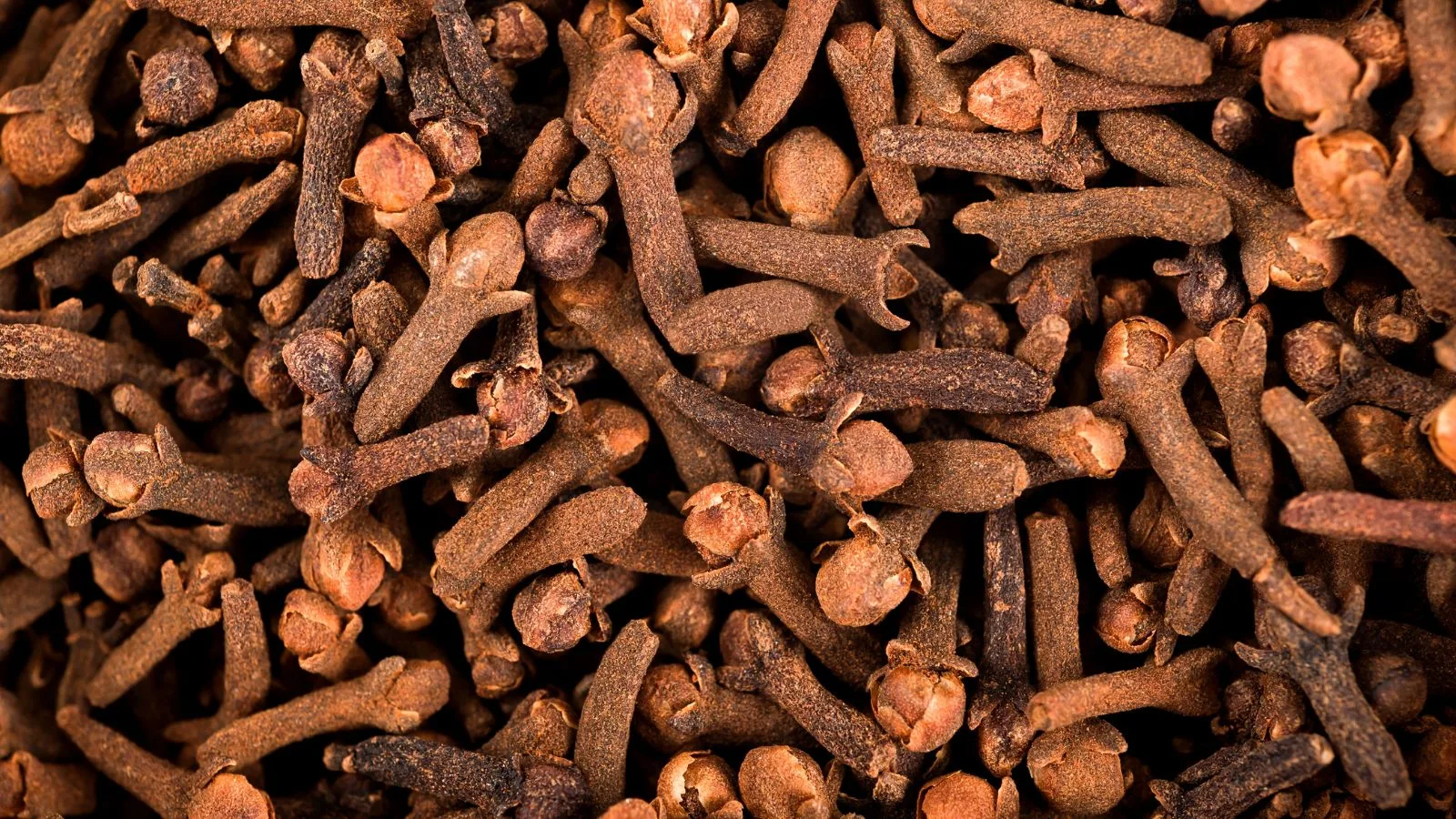
    Clove / Laving (Syzygium aromaticum) is a dried flower bud of a tree belonging to the family Myrtaceae. Native to the Maluku Islands of Indonesia, it is widely cultivated and used around the world, particularly in culinary, pharmaceutical, and traditional medicine systems. Clove is renowned for its antimicrobial, analgesic, anti-inflammatory, and antioxidant properties, making it a valuable herb in Ayurveda, Unani, and Siddha systems of medicine.

    Clove Scientific Names

    • Kingdom: Plantae
    • Phylum: Angiosperms
    • Class: Eudicots
    • Order: Myrtales
    • Family: Myrtaceae
    • Genus: Syzygium
    • Species: Syzygium aromaticum

    Clove Common Names

    • English: Clove
    • Sanskrit: Lavanga
    • Hindi: Laung
    • Tamil: Kirambu
    • Telugu: Lavangam
    • Malayalam: Grambu
    • Kannada: Lavanga
    • Marathi: Lavang
    • Bengali: Labanga

    Clove Common Names

    1. Clove Tea for Daily Digestion Support

    If your stomach feels heavy or bloated, a simple clove tea works wonders.
    Boil 1–2 whole cloves in hot water for a few minutes and sip slowly. It gently warms the stomach, reduces discomfort, and helps settle nausea.

    2. Clove + Ginger Warm Drink After Meals

    A time-tested home remedy is to crush one clove and mix it with fresh ginger in warm water.
    This combination helps reduce gas, improves digestion, and makes you feel lighter after heavy or oily meals.

    3. Clove Oil for Tooth & Gum Relief

    For a sudden toothache or gum soreness, dilute a single drop of clove essential oil in coconut oil and apply with a cotton swab.
    It offers quick relief because clove contains eugenol, a natural numbing compound used even by traditional dentists.

    4. Clove Steam for Seasonal Comfort

    Adding a few cloves to steaming water makes the vapour more aromatic and soothing.
    It helps relieve blocked nose, mild cold symptoms, and sinus heaviness — especially during winter.

    5. Everyday Cooking With Clove

    Using clove in food is the simplest daily wellness habit.
    Add a clove or two to curries, pulao, masala chai, biryani, or spice blends.
    It enhances aroma and supports digestion without altering the recipe heavily.
    Read More: Clove Uses & Benefits Explained

    Internal & Lifestyle Uses of Clove

    1. Clove in Ayurvedic Kadhas & Immunity Tonics

    Clove works beautifully with herbs like cinnamon, tulsi, and black pepper.
    This strengthening combination is widely used in kadhas to support immunity, respiratory comfort, and seasonal wellness.

    2. Digestive & Detox Blends

    Many herbal elixirs use clove because it stimulates digestion, supports detox pathways, and helps the gut stay active.
    It provides warmth, improves metabolism, and reduces sluggishness.

    3. Natural Wellness Supplements

    Clove extracts — especially those rich in eugenol — are used in formulations for:

    • oral hygiene
    • inflammation balance
    • metabolic support
    • antioxidant protection

    These supplements are usually taken in controlled amounts as part of a long-term wellness routine.

    Clove Uses

    • Dental and Oral Health – Used for toothaches and gum infections due to its analgesic and antiseptic properties.
    • Digestive Health – Helps relieve indigestion, bloating, and flatulence. Acts as a carminative.
    • Respiratory Disorders – Used in managing cough, asthma, and bronchitis as an expectorant.
    • Anti-inflammatory and Pain Relief – Topical application provides relief from muscle pain, joint inflammation, and arthritis.
    • Immune Support and Antioxidant Action – Rich in antioxidants like eugenol, which supports the immune system and reduces oxidative stress.
    • Antimicrobial Action – Exhibits broad-spectrum antimicrobial activity against bacteria, fungi, and viruses.

    Phytochemical Constituents

    Clove is rich in essential oils and bioactive compounds, including:

    Essential Oils:

    • Eugenol (main constituent, up to 80–90%)
    • Caryophyllene
    • Acetyl eugenol

    Phenolic Compounds:

    • Gallic acid
    • Tannins

    Flavonoids:

    • Quercetin
    • Kaempferol

    Others:

    • Saponins
    • Steroids
    • Terpenoids

    References

    • Ayurvedic Pharmacopoeia of India, Part I, Vol. IV, Govt. of India, Ministry of AYUSH.
    • Indian Materia Medica by K.M. Nadkarni, Popular Prakashan, Mumbai.
    • Chopra, R.N., Nayar, S.L., & Chopra, I.C. (1956). Glossary of Indian Medicinal Plants. CSIR, New Delhi.
    • European Pharmacopoeia, 10th Edition, Council of Europe.
    • Chaieb, K. et al. (2007). “Antibacterial activity of Syzygium aromaticum essential oil against a wide range of clinical bacteria.” International Journal of Antimicrobial Agents, 30(3), 304–308.
    • Cortés-Rojas, D.F., de Souza, C.R.F., & Oliveira, W.P. (2014). “Clove (Syzygium aromaticum): A precious spice.” Asian Pacific Journal of Tropical Biomedicine, 4(2),
    • Singh, G., et al. (2005). “Chemical composition and antimicrobial activity of essential oil of clove (Syzygium aromaticum) from India.” Flavour and Fragrance Journal, 20, 55–58.

    NAGOD (Vitex negundo)

    NAGOD (Vitex negundo)

    Nagod (Vitex negundo L.) is a large aromatic shrub traditionally used in Ayurvedic, Siddha, and Unani medicine systems. It belongs to the Lamiaceae family and is known for its potent anti-inflammatory, analgesic, anti-bacterial, and anti-asthmatic properties. The plant is extensively utilized for treating joint pain, respiratory ailments, skin disorders, and fever, making it a cornerstone in herbal medicine for musculoskeletal and respiratory conditions.

    Nagod Scientific Names

    • Kingdom: Plantae
    • Phylum: Angiosperms
    • Class: Eudicots
    • Order: Lamiales
    • Family: Lamiaceae
    • Genus: Vitex
    • Species: Vitex negundo L.

    Nirgundi Common Name

    • English: Chinese Chaste Tree, Five-Leaved Chaste Tree
    • Sanskrit: Nirgundi
    • Hindi: Nagod / Nirgundi
    • Tamil: Nochi
    • Telugu: Nocchi
    • Malayalam: Indrani
    • Kannada: Nirgundi
    • Bengali: Nishinda
    • Marathi: Nagod

    Nirgundi Uses

    • Joint and Muscular Pain Relief – Used in Ayurveda as an anti-inflammatory and analgesic for conditions like arthritis, sciatica, and muscular injuries.
    • Respiratory Health – Acts as an expectorant and is used in cough, asthma, and bronchitis.
    • Skin Disorders – Antibacterial and antifungal properties help in treating eczema, wounds, and boils.
    • Fever and Infections – Traditionally used to treat intermittent fever, malaria, and general infections.
    • Gynecological Uses – Helps in managing menstrual disorders and is used as a uterine tonic in folk medicine.
    • Phytochemical Constituents

      Vitex negundo contains several pharmacologically active constituents that contribute to its wide range of therapeutic applications:

      • Flavonoids: Vitexin, Casticin, Orientin
      • Iridoid Glycosides: Negundoside
      • Terpenoids: β-sitosterol, Lupeol
      • Phenolic Compounds: p-Hydroxybenzoic acid
      • Essential Oils: Sabinene, 1,8-cineole, α-pinene, Linalool
      • Alkaloids: Vitenegundine

      References

      Ayurvedic Pharmacopoeia of India (API), Part I, Vol. 1, Government of India, Ministry of AYUSH.

      Chopra, R.N., Nayar, S.L., & Chopra, I.C. (1956). Glossary of Indian Medicinal Plants, CSIR, New Delhi.

      Kirtikar, K.R., & Basu, B.D. (1935). Indian Medicinal Plants, Vol. 3, Lalit Mohan Basu, Allahabad.

      Dahanukar, S.A., Kulkarni, R.A., & Rege, N.N. (2000). “Pharmacology of medicinal plants and natural products.” Indian Journal of Pharmacology, 32, S81–S118.

      Sharma, R. (2003). Medicinal Plants of India: An Encyclopaedia, Daya Publishing House.

      Singh, G., et al. (2005). “Essential oil composition of Vitex negundo Linn. and its antimicrobial activity.” Natural Product Research, 19(5), 403–409.

      European Medicines Agency. Assessment Report on Vitex negundo L., Committee on Herbal Medicinal Products (HMPC), 2011.

    Follow us @polycareherbal

    0
      0
      Your Cart
      Your cart is emptyReturn to Shop