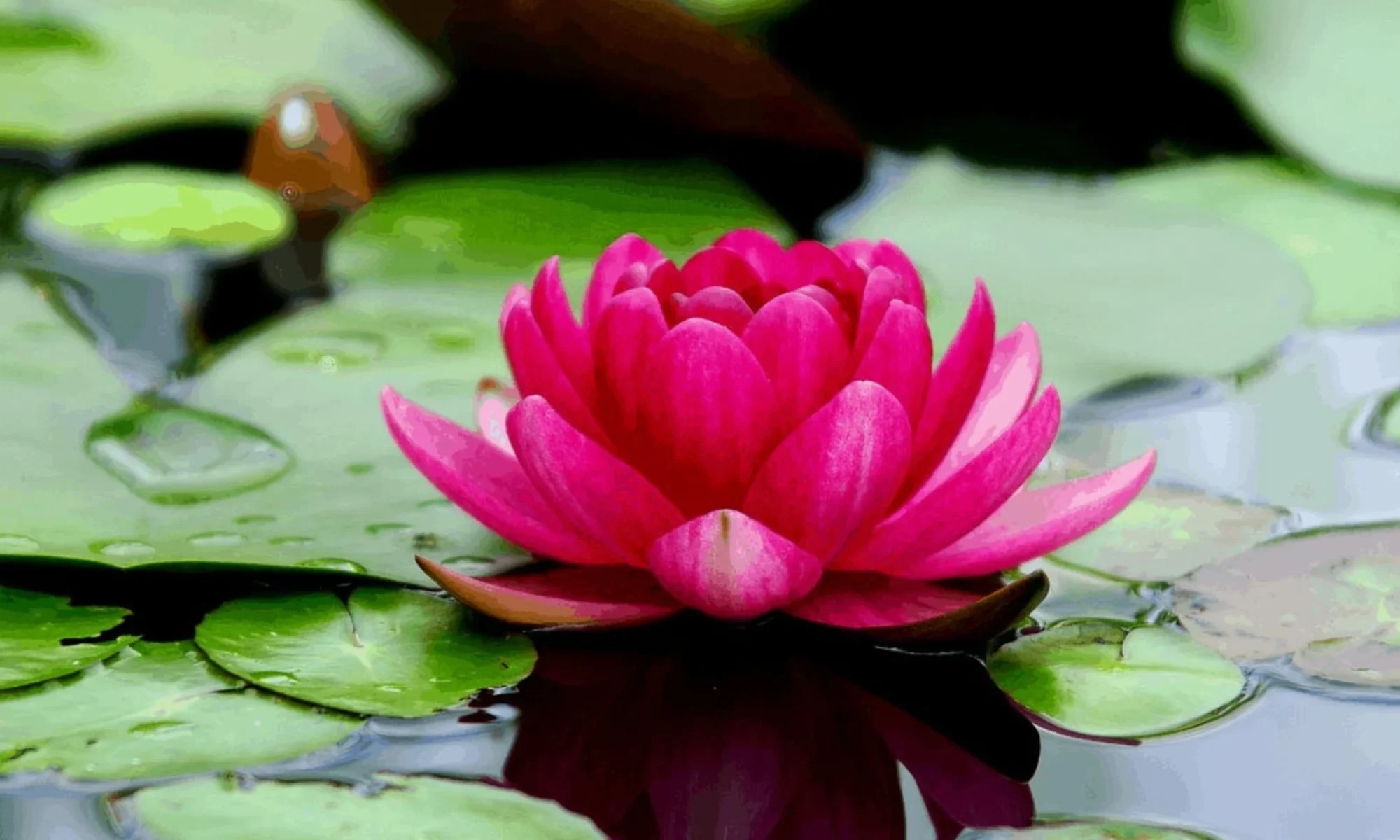
Kamal (Nelumbo nucifera), commonly known as Lotus, is a sacred aquatic plant widely used in traditional medicine, spirituality, and food systems. It belongs to the Nelumbonaceae family and is known for its beautiful flowers, edible rhizomes, and medicinal seeds. In Ayurveda, Lotus is valued for its cooling, astringent, and rejuvenating properties, helping in conditions like bleeding disorders, diarrhea, and inflammation.
Scientific Classification
- Kingdom: Plantae
- Phylum: Angiosperms
- Class: Eudicots
- Order: Proteales
- Family: Nelumbonaceae
- Genus: Nelumbo
- Species: Nelumbo nucifera
Common Names
- English: Lotus, Sacred Lotus
- Sanskrit: Kamala, Padma
- Hindi: Kamal
- Tamil: Thamarai
- Telugu: Tamara
- Bengali: Padma
- Marathi: Kamal
Traditional and Medicinal Uses
- Digestive Health: Acts as an astringent, helping manage diarrhea and dysentery, Supports digestion and reduces excessive gastric heat.
- Bleeding Disorders: Used in conditions like menorrhagia, bleeding piles, and nosebleeds due to its hemostatic properties.
- Cardiovascular Support: Helps in maintaining heart health and regulating blood pressure.
- Cooling and Pitta Pacifying: Possesses strong cooling (Sheetal) properties, useful in reducing body heat and Pitta imbalance.
- Reproductive Health: Lotus seeds are used as a rejuvenative tonic, supporting fertility and vitality.
- Skin and Anti-inflammatory Uses: Exhibits anti-inflammatory and antioxidant properties beneficial for skin disorders and inflammation.
References
- Ayurvedic Pharmacopoeia of India (API), Government of India.
- The Wealth of India – Nelumbo nucifera, CSIR, New Delhi.
- Mukherjee, P.K., et al. (2009). “The sacred lotus (Nelumbo nucifera) – phytochemical and therapeutic profile.” Journal of Pharmaceutical Biology, 47(6), 514–523.
- Pharmacognosy and Phytochemistry of Medicinal Plants, Biren Shah & A.K. Seth.
- Chinese Pharmacopoeia, 2020 Edition.
- Chopra, R.N., Nayar, S.L., & Chopra, I.C. (1956). Glossary of Indian Medicinal Plants. CSIR, New Delhi.
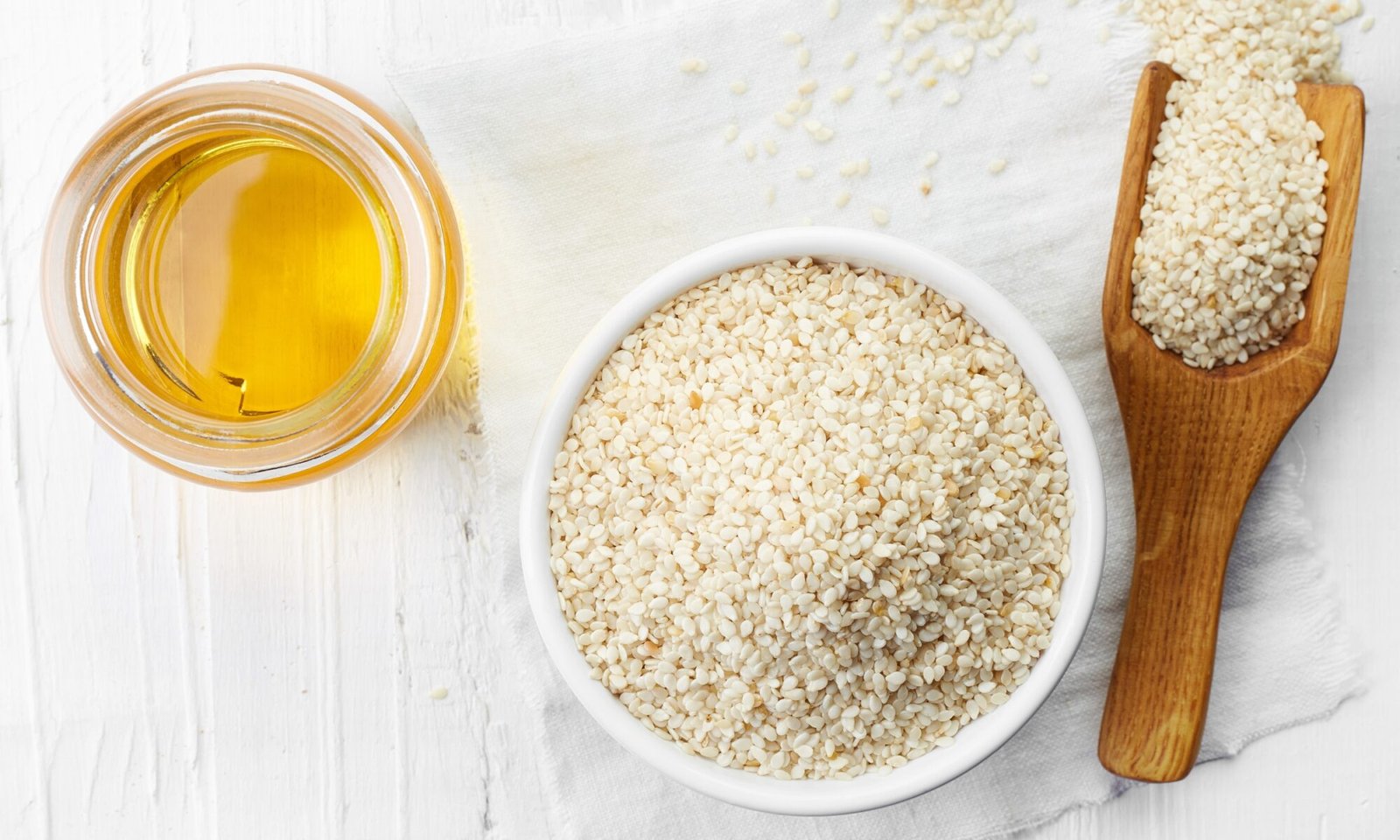
Sesame (Sesamum indicum) is one of the oldest oilseed crops known to mankind, widely cultivated for its nutrient-rich seeds and oil. It belongs to the Pedaliaceae family and is highly valued in Ayurvedic medicine for its nourishing, strengthening, and healing properties. Sesame seeds and oil are extensively used for promoting overall health, especially for bones, skin, hair, and digestive wellness.
Scientific Classification
- Kingdom: Plantae
- Phylum: Angiosperms
- Class: Eudicots
- Order: Lamiales
- Family: Pedaliaceae
- Genus: Sesamum
- Species: Sesamum indicum
Common Names
- English: Sesame
- Sanskrit: Tila
- Hindi: Til
- Tamil: Ellu
- Telugu: Nuvvulu
- Bengali: Til
- Marathi: Til
Traditional and Medicinal Uses
- Digestive Health: Acts as a mild laxative, helping relieve constipation and improving bowel movement.
- Bone and Joint Health: Rich in calcium and minerals, supports bone strength and helps in managing joint disorders like arthritis.
- Skin and Hair Care: Sesame oil is used for skin nourishment, wound healing, and improving hair strength and growth.
- Cardiovascular Health: Helps reduce cholesterol levels and supports heart health due to healthy fatty acids.
- Reproductive and General Vitality: Considered a rejuvenating (Rasayana) herb in Ayurveda, enhancing strength, stamina, and reproductive health.
References
- Ayurvedic Pharmacopoeia of India (API), Government of India.
- The Wealth of India: A Dictionary of Indian Raw Materials and Industrial Products, CSIR, New Delhi.
- Namiki, M. (2007). “Nutraceutical functions of sesame: A review.” Critical Reviews in Food Science and Nutrition, 47(7), 651–673.
- Elleuch, M., et al. (2007). “Sesame (Sesamum indicum L.) seeds in food, nutrition, and health.” Food Chemistry, 112(4), 929–940.
- European Pharmacopoeia, Council of Europe.
- Chopra, R.N., Nayar, S.L., & Chopra, I.C. (1956). Glossary of Indian Medicinal Plants. CSIR, New Delhi.
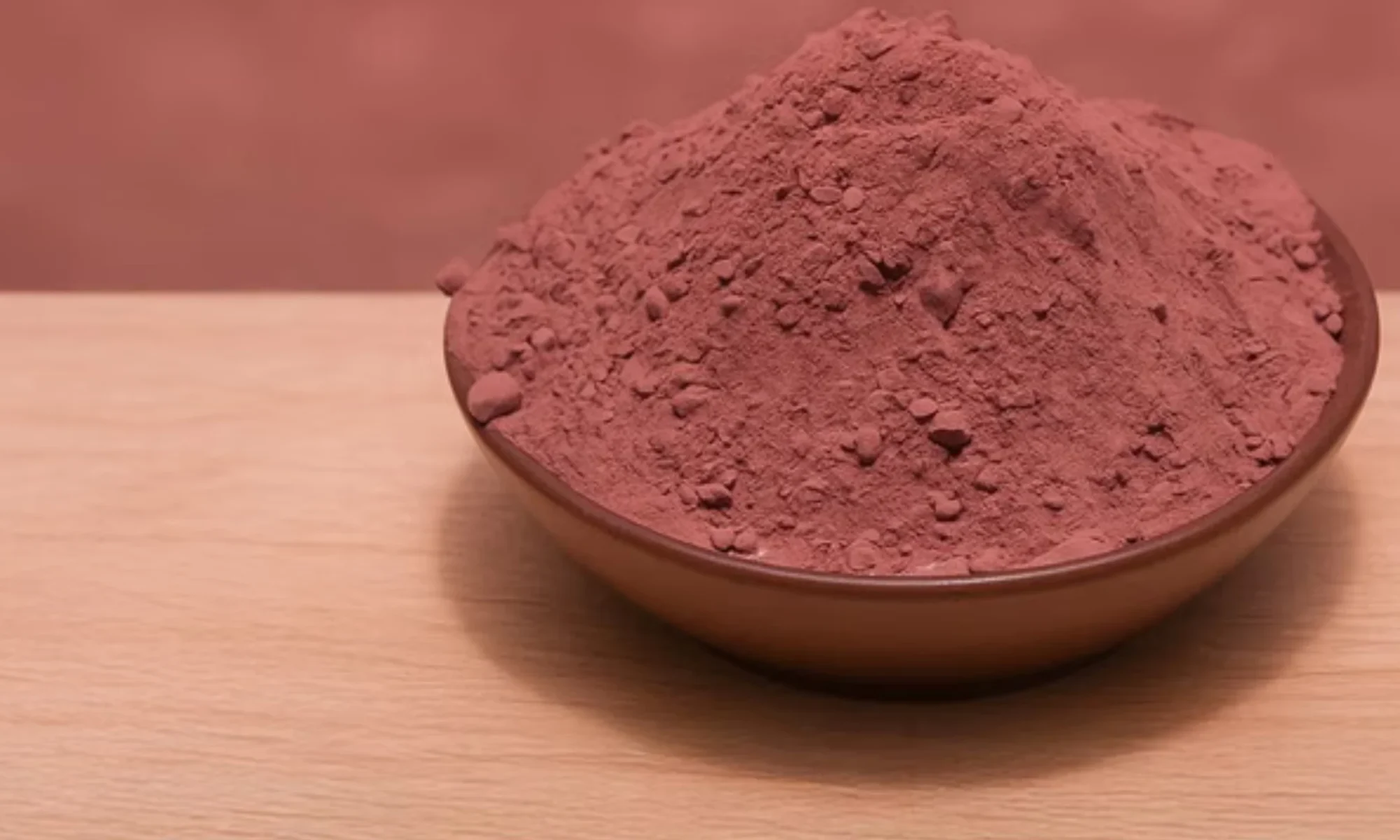
Loh Bhasma is a classical Ayurvedic mineral preparation obtained from purified iron (Lauha) through repeated incineration (Marana) processes. It is a fine, reddish-brown ash widely used in Rasashastra for its therapeutic properties, particularly in treating anemia, कमजोरी (weakness), and metabolic disorders. Properly prepared Loh Bhasma is considered highly bioavailable and safe when used as per classical guidelines.
Scientific Classification
- Kingdom: Mineral (Inorganic origin)
- Chemical Nature: Iron Oxide-based compound
- Primary Component: Ferric oxide (Fe₂O₃)
- Category (Ayurveda): Dhatu Bhasma (Metallic preparation)
Common Names
- English: Iron Calx / Incinerated Iron
- Sanskrit: Lauha Bhasma
- Hindi: Loh Bhasma
- Gujarati: લોહ ભસ્મ
- Tamil: Loha Parpam
- Telugu: Loha Bhasmamu
- Marathi: Loh Bhasma
Traditional and Medicinal Uses
- Hematinic (Blood Enhancer): Widely used in Pandu Roga (Anemia) to improve hemoglobin levels and RBC count.
- Digestive and Metabolic Support: Enhances Agni (digestive fire) and improves metabolism. Useful in conditions like indigestion and loss of appetite.
- Liver Disorders: Supports liver function and is beneficial in hepatomegaly and jaundice.
- General Weakness and Fatigue: Acts as a Rasayana (rejuvenator) to improve strength, stamina, and vitality.
- Skin and Hair Health: Helps in improving complexion and is sometimes used in hair fall and त्वचा विकार (skin disorders).
References
- Ayurvedic Pharmacopoeia of India (API), Government of India.
- Rasatarangini, Sadananda Sharma – Chapter on Lauha Bhasma.
- Sharangdhar Samhita – Madhyama Khanda (Bhasma Kalpana).
- CCRAS (Central Council for Research in Ayurvedic Sciences) – Standardization of Bhasma.
- Mohapatra, S., Jha, C.B., & Mehta, A. (2010). “Preparation and characterization of Lauha Bhasma.” Journal of Ayurveda and Integrative Medicine.
- Kumar, A., Nair, A.G.C., Reddy, A.V.R., & Garg, A.N. (2006). “Bhasmas: Unique Ayurvedic metallic-herbal preparations, chemical characterization.” Journal of Pharmaceutical and Biomedical Analysis.
- Indian Pharmacopoeia Commission & Ministry of AYUSH – Standards for Ayurvedic formulations.
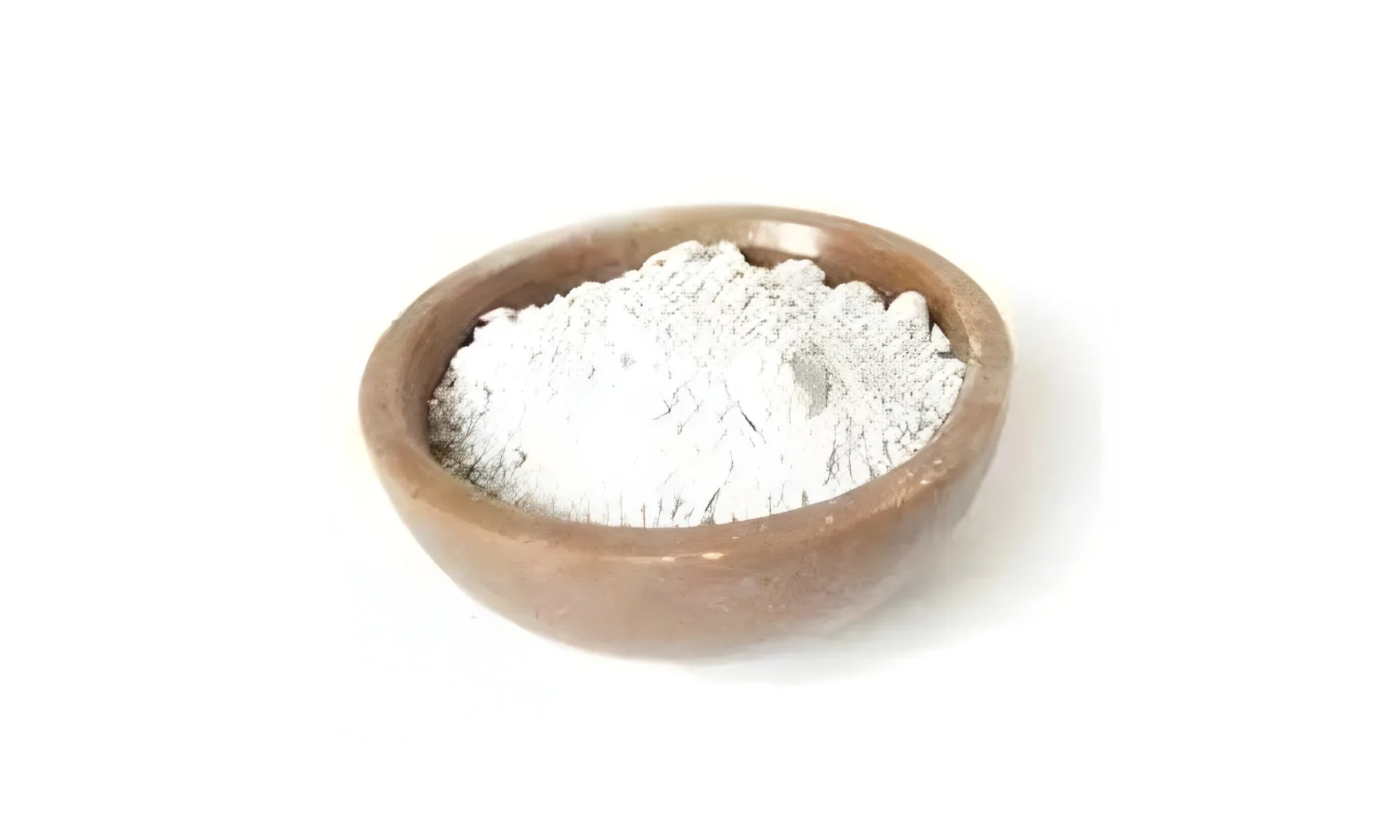
Kapardak Bhasma (Kapardika Bhasma) is an important Ayurvedic mineral preparation obtained from purified and incinerated shells of cowries (Cypraea moneta / Cypraea annulus). It is primarily composed of calcium carbonate and is widely used in Ayurveda for the management of digestive disorders, hyperacidity, and calcium deficiency-related conditions. The preparation involves classical processes like Shodhana (purification) and Marana (incineration) to enhance its bioavailability and therapeutic efficacy.
Scientific Classification
- Kingdom: Animalia
- Phylum: Mollusca
- Class: Gastropoda
- Order: Littorinimorpha
- Family: Cypraeidae
- Genus: Cypraea
- Species: Cypraea moneta / Cypraea annulus
Common Names
- English: Cowrie Shell Calx
- Sanskrit: Kapardika, Kapardaka
- Hindi: Kaudi Bhasma
- Gujarati: Kori Bhasma
- Marathi: Kavadi Bhasma
- Tamil: Sippi Parpam
- Telugu: Gavvalu Bhasma
Traditional and Medicinal Uses
- Digestive Disorders: Acts as a potent antacid, useful in Amlapitta (hyperacidity), gastritis, and indigestion. Improves digestion and reduces symptoms like bloating and acid reflux.
- Calcium Supplementation: Rich in bioavailable calcium, it helps in managing calcium deficiency, supporting bone strength and teeth health.
- Anti-ulcer Activity: Provides protective effects against gastric ulcers by neutralizing excess stomach acid.
- Pediatric Uses: Used in small doses in children for digestive weakness and calcium support under medical supervision.
- Skin and Metabolic Support: Traditionally used in some formulations for improving metabolism and skin health.
References
- Ayurvedic Pharmacopoeia of India (API), Government of India, Ministry of AYUSH.
- Rasatarangini, Sadananda Sharma – Chapter on Shukla Varga.
- Rasa Ratna Samuccaya – Classical Ayurvedic text on mineral preparations.
- Sharma, S., et al. (2010). “Standardization and physicochemical evaluation of Kapardika Bhasma.” International Journal of Ayurveda Research, 1(2), 82–86.
- Kulkarni, D.A. (1998). Rasaushadhi Kalpana Vigyan.
- Indian Pharmacopoeia Commission & CCRAS Monographs on Ayurvedic Formulations.
- Prasad, G.C., et al. (2012). “Analytical study of Kapardika Bhasma.” AYU Journal, 33(3), 406–410.
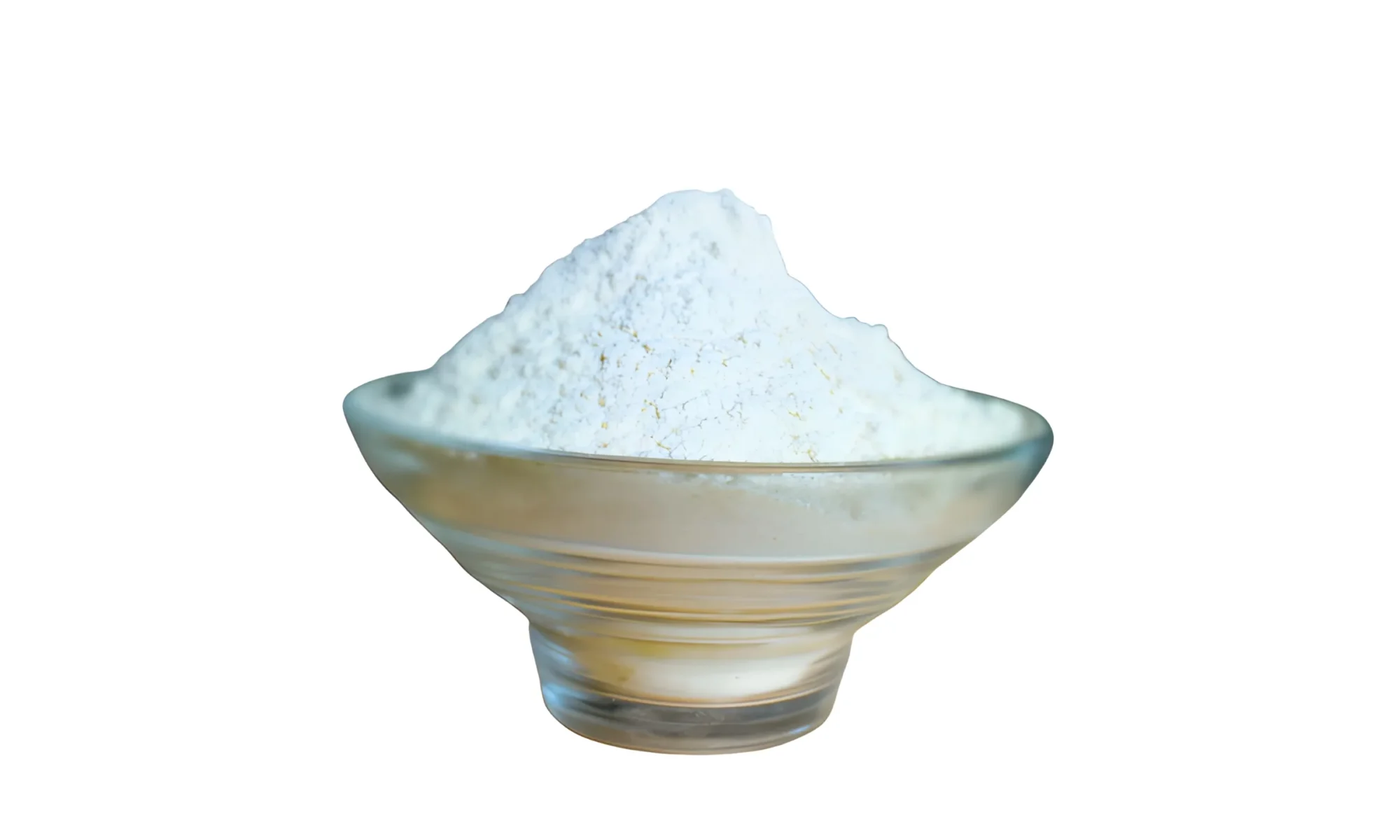
Praval Bhasma is a classical Ayurvedic mineral preparation derived from purified coral (Corallium rubrum). It is processed through traditional calcination (Marana) procedures to obtain a fine, bioassimilable powder rich in calcium compounds. Praval Bhasma is widely used in Ayurveda for managing calcium deficiency, acidity, respiratory disorders, and general debility. It is known for its cooling (Sheetal) and Pitta-pacifying properties.
Scientific Classification
- Kingdom: Animalia
- Phylum: Cnidaria
- Class: Anthozoa
- Order: Alcyonacea
- Family: Coralliidae
- Genus: Corallium
- Species: Corallium rubrum
Common Names
- English: Coral Calx / Red Coral Ash
- Sanskrit: Praval, Vidruma
- Hindi: Praval
- Gujarati: Praval
- Marathi: Praval
- Tamil: Pavalam
- Telugu: Pagadam
Traditional and Medicinal Uses
- Calcium Supplementation and Bone Health: Acts as a natural calcium source, strengthening bones and teeth. Useful in conditions like osteoporosis
- Hyperacidity and Gastric Disorders: Functions as an antacid, reducing acid reflux, heartburn, and gastritis. Helps in maintaining proper digestive balance.
- Respiratory Disorders: Beneficial in chronic cough, asthma, and bronchitis. Helps in reducing excess Kapha and improving breathing.
- Pitta Disorders: Possesses cooling properties, useful in conditions like burning sensation, fever, and bleeding disorders.
- General Tonic: Improves overall strength, vitality, and immunity. Often used in pediatric and geriatric care as a rejuvenative agent.
References
- Ayurvedic Pharmacopoeia of India (API), Government of India.
- Rasatarangini – Sadananda Sharma.
- Bhaishajya Ratnavali – Classical Ayurvedic Text.
- Sharma, S., et al. (2015). “Standardization and physicochemical evaluation of Praval Bhasma.” International Journal of Ayurvedic Medicine.
- Galib, R., et al. (2011). “Pharmaceutical standardization of Praval Bhasma.” AYU Journal, 32(3), 398–404.
- The Wealth of India – Raw Materials, CSIR, New Delhi.
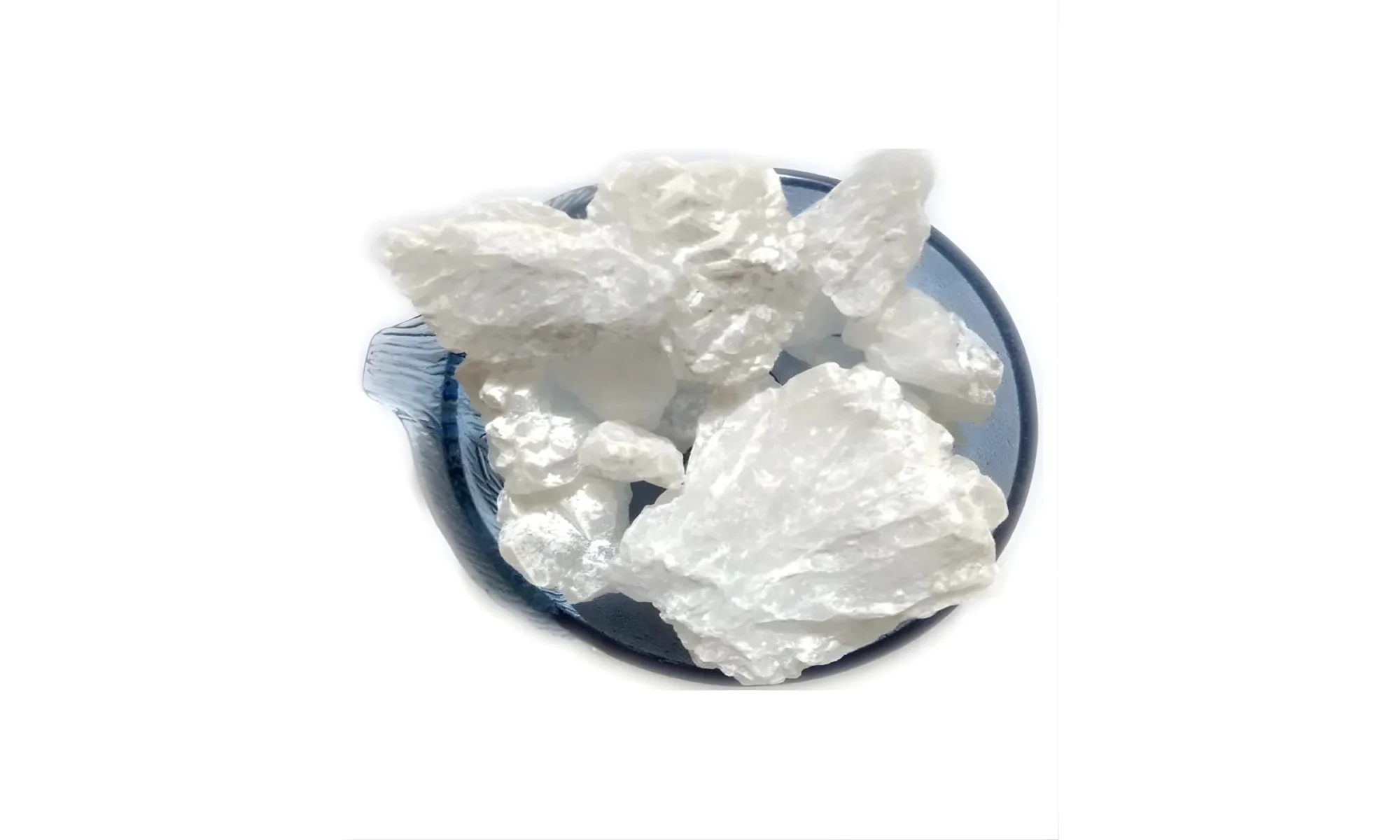
Tankankhar is a purified form of borax, chemically known as Sodium biborate (Sodium tetraborate). It is widely used in Ayurvedic medicine after proper purification (Shodhana). Tankankhar is valued for its alkaline, antiseptic, and expectorant properties and is commonly used in respiratory disorders, digestive issues, and certain gynecological conditions.
Common Names
- English: Borax / Purified Borax
- Sanskrit: Tankana
- Hindi: Tankan / Suhaga
- Gujarati: Tankan Khar
- Tamil: Vengaram
- Telugu: Veligaram
- Unani: Tinkar
Traditional and Medicinal Uses
- Respiratory Health: Acts as an expectorant, helping in conditions like cough, asthma, and bronchitis. Supports the loosening and effective removal of phlegm from the respiratory tract.
- Digestive Support: Works as a digestive stimulant and helps relieve indigestion and abdominal discomfort. Used in small doses for flatulence and colic pain.
- Gynecological Uses: Traditionally used for menstrual disorders and as a mild uterine stimulant. Applied in certain formulations for leucorrhoea.
- Antiseptic and Antimicrobial Action: Exhibits antiseptic properties, useful in wound cleaning and oral infections. Used in formulations for mouth ulcers and throat infections.
- Skin and External Applications: Applied externally in certain conditions like skin infections and itching.
References
- Ayurvedic Pharmacopoeia of India (API), Government of India.
- Rasatarangini – Sadananda Sharma, Chapter on Tankana.
- The Wealth of India: A Dictionary of Indian Raw Materials & Industrial Products, CSIR, New Delhi.
- Indian Pharmacopoeia, Government of India.
- Nadkarni, K.M. (2009). Indian Materia Medica. Popular Prakashan.
- European Pharmacopoeia, Council of Europe.
- O’Neil, M.J. (2013). The Merck Index: An Encyclopedia of Chemicals, Drugs, and Biologicals, 15th Edition.
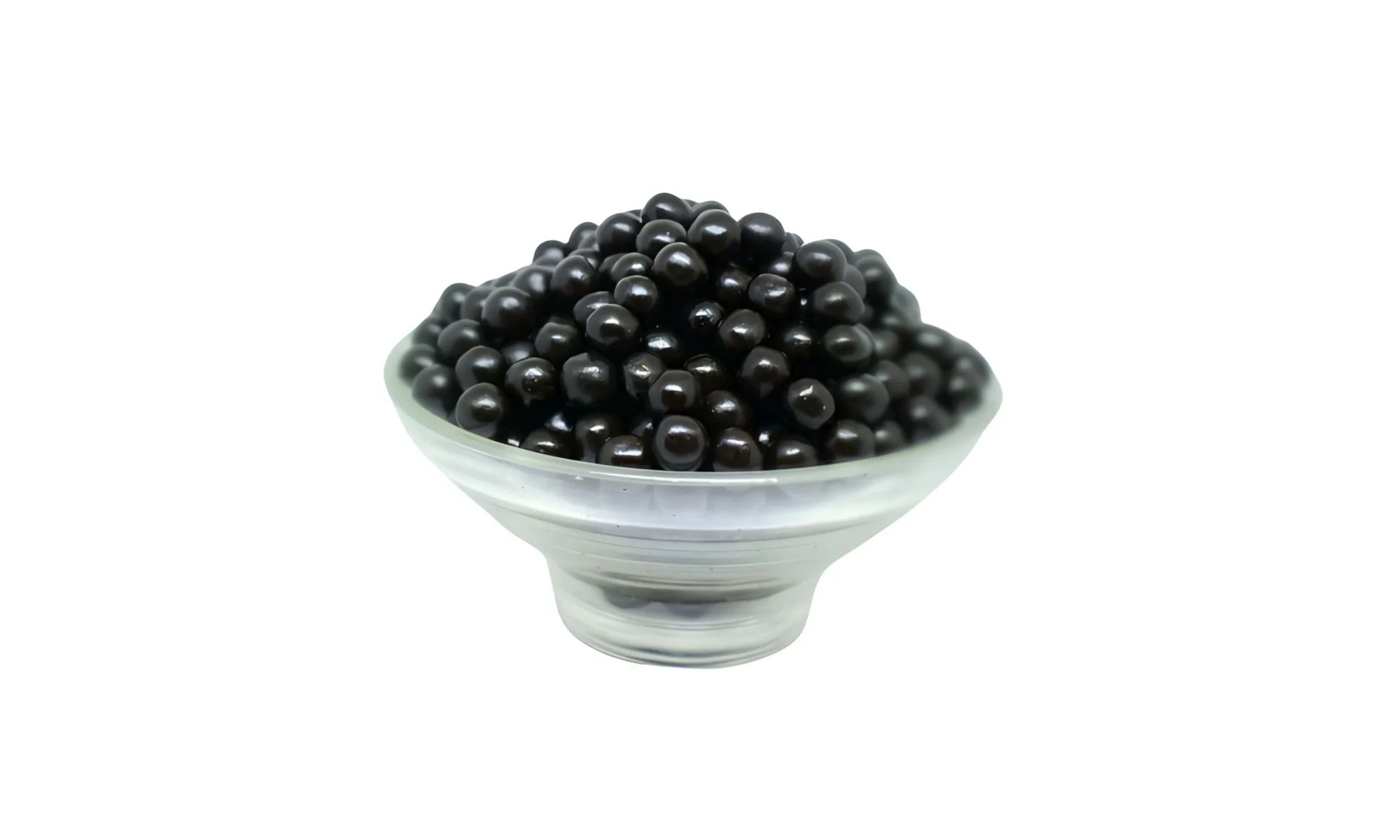
Manjistadi Ghan is a classical Ayurvedic herbal formulation primarily prepared from Manjistha (Rubia cordifolia) as the key ingredient, along with other supportive herbs. It is commonly used to purify the blood, manage skin disorders, and help alleviate inflammatory conditions. This formulation is known for its Rakta Shodhak (blood purifying), anti-inflammatory, and detoxifying properties, making it beneficial in conditions like acne, eczema, psoriasis, and other dermatological disorders.
Scientific Classification
- Kingdom: Plantae
- Phylum: Angiosperms
- Class: Eudicots
- Order: Gentianales
- Family: Rubiaceae
- Genus: Rubia
- Species: Rubia cordifolia
Common Names
- English: Indian Madder
- Sanskrit: Manjistha
- Hindi: Manjith
- Gujarati: Majith
- Tamil: Manjitti
- Telugu: Tamra Valli
- Marathi: Manjishtha
Traditional and Medicinal Uses
- Blood Purification (Rakta Shodhana): Helps eliminate toxins from the blood and improves overall skin health.
- Skin Disorders: Effective in managing acne, eczema, psoriasis, dermatitis, and pigmentation disorders.
- Anti-inflammatory Activity: Helps reduce inflammation in chronic conditions while promoting the healing and repair of skin tissues.
- Wound Healing: Promotes faster healing of wounds and helps in reducing scars.
- Lymphatic and Detox Support: Supports lymphatic drainage and detoxification of the body.
References
- Ayurvedic Pharmacopoeia of India (API), Government of India.
- Bhaishajya Ratnavali, Kushtha Roga Adhikara.
- Sharma, P.V. (2001). Dravyaguna Vijnana, Chaukhambha Bharati Academy, Varanasi.
- Kirtikar, K.R., & Basu, B.D. (1999). Indian Medicinal Plants, International Book Distributors.
- Tripathi, Y.B., et al. (1997). “Rubia cordifolia: A review of its pharmacological properties.” Journal of Ethnopharmacology.
- European Pharmacopoeia, Council of Europe.
- Indian Herbal Pharmacopoeia, Revised Edition, IDMA, Mumbai.
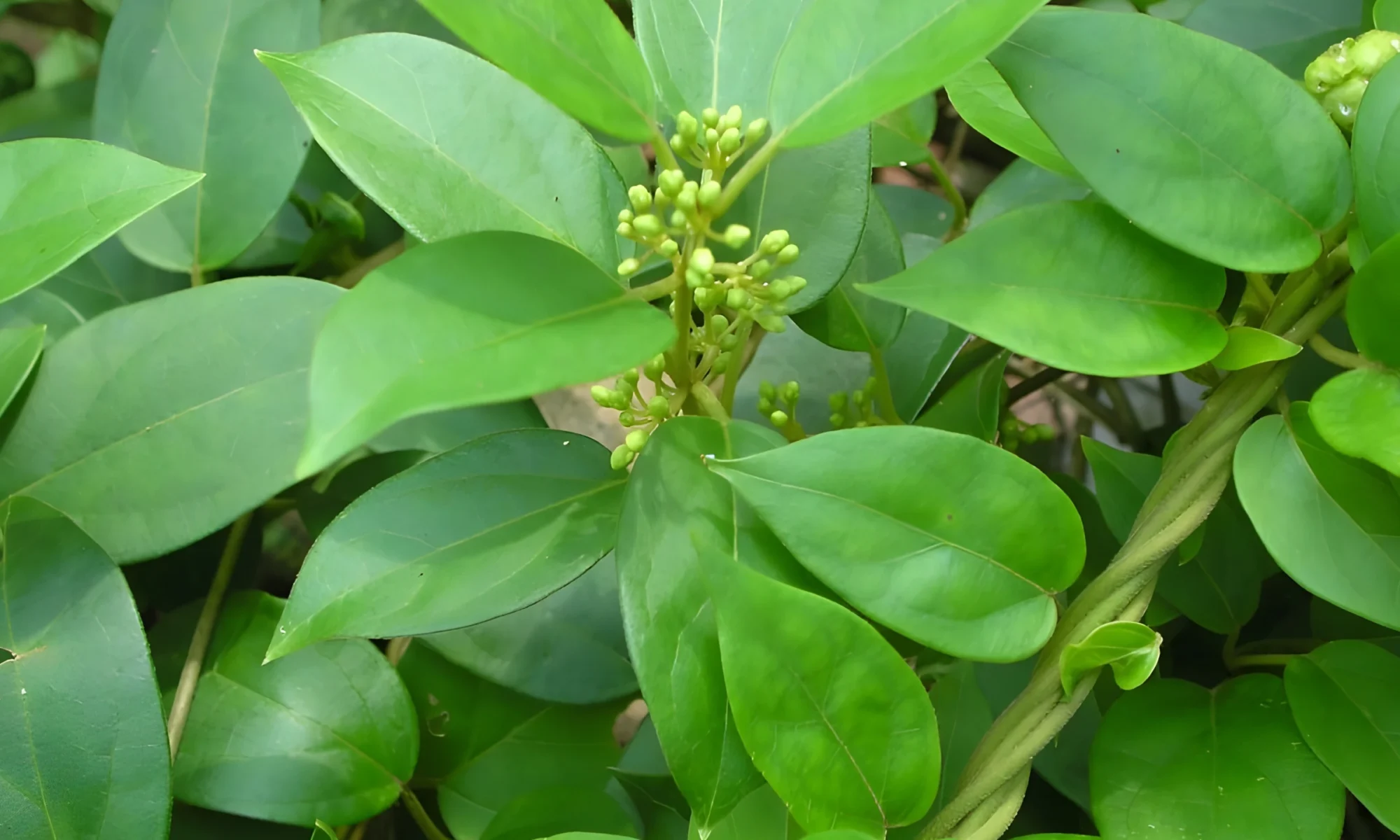
Gudmar (Gymnema sylvestre) is a perennial woody climbing shrub belonging to the Apocynaceae family. It is widely distributed in tropical forests of India, Africa, and Australia. In traditional medicine, Gudmar is known as the “sugar destroyer” due to its ability to suppress sweet taste perception and support blood glucose regulation. It has been extensively used in Ayurveda for managing diabetes and metabolic disorders.
Scientific Classification
- Kingdom: Plantae
- Phylum: Angiosperms
- Class: Eudicots
- Order: Gentianales
- Family: Apocynaceae
- Genus: Gymnema
- Species: Gymnema sylvestre
Common Names
- English: Gymnema, Sugar Destroyer
- Sanskrit: Madhunashini, Meshashringi
- Hindi: Gudmar
- Gujarati: Gudmar
- Tamil: Sirukurinjan
- Telugu: Podapatri
- Marathi: Kavali
- Bengali: Meshashringi
Traditional and Medicinal Uses
- Anti-Diabetic Activity: Known as Madhunashini, it helps in reducing blood sugar levels. Supports regeneration of pancreatic beta cells and improves insulin secretion.
- Anti-Obesity and Metabolic Health: Helps in reducing sugar cravings and controlling body weight. Improves lipid metabolism and reduces cholesterol levels.
- Digestive Health: Acts as a stomachic and laxative, improving digestion and relieving constipation.
- Anti-inflammatory and Antioxidant Properties: Contains bioactive compounds that exhibit anti-inflammatory and antioxidant effects.
- Antimicrobial Activity: Demonstrates activity against certain bacteria and pathogens, supporting immune health.
References
- Ayurvedic Pharmacopoeia of India (API), Government of India.
- The Wealth of India: A Dictionary of Indian Raw Materials and Industrial Products, CSIR, New Delhi.
- Persaud, S.J., Al-Majed, H., Raman, A., & Jones, P.M. (1999). “Gymnema sylvestre stimulates insulin release in vitro by increased membrane permeability.” Journal of Endocrinology, 163(2), 207–212.
- Tiwari, P., Mishra, B.N., & Sangwan, N.S. (2014). “Phytochemical and pharmacological properties of Gymnema sylvestre: An important medicinal plant.” BioMed Research International.
- European Medicines Agency (EMA), Herbal Monograph on Gymnema sylvestre.
- Kirtikar, K.R., & Basu, B.D. (1999). Indian Medicinal Plants, International Book Distributors, Dehradun.
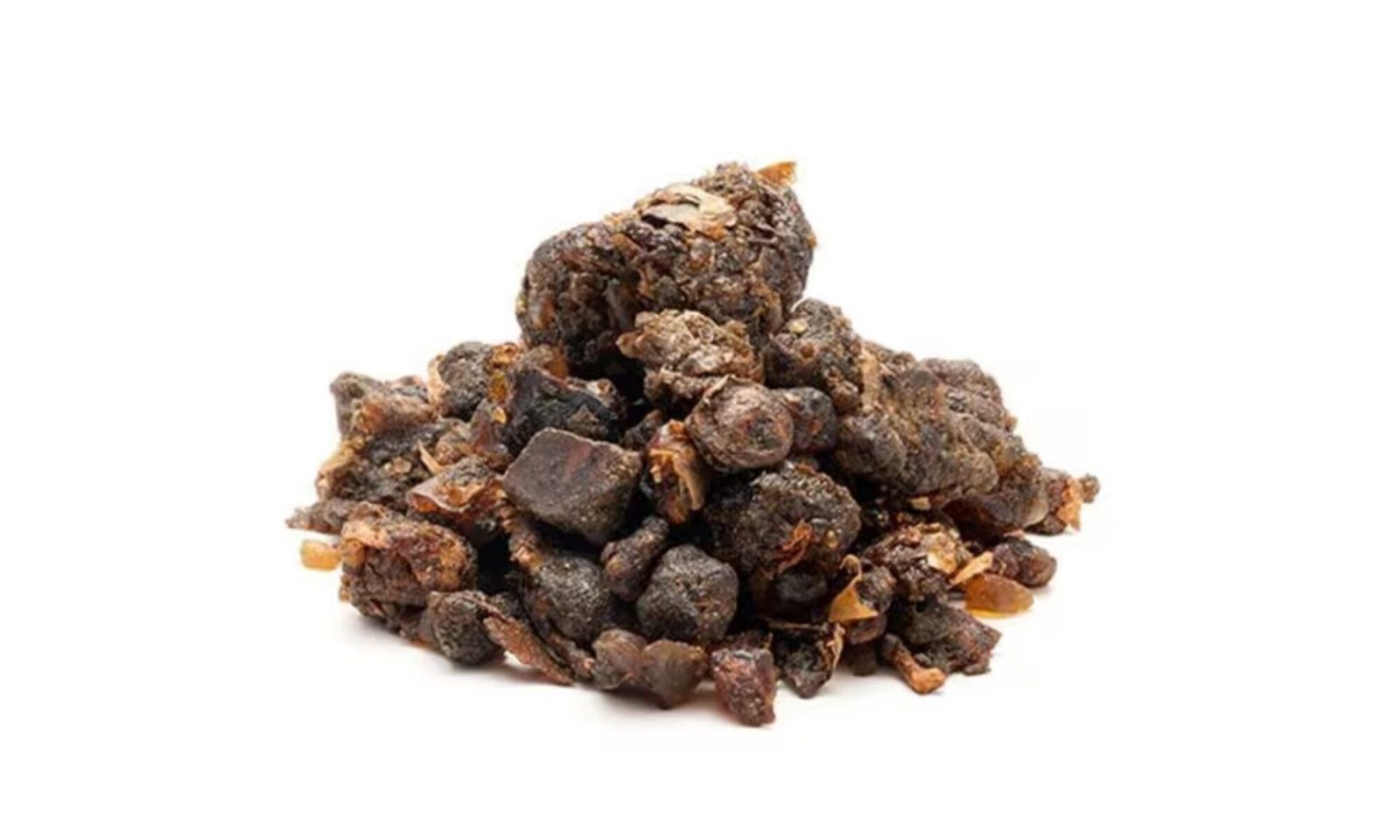
Kishor Guggul is a classical Ayurvedic formulation primarily based on Commiphora mukul (Guggul), a resin obtained from a small thorny tree belonging to the Burseraceae family. It is widely used in Ayurveda for managing inflammatory conditions, skin disorders, gout, and metabolic imbalances. The formulation combines Guggul with various herbs to enhance detoxification, improve metabolism, and support joint and skin health.
Scientific Classification
- Kingdom: Plantae
- Phylum: Angiosperms
- Class: Eudicots
- Order: Sapindales
- Family: Burseraceae
- Genus: Commiphora
- Species: Commiphora mukul
Common Names
- English: Guggul / Indian Bdellium
- Sanskrit: Guggulu
- Hindi: Guggul
- Gujarati: Gugal
- Tamil: Kungiliyam
- Telugu: Guggilamu
- Marathi: Guggul
Traditional and Medicinal Uses
- Joint and Musculoskeletal Disorders: Used in arthritis, gout (Vatarakta), and rheumatism, Helps reduce joint pain, swelling, and stiffness.
- Skin Diseases: Effective in managing chronic skin disorders such as eczema, psoriasis, and acne. Acts as a blood purifier (Raktashodhak).
- Anti-inflammatory Action: Exhibits strong anti-inflammatory and analgesic properties. Helps in reducing inflammatory mediators in the body.
- Metabolic and Detoxification Support: Improves metabolism (Agni) and aids in removing toxins (Ama). Useful in conditions related to hyperuricemia and gout.
- Wound Healing: Promotes healing of ulcers and wounds due to its antimicrobial and cleansing properties.
References
- Ayurvedic Pharmacopoeia of India (API), Government of India.
- Bhaishajya Ratnavali – Vatarakta Chikitsa Adhyaya.
- Sharma, P.V. (2001). Dravyaguna Vijnana, Vol. II, Chaukhambha Bharati Academy, Varanasi.
- Satyavati, G.V., Gupta, A.K., & Tandon, N. (1987). Medicinal Plants of India, ICMR, New Delhi.
- Urizar, N.L., & Moore, D.D. (2003). “GUGULIPID: A natural cholesterol-lowering agent.” Annual Review of Nutrition, 23, 303–313.
- Deng, R. (2007). “Therapeutic effects of guggul and its constituent guggulsterone: Cardiovascular benefits.” Cardiovascular Drug Reviews, 25(4), 375–390.
- Indian Herbal Pharmacopoeia, Revised Edition, IDMA, Mumbai.
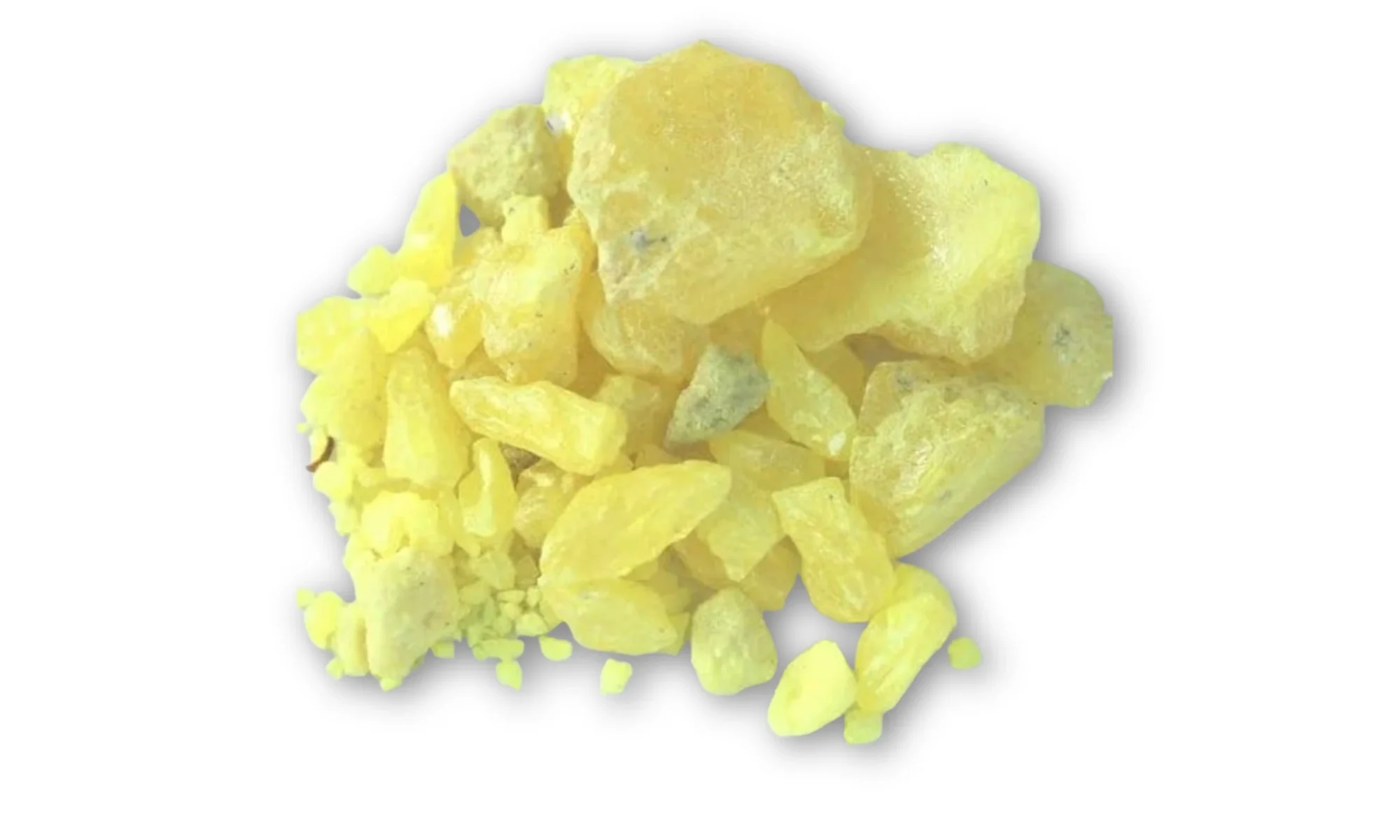
Gandhak Rasayan is a classical Ayurvedic herbo-mineral formulation primarily composed of purified sulfur (Shuddha Gandhaka). It is extensively used in Rasayana therapy for rejuvenation and in the management of various skin disorders, respiratory conditions, and metabolic imbalances. The formulation undergoes repeated purification and processing (Bhavana) with herbal juices, enhancing its therapeutic efficacy and reducing toxicity.
Scientific Classification (for main ingredient – Sulfur)
- Kingdom: Mineral
- Chemical Nature: Non-metal
- Element: Sulfur
- Symbol: S
- Atomic Number: 16
- Category: Chalcogen
Common Names
- English: Purified Sulfur Formulation
- Sanskrit: Gandhaka Rasayana
- Hindi: Gandhak Rasayan
- Gujarati: ગંધક રસાયણ
- Marathi: गंधक रसायन
- Tamil: கந்தக ரசாயனம்
- Telugu: గంధక రసాయనం
Traditional and Medicinal Uses
- Skin Disorders: Effective in managing eczema, psoriasis, acne, and fungal infections, Acts as a blood purifier (Raktashodhak) and improves skin complexion.
- Anti-aging and Rejuvenation: Functions as a Rasayana, promoting longevity and vitality. Helps improve immunity and tissue strength (Dhatu Pushti).
- Respiratory Health: Useful in chronic cough, asthma, and bronchitis due to its antimicrobial and anti-inflammatory actions.
- Digestive and Metabolic Support: Enhances digestive fire (Agni) and helps in managing indigestion. Supports detoxification and metabolism regulation.
- Antimicrobial and Anti-inflammatory Effects: Exhibits antibacterial, antifungal, and anti-inflammatory properties. Helps in reducing chronic infections and inflammation.
References
- Ayurvedic Pharmacopoeia of India (API), Government of India.
- Ras Tarangini – Sadananda Sharma.
- Bhaishajya Ratnavali – Rasayana Adhikara.
- Sharma, P.V. (2005). Dravyaguna Vijnana. Chaukhambha Bharati Academy.
- Nadkarni, K.M. (2009). Indian Materia Medica. Popular Prakashan.
- Govindarajan, R., et al. (2007). “Pharmacological evaluation of sulfur in traditional medicine.” Journal of Ethnopharmacology.
- Indian Pharmacopoeia, Government of India.



 My Account


