Free Shipping On Above Order Value Rs. 500

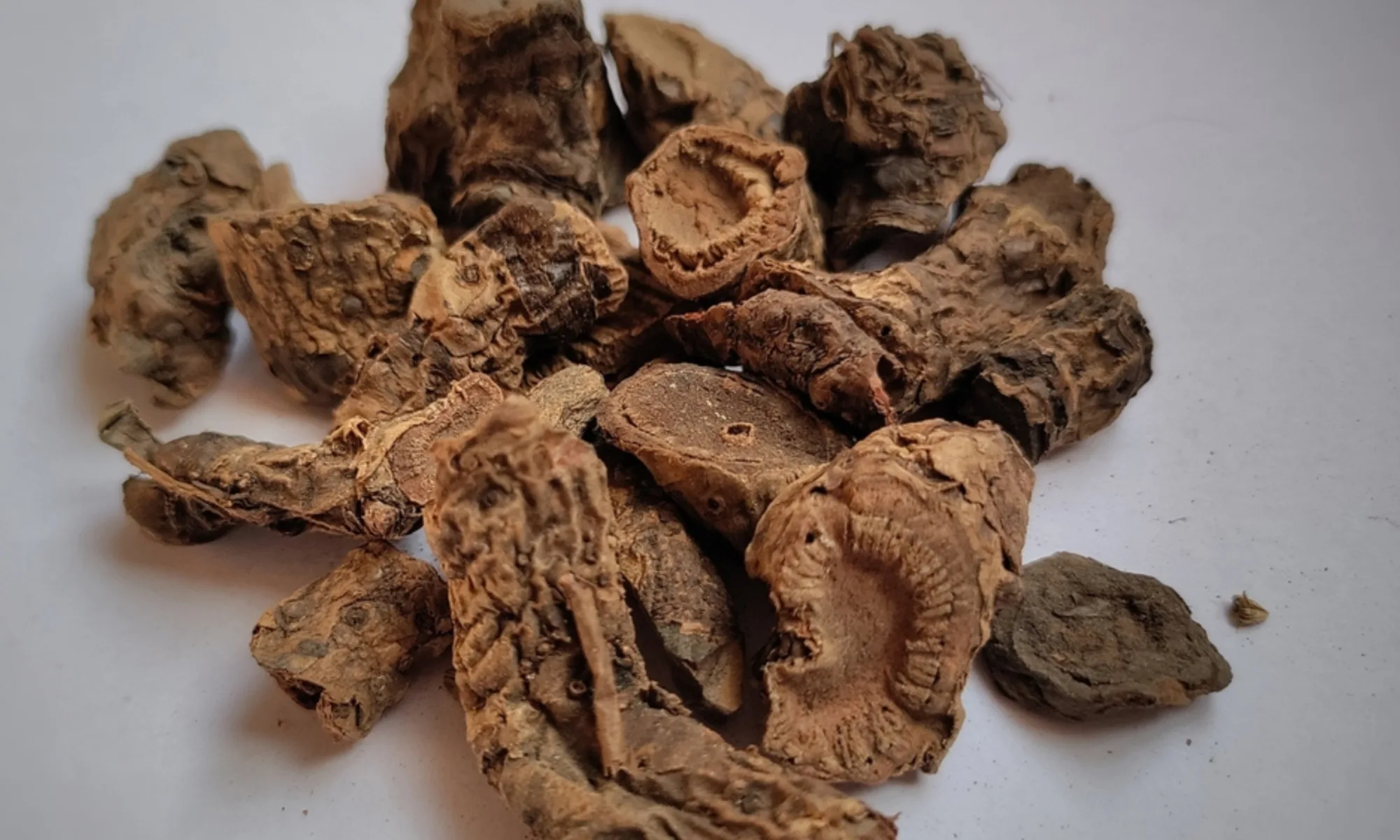
PASHANBHED (Bergenia ligulata)

PASHANBHED (Bergenia ligulata)

Pashanbhed (Bergenia ligulata) is a widely recognized healing herb in Ayurveda and other traditional medicine systems. The name “Pashanbhed” literally translates to “stone-breaker,” reflecting its traditional use in the treatment of urinary stones and kidney disorders. It is a perennial herb that grows in the Himalayan region and is valued for its diuretic, antiurolithiatic, and anti-inflammatory properties.

Pashanbhed Scientific Names

  • Kingdom: Plantae
  • Phylum: Angiosperms
  • Class: Eudicots
  • Order: Saxifragales
  • Family: Saxifragaceae
  • Genus: Bergenia
  • Species: Bergenia ligulata

Bergenia ligulata Common Names

  • English: Rockfoil, Stone-breaker
  • Sanskrit: Pashanbheda, Ashmabhid
  • Hindi: Pashanbhed
  • Marathi: Pashanbhed
  • Tamil: Sirupulai
  • Kannada: Ashmabhedi
  • Bengali: Patharkuchi

PASHANBHED Uses

  • Urinary Disorders – Acts as a diuretic, increasing urine output and flushing out toxins and stones.
  • Anti-inflammatory & Antioxidant – Demonstrates significant anti-inflammatory properties, useful in conditions like arthritis and joint pain, Contains antioxidants that help in reducing oxidative stress.
  • Hepatoprotective – Protects the liver from damage and enhances its function, often used as an adjuvant in jaundice treatment.
  • Wound Healing – Used traditionally in poultices and herbal pastes for promoting wound healing and reducing swelling.
  • Phytochemical Constituents

    The key bioactive compounds found in Bergenia ligulata include:

    • Bergenin – Major compound responsible for antiurolithiatic activity.
    • Catechin – Potent antioxidant and anti-inflammatory.
    • Gallic Acid – Exhibits antimicrobial and hepatoprotective effects.
    • Tannic Acid – Astringent and antimicrobial action.
    • Arbutin – Known for antimicrobial and diuretic activity.
    • Stigmasterol – Anti-inflammatory and cholesterol-lowering effect.

    References

    Ayurvedic Pharmacopoeia of India, Part I, Vol. III, Govt. of India, Ministry of AYUSH.

    Indian Medicinal Plants – A Compendium of 500 Species by P.K. Warrier, V.P.K. Nambiar, C. Ramankutty, Orient Longman.

    Chopra, R.N., Nayar, S.L., & Chopra, I.C. (1956). Glossary of Indian Medicinal Plants. CSIR, New Delhi.

    Sharma, P.C., Yelne, M.B., & Dennis, T.J. (2005). Database on Medicinal Plants Used in Ayurveda, Vol. 6, CCRAS, New Delhi.

    Singh, R., Jain, V., & Gupta, V. (2010). “Bergenia ligulata: A review of its traditional uses, phytochemistry, and pharmacology.” Pharmacognosy Reviews, 4(7), 55–61.

    European Medicines Agency (EMA). Herbal monograph on Bergenia ligulata rhizome. Committee on Herbal Medicinal Products (HMPC).

    Dash, B., & Kashyap, L. (1980). Materia Medica of Ayurveda. B. Jain Publishers.

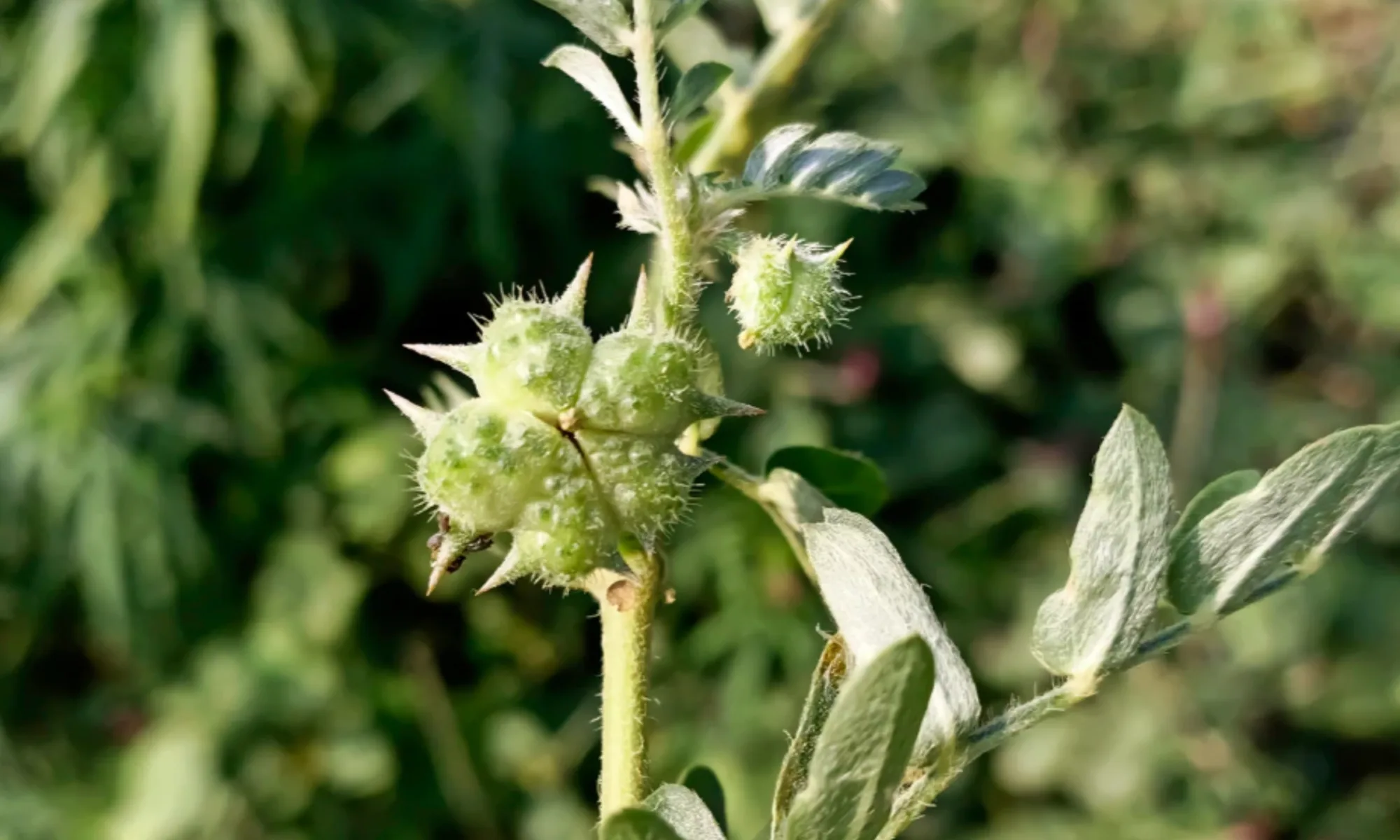
Gokharu (Tribulus terrestris)

Gokharu (Tribulus terrestris)

Gokharu (Tribulus terrestris) is a tiny flowering herb that has been a staple in traditional Ayurvedic, Unani, and Chinese healing practices. It is valued for its potential to enhance reproductive health, support urinary tract health, and promote vitality and strength. Known for its adaptogenic and aphrodisiac properties, Gokshura is often found in formulations for male reproductive disorders, kidney stones, and muscle development.

Gokharu Scientific Names

  • Kingdom: Plantae
  • Phylum: Angiosperms
  • Class: Eudicots
  • Order: Zygophyllales
  • Family: Zygophyllaceae
  • Genus: Tribulus
  • Species: Tribulus terrestris

Gokharu Common Names

  • English: Puncture Vine, Caltrop
  • Sanskrit: Gokshura
  • Hindi: Gokharu
  • Tamil: Nerunjil
  • Telugu: Palleru
  • Kannada: Neggilamullu
  • Marathi: Gokharu
  • Bengali: Gokhuri

Gokharu Uses

  • Reproductive Health – Used to enhance male libido, sperm count, and testosterone levels, Helps manage erectile dysfunction and premature ejaculation.
  • Urinary Health – Acts as a diuretic and is beneficial in urinary tract infections, dysuria, and kidney stones, Traditionally used for mutrakrichha (painful urination).
  • Strength and Muscle Development – Used in formulations to increase physical performance, muscle mass, and endurance, Common in herbal bodybuilding supplements.
  • Anti-inflammatory and Analgesic – Offers natural support to ease joint and muscle discomfort while helping to combat inflammation.
  • Phytochemical Constituents

    Gokshura contains several active compounds that contribute to its pharmacological actions:

    • Saponins: Protodioscin, Dioscin, Terrestrosin A, Terrestrosin B
    • Alkaloids: Harman, Norharman
    • Flavonoids: Kaempferol, Quercetin
    • Sterols: Beta-sitosterol, Stigmasterol
    • Other Compounds: Tannins, Resins, Essential Oils

    References

    Ayurvedic Pharmacopoeia of India, Part I, Volume I, Government of India, Ministry of AYUSH.

    Tripathi, I. (2013). Dravyaguna Vigyan (Vol. 2), Chaukhambha Sanskrit Pratishthan, Delhi.

    Chhatre, S., Nesari, T., Somani, G., Kanchan, D., & Sathaye, S. (2014). “Phytopharmacological overview of Tribulus terrestris.” Pharmacognosy Reviews, 8(15), 45–51.

    Gauthaman, K., Adaikan, P.G., & Prasad, R.N.V. (2002). “Aphrodisiac properties of Tribulus terrestris extract (Protodioscin): Role of androgens.” Life Sciences, 71(12), 1385–1396.

    European Medicines Agency. (2017). Assessment report on Tribulus terrestris L., EMA/HMPC/620200/2013.

    The Unani Pharmacopoeia of India, Part I, Volume IV, Government of India, Ministry of AYUSH.

    Chopra, R.N., Nayar, S.L., & Chopra, I.C. (1956). Glossary of Indian Medicinal Plants. Council of Scientific & Industrial Research (CSIR), New Delhi.

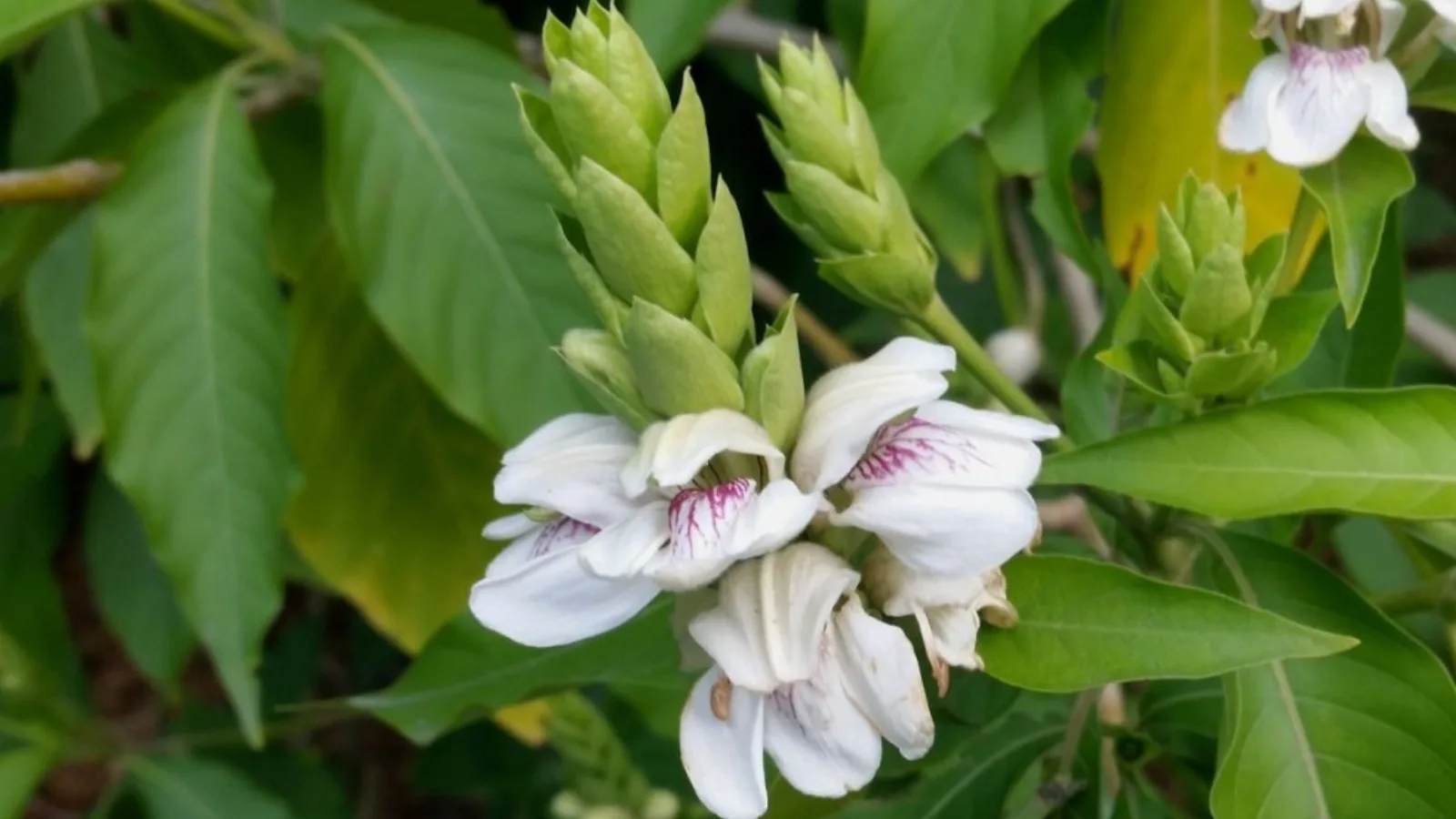
Ardushi – Justicia adhatoda

Ardushi - Justicia adhatoda

Commonly known as Ardushi or Vasaka, this small evergreen shrub is found across India. It features lance-shaped leaves and white flowers often tinged with purple. In Ayurveda, it is traditionally valued for its effectiveness in treating respiratory ailments due to its bronchodilator and expectorant properties.

Justicia Adhatoda Scientific Names

  • Kingdom: Plantae
  • Clade: Tracheophytes
  • Clade: Angiosperms
  • Clade: Eudicots
  • Order: Lamiales
  • Family: Acanthaceae
  • Genus:Adhatoda
  • Species: A. vasica

Justicia Adhatoda Common Names

  • Sanskrit: Vasa, Vasaka, Ardushi
  • Hindi: Arusa, Bansa
  • English: Malabar Nut
  • Marathi: Adulsa
  • Tamil: Adathodai
  • Telugu: Addasaramu
  • Malayalam: Atalotakam

Justicia Adhatoda Uses

  • Respiratory Health Known as a powerful expectorant that helps clear mucus from the respiratory tract.
  • Anti-inflammatory – Helps reduce inflammation in respiratory and urinary tract infections.
  • Bleeding Disorders – Has hemostatic properties; used for bleeding gums, piles, and nasal bleeding.
  • Antioxidant Activity – Reduces oxidative stress and supports overall cellular health.
  • Phytochemical Constituents

    • Alkaloids: Vasicine, Vasicinone (major bioactive components)
    • Flavonoids: Luteolin, Apigenin
    • Tannins
    • Essential oils
    • Saponins
    • Phenolic compounds

    References

    Sharma, P. V. (2005). Dravyaguna Vijnana, Vol. 2. Chaukhambha Bharati Academy.

    Government of India. (2001). The Ayurvedic Pharmacopoeia of India, Part I, Vol. I, Ministry of AYUSH.

    Dhuley, J. N. (1999). Antitussive effect of Adhatoda vasica extract on mechanical or chemical stimulation-induced coughing in animals. Journal of Ethnopharmacology, 67(3), 361–365.

    Atal, C. K., & Sethi, P. D. (1975). Pharmacognosy and phytochemistry of Adhatoda vasica. Indian Journal of Pharmacy, 37, 69–71.

    Kapoor, L. D. (2001). Handbook of Ayurvedic Medicinal Plants. CRC Press.

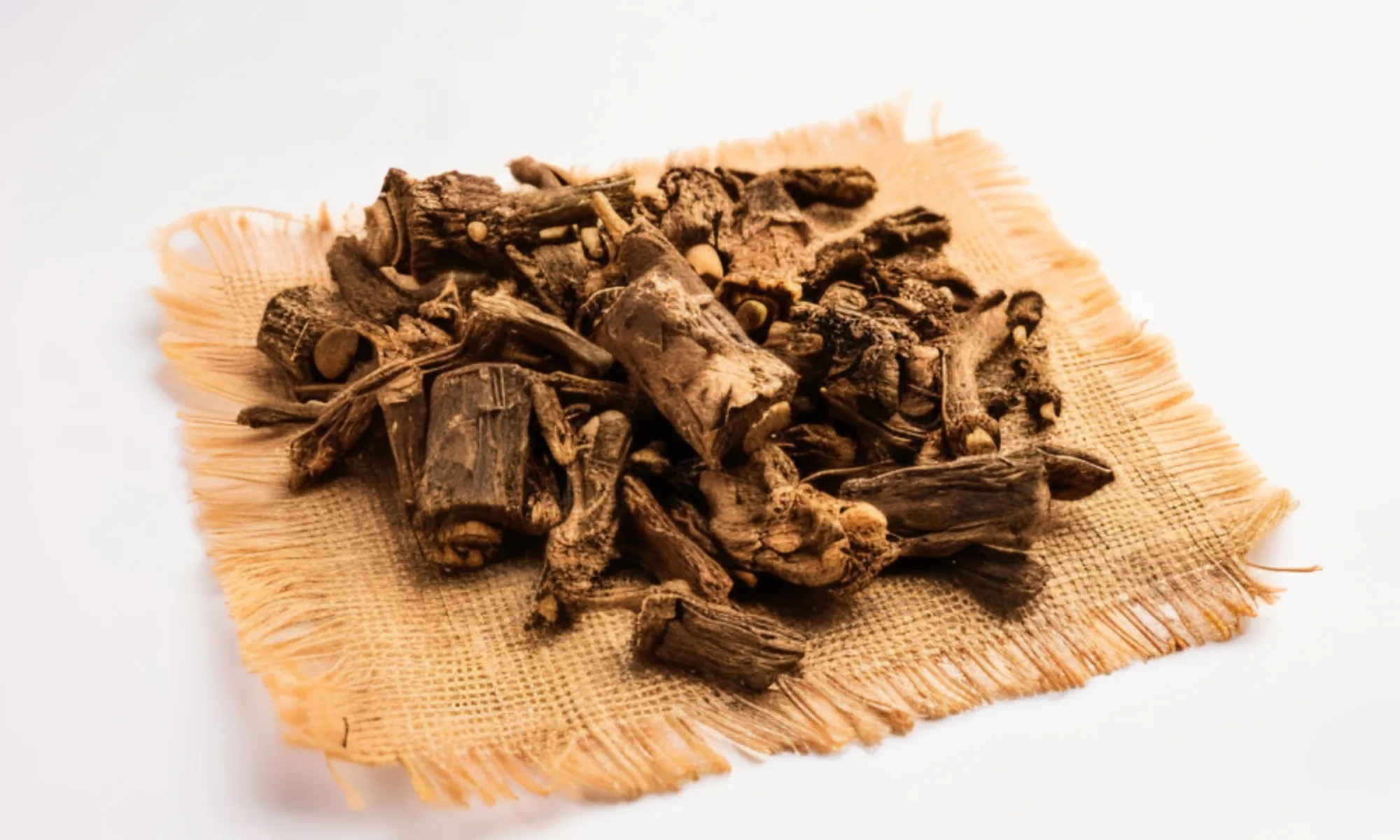
Lodhra (Symplocos racemosa)

lodhara

Lodhra (Symplocos racemosa) is an evergreen tree native to India, commonly found in the northeastern parts of the country. It holds significant importance in traditional Ayurvedic medicine Ayurvedic medicine due to its wide-ranging therapeutic applications.

Scientific Classification

  • Kingdom: Plantae
  • Family: Symplocaceae
  • Genus: Symplocos
  • Species: S. racemosa

Common Names

  • Sanskrit: Lodhra
  • Hindi: Lodh
  • Bengali: Lodhra
  • Tamil: Vellilothram
  • Telugu: Lodhuga
  • Malayalam: Pachotti
  • Marathi: Lodhra
  • Kannada: Lodhra
  • Assamese: Lodhra
  • Gujarati: Lodhra

Botanical Description

Lodhra is a small to medium-sized evergreen tree with smooth, grayish-brown bark. It usually reaches a height of 6 meters. The leaves are simple, elliptic, and lance-shaped with a smooth texture. The tree produces fragrant white flowers in clusters.

Medicinal Uses

  • Menstrual Disorders:

    Lodhra is traditionally used to manage menstrual irregularities, including menorrhagia (heavy menstrual bleeding), amenorrhea (absence of menstruation), and dysmenorrhea (painful menstruation). Its astringent and anti-inflammatory properties help regulate menstrual flow and alleviate associated discomfort.

  • Leucorrhea:

    The herb is effective in treating leucorrhea (abnormal white vaginal discharge) due to its antimicrobial and astringent effects, which help reduce excessive discharge and combat infections.

  • Uterine Fibroids:

    Lodhra has been utilized in managing uterine fibroids, benign tumors of the uterus. Its astringent nature aids in reducing excessive menstrual bleeding associated with fibroids.

  • Polycystic Ovary Syndrome (PCOS):

    Studies suggest that Lodhra can help balance hormones, thereby assisting in the management of PCOS. It supports normal estrogen, progesterone, and follicle-stimulating hormone (FSH) levels while reducing androgens that can disrupt female reproductive function. ​

  • Key Chemical Constituents

    Lodhra contains several active chemical compounds that contribute to its medicinal properties:

    • Triterpenes: Betulinic acid, oleanolic acid, acetyloleanolic acid.
    • Flavonoids: Quercetin and other flavonoid glycosides.
    • Phenolic Compounds: Symplocoside, ellagic acid.
    • Alkaloids: Loturine, loturidine.

    Health Benefits

    • Anti-inflammatory: Lodhra has anti-inflammatory properties that help reduce swelling and reduce pain.
    • Antioxidant: It neutralizes free radicals, which can prevent cell damage.
    • Astringent: The herb tightens tissues and reduces secretions, making it useful for treating excessive bleeding or discharge.
    • Antibacterial: Lodhra’s antimicrobial properties help in treating infections and promoting wound healing.
    • Liver Health: It helps detoxify and cleanse the liver.

    References:

    • Kumar, S., & Kumar, V. (2016). A comprehensive analysis on Symplocos racemosa Roxb. Journal of Ethnopharmacology, 181, 236-251.
    • Mishra, S. S., & Bapat, S. K. (1964). Preliminary Phytochemical and Pharmacological Study of Symplocos racemosa (Roxb.). Indian Journal of Physiology and Pharmacology, 8(3), 181–188.
    • Easy Ayurveda. (2013). Lodhra (Symplocos racemosa) Benefits, Usage, Dose, Side Effects. Retrieved from https://www.easyayurveda.com
    • AFDIL. (n.d.). Ashoka and Lodhra in uterine fibroids. Ayurvedic Formulations and Drug Information Laboratory.
    • International Journal of Research in Ayurveda & Pharmacy Sciences. (n.d.). Lodhra in gynecological disorders. International Journal of Research in Ayurveda & Pharmacy Sciences, 5(2), 166-187.
    • Organic India USA. (n.d.). Lodhra: Benefits for women’s health. Organic India USA Publications.
    • Mylo Family. (n.d.). Lodhra: The wonder herb for women’s health. Mylo Health Journal.

    Ashoka – Saraca Asoca

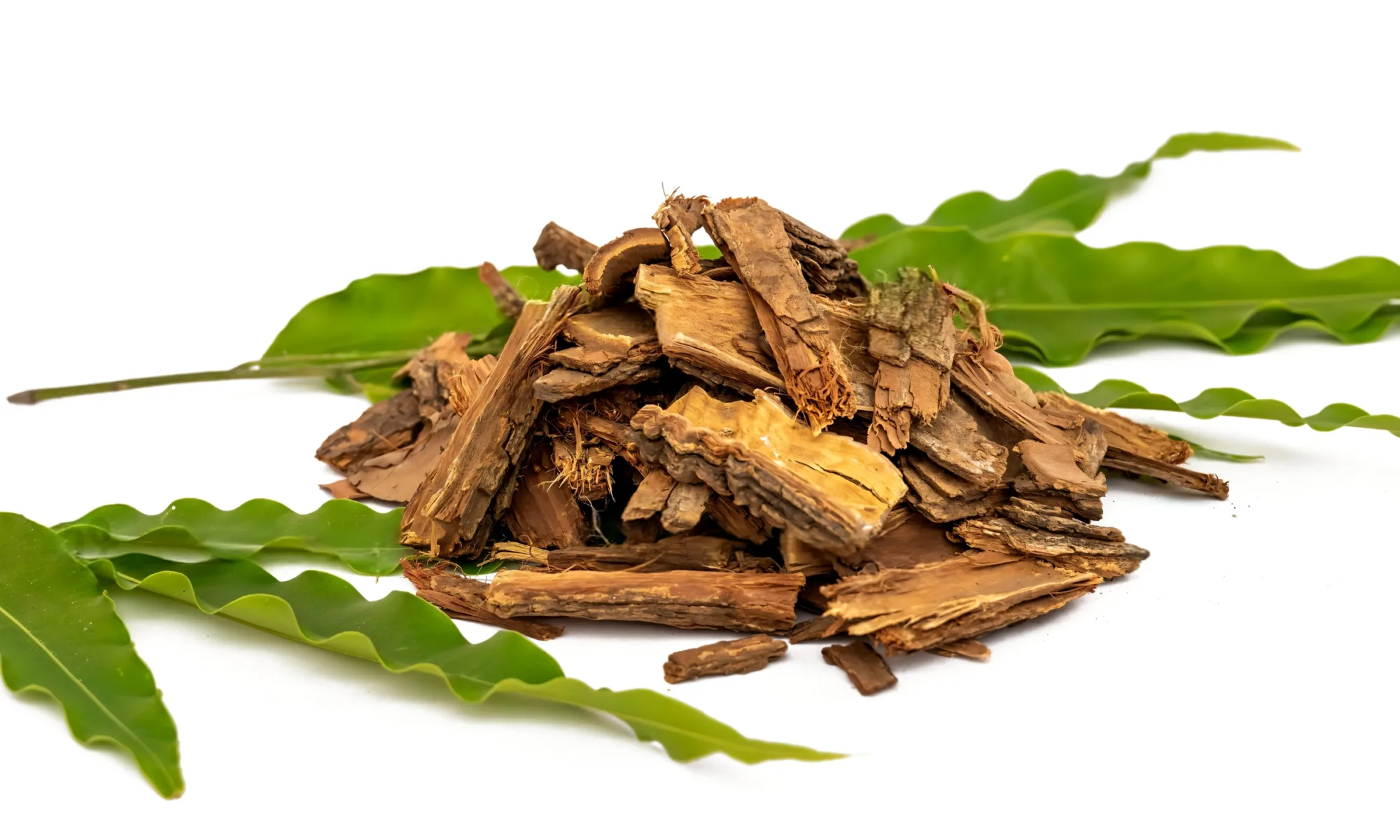
    ashoka - Saraca asoca

    Saraca asoca, commonly known as Ashoka, is a revered medicinal tree in India, famous for its therapeutic value and religious significance. It is a medium-sized evergreen tree with dense foliage and fragrant orange-yellow flowers. In Ayurveda, Ashoka is traditionally used for managing gynecological problems such as menstrual disorders, leucorrhea, and uterine pain.

    Ashoka Scientific Names

    • Kingdom: Plantae
    • Clade: Tracheophytes
    • Clade: Angiosperms
    • Clade: Eudicots
    • Order: Fabales
    • Family: Fabaceae
    • Genus: Saraca
    • Species: S. asoca

    Ashoka Common Names

    • Sanskrit: Ashoka, Gandhapushpa
    • Hindi: Ashok
    • English: Ashoka Tree
    • Marathi: Ashok
    • Tamil: Asogamaram
    • Telugu: Ashokamu
    • Malayalam: Ashokam

    Ashoka Uses

    • Gynecological Support – Used in the treatment of menorrhagia (heavy menstrual bleeding), dysmenorrhea (painful periods), and leucorrhea.
    • Uterine Tonic – Strengthens the uterus and regulates menstrual flow.
    • Anti-inflammatory – Helps reduce inflammation, particularly within the reproductive system.
    • Analgesic – Used to relieve abdominal pain during menstruation.
    • Skin Disorders – Traditionally used in leprosy, ulcers, and skin irritation.
    • References

      Sharma, P. V. (2003). Dravyaguna Vijnana, Vol. II. Chaukhambha Bharati Academy.

      Government of India. (2001). The Ayurvedic Pharmacopoeia of India, Part I, Vol. II, Ministry of AYUSH.

      Tiwari, P., & Kumar, B. (2011). Pharmacognostical and phytochemical investigation of Saraca asoca stem bark. Journal of Pharmacognosy and Phytochemistry, 1(1), 26–30.

      Jain, A., & Katewa, S. S. (2006). Herbal drugs used in gynecological and other related problems by tribal of southern Rajasthan. Indian Journal of Ethnopharmacology, 90(2–3), 171–177.

      Kapoor, L. D. (2001). Handbook of Ayurvedic Medicinal Plants. CRC Press.

    Ashwagandha – Withania somnifera

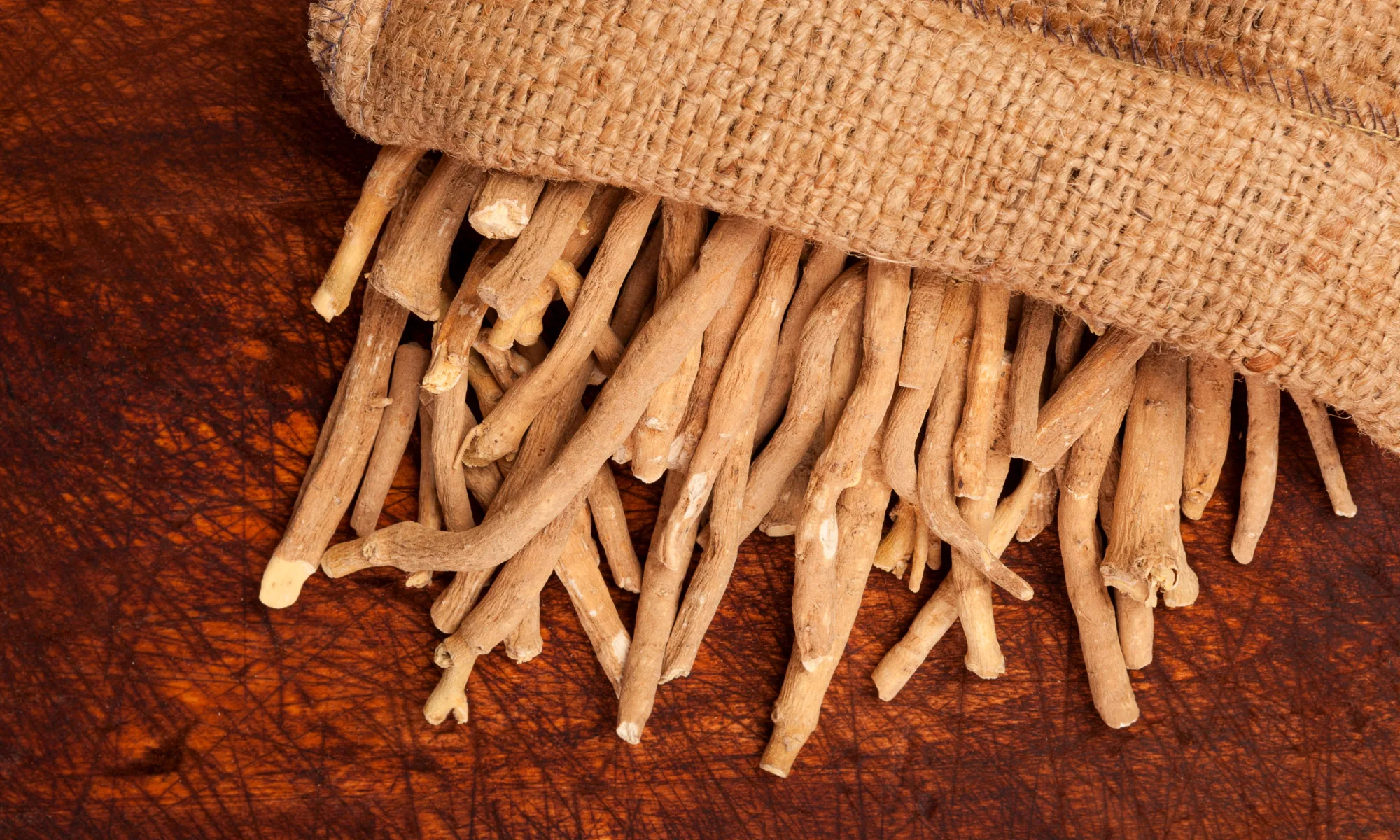
    ashwagandha

    Ashwagandha (Withania somnifera) is a woody shrub native to India, the Middle East, and parts of Africa. It is a small shrub that can grow up to 35-75 cm in height, with oval-shaped, green leaves. The plant produces small, greenish-yellow flowers that bloom in small clusters, followed by orange-red fruit resembling berries. The roots of Ashwagandha are primarily used for their medicinal properties and are highly regarded in Ayurvedic medicine.

    Ashwagandha Scientific Names

    • Kingdom: Plantae
    • Division: Angiosperms
    • Class: Dicotyledons
    • Order: Solanales
    • Family: Solanaceae
    • Genus: Withania
    • Species: somnifera

    Ashwagandha Common Names

    • English: Ashwagandha, Indian Ginseng, Winter Cherry
    • Hindi: Ashwagandha
    • Sanskrit: Ashvagandha
    • Tamil: Amukkara
    • Bengali: Ashwagandha
    • Telugu: Indian Ginseng

    Ashwagandha Uses

    • Women’s Health – Ashwagandha helps balance hormones, alleviating symptoms of menopause and supporting fertility and reproductive health.
    • Men’s Health – It boosts testosterone levels, enhances libido, and promotes prostate health, improving overall male vitality.
    • Neurocare (Cognitive Health) – Known for enhancing memory, focus, and brain function, Ashwagandha also helps reduce stress and prevents cognitive decline.
    • Digestive Health – It supports gastrointestinal health by easing indigestion, bloating, and constipation, while also protecting against ulcers.
    • Immune Support Ashwagandha strengthens the immune system, reducing inflammation and improving the body’s resistance to infections.
    • Cardiovascular Health – It helps regulate blood pressure and cholesterol levels, supporting heart health and reducing cardiovascular risks.
    • Endocrine Health – Ashwagandha supports thyroid function and helps regulate blood sugar levels, beneficial for managing hypothyroidism and diabetes
    • Physical Performance – Used to increase muscle strength, endurance, and stamina, it helps improve overall physical performance and recovery
    • Anti-aging Benefits – Its antioxidant properties fight oxidative stress, promote cell regeneration, and support youthful skin.
    • Muscle Strength & Recovery – Ashwagandha reduces inflammation and eases joint stiffness. It supports long-term relief in arthritis and body aches.
    • Blood Health – It purifies the blood and strengthens the immune system. Helpful in improving energy and fighting weakness.
    • Fever Support – It supports the body’s natural defense against infections. It helps bring down fever by boosting immunity.
    • Phytochemical Constituents

      Ashwagandha contains a variety of bioactive compounds, which are primarily responsible for its medicinal properties.

      • Withanolides: These are steroidal lactones, considered the most significant bioactive constituents. They have been linked to anti-inflammatory, anti-cancer, and neuroprotective effects.
      • Alkaloids: These include withanine, somniferine, and anahygrine, contributing to its anti-stress and sedative effects.
      • Saponins: These compounds possess anti-inflammatory and immune-boosting properties.
      • Flavonoids: Known for their antioxidant effects.
      • Phenolic compounds: Ashwagandha contains phenolic acids that contribute to its antioxidant and anti-inflammatory actions.

      References

      Indian Pharmacopoeia (2018). Withania somnifera. In: Indian Pharmacopoeia 8th Edition. The Indian Pharmacopoeia Commission, Ghaziabad, India.

      World Health Organization (WHO) (2004). WHO Monographs on Selected Medicinal Plants, Volume 1.

      British Pharmacopoeia (BP) (2020). Withania somnifera. In: British Pharmacopoeia 2020.

      European Medicines Agency (EMA) (2010). Assessment Report on Withania somnifera (Ashwagandha).

      Committee on Herbal Medicinal Products (HMPC) (2015). Withania somnifera (Ashwagandha).

    Bala beej

    Bala beej

    Bala beej (Sida cordifolia) is a medicinal plant known for its versatile therapeutic properties. Belonging to the Malvaceae botanical family, this plant is traditionally known as “Bala” in Ayurvedic medicine. For generations, its seeds—called Bala Beej—have been valued in India for their powerful health-enhancing properties. Renowned for boosting stamina, reducing fatigue, and increasing physical strength, Bala Beej plays a key role in supporting overall vitality and wellness.

    Scientific Names

    • Kingdom: Plantae
    • Phylum: Angiosperms
    • Class: Eudicots
    • Order: Malvales
    • Family: Malvaceae
    • Genus: Sida
    • Species: Sida cordifolia

    Common Names

    • English: Bala Seeds
    • Sanskrit: Bala, Abhaya
    • Hindi: Bala beej, Dhanvak
    • Tamil: Bala
    • Telugu: Chitta Gadda
    • Bengali: Bala beej
    • Marathi: Bala

    Traditional and Medicinal Uses

    • Strength and Vitality – Traditionally used as a rejuvenating tonic to promote physical strength, stamina, and vitality. It is particularly beneficial for individuals experiencing weakness or fatigue.
    • Musculoskeletal Health – Works as a muscle tonic, commonly used to treat conditions like muscle weakness, joint pain, and general bodily fatigue. It is commonly included in treatments targeting arthritis and other rheumatic conditions.
    • Nervous System Support – Known for its nervine tonic properties, Bala beej is used to support the nervous system and improve overall mental well-being.
    • Anti-inflammatory and Analgesic Properties – Bala beej is believed to have potent anti-inflammatory and analgesic properties, making it useful for treating inflammatory conditions like arthritis and muscle pain.
    • Sexual Health – It has traditionally been valued for its potential to boost sexual energy and is often regarded as a natural aphrodisiac in herbal medicine.
    • Phytochemical Constituents

      The medicinal properties of Bala beej can be attributed to its diverse range of bioactive compounds, including:

      • Alkaloids: Ephedrine, Pseudoephedrine
      • Flavonoids: Quercetin, Kaempferol
      • Tannins: Ellagic acid
      • Saponins: Beta-sitosterol
      • Amino Acids: L-arginine, L-asparagine

      References

      Ayurvedic Pharmacopoeia of India (API), Govt. of India.

      Sharma, P., & Singh, V. (2011). “Medicinal properties of Sida cordifolia L. – A review.” Journal of Medicinal Plants Research, 5(14), 3094-3100.

      Chopra, R.N., Nayar, S.L., & Chopra, I.C. (1956). Glossary of Indian Medicinal Plants. CSIR, New Delhi.

      Singh, G., & Bhatnagar, M. (2012). “Pharmacological properties of Sida cordifolia: An overview.” International Journal of Pharmaceutical Sciences and Research, 3(10), 3687-3691.

      Kirtikar, K.R., & Basu, B.D. (1999). Indian Medicinal Plants. 2nd Edition. International Book Distributors, Dehradun, India.

      European Pharmacopoeia, 10th Edition, Council of Europe.

      Mukherjee, P.K., & Heinrich, M. (2009). Indian Medicinal Plants: An Illustrated Dictionary. Taylor & Francis, London.

    Aridha (Aritha / Reetha) – Sapindus mukorossi Gaertn

    Aridha (Aritha / Reetha) - Sapindus mukorossi Gaertn

    Aritha (Sapindus mukorossi) is a tree native to the Indian subcontinent, known for its fruit, which contains natural saponins. These saponins create a foaming action, making the fruit a natural cleanser. Aritha has been used in traditional medicine for hair care, skin care, and to treat various ailments like cough, digestive issues, and inflammation. It’s widely included in herbal shampoos, soaps, and skincare products due to its strong ability to fight germs and reduce inflammation naturally.

    Aritha Scientific Names

    • Kingdom: Plantae
    • Order: Sapindales
    • Family: Sapindaceae
    • Genus: Sapindus
    • Species: Sapindus mukorossi

    Aritha Common Names

    • Sanskrit: Arishtaka, Phenila
    • Hindi: Reetha, Aritha
    • English: Soapnut, Indian Soapberry
    • Tamil: Boondi Kottai
    • Telugu: Kunkudukaya
    • Marathi: Ritha
    • Malayalam: Ritham

    Daily Routine & Simple Home Uses

    1. Aritha Hair Wash (Natural Shampoo)

    Soak 4–5 dried Aritha shells overnight, boil in the morning, cool and strain. Use this liquid to wash hair 2–3 times a week.
    ➡ Supports scalp health, shine, and dandruff control.

    2. Aritha Skin Cleanser

    Use diluted Aritha decoction as a mild body wash for oily or acne-prone skin.
    ➡ One of the safest simple home uses of aritha for skin hygiene.

    3. Herbal Hair Pack

    Combine Aritha powder with Amla and Shikakai powder to make a herbal hair mask.
    ➡ Strengthens roots and improves hair texture naturally.

    4. Natural Household Wash

    Boil Aritha shells and use the liquid to wash clothes or utensils — a chemical-free daily wellness alternative.

    5. Steam or External Cleansing (Traditional)

    Used carefully in herbal steam or cleansing rituals to support Kapha balance (under guidance).

    Internal & Lifestyle Uses (Traditional Context)

    ⚠ Note: Internal use of Aritha should only be done under qualified Ayurvedic supervision.

    • Used in classical detox procedures
    • Occasionally included in herbal cleansing formulations
    • Traditionally used to expel excess mucus and impurities

    Aritha Uses

    • Hair Care and Scalp Health – Aritha is widely used in hair care, particularly in shampoo formulations, due to its natural cleansing properties. It helps cleanse the scalp, removes excess oils, and prevents dandruff. It is also believed to promote healthy hair growth by stimulating the scalp and reducing hair fall.
    • Skin Care and Healing – Aritha’s antimicrobial and anti-inflammatory properties make it effective in treating various skin conditions like acne, eczema, psoriasis, and fungal infections. It is often used in soaps and lotions to soothe irritated skin and promote healing of minor wounds.
    • Antimicrobial and Antiseptic – Aritha contains bioactive compounds that exhibit strong antimicrobial, antibacterial, and antifungal properties. Aritha is known for its natural healing properties and is commonly used to support skin health, aid digestion, and promote respiratory wellness. Its extracts are used in both topical treatments and internal Ayurvedic remedies.
    • Detoxification and Digestive Health – Aritha acts as a natural detoxifier by cleansing the digestive system and promoting gut health. It supports healthy digestion by activating the intestines, easing constipation, relieving bloating, and encouraging regular bowel movements. It also supports liver health and detoxification.

    References

    • Sharma, R. et al. (2019). Phytochemical and therapeutic potential of Sapindus mukorossi in hair care. Journal of Ethnopharmacology, 235, 14-19.
    • Kumar, A. et al. (2020). The use of Sapindus mukorossi in dermatological treatments: A review. Journal of Medicinal Plants Research, 15(3), 201-210.
    • Gupta, P. et al. (2018). The benefits of Sapindus mukorossi for women’s health: A detailed review. Journal of Traditional Medicine and Clinical Naturopathy, 7(1), 43-50.
    • Singh, P. et al. (2020). Antimicrobial efficacy of Sapindus mukorossi extracts against bacterial and fungal pathogens. Asian Pacific Journal of Tropical Medicine, 13(3), 115-120.
    • Patel, M. & Gupta, S. (2019). Phytochemical properties and detoxifying effects of Sapindus mukorossi. Indian Journal of Gastroenterology, 34(2), 126-130.
    • Sharma, D. et al. (2018). Anti-inflammatory and analgesic properties of Sapindus mukorossi extracts. Phytomedicine, 29(1), 22-30.
    • Sharma, S. et al. (2017). Respiratory benefits of Sapindus mukorossi: A review of traditional applications and modern studies. Journal of Ethnopharmacology, 199, 20-30.
    • Gupta, A. et al. (2020). Antioxidant potential of Sapindus mukorossi fruit extracts and their health benefits. Food and Chemical Toxicology, 133(1), 110-115.
    • Kaur, R. et al. (2018). Phytochemical analysis of Sapindus mukorossi and its medicinal properties. International Journal of Phytomedicine, 10(2), 76-81.
    • Bhavaprakasha Nighantu – Classical Ayurvedic uses of Aritha (Sapindus mukorossi)
    • Journal of Ethnopharmacology – Antimicrobial & saponin properties of Soapnut
    • Ayurvedic Pharmacopoeia of India – Herbal cleansing agents
    • International Journal of Herbal Medicine – Soapnut applications in hair & skin care
    • Traditional Ayurvedic detox literature (Kapha-shodhana herbs)

    Taj

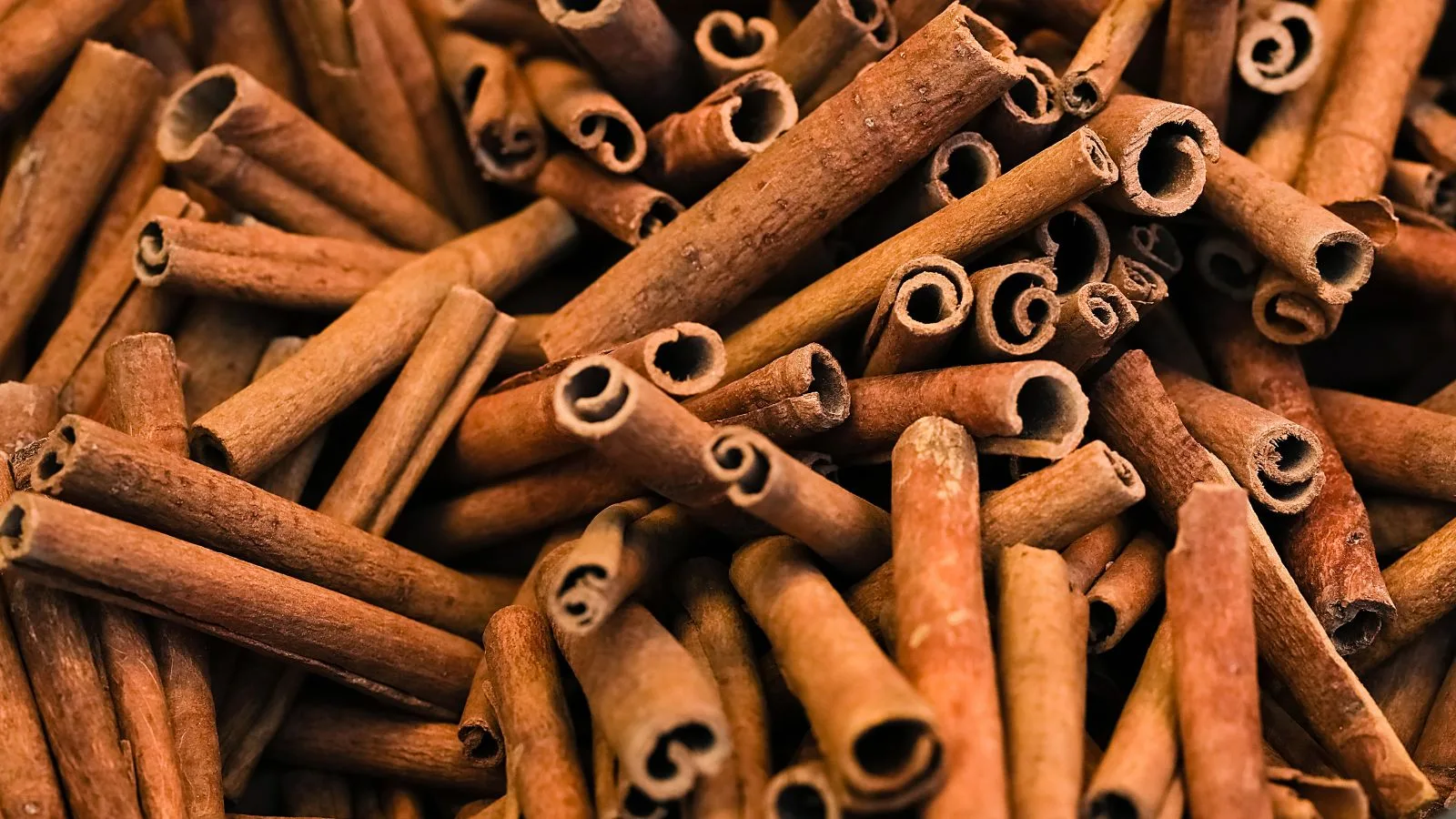
    taj

    Hindi Name : दालचीनी
    Sanskrit Name : Tvak
    English Name : Cinnamon
    Latin Name : Cinnamomum verum

    The cinnamaldehyde, its active compound, helps to fight various types of infection. Its essential oils also are known to boost immunity and protect against common cold and sore throat. Try the Turmeric and Cinnamon Detox Water to strengthen your immune system and fight infections.

    Key Benefits :

    • Powerful medicinal Properties
    • Protects from Oxidative damage
    • Protects against Bacterial and fungal L infection
    • Protects against Brain diseases

    Tulsi

    tulsi

    Tulsi (Ocimum sanctum L., syn. Ocimum tenuiflorum L.) is a sacred plant in India, revered in Ayurveda for its powerful healing properties. Commonly known as Holy Basil, Tulsi belongs to the Lamiaceae family. Tulsi, often hailed as the “Queen of Herbs,” is highly valued in traditional medicine for its powerful adaptogenic, antimicrobial, anti-inflammatory, and immune-boosting properties.

    Tulsi Scientific Names

    • Kingdom: Plantae
    • Phylum: Angiosperms
    • Class: Eudicots
    • Order: Lamiales
    • Family: Lamiaceae
    • Genus: Ocimum
    • Species: Ocimum sanctum L. (syn. Ocimum tenuiflorum L.)

    Tulsi Common Names

    • English: Holy Basil, Sacred Basil
    • Sanskrit: Tulasi
    • Hindi: Tulsi
    • Tamil: Thulasi
    • Telugu: Tulasi
    • Bengali: Tulsi
    • Marathi: Tulsi
    • Malayalam: Tulasi

    Daily Routine & Simple Home Uses of Tulsi

    Tulsi is one of those herbs that easily fits into your everyday routine without any complicated preparation. Here are practical, real-life ways people commonly use Tulsi for daily wellness:

    1. Tulsi Tea (Herbal Infusion)

    A cup of Tulsi tea is one of the simplest ways to use Tulsi daily. Steep a few fresh or dried leaves in hot water and sip slowly. This gentle infusion helps calm the mind, supports immunity, and keeps digestion light and comfortable — making it a perfect wellness ritual for any time of day.

    2. Morning Detox Water

    Many people begin their day with warm water infused with Tulsi leaves. This simple practice is believed to support liver function, improve digestion, and give a mild detoxifying effect. It’s an easy habit to build into your morning routine for natural daily wellness.

    3. Tulsi Steam / Inhalation

    Adding Tulsi leaves to boiling water and inhaling the aromatic steam is a traditional method used for relieving nasal congestion, clearing the respiratory tract, and helping with seasonal allergies. It provides a warming, comforting effect that’s especially helpful during cold weather.

    4. Tulsi Leaf Paste / Skin Wash

    Crushing fresh Tulsi leaves with a little water creates a soothing paste that can be applied to the skin. This natural preparation is commonly used to calm irritation, reduce redness, and support recovery from minor wounds or insect bites. A mild Tulsi decoction also works well as a simple herbal skin wash.

    5. Tulsi Mouth Rinse

    A light Tulsi infusion can be used as a natural mouthwash. Its refreshing, herbal aroma helps maintain oral hygiene, reduce bad breath, and support gum health. This is one of the most convenient, simple home uses of Tulsi for daily oral care.

    Tulsi Uses

    • Respiratory Disorders – Acts as an expectorant and bronchodilator, helpful in asthma, bronchitis, cough, and cold.
    • Immunomodulatory and Adaptogenic – Enhances immunity and helps the body adapt to stress and fatigue.
    • Antimicrobial Properties – Effective against a range of bacteria, viruses, and fungi due to its essential oils.
    • Anti-inflammatory and Analgesic – Used to reduce inflammation, joint pain, and arthritis symptoms.
    • Cardioprotective and Antidiabetic – Helps regulate blood pressure and blood glucose levels.
    • Skin and Wound Healing – Used externally for wounds, skin infections, and acne due to its antimicrobial properties.

    Internal & Lifestyle Uses of Tulsi

    1. As a Daily Herbal Supplement

    Whether taken as fresh leaves, dried powder, or capsules, Tulsi works as a gentle adaptogenic herb that supports long-term wellness. Its antioxidant and detoxifying properties help the body handle everyday stressors while promoting internal balance.

    2. In Herbal Juices, Tonics & Kadhas

    Tulsi pairs well with herbs like ginger, cinnamon, black pepper, and liquorice. It is often added to homemade kadhas (herbal decoctions), immunity tonics, and detox drinks. These blends help support the respiratory system, improve gut health, and enhance seasonal resistance.

    3. In Respiratory & Cold Relief Remedies

    Many traditional home remedies for cough, cold, and throat irritation include Tulsi as a primary ingredient. Its natural expectorant and soothing actions make it a go-to herb in teas, syrups, and inhalation mixes prepared for respiratory comfort.

    Phytochemical Constituents

    Tulsi contains numerous bioactive compounds responsible for its wide-ranging effects:

    • Essential Oils: Eugenol, Methyl eugenol, Caryophyllene, Linalool
    • Flavonoids: Apigenin, Orientin, Vicenin
    • Phenolic Compounds: Rosmarinic acid, Caffeic acid
    • Alkaloids: Triterpenoids such as Ursolic acid
    • Saponins and Tannins

    References

    Ayurvedic Pharmacopoeia of India. Part I, Vol. I. Government of India, Ministry of AYUSH.

    Mondal, S., Mirdha, B.R., & Mahapatra, S.C. (2009). “The science behind sacredness of Tulsi (Ocimum sanctum Linn.)”. Indian Journal of Physiology and Pharmacology, 53(4), 291–306.

    Cohen, M. M. (2014). “Tulsi – Ocimum sanctum: A herb for all reasons”. Journal of Ayurveda and Integrative Medicine, 5(4), 251–259.

    Prakash, P., & Gupta, N. (2005). “Therapeutic uses of Ocimum sanctum Linn (Tulsi) with a note on eugenol and its pharmacological actions: A short review”. Indian Journal of Physiology and Pharmacology, 49(2), 125–131.

    European Medicines Agency (EMA). (2013). Assessment report on Ocimum tenuiflorum L., herba.

    Indian Pharmacopoeia. (2022). Government of India, Ministry of Health and Family Welfare.

    Chopra, R. N., Nayar, S. L., & Chopra, I. C. (1956). Glossary of Indian Medicinal Plants. Council of Scientific & Industrial Research, New Delhi.

    Follow us @polycareherbal

    0
      0
      Your Cart
      Your cart is emptyReturn to Shop