Free Shipping On Above Order Value Rs. 500

VARUN (Crataeva nurvala)

VARUN (Crataeva nurvala)

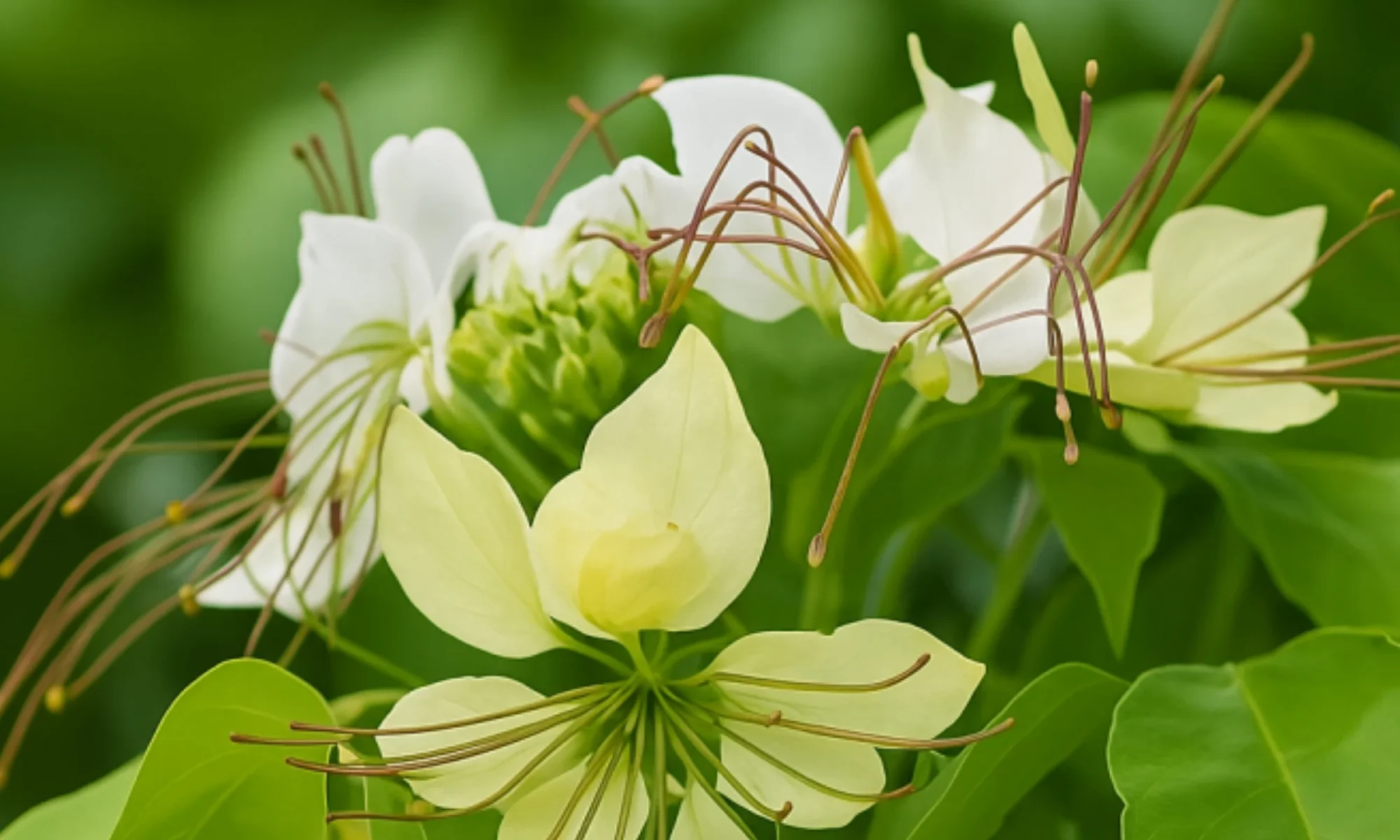
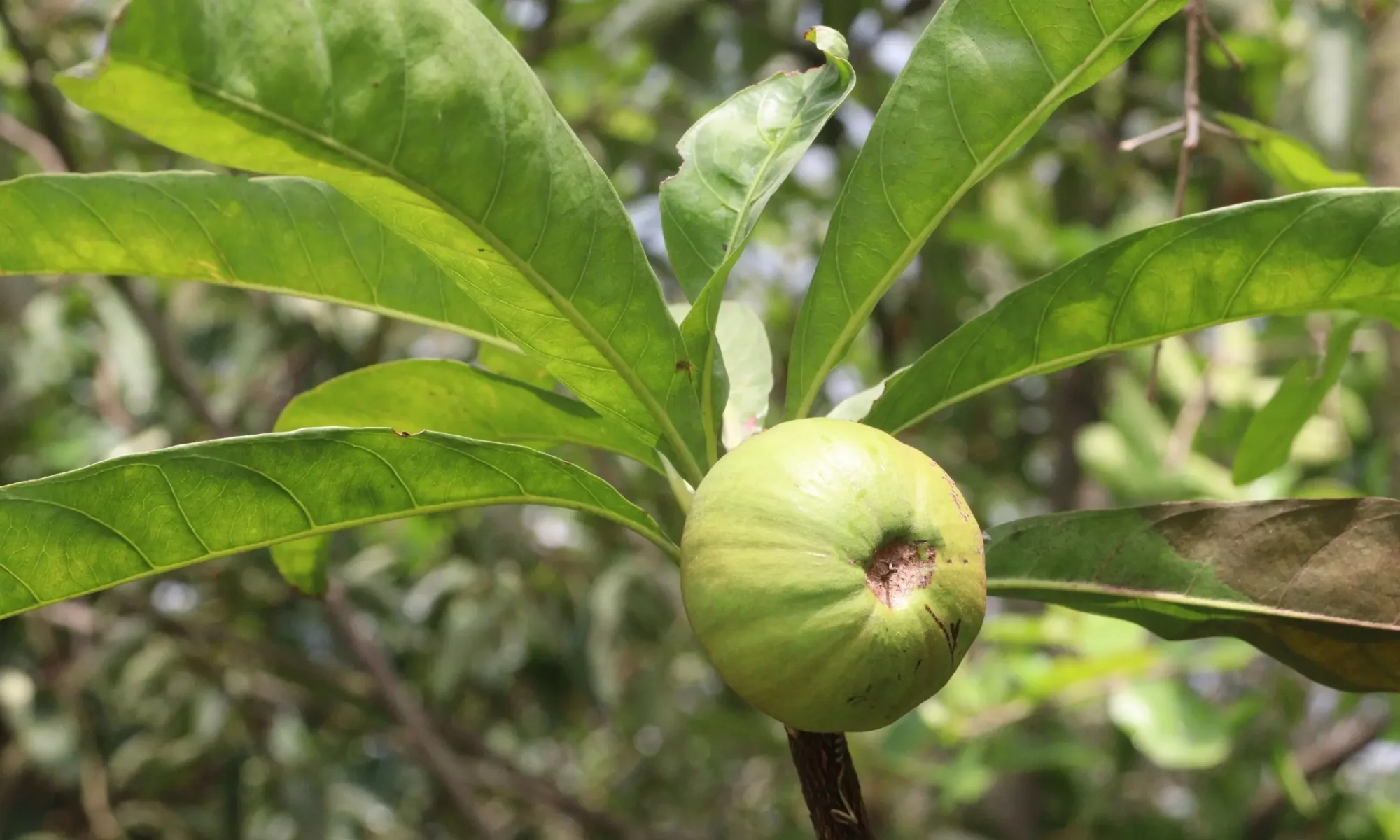
Varun (Crataeva nurvala) is a small, deciduous tree known for its medicinal properties, particularly in urinary and kidney health. It belongs to the Capparaceae family and is native to the Indian subcontinent and Southeast Asia. Traditionally, it has been used in Ayurveda for managing kidney stones, urinary disorders, and joint problems.

Scientific Classification

  • Kingdom: Plantae
  • Phylum: Angiosperms
  • Class: Eudicots
  • Order: Brassicales
  • Family: Capparaceae
  • Genus: Crataeva
  • Species: Crataeva nurvala

Common Names

  • English: Varun, Three-leaved Caper
  • Sanskrit: Varuna
  • Hindi: Varun
  • Tamil: Vavunai
  • Telugu: Varuna
  • Bengali: Varun
  • Marathi: Varun

Traditional and Medicinal Uses

  • Urinary and Kidney Health: Acts as a diuretic, helping in the management of urinary tract infections (UTIs) and promoting healthy urine flow.
  • Anti-inflammatory and Analgesic: Used for joint pain, arthritis, and inflammation-related disorders.
  • Digestive Health: Promotes digestive function and may help with constipation and indigestion.
  • Liver Protection: Shows hepatoprotective activity, supporting liver health in traditional medicine.
  • Antioxidant Properties: Contains bioactive compounds that provide antioxidant benefits, reducing oxidative stress in the body.

Phytochemical Constituents

  • Alkaloids: Cratervine, Lupeol
  • Flavonoids: Quercetin, Kaempferol
  • Triterpenoids: β-sitosterol, Lupeol
  • Phenolic Compounds: Ferulic acid, Gallic acid
  • Saponins: Crataeva saponins
  • Other Constituents: Tannins, Sterols

References

  • Ayurvedic Pharmacopoeia of India (API), Govt. of India.
  • Chopra, R.N., Nayar, S.L., & Chopra, I.C. (1956). Glossary of Indian Medicinal Plants. CSIR, New Delhi.
  • Kirtikar, K.R., & Basu, B.D. (1933). Indian Medicinal Plants. Lalit Mohan Basu, Allahabad.
  • Mishra, L.C., et al. (2001). Scientific Basis for Ayurvedic Therapies. CRC Press.
  • Singh, N., & Singh, R. (2011). “Pharmacological and therapeutic potential of Crataeva nurvala Buch-Ham.” Journal of Ethnopharmacology, 137(3), 1095–1103.
  • European Pharmacopoeia, 10th Edition, Council of Europe.

TRIKATU

Trikatu

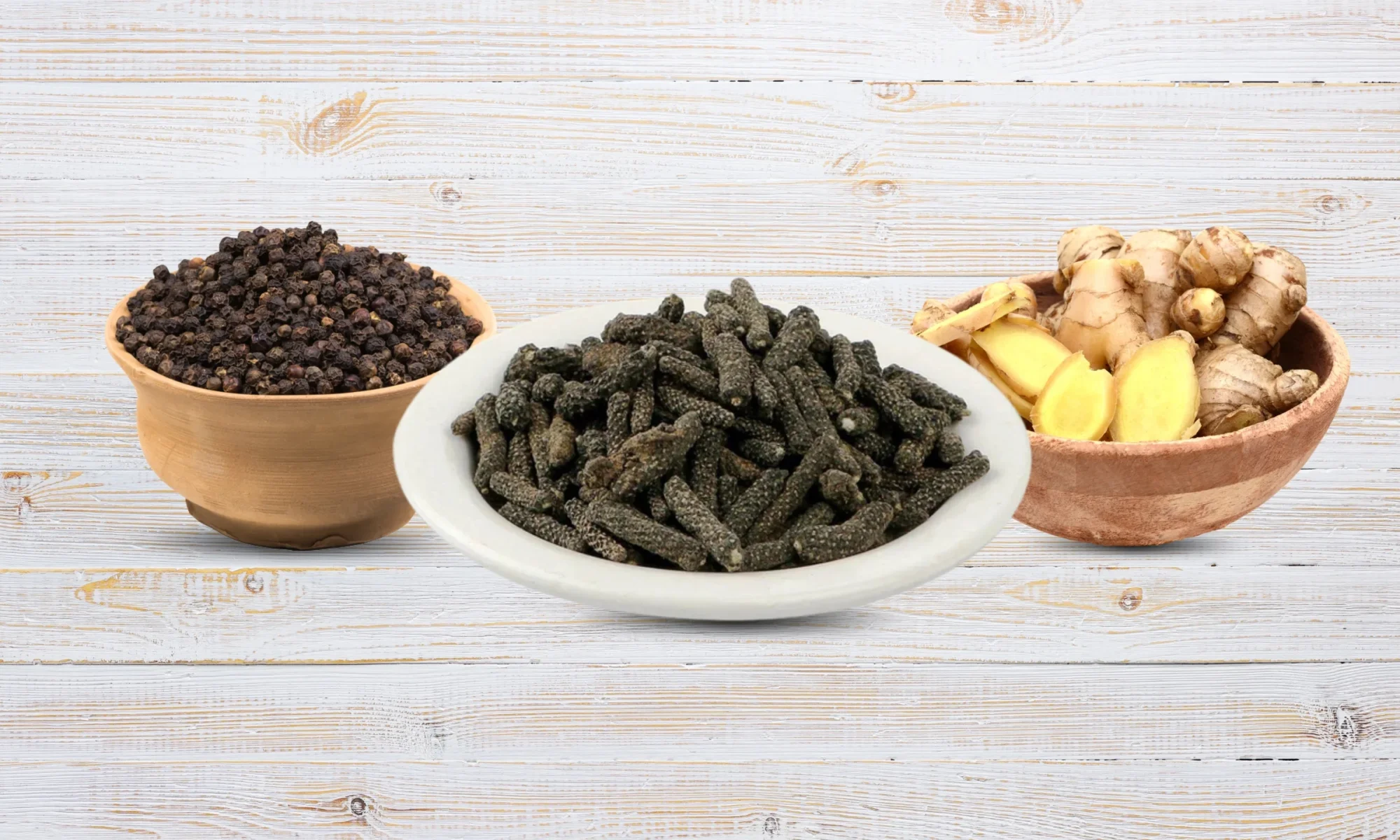
Trikatu is a classical Ayurvedic formulation composed of three potent herbs—Pippali (Piper longum Linn.), Maricha (Piper nigrum Linn.), and Shunthi (Zingiber officinale Rosc.)—in equal proportions (1:1:1). The name “Trikatu” literally means three pungents. It is renowned for enhancing digestion, metabolism, and bioavailability of other drugs. Traditionally, Trikatu is used to treat indigestion, obesity, respiratory conditions, and as a rejuvenator for the gastrointestinal and hepatic systems.

Scientific Classification

    For Trikatu (Formulation)

  • Kingdom: Plantae
  • Phylum: Angiosperms
  • Class: Dicotyledons
  • Order: Piperales / Zingiberales
  • Family: Piperaceae / Zingiberaceae
  • Constituent Herbs:

  • Piper nigrum (Black Pepper)
  • Piper longum (Long Pepper)
  • Zingiber officinale (Dry Ginger)

Common Names

  • English – Three Pungents, Trikatu Churna
  • Sanskrit – Trikatu, Katutraya
  • Hindi – Trikatu, Thikkat
  • Tamil – Thirikadugu
  • Telugu -Trikatamu
  • Malayalam – Thrikadugam
  • Marathi – Trikatu

Traditional and Medicinal Uses

  • Digestive and Metabolic Health: Reduces gas, bloating, and indigestion symptoms. Used as a natural carminative and laxative.
  • Respiratory Benefits: Acts as an expectorant and bronchodilator, helpful in cough, asthma, and bronchitis, Clears mucus and enhances respiratory function.
  • Weight and Metabolism Regulation : Increases metabolic rate and helps reduce fat accumulation, useful in obesity management.
  • Hepatoprotective and Detoxifying: Supports liver function and aids in detoxification by enhancing bile secretion.

References

  • Ayurvedic Pharmacopoeia of India (API), Part-I, Vol. I–V, Govt. of India, Ministry of AYUSH.
  • Sharangadhara Samhita – Madhyama Khanda, Chapter 6, Churnakalpana Adhyaya.
  • A Review on Trikatu Churna – International Journal of Research in Ayurveda and Pharmacy (IJRAP), Vol. 12, Issue 3, 2021.
  • Rao, P. K. S. et al. (2025). Deciphering the Mechanism of Action of Trikatu through its Bioactive Compounds. Journal of Clinical Research in Medicine and Health Sciences.
  • Phyto-pharmacological review on bioavailability enhancer Trikatu (Journal of Pharmacognosy and Phytochemistry, 2024, Vol. 13 Issue 3, p.998).
  • Deciphering the Impact and Mechanism of Trikatu, a Spices-based Formulation (PMC9709420, Journal of Ayurveda and Integrative Medicine, 2022).
  • Charaka Samhita, Sutrasthana 5/12 – Reference to Trikatu as Deepana-Pachana Yoga.
  • Sushruta Samhita, Sutrasthana 38/30 – Description of Trikatu in metabolic disorders.
  • Chopra, R.N., Nayar, S.L., & Chopra, I.C. (1956). Glossary of Indian Medicinal Plants, CSIR, New Delhi.
  • European Pharmacopoeia, 10th Edition, Council of Europe.

TRIPHALA

TRIPHALA

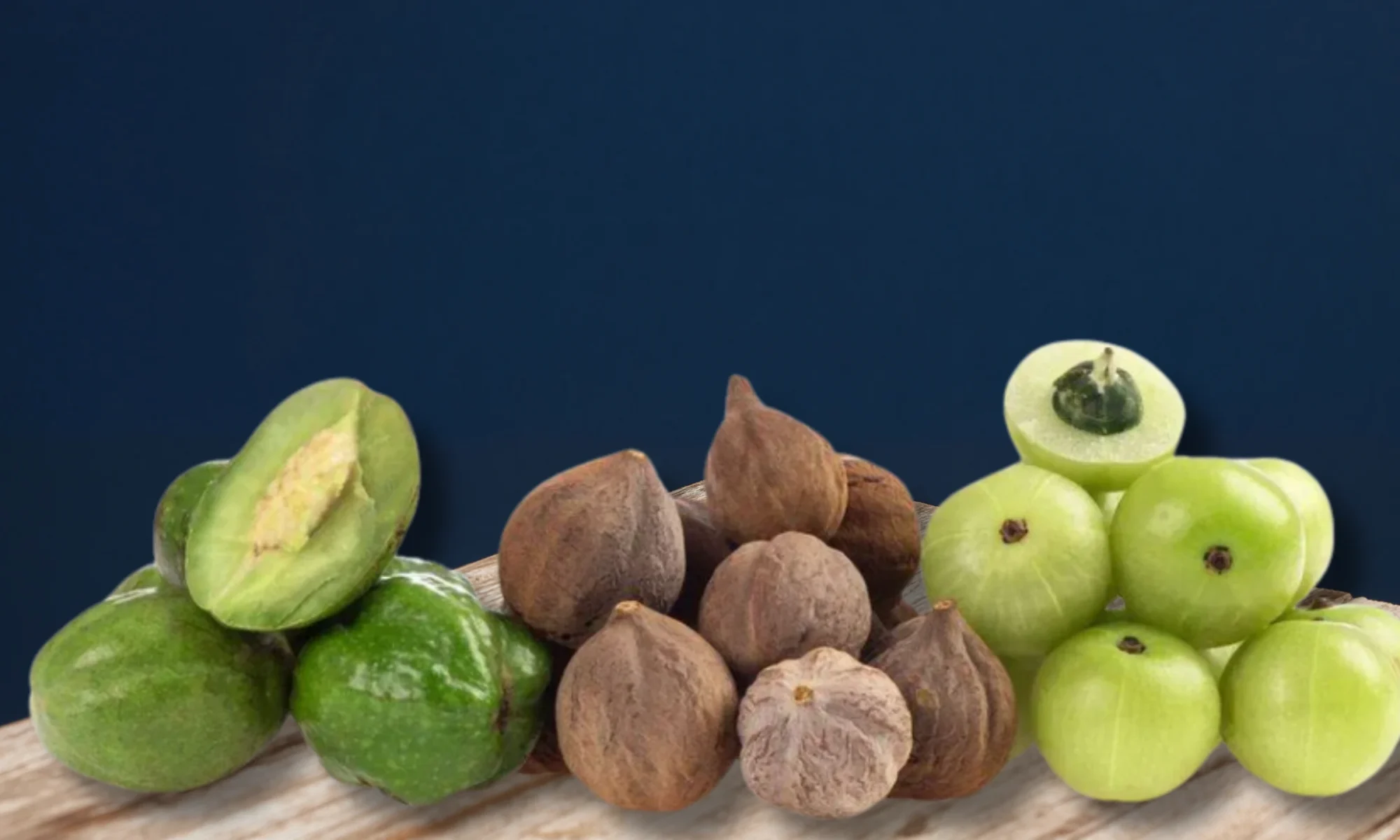
Triphala is one of the most revered Ayurvedic polyherbal formulations, composed of three fruits — Amalaki (Emblica officinalis), Bibhitaki (Terminalia bellirica), and Haritaki (Terminalia chebula). It is known for its rejuvenating, detoxifying, and antioxidant properties. Traditionally, Triphala is used for improving digestion, supporting liver function, enhancing immunity, and promoting longevity. It balances all three doshas (Vata, Pitta, Kapha) and is widely used as a rasayana (rejuvenative) in Ayurveda.

Scientific Classification

Amalaki (Emblica officinalis)

  • Kingdom: Plantae
  • Phylum: Angiosperms
  • Class: Eudicots
  • Order: Malpighiales
  • Family: Phyllanthaceae
  • Genus: Phyllanthus
  • Species: Phyllanthus emblica

Bibhitaki (Terminalia bellirica)

  • Kingdom: Plantae
  • Phylum: Angiosperms
  • Class: Eudicots
  • Order: Myrtales
  • Family: Combretaceae
  • Genus: Terminalia
  • Species: Terminalia bellirica

Haritaki (Terminalia chebula)

  • Kingdom: Plantae
  • Phylum: Angiosperms
  • Class: Eudicots
  • Order: Myrtales
  • Family: Combretaceae
  • Genus: Terminalia
  • Species: Terminalia chebula

Common Names

  • English – Triphala
  • Sanskrit – Triphala, Vara
  • Hindi – Triphala, Teen Phal
  • Tamil – Thiripala
  • Telugu – Thriphala
  • Bengali – Triphala
  • Marathi – Triphala

Traditional and Medicinal Uses

  • Digestive Health: Acts as a mild laxative that promotes bowel regularity and relieves constipation, Enhances digestion, absorption, and metabolism.
  • Detoxification and Rejuvenation: Helps in detoxifying the liver and blood, promoting purification and regeneration.
  • Immunity and Antioxidant Support: Contains high levels of vitamin C and polyphenols, supporting immune strength and protecting against oxidative stress.
  • Eye and Skin Health: Traditionally used for improving vision and enhancing complexion due to its rejuvenating properties.
  • Metabolic and Weight Management: Helps regulate lipid and glucose metabolism, supporting healthy body weight and metabolism.
  • Oral and Dental Health: Used in gargles and mouthwashes for preventing oral infections and improving gum health.

References

  • Ayurvedic Pharmacopoeia of India (API), Govt. of India.
  • Charaka Samhita, Rasayana Adhyaya – Discussion on Triphala as Rasayana.
  • Baliga, M.S. (2010). “Triphala, Ayurvedic formulation for treating and preventing cancer: A review.” Journal of Alternative and Complementary Medicine, 16(12), 1301–1308.
  • Peterson, C.T., Denniston, K., & Chopra, D. (2017). “Therapeutic uses of Triphala in Ayurvedic medicine.” Journal of Alternative and Complementary Medicine, 23(8), 607–614.
  • Jagetia, G.C., & Baliga, M.S. (2004). “Triphala, an Ayurvedic rasayana, protects against radiation-induced lethality in mice.” Phytomedicine, 9(2), 99–108.
  • Sandhya, T., Lathika, K.M., & Mishra, K.P. (2006). “Potential immunomodulatory and antioxidant properties of Triphala: An Ayurvedic formulation.” Indian Journal of Experimental Biology, 44(6), 493–498.
  • The Ayurvedic Formulary of India, Part I & II, Ministry of Health and Family Welfare, Government of India.
  • Wealth of India: Raw Materials (CSIR, New Delhi).
  • Srikumar, R., Parthasarathy, N.J., & Devi, R.S. (2005). “Immunomodulatory activity of Triphala on neutrophil functions.” Biological and Pharmaceutical Bulletin, 28(8), 1398–1403.
  • European Pharmacopoeia, 10th Edition, Council of Europe.

Coconut ( Cocos nucifera )

coconut

Cocos nucifera L., commonly known as the Coconut Palm, is a tall, perennial tree belonging to the Arecaceae family. It is often referred to as the “Tree of Life” due to its multiple utilities — from food and medicine to fuel and shelter. Every part of the plant, including the fruit, water, shell, husk, leaves, and roots, holds nutritional, commercial, and medicinal value. The kernel, coconut oil, and tender coconut water are rich in nutrients and bioactive compounds beneficial for human health.

Scientific Classification

  • Kingdom: Plantae
  • Phylum (Division): Angiosperms
  • Class: Monocots
  • Order: Arecales
  • Family: Arecaceae
  • Genus: Cocos
  • Species: Cocos nucifera L.

Common Names

  • English: Coconut, Coconut Palm
  • Sanskrit: Nārikelā
  • Hindi: Nārīyal
  • Gujarati: Nāriyēl
  • Tamil: Thēṅkai
  • Malayalam: Thengu
  • Marathi: Nārāl

Traditional and Medicinal Uses

  • Antioxidant & Anti-inflammatory: Phenolic and flavonoid compounds protect cells from oxidative stress and inflammation.
  • Antimicrobial & Antifungal: Coconut oil and husk extracts exhibit activity against bacteria and fungi.
  • Antidiabetic: Certain extracts help in lowering blood glucose and improving lipid metabolism.
  • Hepatoprotective & Immunomodulatory: Studies suggest liver-protecting and immune-boosting effects.
  • Skin and Wound Healing: Coconut oil aids in moisture retention and tissue repair.
  • Nutritional Support: Coconut water replenishes electrolytes and promotes hydration.

References

  • Ayurvedic Pharmacopoeia of India (API), Part I, Vol. III. Government of India, Ministry of AYUSH.
  • Alves, E. S., et al. (2015). Cocos nucifera (L.) (Arecaceae): A phytochemical and pharmacological review. Brazilian Journal of Medical and Biological Research, 48(12).
  • DebMandal, M., & Mandal, S. (2011). Coconut (Cocos nucifera L.): In health promotion and disease prevention. Journal of Ethnopharmacology, 142(1), 1–8.
  • Ojha, S., et al. (2019). Review of Cocos nucifera L. testa-derived phytonutrients with applications in functional foods. Journal of Functional Foods, 57, 169–182.
  • Rahman, S., et al. (2012). Antimicrobial Properties of Cocos nucifera: A Review. Journal of the Coconut Community (ICC).
  • Chopra, R. N., Nayar, S. L., & Chopra, I. C. (1956). Glossary of Indian Medicinal Plants. CSIR, New Delhi.
  • Indian Herbal Pharmacopoeia. (2002). Vol. II. Regional Research Laboratory, Jammu-Tawi & Indian Drug Manufacturers’ Association, Mumbai.

Rose (Rosa spp.)

Rose (Rosa spp.)

Rose (Rosa spp.) is one of the most admired flowering plants globally, known for its fragrance, beauty, and medicinal value. Belonging to the Rosaceae family, the rose plant includes over 300 species and thousands of cultivars. Traditionally, different parts of the rose—especially petals and hips—have been used in Ayurvedic, Unani, and traditional medicine systems for their cooling, cardiac, anti-inflammatory, and rejuvenating properties. Rose is also valued for its essential oil (Rose oil), widely used in aromatherapy and cosmetics.

Scientific Classification

  • Kingdom: Plantae
  • Phylum: Angiosperms
  • Class: Eudicots
  • Order: Rosales
  • Family: Rosaceae
  • Genus: Rosa
  • Species: Rosa spp. (commonly Rosa damascena, Rosa centifolia, Rosa gallica)

Common Names

  • English: Rose
  • Sanskrit: Shatapatri, Taruni
  • Hindi: Gulab
  • Tamil: Roja
  • Telugu: Gulabi puvvu
  • Bengali: Golap
  • Marathi: Gulab

Daily Routine & Wellness Uses of Rose (Rosa spp.)

Rose has been used for centuries in Ayurveda for calming the mind, cooling the body, and improving skin health. If you’re wondering how to use rose daily or searching for simple home uses of rose, here are easy, practical ways to make rose a part of your routine. These are gentle enough for everyday use and deeply supportive for daily wellness rose practices.

1. Rose Water Morning Tonic

Start your day with a mild cooling ritual.
Add 5–8 drops of pure rose water into a glass of room-temperature water.
This helps:

  • Cool down excess heat (Pitta)
  • Improve skin hydration
  • Support emotional calm
  • Reduce mild acidity

Perfect for anyone wanting a soothing, detoxifying start to the day.

2. Rose Tea (Herbal Infusion) for Daily Calm

Steep 1 tsp dried rose petals in hot water for 5–7 minutes.
Drink daily to support:

  • Healthy digestion
  • Light detoxification
  • Emotional balance
  • Stress reduction

This is one of the most effective daily wellness rose habits — especially for people prone to stress, irritability, or digestive discomfort.

3. Rose Water Facial Mist / Natural Toner

If you’re looking for simple home uses of rose for skincare, this tops the list.
Spray rose water on the face anytime during the day to:

  • Refresh and hydrate the skin
  • Reduce redness and irritation
  • Maintain pH balance
  • Add instant glow

This is safe for all skin types and can be used multiple times daily.

4. Rose Aromatherapy for Mood Support

Use dried rose petals or a drop of rose oil (diluted in carrier oil) in a diffuser.
This simple practice helps:

  • Reduce mental fatigue
  • Promote relaxation
  • Ease emotional tension
  • Support deep breathing

It’s a natural mood-enhancing tool you can use at home or work.

5. Rose Bath for Relaxation

Add a handful of rose petals or 1–2 tsp rose water to warm bathwater.
Benefits include:

  • Relaxed muscles
  • Reduced stress
  • Improved sleep quality
  • Softer, smoother skin
  • This is ideal for nighttime relaxation.

6. Gulkand (Rose Petal Jam) for Digestion & Cooling

Gulkand is one of Ayurveda’s most popular rose preparations.
Take 1 tsp daily:

  • Helps cool body heat
  • Reduces acidity
  • Promotes digestion
  • Elevates mood
  • Supports gut health

It is especially helpful during summer or for individuals with high Pitta.

Kitchen & Culinary Uses of Rose

Rose is not just a wellness ingredient — it is also a delicate and aromatic rose petal culinary spice used in multiple cuisines. If people search for rose uses in kitchen or recipes using rose, these applications are the most popular and practical:

1. Refreshing Rose Syrups & Sharbat

Rose syrup is the base of many cooling summer drinks in India.
It helps calm the digestive system and hydrates the body during hot weather.

2. Rose in Traditional & Modern Desserts

Rose petals or rose water enhance:

  • Kheer
  • Phirni
  • Rasmalai
  • Gulab Jamun syrup
  • Halwa
  • Cakes, cookies & pastries

They add a floral fragrance and a luxurious taste.

3. Gulkand in Sweets & Daily Recipes

Gulkand can be used as:

  • A spread
  • A filling in sweets
  • A cooling digestive after meals
  • A therapeutic tonic

Its sweet, floral profile elevates many desserts.

4. Rose in Baking

Dried rose petals add both aroma and aesthetic appeal to:

  • Muffins
  • Biscuits
  • Bread
  • Fusion desserts

Rose water can be added to glaze, icing, or dough for a subtle floral note.

5. Rose in Salads & Refreshing Drinks

Rose water blends wonderfully with:

  • Lemonades
  • Fruit salads
  • Detox water
  • Yogurt drinks
  • Herbal iced teas

A small amount goes a long way in uplifting flavor.

6. Rose Herbal Teas & Infusions

Rose pairs beautifully with herbs like:

  • Mint
  • Hibiscus
  • Chamomile
  • Lemongrass

These teas help lighten digestion and calm the mind.

Traditional and Gulab Medicinal Uses

  • Skin and Beauty Care – Acts as a natural coolant and toner, improving complexion and soothing irritation, Used in rose water and rose oil for moisturizing and rejuvenating the skin.
  • Digestive Health – Rose petals help enhance digestion and relieve acidity. Traditionally used as an ingredient in Gulkand, which helps cool the body and supports digestive comfort.
  • Nervine and Emotional Support – Known for its calming and antidepressant effects, often used in aromatherapy to reduce anxiety and stress.
  • Cardiovascular Benefits – Rose petals are believed to strengthen the heart and promote healthy circulation according to Ayurveda.
  • Reproductive and Urinary Health – Rose water is used to cool the body and relieve burning sensation in urinary disorders.

Read More: Rose in Ayurveda: Benefits, Uses & Healing Properties

References

  • Ayurvedic Pharmacopoeia of India (API), Government of India.
  • Weiss, E.A. (1997). Essential Oil Crops. CAB International, UK.
  • Boskabady, M.H., Shafei, M.N., Saberi, Z., & Amini, S. (2011). “Pharmacological effects of Rosa damascena.” Iranian Journal of Basic Medical Sciences, 14(4), 295–307.
  • Mahboubi, M. (2016). “Rosa damascena as holy ancient herb with novel applications.” Journal of Traditional and Complementary Medicine, 6(1), 10–16.
  • European Pharmacopoeia, 10th Edition, Council of Europe.
  • Chopra, R.N., Nayar, S.L., & Chopra, I.C. (1956). Glossary of Indian Medicinal Plants. CSIR, New Delhi.
  • Kumar, N., Bhandari, P., Singh, B., & Bari, S.S. (2009). “Antioxidant activity and phytochemical analysis of Rosa damascena.” Pharmacognosy Journal, 1(1), 80–84.

Mint (Mentha arvensis)

Mint (Mentha arvensis)

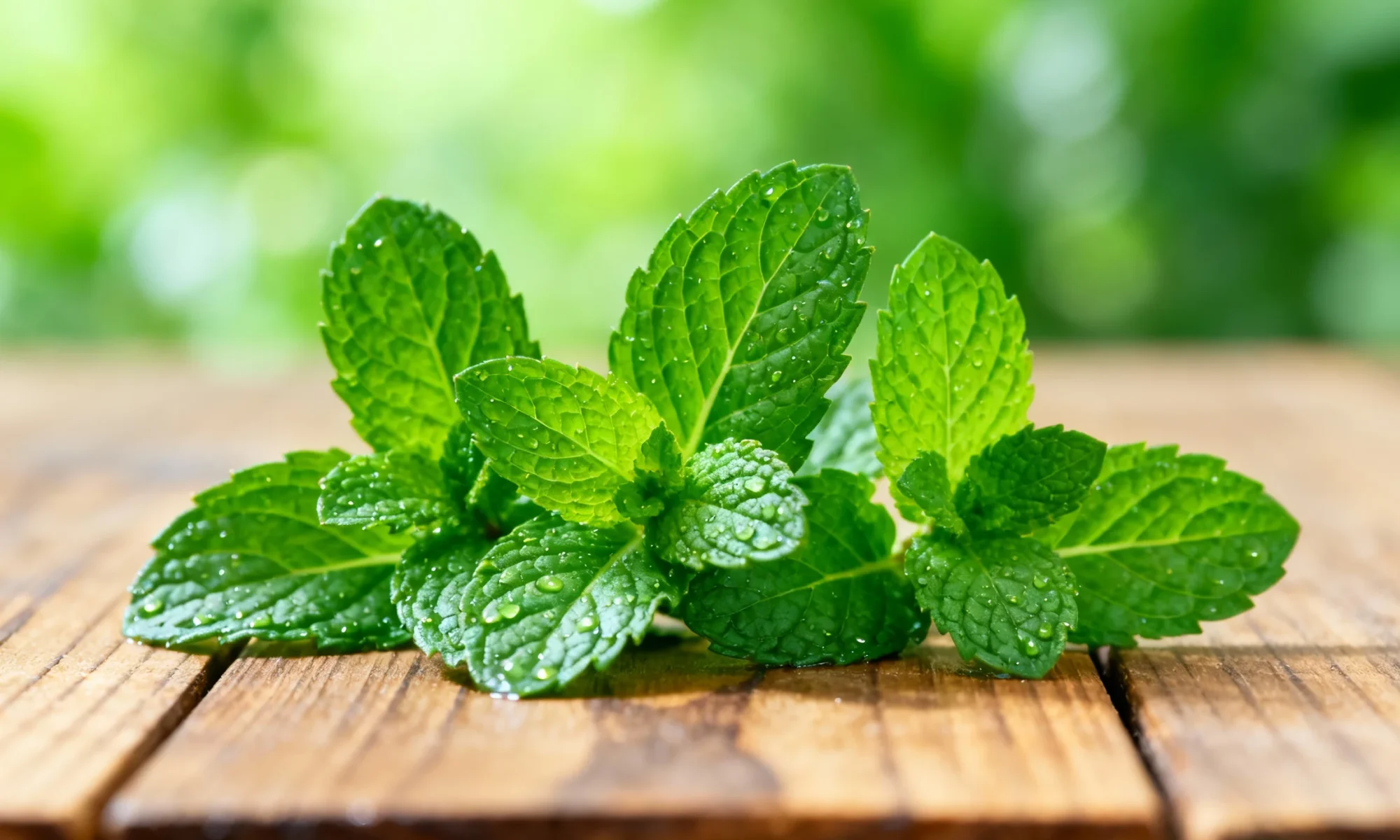
Mint (Mentha arvensis / Mentha piperita) is a popular aromatic herb belonging to the Lamiaceae family. It is cultivated widely for its refreshing fragrance and therapeutic properties. In Ayurveda and other traditional systems, mint is valued for its digestive, carminative, antispasmodic, antimicrobial, and cooling actions. The leaves and essential oil are used in herbal remedies, teas, and formulations for digestive, respiratory, and skin-related ailments.

Scientific Classification

  • Kingdom: Plantae
  • Phylum: Angiosperms
  • Class: Eudicots
  • Order: Lamiales
  • Family: Lamiaceae
  • Genus: Mentha
  • Species: Mentha arvensis / Mentha piperita

Common Names

  • English: Mint, Peppermint, Field Mint
  • Sanskrit: Pudina, Phudina Patra
  • Hindi: Pudina
  • Tamil: Pudina
  • Telugu: Pudina Aku
  • Bengali: Pudina Pata
  • Marathi: Pudina

Daily Routine & Wellness Uses of Mint (Mentha arvensis)

Mint is one of the easiest herbs to use every single day. Whether you want better digestion, a cooling effect during summer, or simple home remedies for daily wellness, mint fits effortlessly into your routine. Here are some effective, practical daily wellness mint uses that anyone can follow:

1. Mint-Infused Water (Daily Cooling Detox)

If you’re wondering how to use mint daily in the simplest way, this is the best start.
Just add 5–6 fresh mint leaves to your everyday drinking water bottle.
Benefits:

This is one of the most simple home uses of mint, perfect for summers or for people with excess heat (Pitta).

2. Post-Meal Mint Chew (Natural Digestive)

If you often deal with heaviness or gas after meals, chew 2–3 mint leaves or crushed dried mint.
Benefits:

This is one of the easiest answers to how to use mint daily without any preparation.

3. Mint Steam Inhalation (For Congestion Relief)

Boil water → add a handful of mint leaves → inhale steam under a towel.
Benefits:

4. Cool Mint Face Mist / Toner (For Skin Calmness)

Infuse mint leaves in warm distilled water → cool → strain → use as a facial spray.
Benefits:

5. DIY Mint Bath (Relaxing Night Routine)

Add crushed mint leaves or 1–2 drops of diluted mint essential oil to your bath.
Benefits:

A great way to unwind while embracing simple home uses of mint.

Kitchen & Culinary Uses of Mint

Mint is one of the most versatile herbs in the kitchen. Its refreshing aroma and cooling taste give life to many dishes — both Indian and international. If you’re exploring mint uses in kitchen or searching for unique recipes using mint, here are the most practical and popular ways:

1. Chutneys & Sauces (The #1 Mint Culinary Spice Use)

Mint chutney is a classic in almost every Indian home.
It pairs perfectly with snacks, sandwiches, parathas, rice bowls, and salads.
Why it’s useful:

2. Salads & Dressings (Refreshing Flavor Boost)

Chop a few mint leaves and add them to fruit salads, vegetable salads, or homemade dressings.
What it does:

This is one of the healthiest recipes using mint for daily meals.

3. Soups & Broths (Hot or Cold)

Mint works surprisingly well in both refreshing cold soups and warm broths.
Benefits:

Use it in tomato soup, cucumber cold soup, lentil broths, or herbal detox broths.

4. Beverages & Cooling Drinks

Mint is widely used in summer drinks and detox beverages.
You can add it to:

Mint is a top choice for people searching for recipes using mint for summer hydration.

5. Desserts & Sweets (Refreshing Twist)

Mint pairs wonderfully with desserts — especially cold ones.
Best uses:

6. Baking (For Aroma & Freshness)

Mint can be used lightly in baking as well.
Use in:

Traditional & Medicinal Uses of Mint (Pudina)

  • Digestive Health – Acts as a carminative and digestive stimulant, helping relieve bloating, nausea, and indigestion. Commonly used in formulations for flatulence and colic.
  • Respiratory Health – The menthol in mint provides a cooling sensation and acts as a decongestant, useful in cough, cold, bronchitis, and asthma.
  • Skin and Oral Care – Possesses antibacterial and antiseptic properties beneficial for skin irritations, acne, and mouth ulcers.
  • Nervous System Benefits – Provides a soothing and calming effect on the nerves, helping reduce headache, stress, and fatigue.

Read More: Mint (Pudina) in Ayurveda: Benefits and Uses

References

Lemon (Citrus limon (L.) Osbeck)

Lemon (Citrus limon (L.) Osbeck)

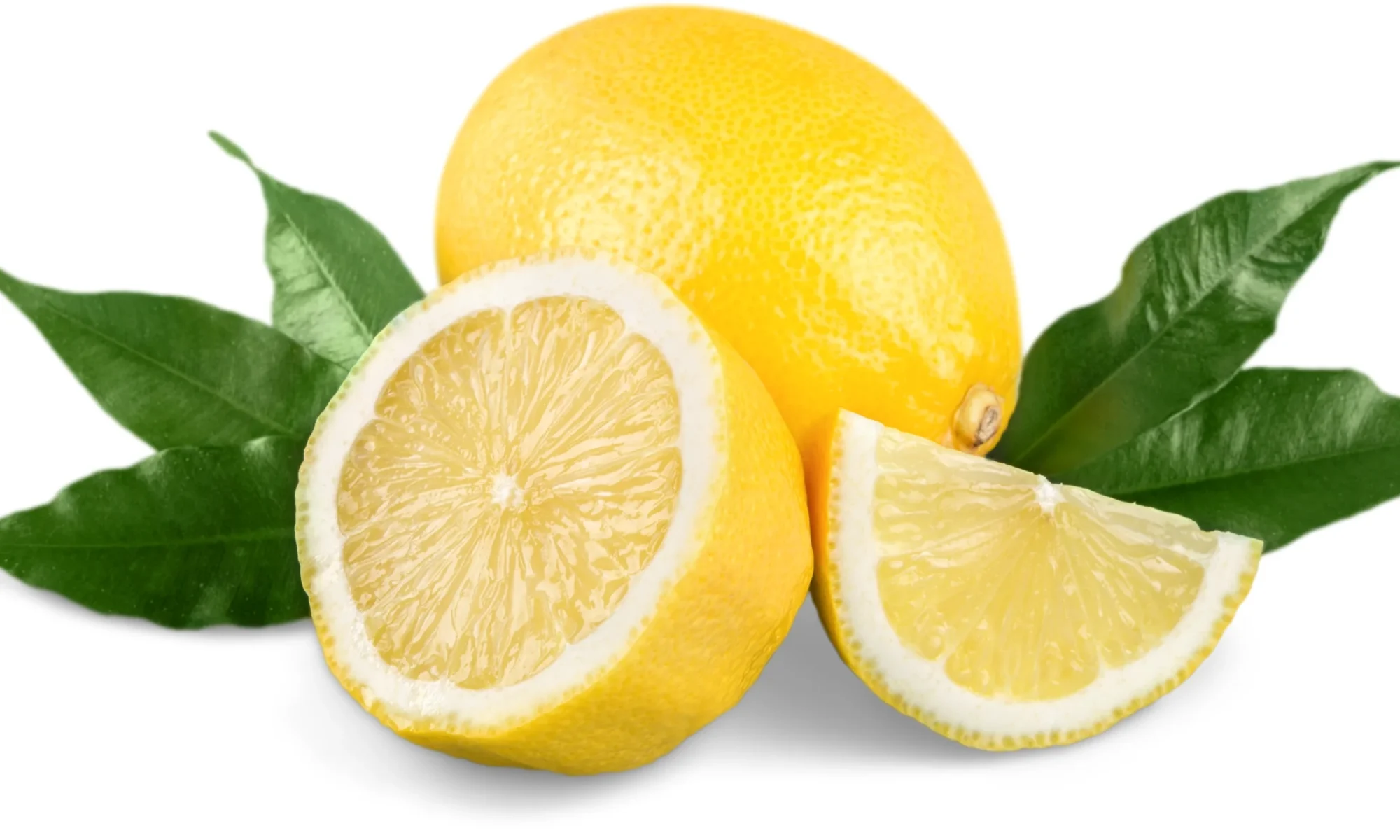
Lemon (Citrus limon (L.) Osbeck) is a small, evergreen tree belonging to the Rutaceae family, widely cultivated for its sour, aromatic fruits. The fruit is rich in vitamin C, citric acid, and flavonoids, making it a staple in culinary, cosmetic, and medicinal applications. Traditionally, lemon has been used for improving digestion, detoxification, skin health, and immunity in various traditional medicine systems, including Ayurveda and Unani.

Scientific Classification

  • Kingdom: Plantae
  • Phylum: Angiosperms
  • Class: Eudicots
  • Order: Sapindales
  • Family: Rutaceae
  • Genus: Citrus
  • Species: Citrus limon (L.) Osbeck

Common Names

  • English: Lemon
  • Sanskrit: Nimbuka / Jambira
  • Hindi: Nimbu
  • Tamil: Elumichai
  • Telugu: Nimmakaya
  • Bengali: Lebu
  • Marathi: Limbu
  • Gujarati: Limdu

Daily Routine Uses of Lemon

If you’re wondering how to use lemon daily for simple home wellness, here are some powerful and practical ways to do so. These are not just kitchen hacks—they support daily wellness lemon rituals.

Warm Lemon Water (Morning Ritual)

Squeeze half a lemon in a glass of warm water and drink in the morning. This is a gentle way to support detox, stimulate digestion, and hydrate your system. This habit is often recommended in Ayurveda for its cleansing and balancing effects.

Lemon & Honey Tonic

Combine freshly squeezed lemon juice with honey in warm water to make a soothing tonic. This is a simple home use remedy for sore throat, cough, or low immunity. Ayurveda often prescribes this mix as a natural expectorant.

Lemon in Detox Drinks

Add a few drops of lemon to your detox water or herbal teas. This enhances the daily wellness lemon effect, helping flush out toxins and improve digestion.

Lemon Zest Addition

Use lemon zest (the outer peel) in your morning oats, smoothies, or yogurt. Zest contains bioactive flavonoids and essential oils that support digestion and metabolism.

Topical Lemon Use (Skin)

Diluted lemon juice can be used (very carefully) on the skin as a natural brightening agent or mild antiseptic. However, because of its acidity, it’s best to mix with water or safer carrier ingredients and avoid sun exposure immediately after.

Kitchen & Culinary Uses of Lemon

Lemon is a versatile culinary hero. It’s not just about flavor—it also adds health value to your daily cooking.

Salads, Dressings & Marinades

Use lemon juice in salad dressings, marinades, or as a final squeeze over cooked vegetables and rice. It brightens flavor and adds a healthy, citrusy tang.

Curries & Indian Dishes

In many Indian recipes, lemon is used to balance flavors, reduce heaviness, and add a fresh finish to dals, curries, and sabzis. This is a classic example of how to use lemon in kitchen.

Pickles & Preservation:

Lemon juice or peel is added to pickles (achar) for its sour note and preservative effect.

Beverages & Drinks

Lemon is a key ingredient in:

These are common recipes with lemon that are both tasty and healthful.

Baked Goods & Desserts

Lemon zest or juice is used in cakes, muffins, and desserts for natural flavor and a citrus punch—without relying on artificial flavors.

Soups, Broths & Rasam

A squeeze of lemon after cooking enhances both taste and digestibility. Lemon helps to elevate and balance the flavors in light soups and rasam.

Traditional & Medicinal Uses of Lemon

  • Digestive and Detoxifying Agent – Lemon juice acts as a natural digestive stimulant, improving appetite and aiding in liver detoxification, Helps neutralize acidity and supports gut health.
  • Immune Booster – Rich in vitamin C, it enhances immune response and helps prevent infections, colds, and flu.
  • Skin and Hair Care – Used as a natural cleanser for acne-prone skin and dandruff. Promotes a healthy complexion and reduces hyperpigmentation.
  • Cardiovascular and Metabolic Health – Regular intake supports cholesterol regulation, reduces oxidative stress, and improves vascular health.

Read More: Uses of Lemon (Citrus limon) for Health, Skin & Daily Life

References

vetasamla ( Garcinia pedunculata)

vetasamla ( Garcinia pedunculata)

Garcinia pedunculata Roxb., commonly known as Vetasamla or Amlavetasa, is an evergreen medicinal tree belonging to the family Clusiaceae (Guttiferae). It is native to Northeast India and is known for its acidic fruit, which is traditionally used as a food additive and therapeutic agent. The dried fruit rind is widely utilized in Ayurvedic and folk medicine for its digestive, antioxidant, anti-inflammatory, and cardioprotective benefits.

Botanical Description & Classification

  • Kingdom: Plantae
  • Phylum: Angiosperms
  • Class: Eudicots
  • Order: Malpighiales
  • Family: Clusiaceae
  • Genus: Garcinia
  • Species: Garcinia pedunculata Roxb

Common Names

  • English: Stalked Mangosteen
  • Sanskrit: Amlavetasa
  • Hindi: Amlavetasa
  • Assamese: Thekera
  • Bengali: Amlavetasa
  • Tamil: Kodampuli
  • Malayalam: Iravipuli

Traditional Ayurvedic Uses:

  • Supports Healthy Digestion – Used to relieve indigestion, acidity, diarrhea, and flatulence due to its sour and digestive-stimulating properties.
  • Cardioprotective & Metabolism Boosting – Acts as a cardiotonic and helps improve heart function, Balancing lipid levels, Supporting healthy metabolism, Managing weight naturally
  • Powerful Antioxidant & Anti-inflammatory Herb – The fruit rind exhibits antioxidant and anti-inflammatory properties, helping reduced oxidative stress, Cellular protection, Slowing inflammation, Supporting overall immunity
  • Hepato- and Nephroprotective Uses – Traditional use and modern studies suggest potential liver and kidney protective effects.
  • Relief from Respiratory Conditions – Folk medicine uses include relief from cough, cold, and bronchitis.

References

The Ayurvedic Pharmacopoeia of India, Govt. of India.

Bhattacharjee, S., et al. (2021). “A Comprehensive Review of Garcinia pedunculata Roxb. and its therapeutic potential.” Frontiers in Pharmacology, 12, 635968.

Sarma, R., et al. (2016). “Polyphenol-rich extract of Garcinia pedunculata fruit attenuates oxidative stress and biochemical alterations.” Frontiers in Pharmacology, 7, 294.

Mundugaru, R., et al. (2017). “Quality standardization and nephroprotective effect of Garcinia pedunculata fruit rind extract.” Indian Journal of Pharmaceutical Education and Research.

Chopra, R.N., Nayar, S.L., & Chopra, I.C. (1956). Glossary of Indian Medicinal Plants. CSIR, New Delhi.

shivlingi beej (Bryonia laciniosa)

shivlingi beej (Bryonia laciniosa)

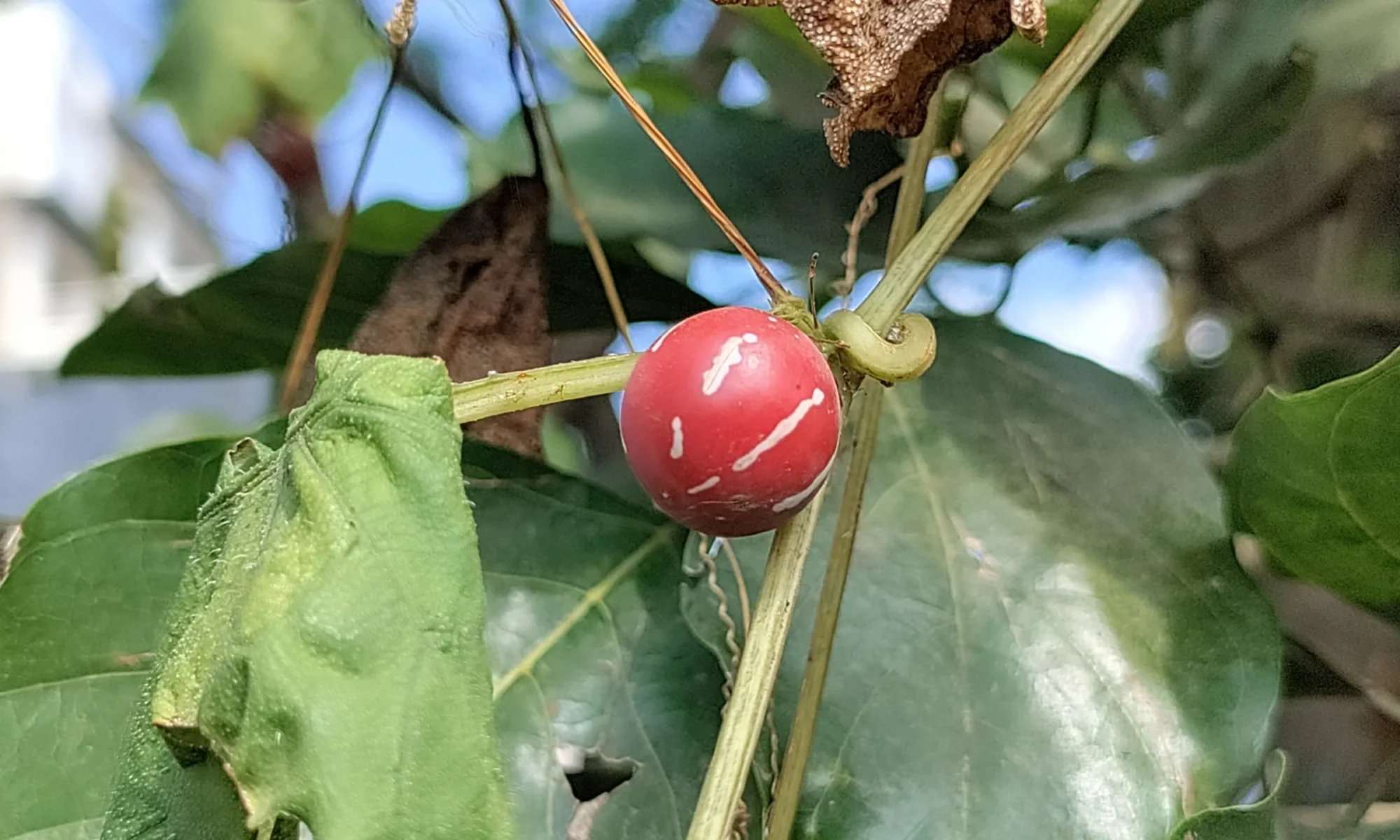
Shivlingi Beej (Bryonia laciniosa) is a climbing perennial herb known for its medicinal seeds used in Ayurvedic formulations. It belongs to the Cucurbitaceae family and is widely used in traditional Indian medicine, particularly for enhancing reproductive health, treating sexual disorders, and supporting fertility in both men and women. The seeds are considered tonic, aphrodisiac, and rejuvenative in nature.

Scientific Classification

  • Kingdom: Plantae
  • Phylum: Angiosperms
  • Class: Eudicots
  • Order: Cucurbitales
  • Family: Cucurbitaceae
  • Genus: Bryonia
  • Species: Bryonia laciniosa

Common Names

  • English: Shivlingi, Wild Bryony
  • Sanskrit: Shivalingi
  • Hindi: Shivlingi Beej
  • Tamil: Marati Poosani
  • Telugu: Sivalingi
  • Marathi: Shivlingi
  • Gujarati: Shivlingi

Traditional and Medicinal Uses

  • Reproductive Health – Used as a fertility enhancer for both men and women. Promotes sperm production and improves sperm motility.
  • Aphrodisiac and Vitality Tonic – Acts as a natural aphrodisiac, increasing sexual desire and vitality.
  • Anti-inflammatory and Detoxifying Effects – Seeds are used to reduce inflammation in joints and muscles.
  • Antioxidant and Anti-inflammatory Properties – Rich in polyphenols and chlorogenic acids, coffee helps reduce oxidative stress and inflammation.
  • Nervous System Support – Traditionally used to calm nervous tension and promote general well-being.

References

Ayurvedic Pharmacopoeia of India (API), Govt. of India.

Kirtikar, K.R., & Basu, B.D. (1935). Indian Medicinal Plants. Vol. 2. Dehradun, India.

Chopra, R.N., Nayar, S.L., & Chopra, I.C. (1956). Glossary of Indian Medicinal Plants. CSIR, New Delhi.

Patwardhan, B., & Vaidya, A.D.B. (2009). “Natural products drug discovery: Can Ayurveda show the way forward?” Journal of Ethnopharmacology, 122(2), 339-349.

Anonymous. (2001). The Wealth of India, Raw Materials. Vol. 2. CSIR, New Delhi.

Coffee ( Coffea arabica)

coffee

Coffee (Coffea arabica) is a widely cultivated evergreen shrub known for its seeds, commonly referred to as coffee beans. Native to Ethiopia, it is now grown in tropical and subtropical regions worldwide. Coffee is primarily valued for its stimulating effects due to caffeine content and has been traditionally used for mental alertness, digestive health, and as a general tonic in various medicinal systems.

Scientific Classification

  • Kingdom: Plantae
  • Phylum: Angiosperms
  • Class: Eudicots
  • Order: Gentianales
  • Family: Rubiaceae
  • Genus: Coffea
  • Species: Coffea arabica

Common Names

  • English: Coffee
  • Sanskrit: Bhadramadhu, Kapi
  • Hindi: Coffee, Kapi
  • Tamil: Kappi
  • Telugu: Kofi
  • Bengali: Kofi
  • Marathi: Coffee

Daily Routine & Simple Home Uses

1. Morning Coffee for Energy

A cup of freshly brewed coffee in the morning helps activate the nervous system and improve focus for the day ahead.

2. Coffee with Warm Water (Mild Detox Use)

Some people prefer diluted coffee with warm water to gently stimulate digestion without acidity.

3. Coffee Scrub for Skin

Mix coffee powder with coconut oil or honey and gently massage on the skin to remove dead cells and improve glow.

4. Coffee Hair Scalp Massage

Coffee infused oil or paste can be applied to the scalp to stimulate circulation and refresh the scalp.

5. Pre-Workout Coffee

Used naturally before workouts to boost stamina and performance.

Internal & Lifestyle Uses

1. Functional Beverages

Coffee is widely used in:

2. Nutraceutical & Herbal Formulations

Coffee extract is used in:

3. Culinary & Flavouring Uses

Coffee powder is used in:

Traditional and Medicinal Uses

  • Stimulant and Mental Alertness – Coffee acts as a central nervous system stimulant, enhancing alertness, focus, and reducing fatigue.
  • Digestive Aid – Traditionally used to stimulate gastric acid secretion, improving digestion and reducing constipation.
  • Cardiovascular Benefits – Contains bioactive compounds that may support heart health when consumed in moderation.
  • Antioxidant and Anti-inflammatory Properties – Rich in polyphenols and chlorogenic acids, coffee helps reduce oxidative stress and inflammation.
  • Metabolic Health – Used traditionally to improve energy metabolism and support weight management.

References

Follow us @polycareherbal

0
    0
    Your Cart
    Your cart is emptyReturn to Shop