Free Shipping On Above Order Value Rs. 500

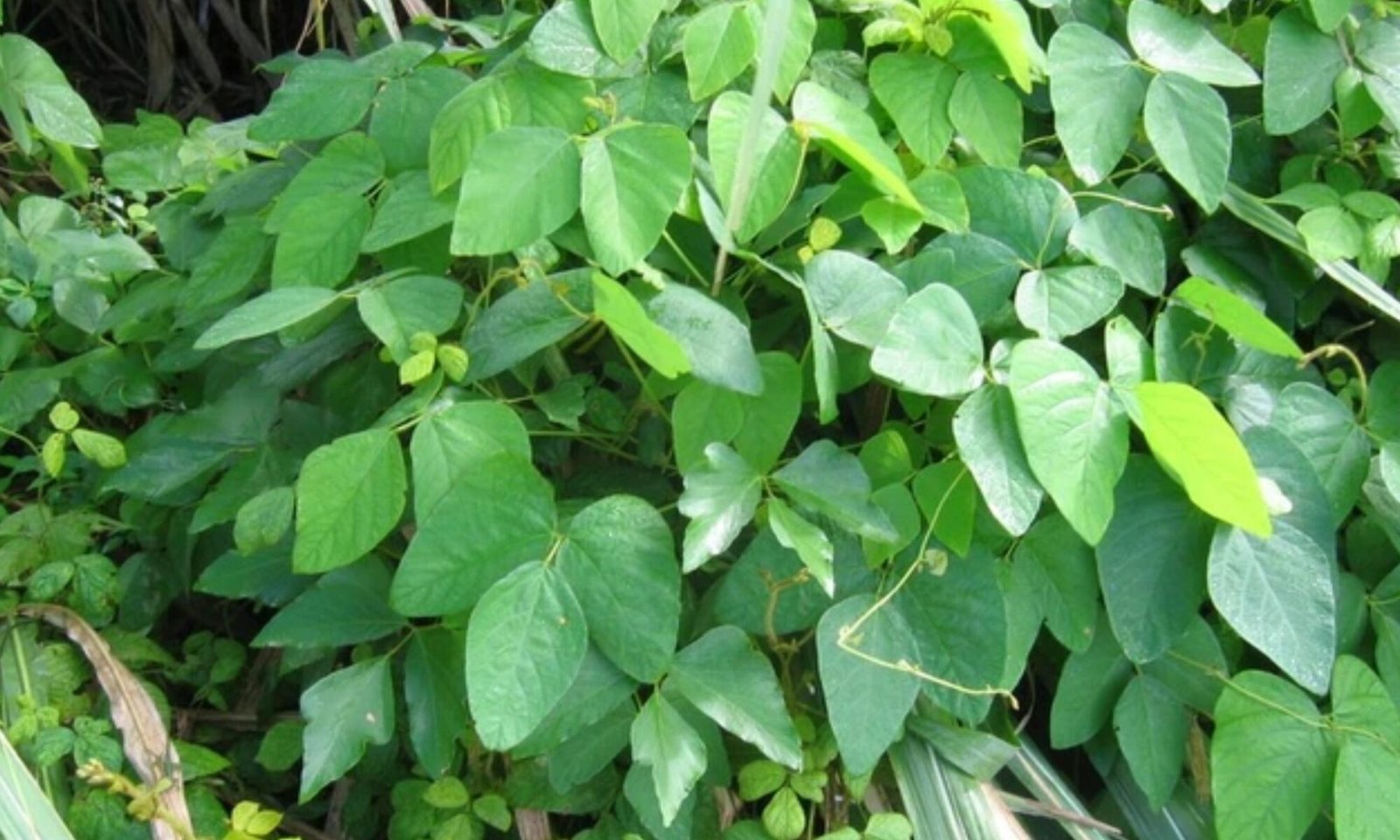
Kapikacchu (Mucuna pruriens)

Kapikacchu (Mucuna pruriens)

“The velvet bean, or kapikacchu (Mucuna pruriens), is a tropical legume valued for its diverse nutritional and medicinal characteristics. It is widely used in Ayurveda, Unani, and other traditional medicine systems, primarily for its rejuvenating effects, neurological benefits, and as an aphrodisiac. It is notable for containing L-DOPA (Levodopa), a direct precursor to dopamine, making it particularly useful in managing Parkinson’s disease, improving mood, and enhancing libido and fertility.”

Velvet Bean Scientific Name

  • Kingdom: Plantae
  • Phylum: Tracheophyta
  • Class: Magnoliopsida
  • Order: Fabales
  • Family: Fabaceae
  • Genus: Mucuna
  • Species: Mucuna pruriens (L.) DC.

Common Names

  • English: Velvet Bean, Cowhage
  • Sanskrit: Kapikacchu, Atmagupta
  • Hindi: Kaunch, Konch Beej
  • Tamil: Poonaikali Vidai
  • Telugu: Naikkuruna
  • Bengali: Alkushi
  • Marathi: Khajkujhali

Traditional and Medicinal Uses

  • Nervine Tonic – Strengthens the nervous system, supports coordination and muscle movement.
  • Aphrodisiac and Reproductive Health – Enhances libido, sperm count, and fertility in both men and women, Rejuvenates reproductive tissues and improves vitality.
  • Mood Enhancer – Elevates dopamine levels, aiding in the treatment of depression, stress, and anxiety..
  • Anti-diabetic – Helps regulate blood glucose levels by modulating insulin sensitivity.

References

    Ayurvedic Pharmacopoeia of India (API), Vol. II, Part I, Govt. of India

    The Wealth of India: A Dictionary of Indian Raw Materials and Industrial Products, CSIR, New Delhi.

    Manyam, B. V. (1995). “Mucuna pruriens (Cowhage) in Parkinson’s disease.” Journal of Alternative and Complementary Medicine, 1(3), 249–255.

    Lampariello, L. R., Cortelazzo, A., Guerranti, R., Sticozzi, C., & Valacchi, G. (2012). “The Magic Velvet Bean of Mucuna pruriens.” Journal of Traditional and Complementary Medicine, 2(4), 331–339.

    Hussain, G., et al. (2018). “Role of dietary bioactive phytochemicals in oxidative stress-mediated neurodegenerative diseases: Evidence from in vivo and in vitro studies.” Oxidative Medicine and Cellular Longevity, Article ID 2017039.

    Bhavaprakasha Nighantu, Commentary by Dr. K.C. Chunekar, Published by Chaukhambha Bharati Academy, Varanasi.

    European Medicines Agency (EMA). Assessment report on Mucuna pruriens seed extract. Herbal medicinal product documentation.

    United States Pharmacopeia Herbal Medicines Compendium (HMC).

    Satyavati, G.V., Gupta, A.K., & Tandon, N. (1987). Medicinal Plants of India, Vol. II. ICMR, New Delhi.

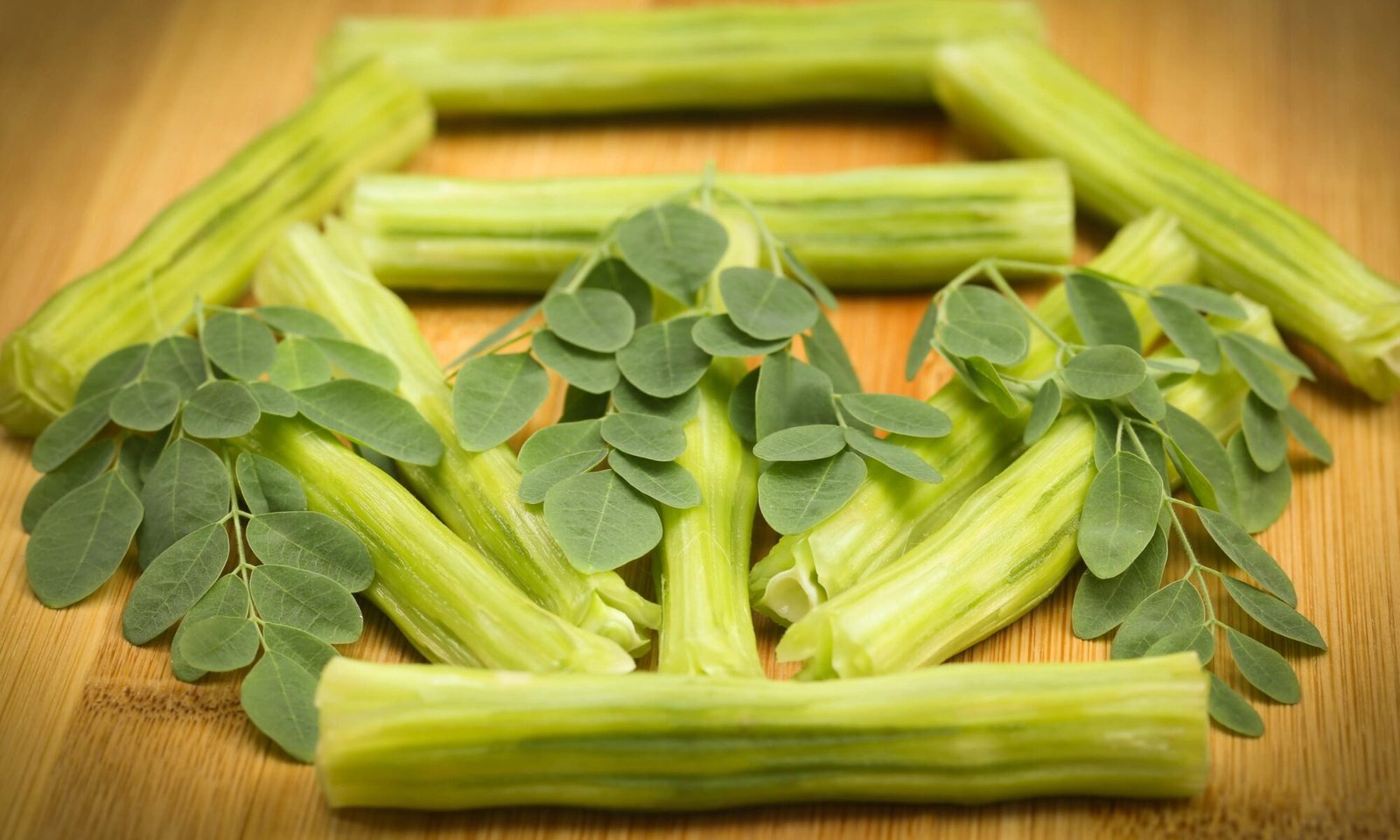
SIGRU (Moringa oleifera)

SIGRU (Moringa oleifera)

“The Indian subcontinent is home to the quick-growing, drought-resistant Moringa oleifera, also referred to as the drumstick tree. Belonging to the Moringaceae family, it is highly valued in Ayurveda and other traditional medicine systems for its nutritional, anti-inflammatory, antioxidant, antimicrobial, and anti-diabetic properties. Every part of the plant—leaves, seeds, pods, bark, and roots—is used medicinally or nutritionally.”

What is Moringa (Sigru) in Ayurveda?

Moringa, known as Sigru in Ayurveda, is a highly valued medicinal plant used for thousands of years in traditional Indian medicine. Almost every part of the Moringa tree, including leaves, seeds, pods, bark, and roots, is used for therapeutic purposes. In Ayurveda, Sigru is known for its detoxifying, anti-inflammatory, antioxidant, and immunity-boosting properties. It is commonly used to balance Vata and Kapha dosha and supports overall wellness naturally.

Nutritional Profile of Moringa

Moringa is known as a “superfood” because it is rich in essential nutrients. It contains:

  • High levels of plant-based protein
  • Vitamins A, C, E, and B-complex
  • Minerals like calcium, iron, potassium, and magnesium
  • Natural antioxidants and amino acids

Due to this rich nutritional profile, Moringa is widely used in Ayurvedic supplements, herbal powders, capsules, and functional foods.

Moringa oleifera Scientific Name

  • Kingdom: Plantae
  • Phylum: Angiosperms
  • Class: Eudicots
  • Order: Brassicales
  • Family: Moringaceae
  • Genus: Moringa
  • Species: Moringa oleifera

Moringa oleifera Common Name

  • English: Drumstick Tree, Horseradish Tree, Miracle Tree
  • Sanskrit: Sigru, Shobhanjana
  • Hindi: Sahjan
  • Tamil: Murungai
  • Telugu: Munagakaya
  • Malayalam: Muringa
  • Kannada: Nugge Mara
  • Bengali: Sajna
  • Marathi: Shevga
  • Gujarati: Saragavo

Health Benefits of Moringa (Sigru)

Moringa offers multiple health benefits when used regularly as per Ayurvedic guidance:

  • Supports natural immunity
  • Helps in detoxification of the body
  • Supports healthy digestion
  • Helps in maintaining normal blood sugar levels
  • Supports joint and muscle health
  • Promotes healthy skin and hair
  • Helps reduce weakness and fatigue
  • Supports liver and kidney health

Moringa oleifera Uses

  • Nutritional Supplement – Leaves are rich in vitamins (A, C, B6), iron, calcium, and proteins, often used as a superfood.
  • Anti-inflammatory and Antioxidant – Contains quercetin and chlorogenic acid, reducing oxidative stress and inflammation.
  • Blood Sugar Regulation – Seeds and leaves have hypoglycemic properties useful in managing type 2 diabetes..
  • Cardiovascular Health – Helps reduce cholesterol and blood pressure, improving heart health.
  • Digestive Support – Bark and roots help in treating constipation, gastritis, and ulcers.
  • Joint and Bone Health – Traditionally used to treat arthritis, swelling, and bone weakness..
  • Reproductive Health – Improves libido, regulates menstrual cycles, and enhances lactation in mothers..

Common Uses of Moringa in Daily Life & Home Remedies

Moringa is widely used in Indian homes and Ayurvedic practices:

  • 🥄 Moringa Powder: Added to smoothies, juices, soups, and curries
  • 💊 Moringa Capsules/Tablets: Used as daily herbal supplement
  • 🥗 Fresh Moringa Leaves: Used in sabzi, dal, and soups

Moringa for Skin, Hair & Beauty Care

Moringa is widely used in natural beauty and cosmetic products:

  • Helps improve skin glow and hydration
  • Supports acne-prone and sensitive skin
  • Helps reduce dandruff and hair fall
  • Supports stronger hair roots
  • Used in herbal face packs, hair oils, and shampoos

References

  • Ayurvedic Pharmacopoeia of India, Govt. of India, Ministry of AYUSH.
  • Fahey, J. W. (2005). Moringa oleifera: A review of the medical evidence for its nutritional, therapeutic, and prophylactic properties. Part 1. Trees for Life Journal.
  • Anwar, F., Latif, S., Ashraf, M., & Gilani, A. H. (2007). Moringa oleifera: A food plant with multiple medicinal uses. Phytotherapy Research, 21(1), 17–25.
  • Leone, A., Spada, A., Battezzati, A., Schiraldi, A., Aristil, J., & Bertoli, S. (2015). Cultivation, genetic, ethnopharmacology, phytochemistry and pharmacology of Moringa oleifera leaves: An overview. International Journal of Molecular Sciences, 16(6), 12791–12835.
  • The Wealth of India (Raw Materials), Vol. 6: L-M, CSIR, New Delhi.
  • Chopra, R.N., Nayar, S.L., & Chopra, I.C. (1956). Glossary of Indian Medicinal Plants. CSIR, New Delhi.
  • Fuglie, L. J. (2001). The Miracle Tree: Moringa oleifera: Natural Nutrition for the Tropics. Church World Service, Dakar.

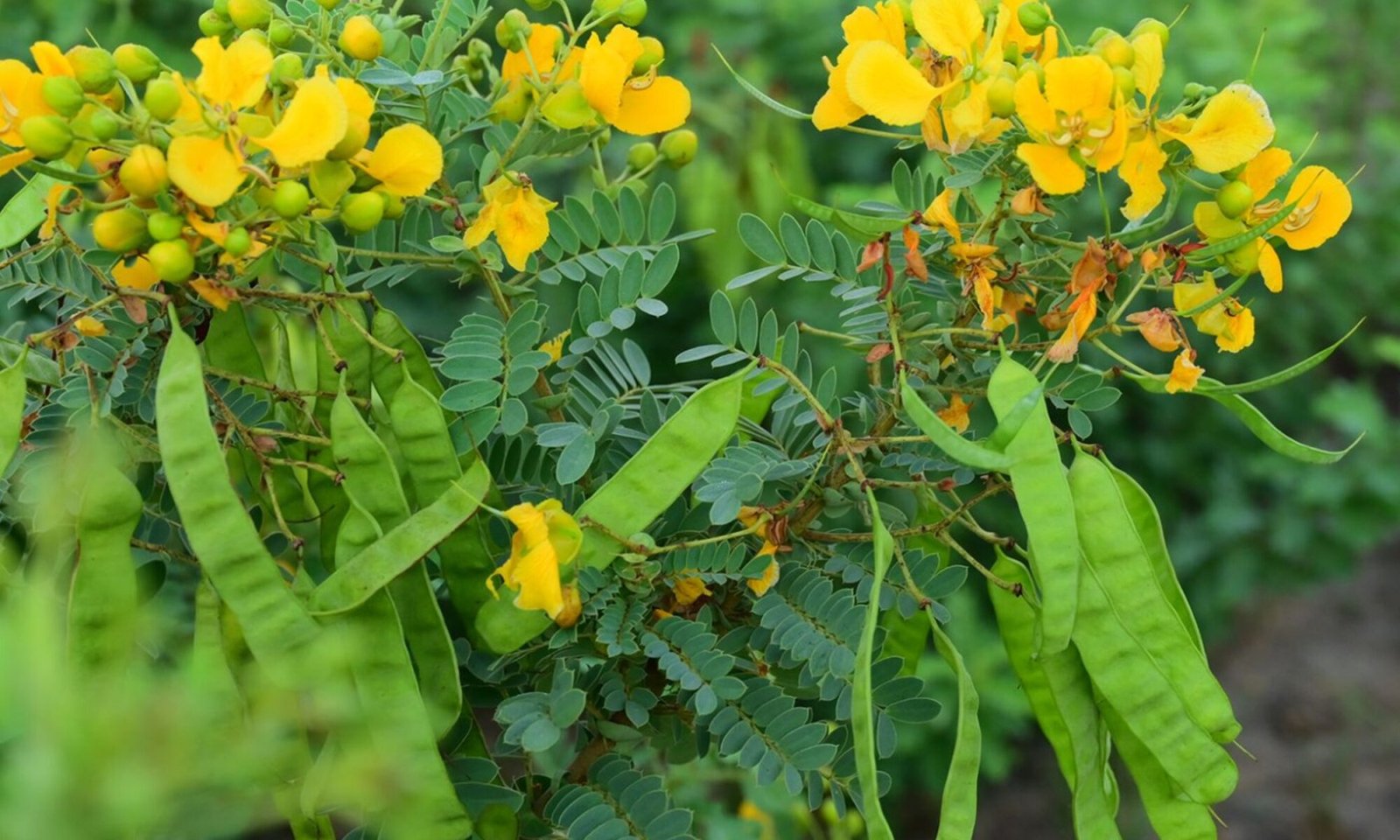
SONAMUKHI (Cassia angustifolia)

SONAMUKHI (Cassia angustifolia)

Sonamukhi (Cassia angustifolia) is a well-known medicinal shrub belonging to the Fabaceae family. Commonly referred to as Indian Senna, this plant is primarily used for its potent laxative properties. The dried leaves and pods are used in traditional systems like Ayurveda, Unani, and Siddha for treating constipation, skin disorders, and detoxification. For commercial medical use, it is primarily grown in Egypt and India (Tamil Nadu, Rajasthan).

Scientific Name

  • Kingdom: Plantae
  • Phylum: Angiosperms
  • Class: Eudicots
  • Order: Fabales
  • Family: Fabaceae
  • Genus: Cassia
  • Species: Cassia angustifolia Vahl

Common NameS

  • English: Indian Senna, Tinnevelly Senna
  • Sanskrit: Swarnapatri, Rajavriksha
  • Hindi: Sonamukhi
  • Tamil: Nilavirai
  • Telugu: Nelatagedu
  • Kannada: Nelavarike
  • Gujarati: Sonamukhi
  • Malayalam: Nilavilakku

Traditional and Medicinal Uses

  • Natural Laxative – Used to relieve constipation by stimulating intestinal peristalsis.
  • Detoxification – Helps in cleansing the colon and removing accumulated toxins. Used during Panchakarma procedures in Ayurveda.
  • Skin Disorders – Paste or decoction used for treating ringworm, eczema, and acne due to its antimicrobial activity.

References

    Ayurvedic Pharmacopoeia of India, Part I, Volume II, Govt. of India, Ministry of AYUSH.

    Gupta AK, Tandon N, Sharma M. (2008). Quality Standards of Indian Medicinal Plants, Vol. 5, Indian Council of Medical Research (ICMR), New Delhi.

    Kirtikar KR, Basu BD. (2006). Indian Medicinal Plants, Volume II, International Book Distributors.

    European Medicines Agency. (2011). “Assessment Report on Senna alexandrina Mill. (syn. Cassia angustifolia Vahl)” – Committee on Herbal Medicinal Products (HMPC).

    Tiwari P, et al. (2011). “Phytochemical screening and antimicrobial activity of Cassia angustifolia.” International Journal of Research in Pharmacy and Chemistry, 1(4), 1151–1156.

    Chopra RN, Nayar SL, Chopra IC. (1956). Glossary of Indian Medicinal Plants. CSIR, New Delhi.

    Sharma PV. (1999). Dravyaguna Vijnana, Vol II, Chaukhambha Bharati Academy.

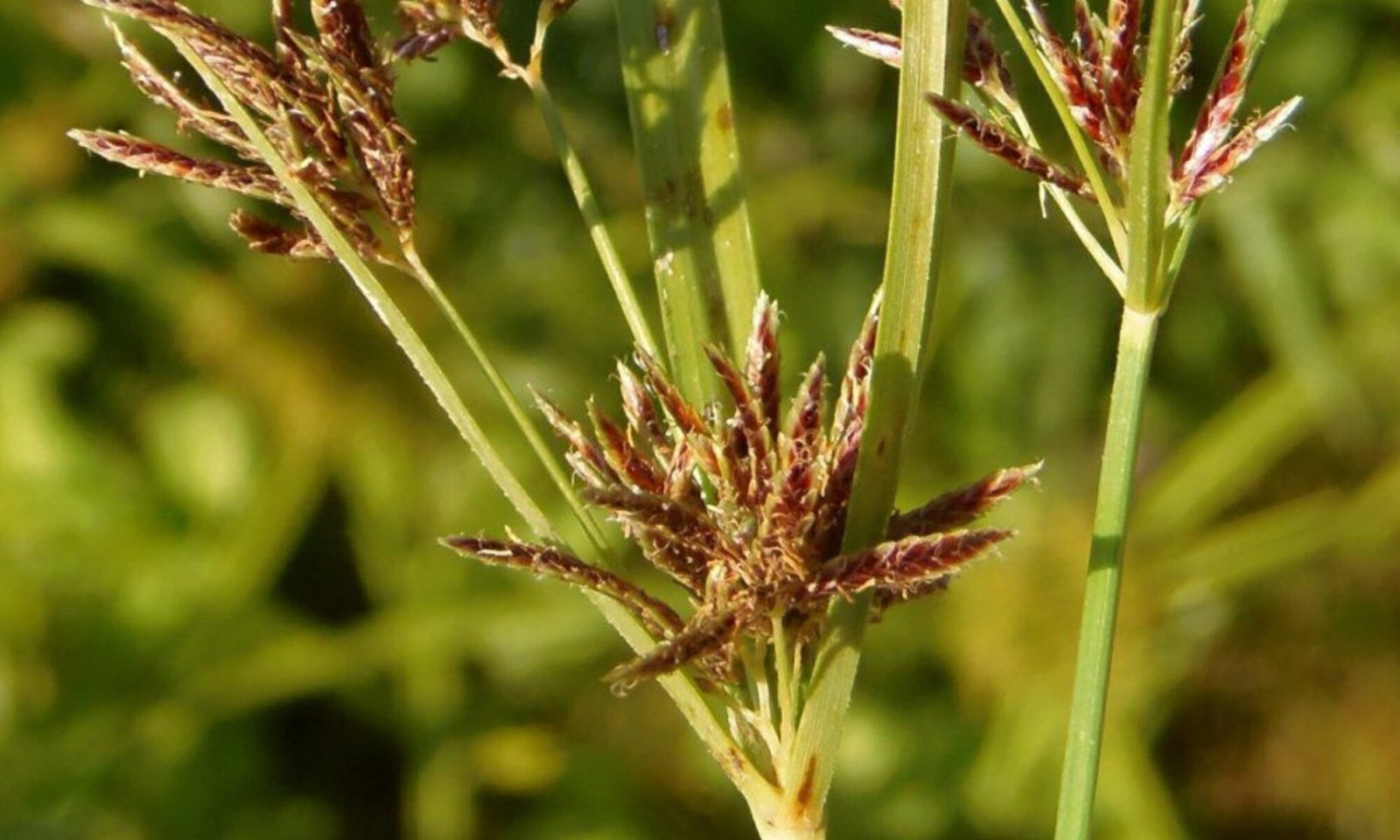
Nagarmotha (Cyperus rotundus)

Nagarmotha (Cyperus rotundus)

Nagarmotha (Cyperus rotundus), also known as Nutgrass or Purple Nutsedge, is a perennial, sedge-like herb belonging to the Cyperaceae family. It is known for its aromatic rhizomes and is widely used in traditional medicine systems like Ayurveda, Siddha, and Unani. Strong digestive, anti-inflammatory, antipyretic, and carminative qualities are displayed by the herb. The rhizomes are particularly valued for their essential oils and various phytochemicals.

Nagarmotha Scientific Name

  • Kingdom: Plantae
  • Phylum: Angiosperms
  • Class: Monocots
  • Order: Poales
  • Family: Cyperaceae
  • Genus: Cyperus
  • Species: Cyperus rotundus L.

Nagarmotha Common Name

  • English: Nutgrass, Purple Nutsedge
  • Sanskrit: Mustaka, Nagaramustaka
  • Hindi: Nagarmotha
  • Tamil: Korai Kizhangu
  • Telugu: Tunga Mustalu
  • Malayalam: Muthanga
  • Bengali: Motha
  • Marathi: Nagarmotha

Nagarmotha Uses

  • Digestive Health – Acts as a deepana (appetizer) and pachana (digestive) agent.
  • Anti-Inflammatory and Analgesic – Used topically for swelling, inflammation, and joint pain. Shows significant anti-arthritic and anti-inflammatory effects.
  • Antipyretic and Antimicrobial – Useful in fever management due to its antipyretic properties.
  • Skin and Hair Health – Incorporated into formulations for acne, eczema, and scalp conditions. Helps reduce itching, dandruff, and skin irritation.
  • Female Reproductive Health – Helps regulate menstrual disorders and uterine tone.
  • References

    Ayurvedic Pharmacopoeia of India (API), Govt. of India, Ministry of AYUSH.

    Chopra, R.N., Nayar, S.L., & Chopra, I.C. (1956). Glossary of Indian Medicinal Plants. CSIR, New Delhi.

    Suresh, Kumar R. et al. (2011). “Phytochemical and pharmacological profile of Cyperus rotundus L.: A review.” Journal of Pharmacy Research, 4(2), 460–462.

    Saha, S., & Verma, R.J. (2016). “Antioxidant and antidiabetic potential of Cyperus rotundus rhizome extract in STZ-induced diabetic rats.” Pharmacognosy Journal, 8(6), 572–577.

    European Pharmacopoeia, 10th Edition, Council of Europe.

    Williamson, E.M. (2002). Major Herbs of Ayurveda. Churchill Livingstone, UK.

    Meena, A.K., et al. (2010). “Review on Cyperus rotundus—A potential herb.” International Journal of Pharmaceutical Sciences Review and Research, 5(2), 67–70.

Vaj (Acorus calamus)

Vaj (Acorus calamus)

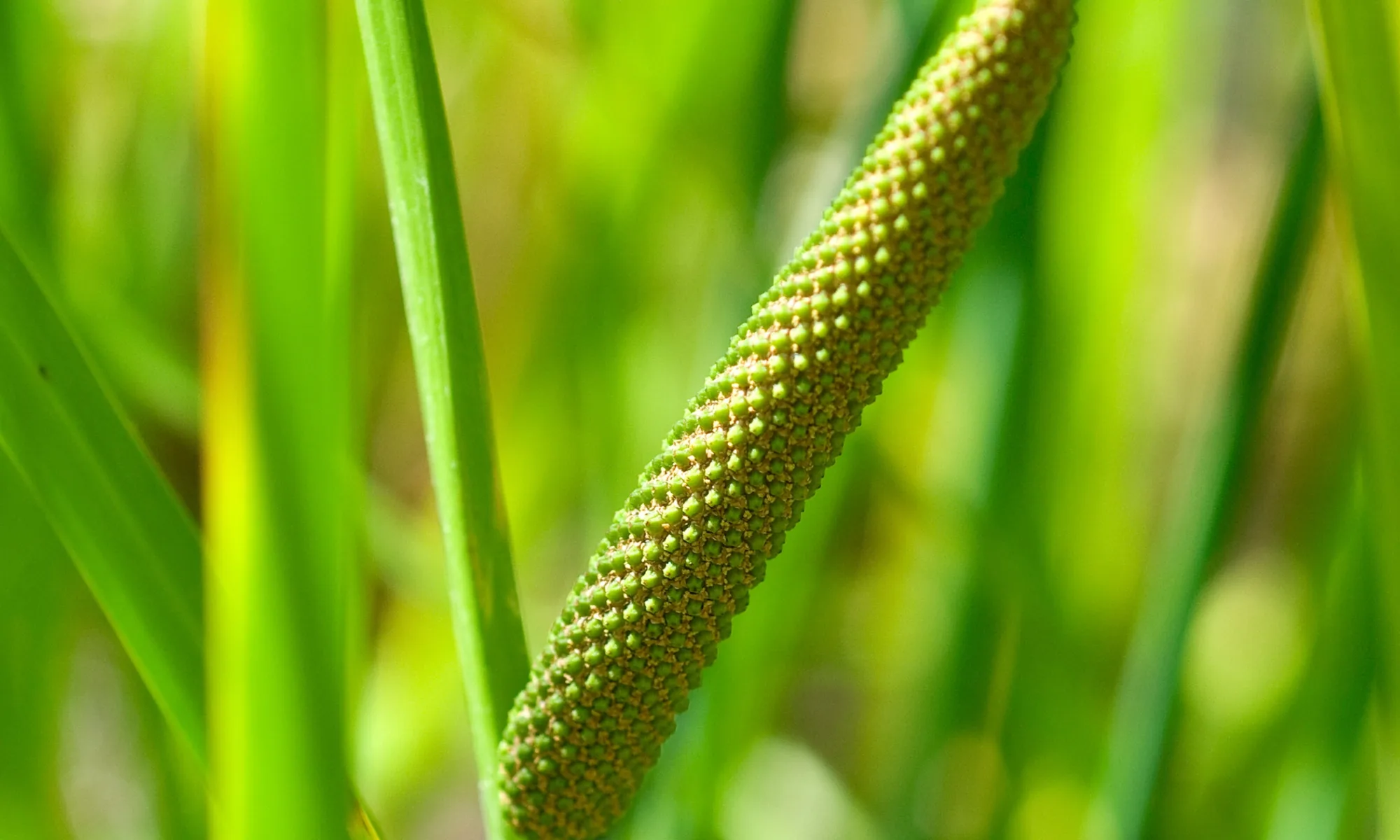
Vaj (Acorus calamus), also known as Sweet Flag, is a semi-aquatic, perennial herb commonly found in wetlands and marshy areas across India and many parts of Asia, Europe, and North America. It is well-regarded in Ayurveda, Traditional Chinese Medicine, and Unani for its wide range of health benefits. Vaj is prized for its strong, fragrant rhizomes and has long been used to cure respiratory and skin conditions, improve digestion, manage epilepsy, and improve memory.

Acorus calamus Scientific Name

  • Kingdom: Plantae
  • Phylum: Angiosperms
  • Class: Monocots
  • Order: Acorales
  • Family: Acoraceae
  • Genus: Acorus
  • Species: Acorus calamus

Acorus calamus Common Name

  • English: Sweet Flag, Calamus
  • Sanskrit: Vacha, Ugragandha
  • Hindi: Vaj, Ghorvach
  • Gujarati: Vaj
  • Tamil: Vasambu
  • Telugu: Vasa
  • Malayalam: Vayambu
  • Bengali: Boch

Traditional and Medicinal Uses

  • Cognitive and Nervous System Health – Acts as a Medhya Rasayana (brain tonic) that enhances memory, learning, and speech.
  • Digestive and Gastrointestinal Support – Serves as a carminative, digestive stimulant, and anthelmintic.
  • Respiratory Care – Beneficial in asthma, bronchitis, cough, and sinusitis by acting as an expectorant and decongestant.
  • Skin and Hair Uses – External application helps in treating eczema, skin infections, and wounds.
  • Reproductive Health – Used as an aphrodisiac and emmenagogue in traditional medicine.
  • References

    Ayurvedic Pharmacopoeia of India (API), Govt. of India, Part I, Vol I, 2001.

    Sharma, P.V. (2006). Dravyaguna Vigyan, Vol. 2, Chaukhambha Bharati Academy.

    Khare, C.P. (2007). Indian Medicinal Plants: An Illustrated Dictionary, Springer.

    European Medicines Agency (EMA). (2017). Assessment report on Acorus calamus L.

    Council of Europe. (2010). European Pharmacopoeia, 7th Edition.

    Maity, T.K., et al. (2000). “Studies on the anti-inflammatory and antipyretic properties of Acorus calamus rhizome extract.” Journal of Ethnopharmacology, 72(1-2), 151–156.

    Singh, R. & Sharma, P. (2003). “Phytochemical and pharmacological profile of Acorus calamus Linn.” Journal of Pharmacy and Pharmacology, 55(11), 1501–1506.

    Bisset, N.G. (1994). Herbal Drugs and Phytopharmaceuticals, CRC Press.

Putikaranja (Caesalpinia bonducella)

Putikaranja (Caesalpinia bonducella)

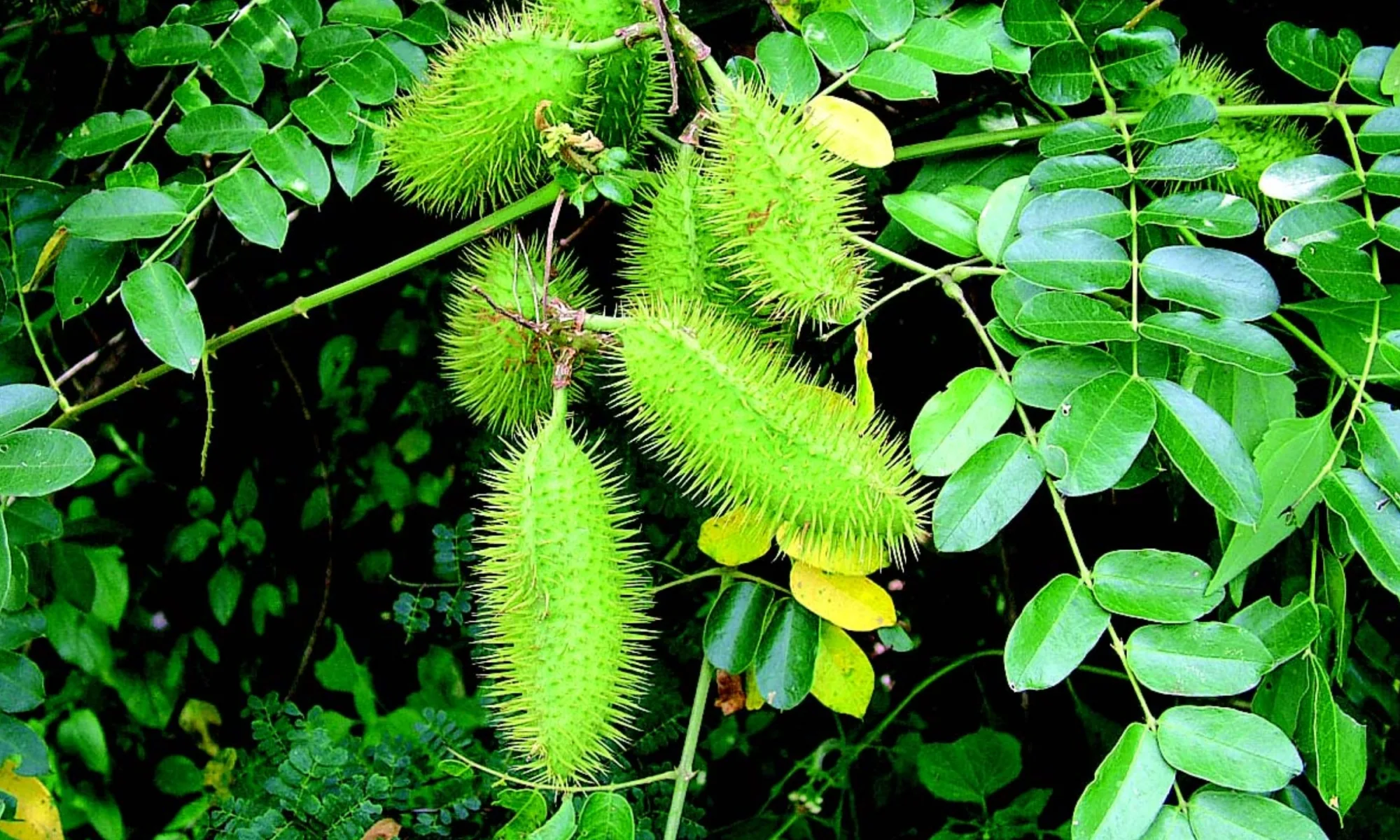
Putikaranja (Caesalpinia bonducella), commonly known as Fever Nut, is a thorny, straggling shrub found in tropical and subtropical regions of Asia and Africa. It is known for its greyish seeds enclosed in prickly pods, which are extensively used in Ayurveda and Siddha medicine. Traditionally, it is used as an antipyretic, anti-inflammatory, antidiabetic, hepatoprotective, and anti-parasitic agent, making it a valuable herb in managing fevers, digestive issues, and chronic diseases.

Scientific Classification

  • Kingdom: Plantae
  • Phylum: Tracheophyta
  • Class: Magnoliopsida
  • Order: Fabales
  • Family: Fabaceae (Leguminosae)
  • Genus: Caesalpinia
  • Species: Caesalpinia bonducella (L.) Roxb.

Common Names

  • English: Fever Nut, Bonduc Nut
  • Sanskrit: Putikaranja, Latakaranja, Kantaki Karanja
  • Hindi: Karanjwa, Katkaranj
  • Tamil: Kalikattu
  • Telugu: Gacchakaya
  • Bengali: Nat Karanja
  • Malayalam: Kattukaranja
  • Marathi: Dholkaranj

Traditional and Medicinal Uses

  • Antipyretic and Antimalarial – Seeds are used to treat intermittent fevers, malaria, and typhoid. Acts as a natural febrifuge, reducing high body temperature.
  • Digestive and Liver Health – Effective in treating intestinal worms, diarrhea, dysentery, and liver disorders. Seeds act as a mild purgative and tonic.
  • Anti-diabetic Action – Seed extracts help in reducing blood glucose levels and improving insulin sensitivity.
  • Reproductive and Urogenital Health – Used to treat spermatorrhea, impotency, and menstrual disorders. Strengthens reproductive system and promotes fertility.
  • Anti-inflammatory and Wound Healing – Paste of seed kernels is applied to swollen joints, boils, and skin infections. Leaves are applied topically to treat ulcers and sores.
  • References

    Ayurvedic Pharmacopoeia of India (API), Part I, Vol. IV, Ministry of AYUSH, Govt. of India.

    Warrier, P.K., Nambiar, V.P.K., & Ramankutty, C. (1996). Indian Medicinal Plants – A Compendium of 500 Species, Vol. 1. Orient Longman.

    Nadkarni, K.M. (2007). Indian Materia Medica, Vol. 1. Popular Prakashan.

    Sharma, P.C., Yelne, M.B., & Dennis, T.J. (2005). Database on Medicinal Plants Used in Ayurveda, Vol. 3, CCRAS, Govt. of India.

    Meena, A.K., Rao, M.M., & Singh, A. (2010). “Medicinal uses of Caesalpinia bonducella – A review”. International Journal of Pharmaceutical & Clinical Research, 2(3), 104-109.

    European Medicines Agency. (2012). Assessment report on Caesalpinia bonducella seeds.

    Chopra, R.N., Chopra, I.C., & Handa, K.L. (1958). Glossary of Indian Medicinal Plants. CSIR, New Delhi.

    Kirtikar, K.R., & Basu, B.D. (2001). Indian Medicinal Plants, Vol. II. International Book Distributors.

VARDHARA BEEJ (Rourea santaloides)

VARDHARA BEEJ (Rourea santaloides)

Rourea santaloides, commonly known as Vardhara Beej in Ayurveda, is a medicinal plant renowned for its aphrodisiac, rejuvenating, and reproductive health-promoting properties. It belongs to the family Connaraceae and is primarily found in the tropical and subtropical regions of India. The seeds are particularly used in Ayurvedic Rasayana therapy to enhance vitality, improve sexual stamina, and strengthen reproductive tissues in both men and women.

Scientific Classification

  • Kingdom: Plantae
  • Phylum: Tracheophyta
  • Class: Magnoliopsida
  • Order: Oxalidales
  • Family: Connaraceae
  • Genus: Rourea
  • Species: Rourea santaloides

Common Names

  • Sanskrit: Vardhara, Beejavardhaka
  • Hindi: Vardhara Beej
  • English: Vardhara Seed, Indian Baby Pea
  • Marathi: Vardhara
  • Tamil: Vartaraivittai
  • Kannada: Vardhare beeja
  • Malayalam: Vardhara

Traditional and Medicinal Uses

  • Aphrodisiac and Reproductive Tonic – Enhances sexual vitality and libido, Improves sperm count and motility in men. Supports reproductive health in women by strengthening the uterus.
  • Rasayana (Rejuvenative) – Acts as a general tonic to restore energy and physical strength.
  • Male and Female Fertility – Used in formulations targeting infertility and conception support.
  • Hormonal Balance – Helps regulate hormonal imbalances, especially in reproductive-age individuals.
  • Nervine Tonic – Supports mental clarity, reduces stress and fatigue.
  • References

    Ayurvedic Pharmacopoeia of India (API), Part I, Volume V, Ministry of AYUSH, Govt. of India.

    Nadkarni, K.M. (1954). Indian Materia Medica, Vol. 1, Popular Prakashan.

    Warrier, P.K., V.P. Nambiar, and C. Ramankutty (1996). Indian Medicinal Plants: A Compendium of 500 Species, Orient Longman.

    Ram, M., & Janardhanan, K. (2010). “Ethnomedicinal uses and phytochemical properties of Rourea santaloides.” International Journal of Pharmaceutical Sciences Review and Research, 5(2), 112-117.

    Thakur, R.S., Puri, H.S., & Husain, A. (1989). Major Medicinal Plants of India, Central Institute of Medicinal and Aromatic Plants (CIMAP).

    Khare, C.P. (2007). Indian Medicinal Plants: An Illustrated Dictionary. Springer Publications.

Majith / Manjistha (Rubia cordifolia)

Majith / Manjistha (Rubia cordifolia)

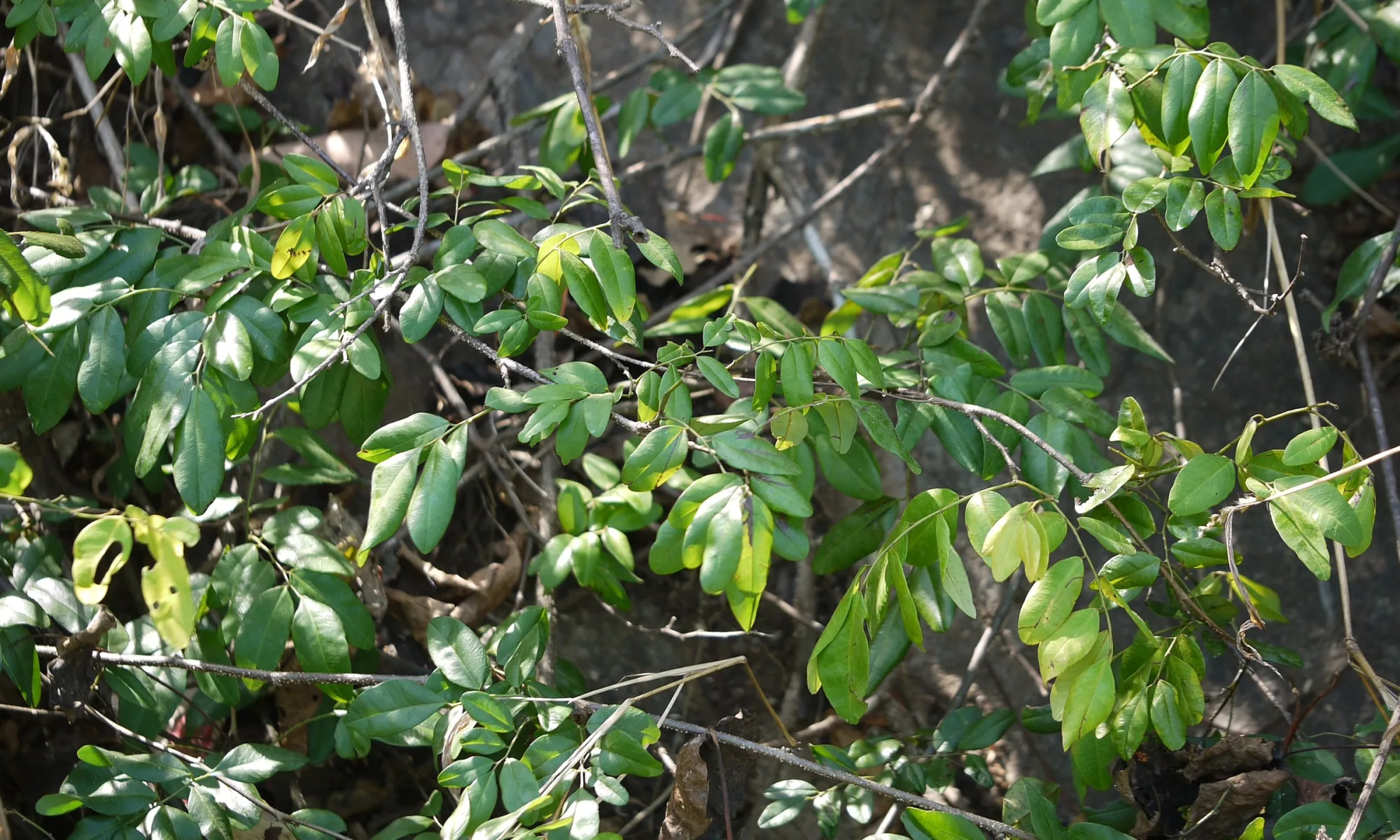
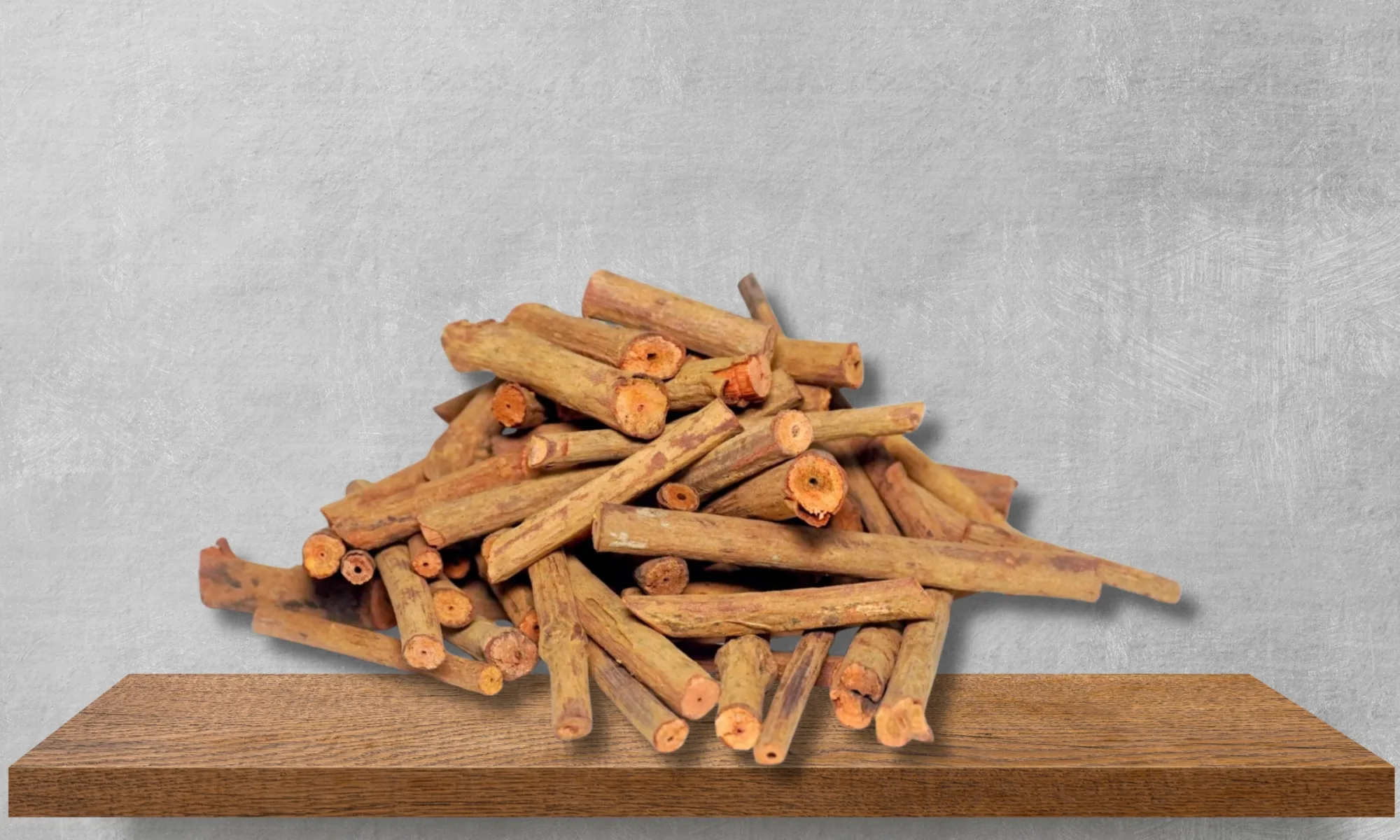
Majith / Manjistha (Rubia cordifolia), also known as Indian Madder, is a perennial climbing herb traditionally used in Ayurvedic and Unani medicine. Belonging to the Rubiaceae family, it is valued for its blood-purifying, anti-inflammatory, and skin-healing properties. The roots of Majith contain natural red pigments that have both therapeutic and dyeing applications. It is especially known for treating skin diseases, promoting wound healing, and supporting menstrual and liver health.

Manjistha Scientific Name

  • Kingdom: Plantae
  • Phylum: Angiosperms
  • Class: Eudicots
  • Order: Gentianales
  • Family: Rubiaceae
  • Genus: Rubia
  • Species: Rubia cordifolia

Rubia cordifolia Common Name

  • English: Indian Madder
  • Sanskrit: Manjistha
  • Hindi: Majith
  • Tamil: Manjitti
  • Telugu: Tamravalli
  • Malayalam: Manjatti
  • Bengali: Manjishtha
  • Gujarati: Majitho
  • Marathi: Manjishtha

Rubia cordifolia Uses

  • Blood Purification – Used to eliminate impurities and enhance the complexion of the skin as a Raktashodhak (blood purifier).
  • Skin Disorders – Treats eczema, acne, psoriasis, and other skin irritations due to its anti-inflammatory and antibacterial actions.
  • Anti-inflammatory & Wound Healing – Supports healing of wounds, ulcers, and boils with its astringent and cooling nature.
  • Menstrual and Reproductive Health – Regulates menstrual flow, helps in dysmenorrhea, and is used in female reproductive health support.
  • Liver and Kidney Support – Promotes healthy liver function, aids detoxification, and supports renal health.
  • Anti-cancer & Anti-oxidant Activity – Exhibits cytotoxic, anti-proliferative, and free radical scavenging properties in several studies.
  • References

    Ayurvedic Pharmacopoeia of India (API), Part I, Volume III, Govt. of India.

    Sharma, P. V. (2001). Dravyaguna Vijnana (Vol. 2). Chaukhambha Bharati Academy.

    Kapoor, L. D. (2001). Handbook of Ayurvedic Medicinal Plants. CRC Press.

    Chopra, R. N., Nayar, S. L., & Chopra, I. C. (1956). Glossary of Indian Medicinal Plants. CSIR, New Delhi.

    Bala, S., & Grover, I. S. (1989). “Antimutagenicity of Rubia cordifolia extract against UV and chemical mutagens in Escherichia coli.” Mutation Research Letters, 224(4), 497–504.

    European Medicines Agency (EMA), Assessment report on Rubia cordifolia L., roots – Herbal monograph.

    Singh, R., Singh, B., & Goel, R. K. (2011). “Traditional uses, phytochemistry and pharmacology of Rubia cordifolia L.: A review.” Journal of Ethnopharmacology, 134(3), 973–985.

Murdasingi (Helicteres isora)

Murdasingi (Helicteres isora)

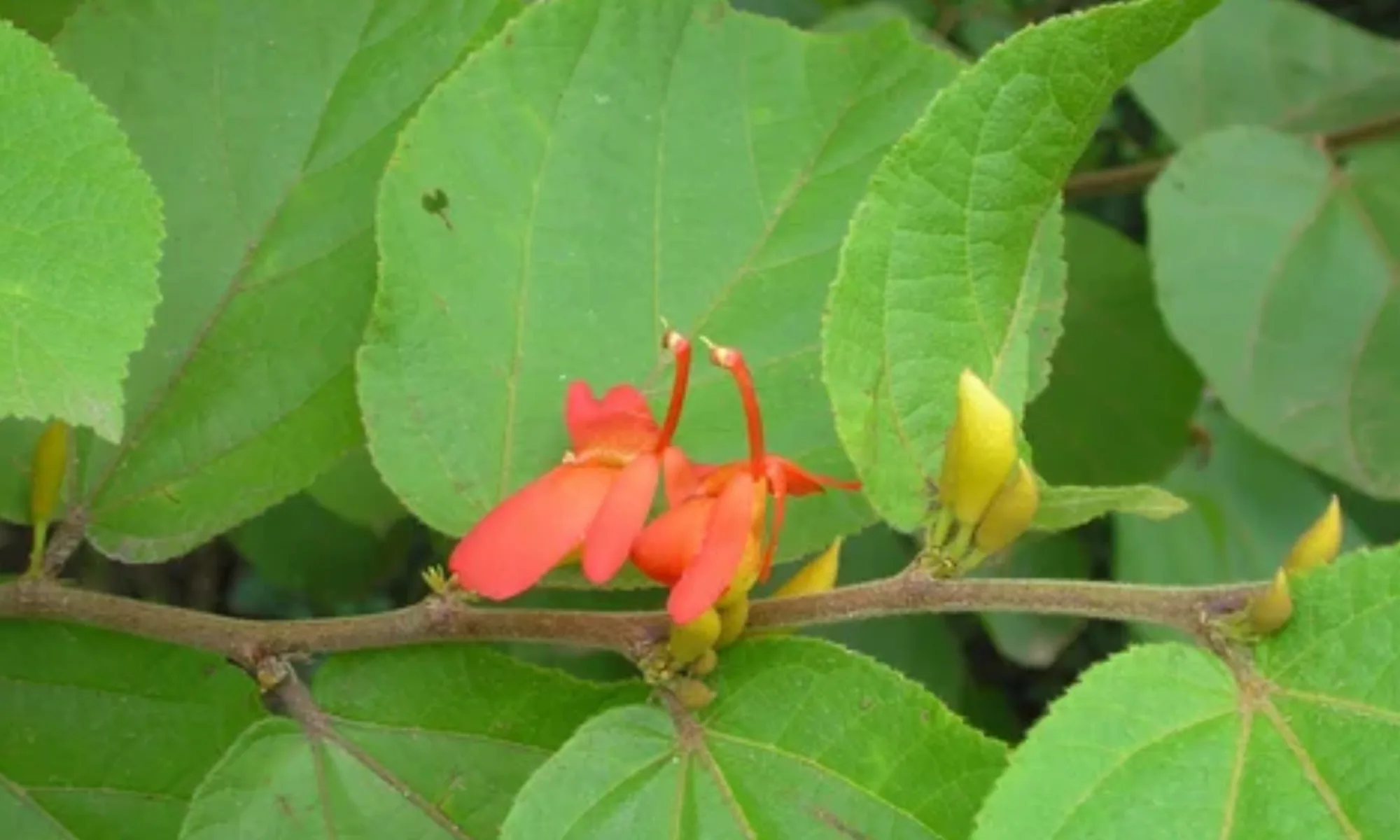
Murdasingi (Helicteres isora L.) is a small deciduous shrub or tree native to India, Sri Lanka, and Southeast Asia. Recognized by its twisted, screw-like fruit, it belongs to the Malvaceae family. Traditionally, the plant—especially its fruit and root—is used in Ayurveda, Siddha, and folk medicine for treating digestive issues, diabetes, infections, and respiratory problems. It exhibits notable antimicrobial, antioxidant, antidiabetic, and astringent properties.

Scientific Classification

  • Kingdom: Plantae
  • Phylum: Angiosperms
  • Class: Eudicots
  • Order: Malvales
  • Family: Malvaceae
  • Genus: Helicteres
  • Species: Helicteres isora

Common Names

  • English: Indian Screw Tree, East Indian Screw Tree
  • Hindi: Murdasingi, Marodphali
  • Sanskrit: Avartani, Mrigshringa
  • Tamil: Valampiri
  • Telugu: Valamburu
  • Marathi: Murudsheng
  • Kannada: Murudeshwara gida
  • Malayalam: Valampiri

Traditional and Medicinal Uses

  • Digestive Support – Acts as a digestive stimulant, relieves colic, diarrhea, and dysentery. The fruit is often used in powdered form to treat intestinal worms.
  • Antidiabetic Activity – Fruit and bark extracts are traditionally used to reduce blood sugar levels in diabetic patients.
  • Antimicrobial & Astringent – Exhibits strong antibacterial and antifungal activity; used for infections and wounds. Acts as an astringent, especially beneficial in cases of diarrhea and bleeding gums.
  • Respiratory Benefits – Root decoctions are used to treat asthma, bronchitis, and sore throat.
  • Reproductive & Women’s Health – Used in traditional medicine to regulate menstrual cycles and treat uterine disorders.
  • Phytochemical Constituents

      Mardasingi is rich in various bioactive compounds contributing to its therapeutic efficacy:

    • Tannins: Isorin, gallic acid, ellagic acid
    • Steroids: β-Sitosterol
    • Flavonoids: Rutin, Quercetin
    • Terpenoids: Lupeol
    • Alkaloids: Helicteric acid
    • Other Compounds: Daucosterol, cucurbitacin

    References

    Ayurvedic Pharmacopoeia of India (API), Part I, Volume V, Ministry of AYUSH, Govt. of India.

    Nadkarni, K.M. (2002). Indian Materia Medica, Volume I. Mumbai: Popular Prakashan.

    Kirtikar, K.R. & Basu, B.D. (1999). Indian Medicinal Plants, Vol 1-4. Dehradun: Bishen Singh Mahendra Pal Singh.

    Rao, M.M., et al. (2010). “Phytochemical and pharmacological review of Helicteres isora.” Journal of Pharmacy Research, 3(12), 2985–2987.

    Arunachalam, G., et al. (2009). “Antidiabetic activity of Helicteres isora root extract in alloxan-induced diabetic rats.” Indian Journal of Pharmacology, 41(1), 30–35.

    Singh, A., & Singh, D.K. (2003). “Helicteres isora: A review of its medicinal potential.” Ancient Science of Life, 23(1), 32–35.

    Wealth of India, Vol. V, CSIR Publications, New Delhi./div>

Anartwak / Pomegranate (Punica granatum)

Anartwak / Pomegranate (Punica granatum)

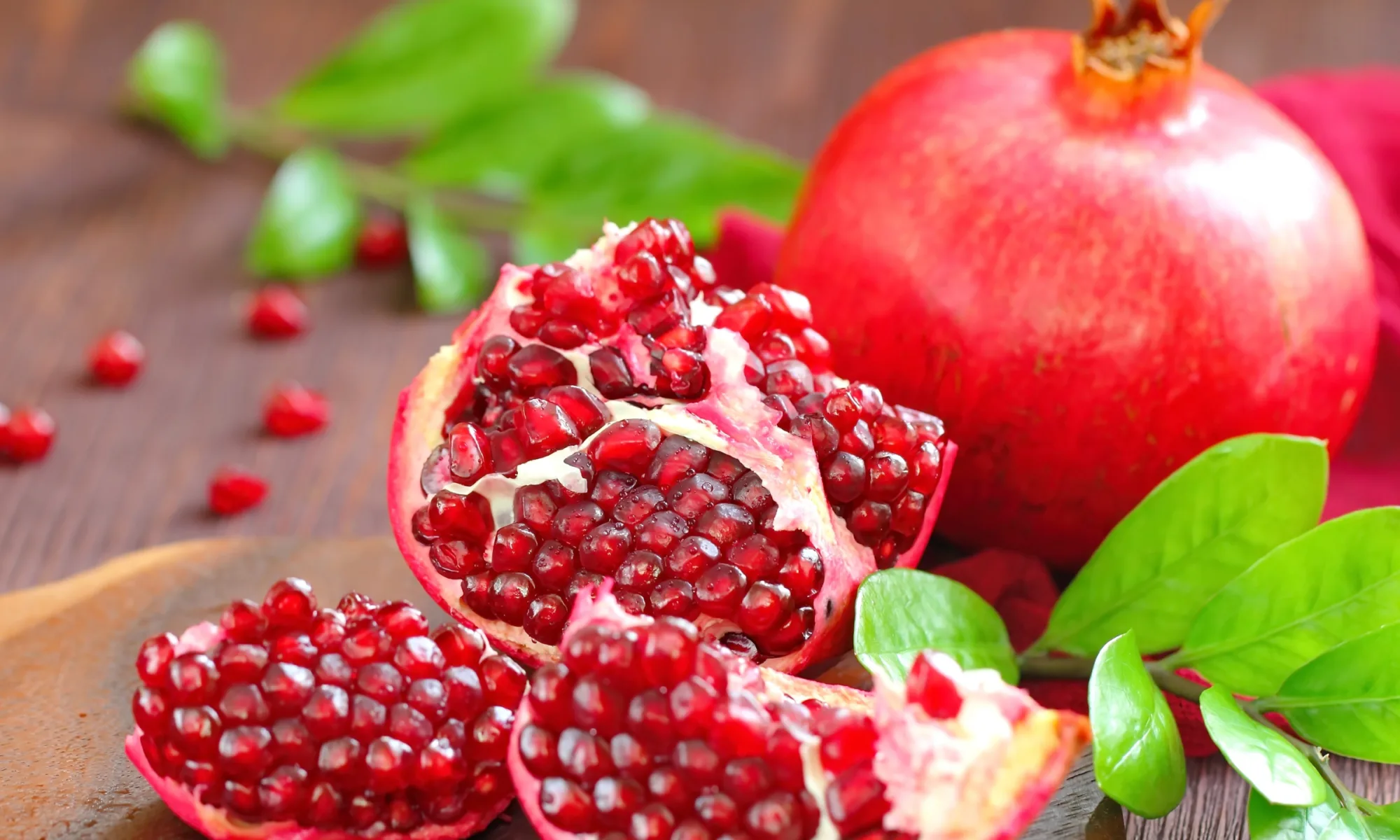
Anartwak (Punica granatum), commonly known as Pomegranate, is a deciduous shrub or small tree native to the region of Iran to northern India and cultivated throughout the Mediterranean, Middle East, and India. In Ayurveda, the bark of the pomegranate tree (referred to as Anartwak) is highly valued for its astringent, anthelmintic, and digestive properties. It is primarily used in the treatment of diarrhea, dysentery, intestinal worms, and bleeding disorders.

Pomegranate Scientific Name

  • Kingdom: Plantae
  • Phylum: Angiosperms
  • Class: Eudicots
  • Order: Myrtales
  • Family: Lythraceae
  • Genus: Punica
  • Species: Punica granatum

Pomegranate Common Name

  • English: Pomegranate
  • Sanskrit: Dadima, Anartwak (for bark)
  • Hindi: Anar
  • Gujarati: Dalim
  • Marathi: Dalimb
  • Tamil: Mathulai
  • Telugu: Danimma
  • Malayalam: Mathalam

Daily Routine & Home Uses of Pomegranate (Anartwak)

Pomegranate (Anartwak / Punica granatum) has always been part of everyday Indian wellness, not just because of its taste but because Ayurveda considers it a gentle, balancing fruit suitable for all ages. Below are simple, practical and home-friendly ways people naturally use pomegranate in their daily routine.

1. Daily Routine Uses (Simple Everyday Habits)

  • Fresh pomegranate seeds in the morning

Most people prefer eating a small bowl of fresh arils early in the day. It helps the stomach settle, supports hydration and provides steady energy. Ayurveda suggests it for improving digestion without heating the body.

  • A glass of fresh pomegranate juice

Fresh juice — not packaged — is widely used for heart health and immunity. Women often take it regularly for maintaining haemoglobin and reducing fatigue. It’s a light, refreshing drink that fits easily into a morning routine.

  • Peel-infused overnight water

A traditional home practice is soaking the peel overnight and drinking the water the next morning. Families use it to ease acidity, reduce bloating and support a cleaner, calmer gut.

2. Home & Beauty Uses (Natural Skin Care)

  • Pomegranate peel face pack

The dried peel is rich in polyphenols. When powdered and mixed with rose water, it becomes a simple face mask that helps brighten dull skin and calm breakouts. Many people prefer it because it’s chemical-free and gentle.

  • Decoction toner for everyday freshness

Boiled peel water, once cooled, works surprisingly well as a toner. It tightens pores and refreshes the skin without any harsh ingredients.

3. Hair & Scalp Uses (Easy, At-Home Remedies)

  • Peel water rinse

People often boil the peels and use the cooled water as a final rinse after shampooing. It helps reduce dandruff, soothe itchiness and add mild shine to the hair.

  • Coconut oil + peel powder pack

Mixing peel powder with coconut oil creates a natural scalp pack. This helps strengthen the roots and can reduce occasional hair fall caused by weather or stress.

4. Cooking & Household Uses (Simple, Handy Uses at Home)

  • Anardana for flavour and digestion

Dried pomegranate seeds are widely used in home cooking. They add a slight tang to sabzis, dals and snacks while also helping digestion — which is why they are common in North Indian kitchens.

  • Natural home freshener

Boiling pomegranate peels fills the home with a mild, clean fragrance. It’s a natural alternative to store-bought room fresheners.

  • Peel-water spray for ants

Peel-soaked water is often used in corners of the house to keep ants away. It is safe, easy and avoids chemical sprays.

Traditional Ayurvedic Uses of (Anartwak)Pomegranate

  • Digestive Health – Acts as a grahi (absorbent) to treat diarrhea and dysentery.
  • Anthelmintic Activity – Effective in expelling intestinal worms, especially tapeworms.
  • Hemostatic and Astringent – Stops internal bleeding such as bleeding gums, piles, or menorrhagia.
  • Oral Health – Used in gargles to treat sore throat, mouth ulcers, and gingivitis.
  • Cardio-Protective and Antioxidant – Contains polyphenols which help reduce oxidative stress and support heart health.

Phytochemical Constituents

    The bark and other parts of Punica granatum are rich in various bioactive compounds, including:

  • Tannins: Punicalagin, Punicalin, Gallagic acid
  • Alkaloids: Pelletierine, Isopelletierine (especially in bark)
  • Flavonoids: Quercetin, Kaempferol
  • Ellagic acid and other polyphenolic compounds
  • Gallic acid, Catechins, and Anthocyanins

References

Ayurvedic Pharmacopoeia of India (API), Part-I, Vol-III. Government of India, Ministry of AYUSH.

Sharangdhar Samhita, Chapter: Atisaar Chikitsa (Treatment of Diarrhea).

Jurenka, J. (2008). “Therapeutic applications of pomegranate (Punica granatum): A review.” Alternative Medicine Review, 13(2), 128-144.

Lansky, E.P., & Newman, R.A. (2007). “Punica granatum (pomegranate) and its potential for prevention and treatment of inflammation and cancer.” Journal of Ethnopharmacology, 109(2), 177–206.

European Medicines Agency. (2014). “Community herbal monograph on Punica granatum L., cortex.”

Chopra, R.N., Nayar, S.L., & Chopra, I.C. (1956). Glossary of Indian Medicinal Plants. CSIR, New Delhi.

Indian Materia Medica – K.M. Nadkarni, Vol I & II.

Classical Ayurveda texts describe Dadima as Hridya (supporting heart function) and Ruchikrut (improving appetite). It is also mentioned for helping with Atisara (loose motions) and for supporting healthy blood. Because it is cooling, nourishing and easy to digest, Ayurveda considers pomegranate one of the safest fruits for all age groups.

Follow us @polycareherbal

0
    0
    Your Cart
    Your cart is emptyReturn to Shop