Free Shipping On Above Order Value Rs. 500

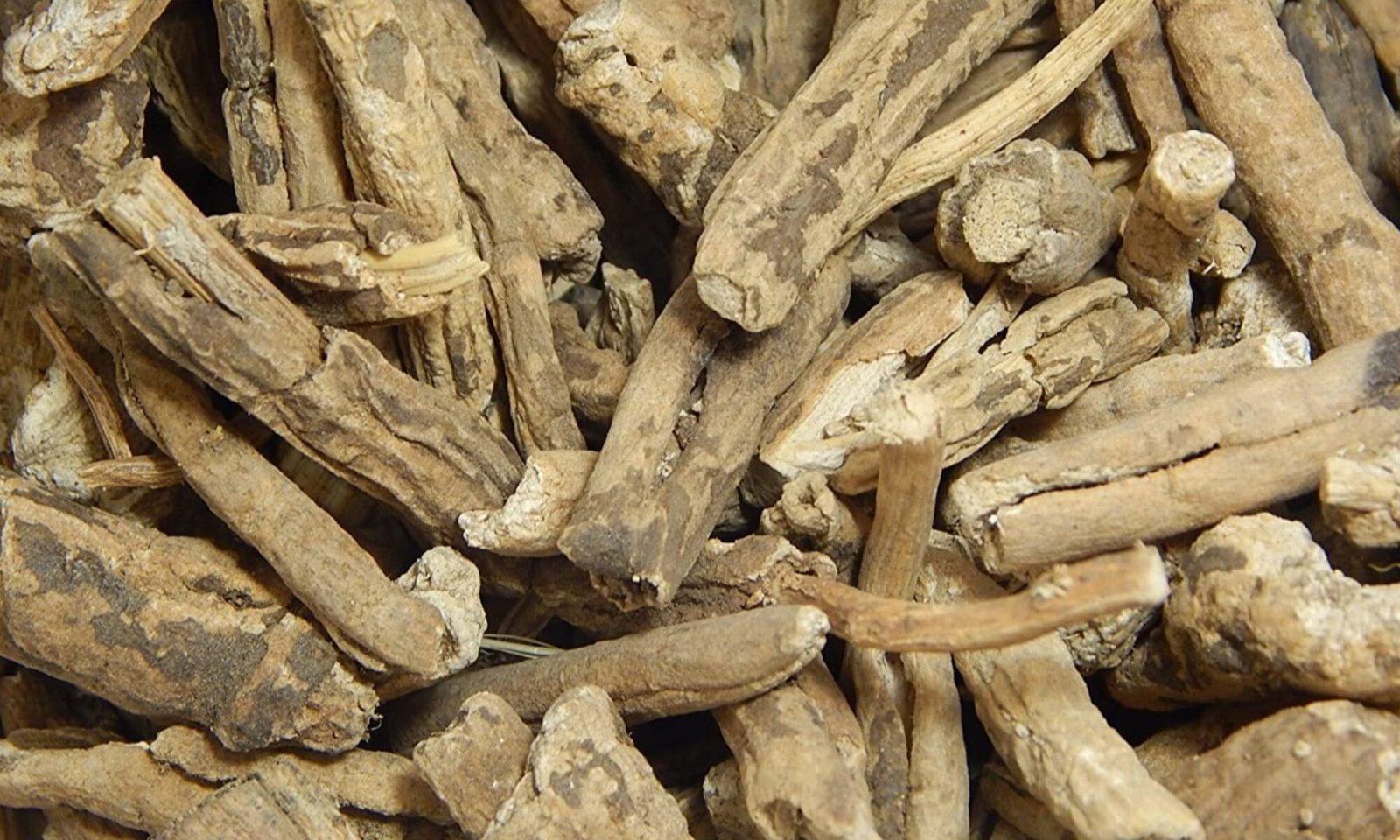
Asthishrinkhla ( cissus quadrangularis )

Asthishrinkhla ( cissus quadrangularis )

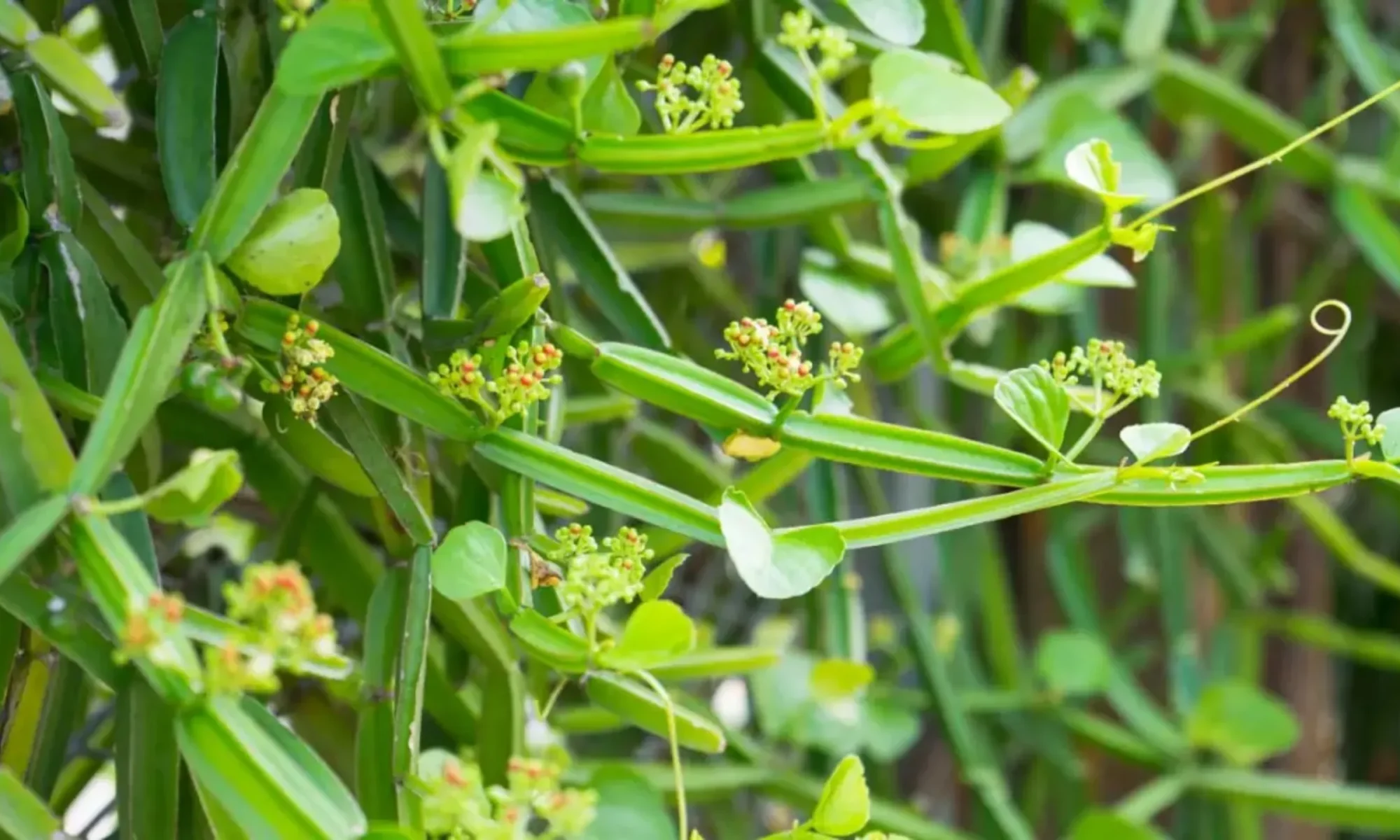
“Asthishrinkhala (Cissus quadrangularis L.) is a perennial succulent climber belonging to the grape family (Vitaceae). Recognized by its quadrangular fleshy stems, it has been widely used in traditional medicine systems such as Ayurveda and Siddha. It is most valued for its role in bone healing, fracture repair, joint health, and also shows benefits in digestive, metabolic, and anti-inflammatory disorders.

Cissus Quadrangularis Scientific Name

  • Kingdom: Plantae
  • Phylum: Angiosperms
  • Class: Eudicots
  • Order: Vitales
  • Family: Vitaceae
  • Genus: Cissus
  • Species: Cissus quadrangularis L.

Cissus Quadrangularis Common Name

  • English: Winged Treebine, Veldt Grape, Bone Setter
  • Sanskrit: Asthishrinkhala, Asthisamhara, Vajravalli
  • Hindi: Hadjod
  • Marathi / Gujarati: Hadjod
  • Tamil: Pirandai
  • Telugu: Nalleru
  • Thai: Phet Sang Khat

Traditional and Medicinal Uses

  • Bone and Fracture Healing – Supports fracture healing, accelerates callus formation, and reduces pain and swelling.
  • Joint and Musculoskeletal Disorders – Beneficial in conditions like arthritis, osteoporosis, and back pain. Improves bone strength and mobility.
  • Digestive Health – Used for treating indigestion, stomach upsets, hemorrhoids, and gastrointestinal complaints.
  • Metabolic Support – Traditionally used to manage obesity and regulate lipid metabolism, Recent studies suggest its role in supporting weight management.
  • Anti-inflammatory and Antioxidant Properties – Reduces inflammation and oxidative stress. Provides pain relief and supports tissue repair.

References

Ayurvedic Pharmacopoeia of India (API), Govt. of India.

Singh, N., et al. (2013). Osteogenic potential of Cissus quadrangularis assessed with experimental fracture models. Journal of Bone and Mineral Research.

Saha, S., et al. (2020). A short review on pharmacological activity of Cissus quadrangularis. Journal of Ethnopharmacology.

Patel, S., & Mishra, A. (2021). Cissus quadrangularis L.: A comprehensive multidisciplinary review. Phytotherapy Research.

Stohs, S.J. (2013). A review and evaluation of the efficacy and safety of Cissus quadrangularis. Journal of Dietary Supplements.

Dhanasekaran, S., et al. (2020). Phytochemical characteristics of Cissus quadrangularis and its bioactivity studies. Pharmacognosy Journal.

Takuathung, M.N., et al. (2025). The effects of Cissus quadrangularis on bone-related outcomes: Systematic review and meta-analysis. BMC Complementary Medicine and Therapies.

Chopra, R.N., Nayar, S.L., & Chopra, I.C. (1956). Glossary of Indian Medicinal Plants. CSIR, New Delhi.

European Pharmacopoeia, 10th Edition, Council of Europe.

Ghritkumari (Aloe barbadensis)

Ghritkumari (Aloe barbadensis)

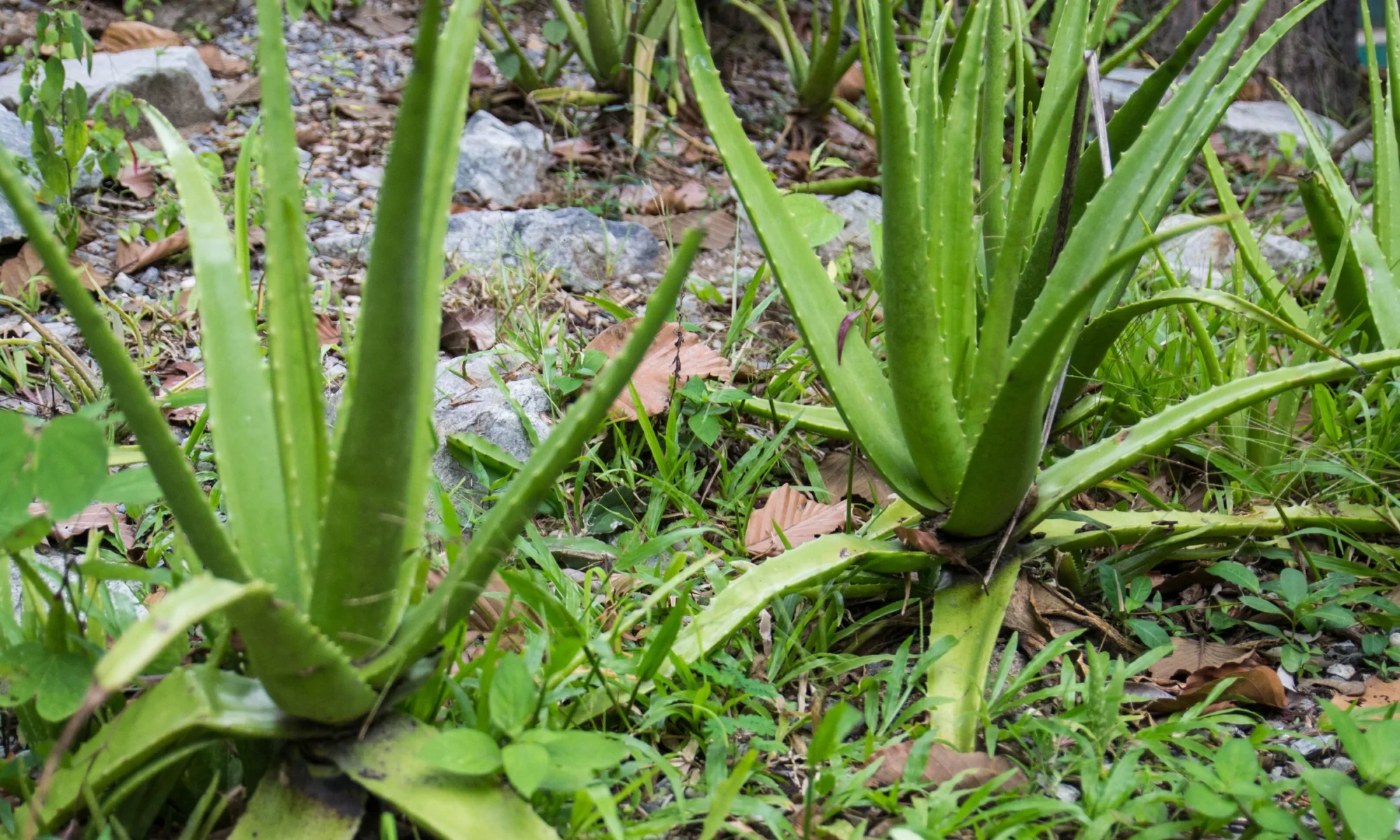
“Ghritkumari (Aloe barbadensis Mill.; commonly known as Aloe vera) is a perennial succulent herb valued for its thick, fleshy leaves containing mucilaginous gel and bitter yellow latex. The clear inner gel is widely used for wound healing, burns, and skin care, while processed preparations are used in nutraceuticals. Its pharmacological properties include wound healing, anti-inflammatory, immunomodulatory, antimicrobial, and laxative activities. The major bioactive compounds are polysaccharides such as acemannan, along with anthraquinones like aloin and aloe-emodin.

Scientific Classification

  • Kingdom: Plantae
  • Phylum: Angiosperms
  • Class: Monocots
  • Order: Asparagales
  • Family: Asphodelaceae
  • Genus: Aloe
  • Species: Aloe barbadensis Mill. (syn. Aloe vera (L.) Burm.f.)

Common Names

  • English: Aloe, Aloe vera, Indian aloe
  • Sanskrit: Kumari, Ghritkumari
  • Hindi: Ghritkumari, Gwarpatha
  • Tamil: Kumari
  • Malayalam: Kumari
  • Kannada: Lolesara
  • Bengali: Ghritakalmi
  • Marathi: Korphad

Traditional and Medicinal Uses

  • Skin & Wound Care – Promotes healing, reduces inflammation, and provides antimicrobial effects.
  • Digestive Health – Leaf latex has been used traditionally as a laxative, Processed gel is used in formulations for digestion and mild
  • Anti-inflammatory & Immunomodulatory Uses – Traditionally used to reduce inflammation, soothe skin irritation, and strengthen immunity.
  • Cosmetic Applications – Widely used in moisturizers, shampoos, conditioners, and anti-aging creams.Helps maintain hydration, reduce acne, and improve skin texture.

Phytochemical Constituents

  • Polysaccharides – Acemannan (main bioactive, wound healing and immunomodulatory).
  • Anthraquinones / Anthrones – Aloin, Aloe-emodin, Emodin (laxative and antimicrobial properties).
  • Chromones – Aloesin (anti-inflammatory and skin-lightening effect).
  • Phenolic Compounds & Flavonoids – Provide antioxidant effects.
  • Sterols, Fatty acids, Vitamins & Minerals – Support overall nutritive and therapeutic properties.

References

Ayurvedic Pharmacopoeia of India. Kanyasara (Aloe barbadensis Mill.). Part I, Vol. 6. Govt. of India, Ministry of Health & Family Welfare.

European Medicines Agency (EMA). (2016). European Union Herbal Monograph on Aloe barbadensis Mill. EMA/HMPC/625788/2015.

World Health Organization (WHO). (2022). Some Drugs and Herbal Products: Toxicological Assessment (includes Aloe vera). WHO/IARC Monographs.

Sánchez, M., et al. (2020). Pharmacological update: Properties of Aloe vera and its therapeutic applications. Frontiers in Pharmacology, 11, 544.

Catalano, A., et al. (2024). Aloe vera — An Extensive Review Focused on Recent Studies. Frontiers in Pharmacology.

Bai, Y., et al. (2023). A new biomaterial derived from Aloe vera — Acemannan: properties and applications. Frontiers in Bioengineering and Biotechnology, 11, 1145.

Femenía, A., Sánchez, E., Simal, S., & Rosselló, C. (1999). Compositional features of polysaccharides from Aloe vera plant tissues. Carbohydrate Polymers, 39(2), 109–117.

Nalimu, F., et al. (2021). Review on the phytochemistry and toxicological profiles of Aloe species. Pharmacognosy Reviews, 15(30), 124–132

Palak ( Spinacea oleracea )

Palak ( Spinacea oleracea )

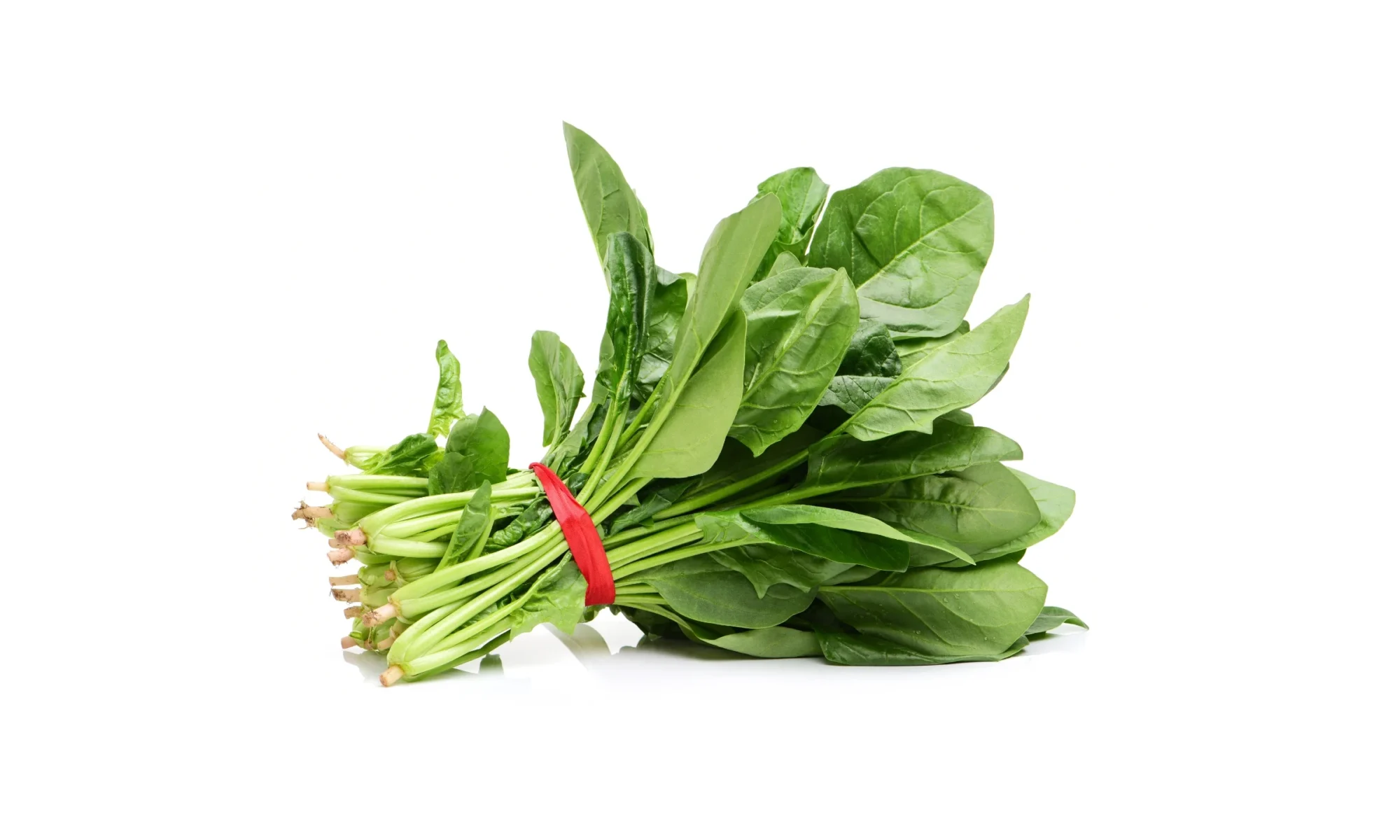
“Palak (Spinacia oleracea) — commonly called spinach — is a fast-growing, nutrient-dense leafy green vegetable cultivated worldwide for its edible leaves. It is valued both as a food (rich in vitamins A, C, K, folate, iron, magnesium and dietary fiber) and for traditionally reported medicinal/functional properties including antioxidant, cardioprotective and neuroprotective effects

Palak, which is also called Spinacia oleracea, is a good leafy green vegetable that people eat every day. It is also used in Ayurveda to help our bodies. Palak is good for us because it helps make our blood strong, it helps us digest food, it gives us energy, and it keeps our body temperature normal. In Ayurveda, Palak is like food. It is also like medicine when we eat it the right way. Palak is very useful for our health. People use Palak to keep their bodies healthy and strong.

Ayurvedic Classification & Properties

Ayurvedic Nature (Guna–Karma):

Palak is really easy on the stomach, because it is light and soft. This means that when you cook Palak, it is not hard to digest. Palak is a type of food that’s light and soft, so people can eat it without feeling sick.
Rasa (Taste): Mildly Tikta (bitter) and Kashaya (astringent)
Virya (Potency): Sheeta (cooling)
Vipaka (Post-digestive effect): Madhura (sweet)
Dosha Impact:

  • Pacifies Pitta dosha due to its cooling nature
  • Supports Vata balance when consumed cooked with healthy fats
  • Should be used in moderation for Kapha-dominant individuals

This doshic profile makes Palak especially beneficial in heat-related conditions, inflammation, and weakness caused by Pitta imbalance.

Palak Scientific Name

  • Kingdom: Plantae
  • Phylum: Angiosperms
  • Class: Eudicots
  • Order: Caryophyllales
  • Family: Amaranthaceae (formerly placed in Chenopodiaceae)
  • Genus: Spinacia
  • Species: Spinacia oleracea L.

Palak Common Name

  • English: Spinach
  • Hindi / Indian (common): Palak
  • Sanskrit (classical): (rare in classical texts; modern vernacular used)
  • Bengali: Palong / Palong shaak
  • Gujarati / Marathi: Palak (पालक)
  • Tamil: Paalak (பாலக்)
  • Telugu: Paalakamu (పాలకము)
  • Urdu: Palak (پالک)

Nutritional & Functional Importance

Palak is a good green leafy vegetable because it has a lot of iron, folate, fibre and plant-based antioxidants. In Ayurveda, people like Palak and other leafy greens because of what they do for us, which includes:

  • Supporting healthy blood formation
  • Enhancing digestive fire (Agni) gently
  • Providing nourishment without heaviness

Eating Palak every day helps you have lots of energy all the time. It also makes your body work better. Helps your body get the food it needs. This is really good for your health, and it helps with tissue nourishment, which is also known as Dhatu poshana. It is very good for Palak to be a regular part of your diet because Palak is very healthy.

Health Benefits & Therapeutic Uses

Palak for Blood Health & Anaemia Support

Palak is traditionally associated with Rakta dhatu poshana (nourishment of blood tissues). Its iron and folate content supports natural haemoglobin levels and helps reduce fatigue and weakness.

Palak for Digestion & Constipation

Cooked Palak acts as a mild natural laxative. It supports bowel regularity, improves gut movement, and is beneficial in occasional constipation caused by dryness or heat.
Read More: Natural Ayurvedic Solution for Digestion Problems in Daily Life

Palak for Immunity & Vitality

Rich in antioxidants and micronutrients, Palak supports immune resilience and overall strength, especially during seasonal changes and recovery phases.
Read More: Herbal Remedies That Improve Immunity Naturally

Palak for Skin Health

In Ayurveda, skin health is linked with blood purity. Palak helps support internal detoxification, which may reflect as clearer skin and improved natural glow.

Palak for Diabetes-Friendly Diets

Palak is commonly recommended in balanced diets for individuals managing blood sugar levels due to its fibre content and low glycaemic impact when consumed appropriately.

Visit Our Products

Traditional and Medicinal Uses

  • Nutritional / General Health – A rich dietary source of vitamins A, C, K, folates, iron, magnesium and dietary fiber — supporting vision, bone health, hemostasis (via vitamin K), and general nutrition.
  • Antioxidant & Anti-inflammatory Actions – Leaf extracts contain flavonoids, carotenoids and phenolics that display antioxidant and anti-inflammatory activity in cell and animal studies; these contribute to protective effects against oxidative stress-related conditions.
  • Cardiovascular Support – Dietary nitrates and other bioactives in spinach have been associated with vasodilation and potential reductions in blood pressure in acute studies, suggesting cardiovascular benefits when included in a healthy diet.
  • Eye Health – Spinach is a major dietary source of lutein and zeaxanthin (xanthophyll carotenoids) that help maintain retinal health and may reduce risk of age-related macular degeneration.
  • Cognitive & Neuroprotective Potential – Epidemiological and preclinical evidence suggests leafy-green intake (including spinach) is associated with slower cognitive decline — possibly due to combined antioxidant, anti-inflammatory and folate content.

Palak for Different Age Groups

Women’s Health

Palak is really good for you when you are feeling weak or tired. It helps you get the nutrients you need. Women often eat Palak because it has a lot of minerals that their bodies need. Palak is an addition to a healthy diet for women.

Children’s Growth & Nutrition

When we make Palak in a way that’s easy to eat, Palak is really good for kids. Palak gives children the things they need to grow, stay healthy and feel like eating. Palak is a help to children because Palak has lots of good stuff that supports growth, helps immunity and makes kids want to eat, which is very important for children, and Palak is very good at doing that.

Elderly Wellness

Palak is really good for people. It helps them digest their food properly. Palak also helps older people have bowel movements. Palak gives them the nutrients they need to stay healthy without making their stomachs feel bad. Palak is very gentle on the system of elderly individuals.

Forms of Palak Used

  • Fresh Palak Leaves: Common culinary and dietary use
  • Palak Powder: Used in herbal blends and nutraceutical formulations
  • Palak Extract: Applied in herbal and wellness formulations
  • Traditional Palak Juice: Used occasionally under dietary guidance

These forms make Palak suitable for both consumer health products and herbal manufacturing applications.

Role of Palak in Ayurvedic & Herbal Formulations

Palak is really good at helping our bodies. It is often used with things to make us feel better. Palak helps our blood. It helps us digest food. It also helps us feel okay in general. When Palak is used with herbs, it helps our bodies get the nutrients we need, and it keeps us from getting too hot inside. Palak is very good at working with herbs to make sure we are healthy.

Safety, Precautions & Usage Guidelines

  • Palak should preferably be consumed cooked rather than raw to enhance digestibility
  • Excessive intake may not be suitable for individuals prone to kidney stones
  • Moderation is advised for Kapha-dominant constitutions
  • Always balance Palak with warming ingredients like ghee or mild spices for optimal digestion

References

  • Roberts, J.L., & Moretta, A. (2016). Functional properties of spinach (Spinacia oleracea L.) in cell culture, animal and human studies. Critical Reviews in Food Science and Nutrition, 56(13), 2298–2315.
  • Lomnitski, L., et al. (2003). Composition, efficacy, and safety of spinach extracts. Journal of Nutritional Biochemistry, 14(2), 63–70. PubMed PMID: 14690799.
  • Gutierrez, R.M.P., et al. (2019). Spinacia oleracea Linn Considered as One of the Most Nutrient-Dense Leafy Vegetables: A review of phytochemistry, ethnopharmacology and pharmacology. Journal of Ethnopharmacology (review).
  • Cerulli, A., et al. (2024). Spinacia oleracea L. baby leaves as a source of bioactive compounds. Foods, 13(22):3699. doi:10.3390/foods13223699.
  • Nemzer, B., et al. (2021). Extraction and profiling of natural bioactive molecules from freeze-dried spinach. Journal of Food Composition and Analysis, (study profiling vitamins and phytochemicals).
  • Ayurvedic Pharmacopoeia Committee. The Ayurvedic Pharmacopoeia of India (API). Government of India — (API contains monographs/standards for many botanicals used in Ayurveda; see API volumes for details and official monographs). (API, various volumes and monographs; official PDFs available from the Government/archived repositories).
  • United States Department of Agriculture (USDA) — FoodData Central. Spinach (Spinacia oleracea) nutrient composition database (foundation foods / standard reference).

Alsi (Linum usitatissimum)

Alsi (Linum usitatissimum)

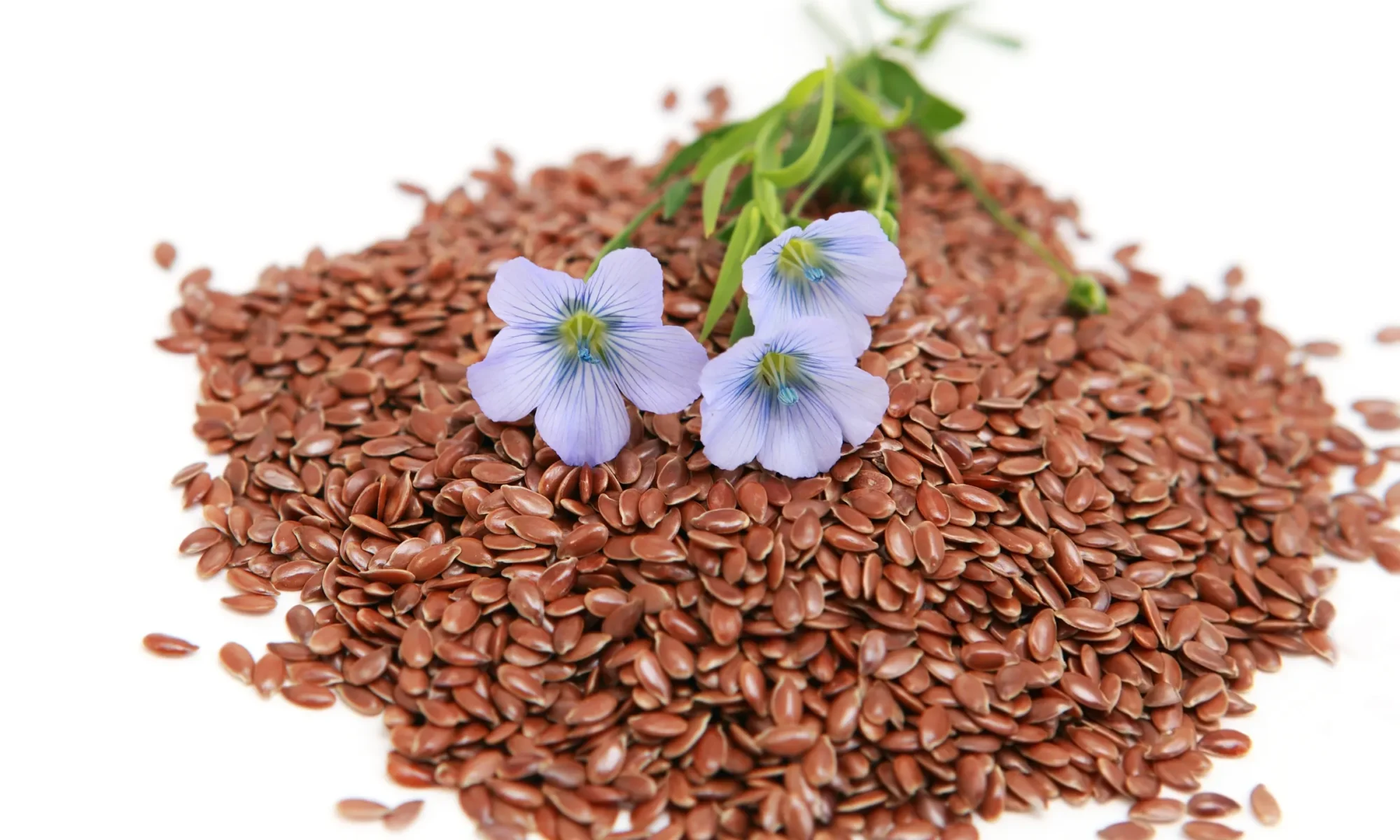
“Alsi (Linum usitatissimum), commonly known as flaxseed, is one of the oldest cultivated crops, belonging to the Linaceae family. It is grown primarily for its seeds, which are rich in omega-3 fatty acids, lignans, and dietary fiber. Alsi has been traditionally used in Ayurveda and other traditional systems for its benefits in cardiovascular health, constipation, inflammation, skin disorders, and hormone regulation.

Alsi Scientific Name

  • Kingdom: Plantae
  • Phylum: Angiosperms
  • Class: Eudicots
  • Order: Malpighiales
  • Family: Linaceae
  • Genus: Linum
  • Species: Linum usitatissimum

Alsi Common Names

  • English: Flaxseed, Linseed
  • Sanskrit: Atasi
  • Hindi: Alsi
  • Gujarati: Alshi
  • Tamil: Ali virai
  • Telugu: Avise ginjalu
  • Bengali: Tishi
  • Marathi: Javas
  • Kannada: Agasi

Traditional and Medicinal Uses

  • Cardiovascular Health – Rich in alpha-linolenic acid (ALA), helping to reduce bad cholesterol and support heart function.
  • Digestive Health – High dietary fiber content helps alleviate constipation and promotes bowel regularity.
  • Anti-inflammatory and Antioxidant Support – Contains lignans and omega-3s, reducing systemic inflammation and oxidative stress.
  • Hormonal Balance – Lignans act as phytoestrogens, helping regulate menstrual cycles and ease menopausal symptoms.
  • Skin and Hair Care – Used traditionally to moisturize skin, treat eczema, and improve hair texture.
  • Diabetes Management – Helps regulate blood glucose levels due to its soluble fiber content.

Phytochemical Constituents

    Alsi contains a rich profile of bioactive phytochemicals:
  • Essential Fatty Acids: Alpha-linolenic acid (ALA), Linoleic acid
  • Lignans: Secoisolariciresinol diglucoside (SDG)
  • Phenolic Compounds: Ferulic acid, p-Coumaric acid
  • Alkaloids: Linamarin
  • Proteins and Amino Acids: Rich in arginine, glutamine
  • Dietary Fiber: Both soluble and insoluble fibers
  • Mucilage: Contributes to laxative and demulcent action

References

Ayurvedic Pharmacopoeia of India (API), Part I, Vol. V, Government of India.

Bhavaprakasha Nighantu – Commentary by Sri Bhavamisra.

Kajla, P., Sharma, A., & Sood, D.R. (2015). “Flaxseed—a potential functional food source.” Journal of Food Science and Technology, 52(4), 1857–1871.

Bloedon, L.T., & Szapary, P.O. (2004). “Flaxseed and cardiovascular risk.” Nutrition Reviews, 62(1), 18–27.

Touré, A., & Xueming, X. (2010). “Flaxseed lignans: source, biosynthesis, metabolism, antioxidant activity, bio-active components, and health benefits.” Comprehensive Reviews in Food Science and Food Safety, 9(3), 261–269.

European Pharmacopoeia, 10th Edition, Council of Europe.

Chopra, R.N., Nayar, S.L., & Chopra, I.C. (1956). Glossary of Indian Medicinal Plants. CSIR, New Delhi.

United States Pharmacopeia (USP) Monographs – Linum usitatissimum (Flaxseed).

Coriander (Coriandrum sativum)

Coriander (Coriandrum sativum)

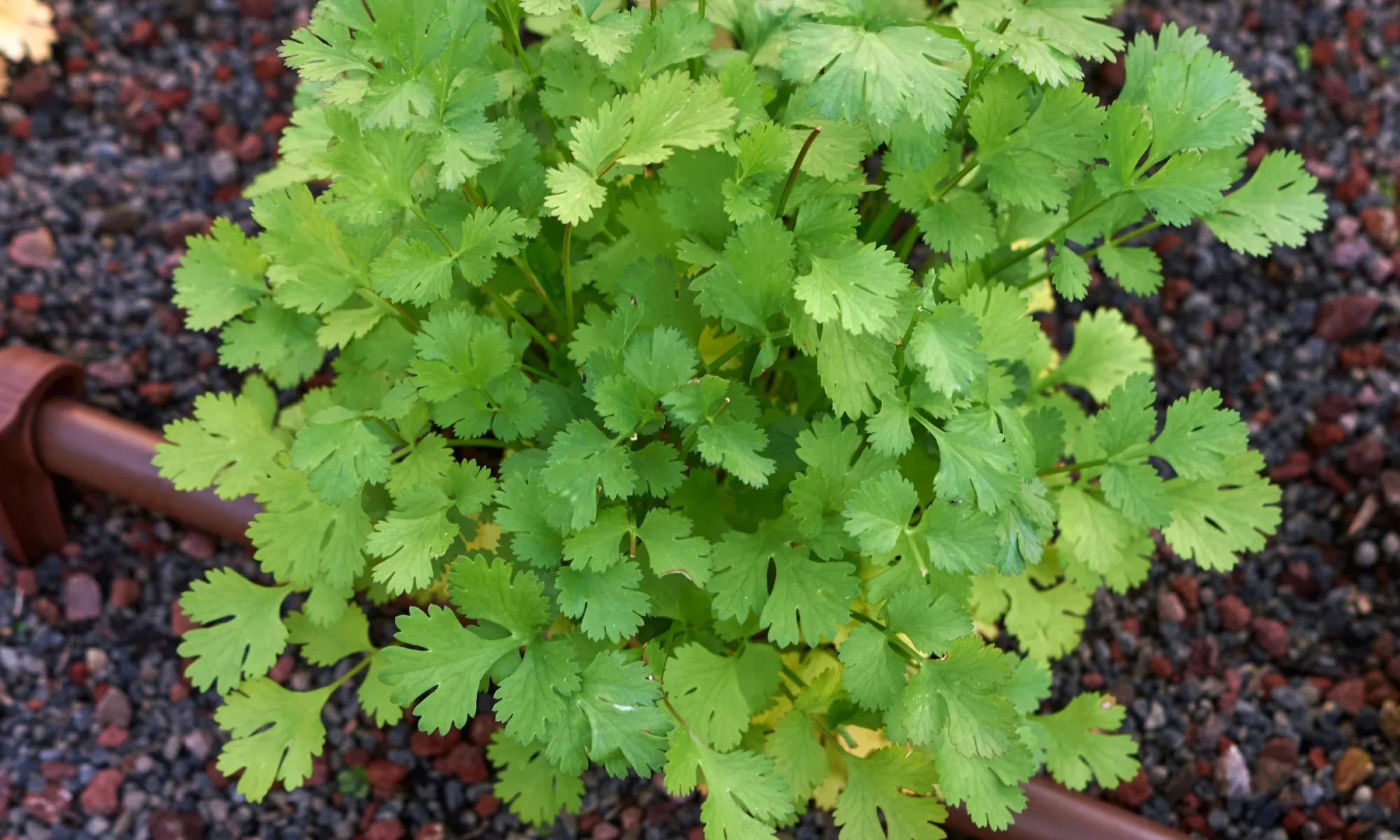
“Coriander (Coriandrum sativum), commonly known as Dhana in Ayurveda, is a fragrant annual herb belonging to the Apiaceae family. Native to regions spanning Southern Europe, Northern Africa, and Southwestern Asia, it is widely cultivated for both its seeds and fresh leaves. In traditional systems of medicine like Ayurveda, Unani, and Chinese medicine, it is valued for its digestive, carminative, anti-inflammatory, and diuretic properties.

Coriander Scientific Name

  • Kingdom: Plantae
  • Phylum: Angiosperms
  • Class: Eudicots
  • Order: Apiales
  • Family: Apiaceae
  • Genus: Coriandrum
  • Species: Coriandrum sativum L.

Coriander Common Name

  • English: Coriander
  • Sanskrit: Dhānyaka, Dhana
  • Hindi: Dhania
  • Gujarati: Dhana
  • Tamil: Kothamalli
  • Telugu: Dhaniyalu
  • Malayalam: Malli
  • Kannada: Kottambari
  • Bengali: Dhone
  • Marathi: Dhane

Daily Routine & Wellness Uses

  • Coriander Infused Water: Soak a few coriander seeds or leaves in a jug of water overnight and drink it in the morning as a gentle detox tonic.
  • Coriander Tea: Brew some dried coriander seeds or fresh leaves like herbal tea to support digestion, reduce bloating, and calm the mind.
  • Post-Meal Digest Aid: Chew ½ teaspoon of crushed coriander seeds after a heavy meal to help reduce gas and promote digestion.
  • Coriander Leaf Paste for Skin: Blend fresh leaves to make a mild paste; apply on face to soothe redness, calm irritation, or manage mild acne.
  • Aromatic Cooking Use: Use fresh dhania leaves or coriander seed powder daily in your cooking to naturally benefit from its health properties.

Culinary & Internal Applications

  • Coriander in Curries and Dal: The seeds and leaves are widely used in Indian cuisine to flavor curries, dals, and soups.
  • Fresh Salads and Chutneys: Coriander leaves (cilantro) are a key ingredient in chutneys, salsa, and salad dressings.
  • Spice Blends: Ground coriander seed is a staple in garam masala, curry powders, and spice mixes.
  • Baked Goods & Sweets: Coriander’s citrusy, floral aroma can be added to breads, biscuits, or sweet dishes for a refreshing twist.
  • Herbal Tonics: Traditional herbal formulations use coriander seed decoction for detox drinks and metabolic tonics.

Who Should Use Coriander & Who Should Be Cautious

Recommended For:

  • People with digestive issues like gas or bloating
  • Individuals wanting natural antioxidant support
  • Those looking for herbal support for blood sugar
  • People interested in plant-based dietary detox
  • Users wanting a cooling herb in their daily wellness routine

Use With Caution If:

  • You have very low blood pressure (because coriander may lower BP)
  • You’re taking blood sugar-lowering medications — monitor carefully
  • You are pregnant — use culinary amounts; avoid very high supplements without guidance
  • You have allergy to Apiaceae family (like celery, carrot)

Traditional and Medicinal Uses

  • Digestive Health – Used as a carminative, improving digestion, reducing bloating, flatulence, and acidity.
  • Antioxidant & Anti-inflammatory Effects – Contains phenolic compounds that combat oxidative stress and reduce inflammation.
  • Antimicrobial Activity – Demonstrates antibacterial and antifungal properties, particularly due to linalool in the essential oil.
  • Diuretic and Detoxifying – Traditionally used to promote urination, cleanse the urinary tract, and reduce water retention.
  • Blood Sugar Management – Studied for its potential hypoglycemic effect, useful in managing early stages of diabetes.
  • Menstrual and Reproductive Support – Used in traditional medicine to regulate menstrual flow and relieve associated discomfort.
  • Skin Health – Employed externally in Ayurvedic preparations to treat acne, eczema, and skin irritations.

Phytochemical Constituents

    Coriandrum sativum is rich in several bioactive phytochemicals that contribute to its therapeutic actions:
  • Essential Oils: Linalool, Geraniol, Camphor, Borneol, Limonene
  • Flavonoids: Quercetin, Kaempferol, Rutin
  • Phenolic Acids: Caffeic acid, Chlorogenic acid
  • Sterols: β-sitosterol
  • Alkaloids: Coriandrin
  • Vitamins & Minerals: Vitamin C, Vitamin K, Iron, Magnesium

References

  • Ayurvedic Pharmacopoeia of India, Part-I, Vol. I, Govt. of India, Ministry of AYUSH.
  • Nadkarni, K.M. (2002). Indian Materia Medica, Vol. I, Bombay Popular Prakashan.
  • Laribi, B., Kouki, K., M’Hamdi, M., & Bettaieb, T. (2015). “Coriander (Coriandrum sativum L.) and its bioactive constituents.” Fitoterapia, 103, 9–26.
  • Sahib, N.G., et al. (2013). “Coriander (Coriandrum sativum L.): A potential functional food.” International Journal of Molecular Sciences, 14(2), 2055–2080.
  • European Pharmacopoeia, 10th Edition, Council of Europe.
  • Chopra, R.N., Nayar, S.L., & Chopra, I.C. (1956). Glossary of Indian Medicinal Plants. Council of Scientific and Industrial Research (CSIR), New Delhi.
  • Pandey, G. (1981). Dravyaguna Vigyan (Vol. 2). Chaukhambha Krishnadas Academy, Varanasi.
  • Review: Coriandrum sativum L. in Ethnopharmacology, Phytochemistry & Cardiovascular Effects.
  • Antioxidant Activity of Coriandrum sativum Seed Extract — in vitro + diabetic rat model.
  • Structural Polysaccharides from C. sativum Seeds & Their Hepatoprotective Effect.
  • Essential Oil Review: Composition and Biological Activities of Coriander Oil.
  • Functional Food Review: Coriander as a Promising Bioactive Herb.
  • Pharmacological Evaluation of C. sativum: Anti-Inflammatory, Antimicrobial, Antioxidant Properties.

NAGKESHAR (Mesua ferrea)

NAGKESHAR (Mesua ferrea)

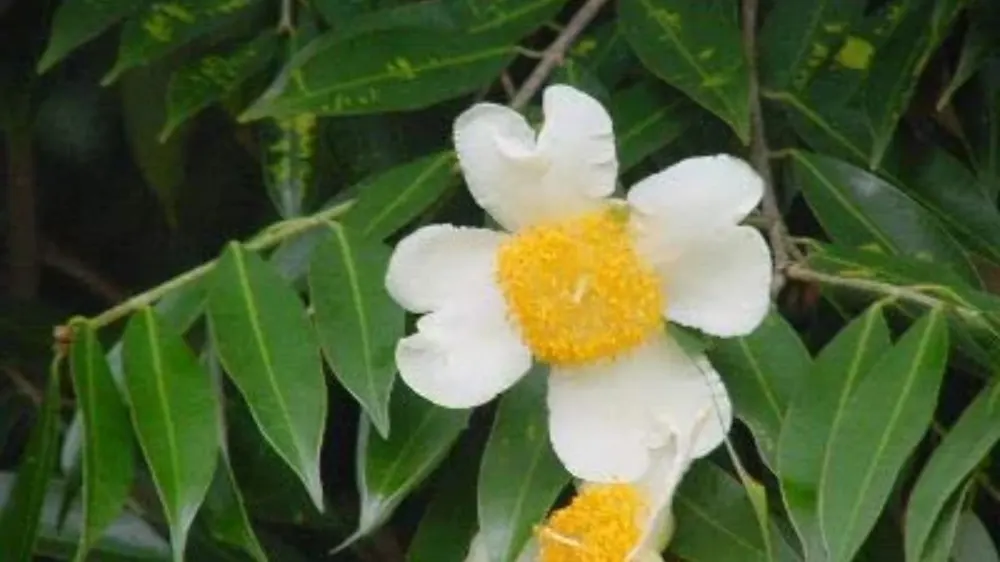
“The slow-growing, evergreen Nagkeshar (Mesua ferrea) tree is well-known for its medicinally beneficial blooms and stamens. It is sometimes referred to as Ceylon Ironwood or Indian Rose Chestnut. It is commonly found in the Indian subcontinent and Southeast Asia. In traditional Ayurvedic and Siddha medicine, Nagkeshar has been used to treat bleeding disorders, inflammation, digestive problems, and skin diseases. The tree’s dense, durable wood and aromatic flowers also make it significant in cultural and religious rituals.

Scientific Names

  • Kingdom: Plantae
  • Phylum: Angiosperms
  • Class: Eudicots
  • Order: Malpighiales
  • Family: Calophyllaceae
  • Genus: Mesua
  • Species: Mesua ferrea

Common Names

  • English: Ceylon Ironwood, Indian Rose Chestnut
  • Sanskrit: Nāgakeshara, Nāgapuspa
  • Hindi: Nāgkesar
  • Marathi: Nāgkesar
  • Tamil: Nagalingam
  • Malayalam: Nākappū
  • Telugu: Nāgakesaramu
  • Bengali: Nāgkesar

Traditional and Medicinal Uses

  • Hemostatic Activity – Used to stop bleeding in conditions like piles, excessive menstruation, and nosebleeds (epistaxis).
  • Anti-inflammatory and Wound Healing – Acts as a natural anti-inflammatory, reducing swelling, promoting tissue repair, and aiding wound healing.
  • Digestive and Metabolic Support – Because of its deepana (appetizer) and pachana (digestive) qualities, it is helpful in treating diarrhea, dysentery, and controlling metabolism.
  • Skin and Hair Health – Traditionally used to manage skin allergies, acne, and promote hair growth.
  • Antioxidant and Anti-microbial – Exhibits antimicrobial and antioxidant properties, protecting against microbial infections and oxidative stress.

References

The Ayurvedic Pharmacopoeia of India, Part I, Volume III, Government of India, Ministry of AYUSH.

Kirtikar, K.R., & Basu, B.D. (2001). Indian Medicinal Plants, Vol. II, 2nd Edition. Bishen Singh Mahendra Pal Singh, Dehradun, India.

Pandey, G., & Chandra, P. (2014). Herbal Biomedicine and Traditional Healing Systems, New Delhi: Springer.

Sharma, P.C., Yelne, M.B., & Dennis, T.J. (2001). Database on Medicinal Plants Used in Ayurveda, Vol. 5. Central Council for Research in Ayurveda & Siddha, Department of ISM&H, Govt. of India.

Jain, S.K. (1991). Dictionary of Indian Folk Medicine and Ethnobotany, Deep Publications, New Delhi.

Mukhija, M., & Sharma, V. (2010). “Pharmacognostical and phytochemical investigation of Mesua ferrea Linn.” International Journal of Pharmacognosy and Phytochemical Research, 2(1), 10-14.

Joshi, A., & Bhatia, R. (2015). “A Review on Mesua ferrea Linn.: A medicinal plant with diverse pharmacological potential.” International Journal of Pharmaceutical Sciences Review and Research, 30(1), 70-75.

European Pharmacopoeia, 10th Edition, Council of Europe.

Nadkarni, K.M. (1976). Indian Materia Medica, Vol. 1, Bombay Popular Prakashan.

Chopra, R.N., Nayar, S.L., & Chopra, I.C. (1956). Glossary of Indian Medicinal Plants. CSIR, New Delhi.

KAMPHILAK (Mallotus philippinensis)

KAMPHILAK (Mallotus philippinensis)

“Kamphilak (Mallotus philippinensis Muell. Arg.), commonly known as the Kamala tree, is a medicinal shrub or small tree belonging to the Euphorbiaceae family. It is extensively found in Southeast Asian and Indian subtropical and tropical woods. The reddish glandular hairs of its fruit are known as Kamala powder, traditionally used in Ayurvedic and folk medicine systems as anthelmintic, antibacterial, anti-inflammatory, hepatoprotective, and skin care remedy.

Scientific Names

  • Kingdom: Plantae
  • Phylum: Angiosperms
  • Class: Eudicots
  • Order: Malpighiales
  • Family: Euphorbiaceae
  • Genus: Mallotus
  • Species: Mallotus philippinensis Muell. Arg.

Common Names

  • English: Kamala Tree, Monkey Face Tree
  • Sanskrit: Kampillaka, Rakta-pushpa
  • Hindi: Kamala, Kamala ke beej
  • Tamil: Kamalai
  • Telugu: Kampillaka
  • Malayalam: Kampila
  • Kannada: Kampillaka
  • Bengali: Kamala
  • Marathi: Kamala

Traditional and Medicinal Uses

  • Hepatoprotective and Liver Health – Used for managing jaundice, liver enlargement, and other hepatic conditions due to its detoxifying action.
  • Skin Disorders – Applied externally for eczema, scabies, and fungal infections, owing to its antimicrobial and anti-inflammatory properties.
  • Antioxidant and Anti-inflammatory – Shows significant free radical scavenging activity; used in inflammatory conditions and chronic skin diseases.
  • Laxative and Digestive Aid – Acts as a mild laxative, improving bowel movements and digestive health.

References

Ayurvedic Pharmacopoeia of India (API), Part I, Volume VI, Government of India, Ministry of AYUSH.

Kirtikar, K.R., & Basu, B.D. (1991). Indian Medicinal Plants, Vol. III. Lalit Mohan Basu Publications, Allahabad.

Otsuki, N., Dang, N.H., Kumagai, E., et al. (2010). “Aqueous extract of Carica papaya leaves exhibits anti-tumor activity and immunomodulatory effects.” Journal of Ethnopharmacology, 127(3), 760–767.

Chopra, R.N., Nayar, S.L., & Chopra, I.C. (1956). Glossary of Indian Medicinal Plants. CSIR, New Delhi.

Mehta, B.K., Tiwari, M., & Singh, M. (2010). “Phytochemical and Pharmacological Studies on Mallotus philippinensis Muell. Arg.” International Journal of Pharmaceutical Sciences Review and Research, 1(2), 71-78.

Shafi, P.M., Rosamma, M.K., Jamil, K., & Reddy, P.S. (2002). “Antibacterial activity of Mallotus philippinensis extract.” Fitoterapia, 73(3), 251–254.

European Medicines Agency (EMA). (2013). Assessment report on Mallotus philippinensis Muell. Arg. – EMA/HMPC/552670/2012.

Nadkarni, K.M. (1976). Indian Materia Medica, Vol. I. Bombay Popular Prakashan.

The Wealth of India: A Dictionary of Indian Raw Materials and Industrial Products, CSIR Publications, New Delhi.

Pharmacognosy of Indigenous Drugs, Central Council for Research in Ayurveda and Siddha (CCRAS), Govt. of India.

PAPAYA (Carica papaya)

PAPAYA (Carica papaya)

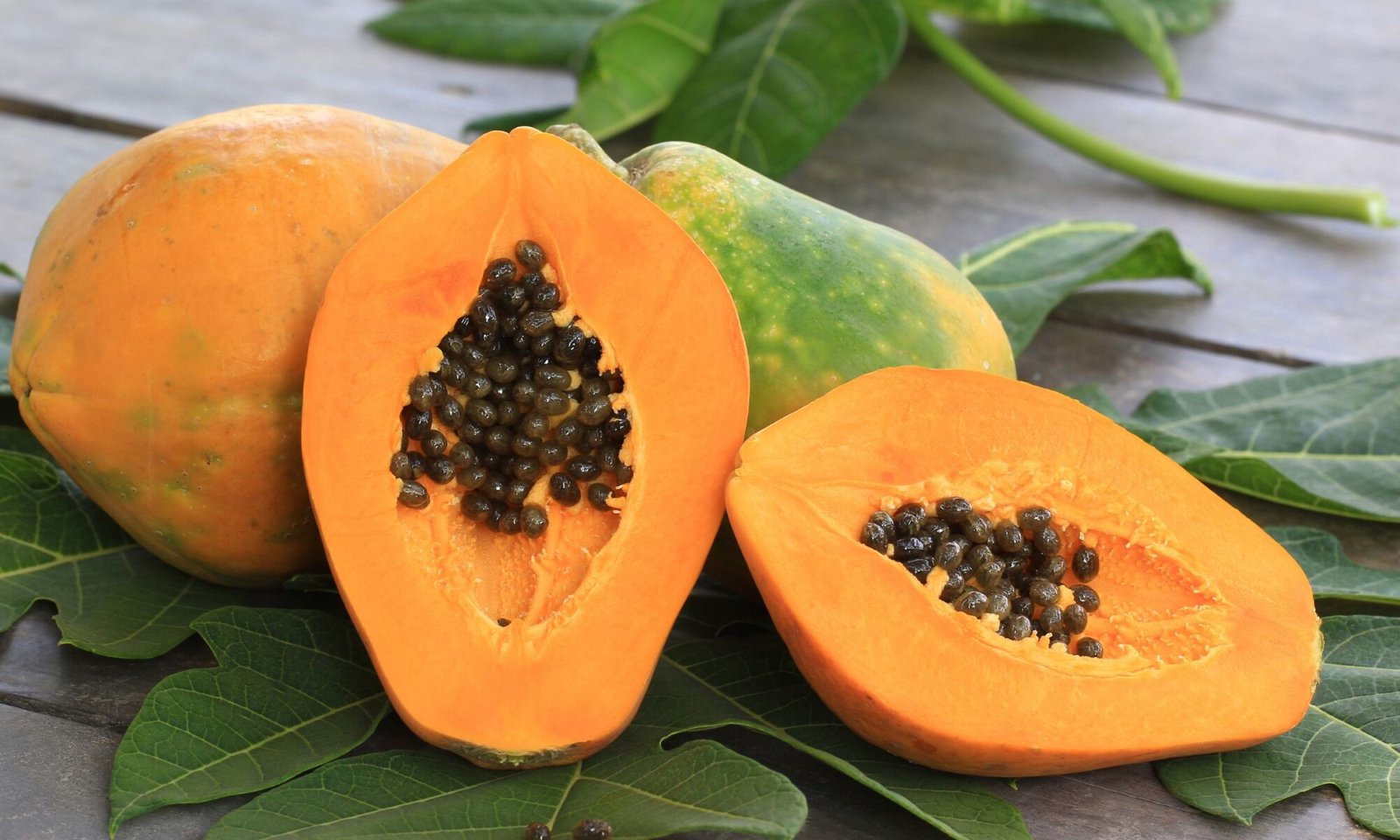
“Papaya (Carica papaya) is a fast-growing, tropical fruit-bearing plant known for its sweet, orange-fleshed fruit and medicinal properties. Native to Central America and Mexico, it belongs to the Caricaceae family. Both its fruit and various plant parts (leaves, seeds, latex) are used in traditional medicine systems such as Ayurveda, Unani, and folk medicine for treating digestive issues, infections, inflammation, and skin problems.

Papaya Scientific Name

  • Kingdom: Plantae
  • Phylum: Angiosperms
  • Class: Eudicots
  • Order: Brassicales
  • Family: Caricaceae
  • Genus: Carica
  • Species: Carica papaya

Papaya Common Name

  • English: Papaya
  • Sanskrit: Eranda Karkati, Madhu Karkati
  • Hindi: Papita
  • Tamil: Pappali
  • Telugu: Boppayi Pandu
  • Bengali: Pepe
  • Marathi: Papayi

🍽️ Papaya Uses in Daily Diet & Healthy Eating

Papaya is a popular fruit in daily food habits because it is light on the stomach and easy to digest.

  • Papaya can be eaten daily as a morning fruit for better digestion
  • It is commonly included in fruit bowls and breakfast plates
  • Papaya is used as a healthy snack between meals
  • It is suitable for children and elderly people because it is soft and easy to chew
  • Papaya is often included in weight management and low-calorie diet plans
  • Many people include Papaya in summer diet for hydration and freshness
  • Papaya is used in fitness diets to support digestion after protein-rich meals

🏡 Papaya Uses at Home

Papaya is easily available in Indian homes and used in many simple ways:

  • Fresh Papaya is kept at home as a ready-to-eat fruit
  • Papaya pulp is used in home-made face packs for natural glow
  • Mashed Papaya is used as a natural scrub for gentle exfoliation
  • Papaya + honey or Papaya + milk paste is used in traditional home skin care
  • Papaya pulp is sometimes used as a natural softening agent in home remedies
  • Papaya waste is used in home composting in kitchen gardens

🍳 Papaya Uses in Kitchen & Cooking

Papaya is widely used in Indian kitchens for cooking and food preparation:

  • Raw Papaya (Kachcha Papita) is used in sabzi, curry, and stir-fry recipes
  • Raw Papaya is added to salads and kachumber
  • Papaya is used in South Indian and North-East Indian dishes
  • Papaya is used to prepare chutney, pickle, and dry sabzi
  • Raw Papaya is traditionally used as a natural meat tenderizer at home
  • Papaya leaves are sometimes used in traditional cooking methods for flavour
  • Papaya seeds are occasionally dried and used as natural seasoning

🥤 Papaya Uses in Home-Made Drinks & Juices

Papaya is commonly used in refreshing home-made drinks:

  • Papaya juice is prepared as a natural summer drink
  • Papaya smoothies are made with milk or plant-based milk
  • Papaya is blended with other fruits in healthy fruit shakes
  • Papaya is added to detox drinks (traditional home practice)
  • Papaya pulp is used in home-made desserts and fruit creams

🥗 Papaya Uses in Everyday Food Recipes

Papaya is part of many daily food recipes in Indian homes:

  • Papaya fruit salad
  • Raw Papaya sabzi
  • Papaya raita (regional use)
  • halwa and desserts
  • jam and fruit spreads
  • curry with spices
  • mixed vegetable dishes

🌿 Papaya Uses in Traditional Home Care & Wellness

In daily home care routines, Papaya is traditionally used for:

  • Supporting smooth digestion after heavy meals
  • Natural face glow routines at home
  • Refreshing fruit for summer wellness routines
  • Traditional use in home-based skin care
  • Simple fruit-based detox lifestyle practices

Papaya Traditional and Medicinal Uses

  • Digestive Health – Papain enzyme from unripe fruit and latex aids in digestion by breaking down proteins.
  • Anthelmintic Use – Seeds are used as a natural remedy against intestinal worms, especially roundworms and tapeworms.
  • Skin and Wound Healing – Latex and pulp applied topically for wound healing, skin infections, and burns due to antimicrobial and proteolytic action.
  • Anti-inflammatory and Analgesic Use – Leaf extract traditionally used to reduce inflammation and pain in arthritic and febrile conditions.
  • Reproductive and Menstrual Health – Used in some traditional systems for menstrual regulation and to induce abortion

References

  • Ayurvedic Pharmacopoeia of India (API), Part-I, Vol. I, Govt. of India.
  • Chopra, R.N., Nayar, S.L., & Chopra, I.C. (1956). Glossary of Indian Medicinal Plants. CSIR, New Delhi.
  • Otsuki, N., Dang, N.H., Kumagai, E., et al. (2010). “Aqueous extract of Carica papaya leaves exhibits anti-tumor activity and immunomodulatory effects.” Journal of Ethnopharmacology, 127(3), 760–767.
  • Ahmad, N., Fazal, H., Ayaz, M., et al. (2011). “Biological role of Carica papaya in medicine and cosmetics.” Pakistan Journal of Botany, 43(1), 1–9.
  • European Pharmacopoeia, 10th Edition, Council of Europe.
  • Marisa, A.S., & Keong, C.Y. (2016). “Effect of Carica papaya leaf extract on platelet count in dengue patients: A systematic review and meta-analysis.” Evidence-Based Complementary and Alternative Medicine, 2016, Article ID 7596840.
  • Wee, Y.C. (2010). Fruits of Southeast Asia: Facts and Folklore. Marshall Cavendish International.
  • World Health Organization (WHO) Monographs on Selected Medicinal Plants.

Anantmool (Hemidesmus indicus)

Anantmool (Hemidesmus indicus)

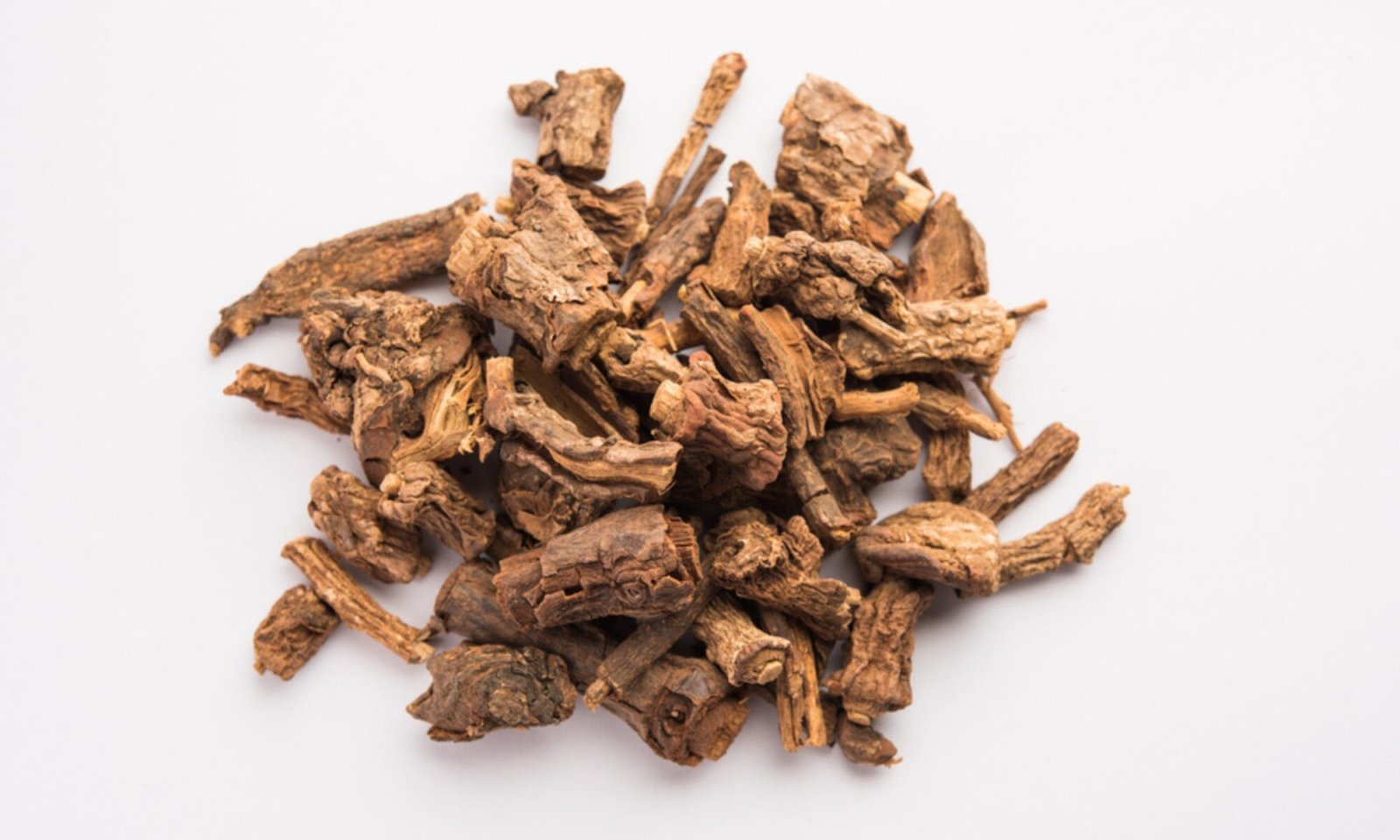
“Anantmool (Hemidesmus indicus), also known as Indian Sarsaparilla, is a twining perennial shrub native to South Asia and valued for its extensive use in traditional Indian medicine. It is highly valued in Ayurveda, Siddha, and Unani systems for its detoxifying, anti-inflammatory, and rejuvenating properties. Anantmool roots are fragrant and have been used for centuries in treating skin disorders, urinary issues, and as a blood purifier.

Anantmool Scientific Name

  • Kingdom: Plantae
  • Phylum: Angiosperms
  • Class: Eudicots
  • Order: Gentianales
  • Family: Apocynaceae
  • Genus: Hemidesmus
  • Species: Hemidesmus indicus (L.) R.Br. ex Schult.

Anantmool Common Name

  • English: Indian Sarsaparilla
  • Sanskrit: Anantmool, Sariva
  • Hindi: Anantmool
  • Tamil: Nannari
  • Telugu: Sugandhi-pala
  • Malayalam: Nannari
  • Kannada: Sogade beru
  • Marathi: Upalsari
  • Bengali: Anantamul

Traditional and Medicinal Uses

  • Blood Purifier – Widely used to cleanse the blood, treat skin conditions like eczema, acne, and chronic itching.
  • Anti-inflammatory and Detoxifier – Helps reduce internal inflammation and eliminate toxins from the body.
  • Skin Health – Used externally and internally for psoriasis, dermatitis, and wounds.
  • Hormonal Balance and Fertility – Traditionally used in female reproductive health for balancing hormones and treating infertility.
  • Antipyretic and Cooling Agent – Acts as a natural coolant and is effective in fevers, burning sensation, and gastritis.
  • Respiratory and Urinary Benefits – Helps in relieving bronchitis, chronic cough, and urinary tract infections.

References

    The Ayurvedic Pharmacopoeia of India, Part I, Vol. I. Ministry of AYUSH, Govt. of India.

    Nadkarni, K.M. (1976). Indian Materia Medica, Vol. 1. Popular Prakashan.

    Mukherjee, P.K. (2002). Quality Control of Herbal Drugs: An Approach to Evaluation of Botanicals. Business Horizons.

    Bhatt, P., et al. (2021). “A phytopharmacological review on Hemidesmus indicus (Anantmool): Traditional uses, pharmacological activities, and phytochemistry.” Journal of Ethnopharmacology, 267, 113503.

    Sivarajan, V.V., & Balachandran, I. (1994). Ayurvedic Drugs and Their Plant Sources. Oxford & IBH Publishing Co.

    European Medicines Agency (EMA). Community Herbal Monograph on Hemidesmus indicus Root.

    Indian Herbal Pharmacopoeia, Revised Edition (2002), Indian Drug Manufacturers’ Association and Regional Research Laboratory.

Nishoth (Operculina turpethum)

Nishoth (Operculina turpethum)

“Nishoth (Operculina turpethum) is a well-known herb in Ayurvedic medicine, valued for its strong purgative action. It is a perennial, twining herbaceous plant that belongs to the Convolvulaceae family. The root of the plant, especially the white variety, is widely used for therapeutic purposes including detoxification, treatment of constipation, liver disorders, and as a blood purifier.”

Scientific Classification

  • Kingdom: Plantae
  • Phylum: Angiosperms
  • Class: Eudicots
  • Order: Solanales
  • Family: Convolvulaceae
  • Genus: Operculina
  • Species: Operculina turpethum (L.) Silva Manso

Common Names

  • English: Turpeth Root / Indian Jalap
  • Sanskrit: Trivrit, Teekshna Trivrit
  • Hindi: Nishoth, Tarbel
  • Gujarati: Nisot
  • Tamil: Sivathai
  • Telugu: Tegada
  • Bengali: Nishoth
  • Marathi: Nishottar

Traditional and Medicinal Uses

  • Laxative and Purgative – The root acts as a strong purgative, useful in treating chronic constipation, ascites, and abdominal distension.
  • Liver Health – Used in conditions like jaundice and hepatitis due to its hepatoprotective and cholagogue action.
  • Skin and Blood Disorders – Acts as a blood purifier, used in treatment of eczema, acne, and other skin diseases..
  • Anti-inflammatory and Analgesic – Helpful in managing joint inflammation, gout, and arthritis.

References

    The Ayurvedic Pharmacopoeia of India, Part I, Vol. 1, Govt. of India, Ministry of AYUSH, New Delhi.

    Nadkarni, K.M. (1976). Indian Materia Medica, Vol 1, Popular Prakashan, Mumbai.

    Anonymous (2001). Quality Standards of Indian Medicinal Plants, Vol. 2, ICMR, New Delhi.

    Sharma, P.C., Yelne, M.B., & Dennis, T.J. (2001). Database on Medicinal Plants Used in Ayurveda, Vol. 4, CCRAS, New Delhi.

    Gupta, R.K., & Tandon, N. (2004). Reviews on Indian Medicinal Plants, Vol. 3, ICMR, New Delhi.

    Singh, S., & Kumar, S. (2012). “Pharmacognostical and Phytochemical Evaluation of Operculina turpethum.” International Journal of Pharmaceutical Sciences Review and Research, 14(1), 104-108.

    Goyal, M., Nagori, B.P., & Sasmal, D. (2011). “Phytopharmacological review on Operculina turpethum.” Asian Journal of Plant Sciences, 10(6), 390-395.

    European Pharmacopoeia, 10th Edition, Council of Europe.

Follow us @polycareherbal

0
    0
    Your Cart
    Your cart is emptyReturn to Shop