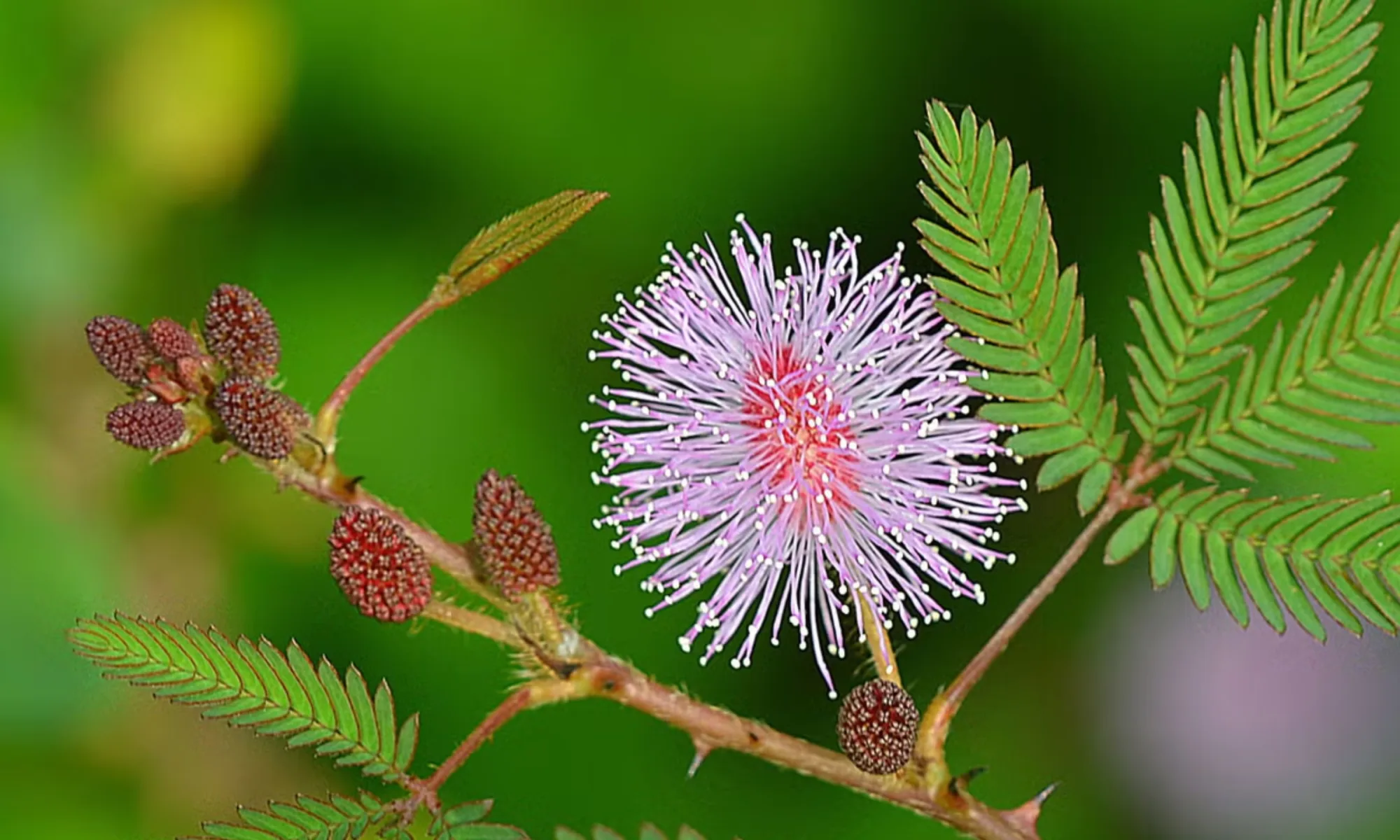
Lajaloo Mool (Mimosa pudica), also known as the “Touch-Me-Not” plant, is a creeping, herbaceous plant known for its sensitive leaflets that fold when touched. Belonging to the Fabaceae family, it grows widely across tropical regions and is revered in traditional medicine, especially Ayurveda, for its astringent, anti-inflammatory, wound-healing, and anti-diarrheal properties. Its root, known as Lajaloo Mool, is particularly used for treating piles, uterine disorders, diarrhea, and wounds.
Mimosa pudica Scientific Name
- Kingdom: Plantae
- Phylum: Angiosperms
- Class: Eudicots
- Order: Fabales
- Family: Fabaceae
- Genus: Mimosa
- Species: Mimosa pudica
Mimosa pudica Common Name
- English: Sensitive Plant, Touch-Me-Not
- Sanskrit: Lajjalu, Namaskari
- Hindi: Lajwanti
- Tamil: Thotta-sinni
- Telugu: Attapatti
- Marathi: Lajalu
- Malayalam: Thottavadi
- Kannada: Muttidare Muni
Mimosa pudica Uses
- Piles and Hemorrhoids – The root decoction or paste is applied or consumed for its astringent action to shrink piles and stop bleeding.
- Diarrhea and Dysentery – Traditionally used as an antidiarrheal agent due to its tannin-rich content which helps reduce intestinal inflammation.
- Wound Healing – Fresh paste or extract is applied topically to accelerate wound healing, reduce infection, and control bleeding.
- Gynecological Uses – Employed in managing excessive menstrual bleeding, leucorrhea, and other uterine disorders.
- Anti-inflammatory and Anti-arthritic – The plant possesses analgesic and anti-inflammatory properties helpful in managing joint pain and arthritis.
- Antimicrobial and Antioxidant – Exhibits broad-spectrum antimicrobial action and neutralizes oxidative stress through its phytochemical profile.
Phytochemical Constituents
References
Ayurvedic Pharmacopoeia of India, Govt. of India, Vol. I, Part I.
Sharma, P.V. (1998). Dravyaguna Vijnana, Vol. II, Chaukhambha Bharati Academy, Varanasi.
The Wealth of India: A Dictionary of Indian Raw Materials and Industrial Products. (2001). Raw Materials, Vol. 6, CSIR, New Delhi.
Rajalakshmi, D. et al. (2012). “Phytochemical and pharmacological properties of Mimosa pudica: A review.” International Journal of Pharmaceutical Sciences Review and Research, 15(2), 41-44.
Chatterjee, A. & Pakrashi, S.C. (1997). The Treatise on Indian Medicinal Plants, Vol. 4, NISCAIR-CSIR, New Delhi.
Mishra, S. et al. (2011). “Phytochemical investigation and evaluation of anti-inflammatory activity of Mimosa pudica Linn.” Asian Pacific Journal of Tropical Biomedicine, 1(6), 426–429.
European Pharmacopoeia (10th Edition), Council of Europe
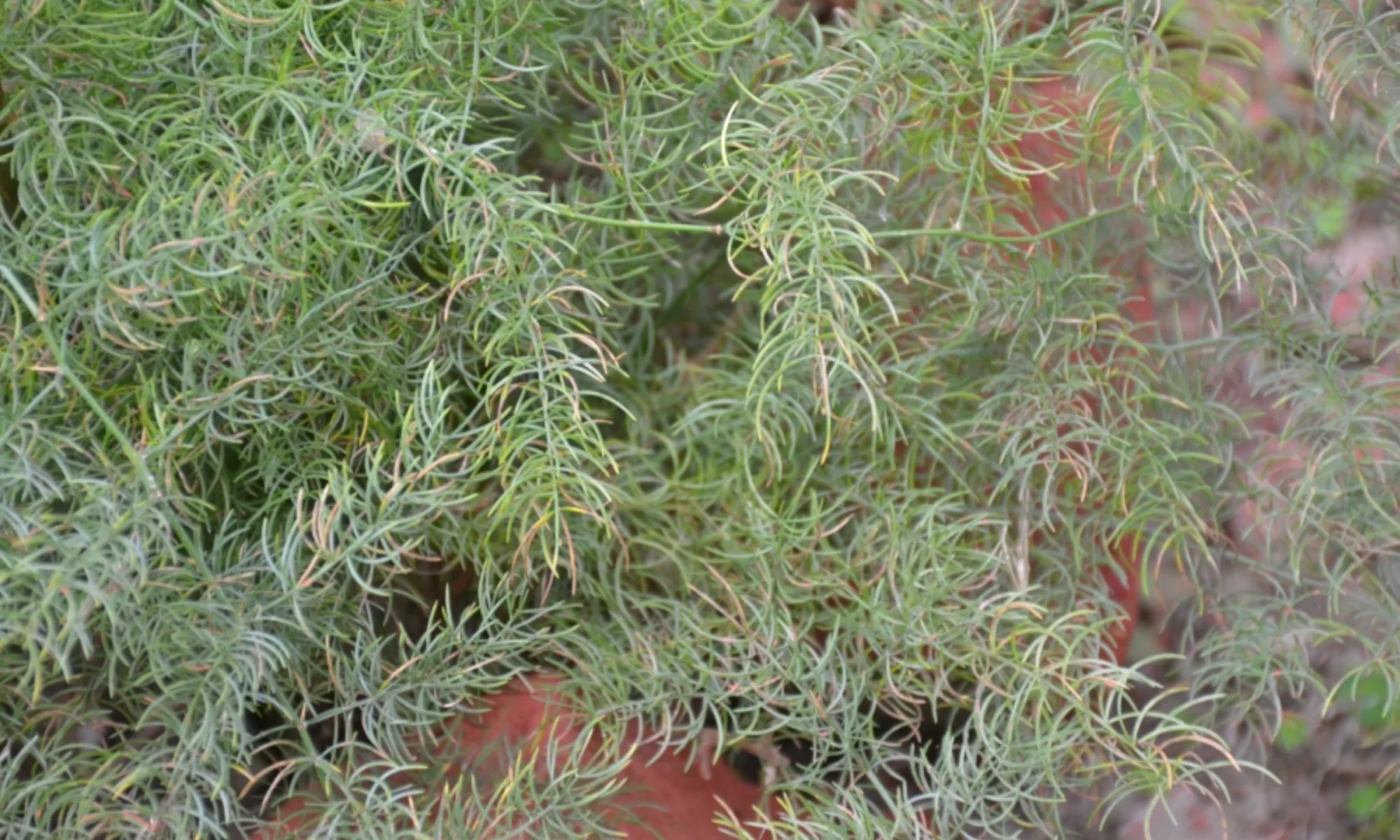
Musli (Asparagus adscendens) is a renowned medicinal herb in Ayurveda known for its aphrodisiac, adaptogenic, and rejuvenating properties. It belongs to the Asparagaceae family and is traditionally used as a strength enhancer, particularly in managing male infertility, debility, and as a general health tonic. The root tubers are the most used part in medicinal formulations.
Scientific Classification
- Kingdom: Plantae
- Phylum: Angiosperms
- Class: Monocots
- Order: Asparagales
- Family: Asparagaceae
- Genus: Asparagus
- Species: Asparagus adscendens
Common Names
- English: White Musli
- Sanskrit: Shweta Musli
- Hindi: Safed Musli
- Gujarati: Safed Musli
- Marathi: Safed Musli
- Telugu: Tella Musali
- Tamil: Vellaikkirampu
- Kannada: Bili Musli
- Malayalam: Vella Musli
Traditional and Medicinal Uses
- Reproductive Health – Improves sperm count and motility. Used in formulations for erectile dysfunction and low libido. Enhances sexual stamina and vigor.
- Adaptogenic and Strength Enhancer – Acts as a Rasayana, promoting overall strength and stamina. Beneficial in managing chronic fatigue syndrome and weakness.
- Women’s Health – Supports lactation and is used in postpartum care. Aids in menstrual health and hormonal balance.
- Immune and Digestive Health – Enhances immune response.
Phytochemical Constituents
Musli contains a wide range of biologically active compounds that contribute to its therapeutic efficacy:
- Saponins – Shatavarins, Asparagosides
- Alkaloids
- Starch
- Mucilage
- Flavonoids – Kaempferol, Quercetin
- Polysaccharides
- Glycosides
- Tannins
References
Ayurvedic Pharmacopoeia of India, Part I, Vol. VI, Govt. of India, Ministry of AYUSH.
Sharma, P. V. (1996). Dravyaguna Vigyan, Vol. II. Chaukhambha Bharati Academy, Varanasi.
Chauhan, N. S., & Dixit, V. K. (2008). “Effects of Asparagus adscendens on sexual behavior of male rats.” Phytotherapy Research, 22(4), 445-449.
Ali, M. (2008). Textbook of Pharmacognosy. CBS Publishers, New Delhi.
Goyal, R. K., Singh, J., & Lal, H. (2003). “Asparagus adscendens: Ethnobotany and biological activities.” Journal of Ethnopharmacology, 89(2–3), 287–291.
Indian Medicinal Plants Database (IMP), Central Council for Research in Ayurvedic Sciences (CCRAS), Ministry of AYUSH.
Chatterjee, A., & Pakrashi, S.C. (1997). The Treatise on Indian Medicinal Plants, Vol. 3. CSIR, New Delhi.
European Pharmacopoeia, Council of Europe.
Kapoor, L. D. (2001). Handbook of Ayurvedic Medicinal Plants. CRC Press.
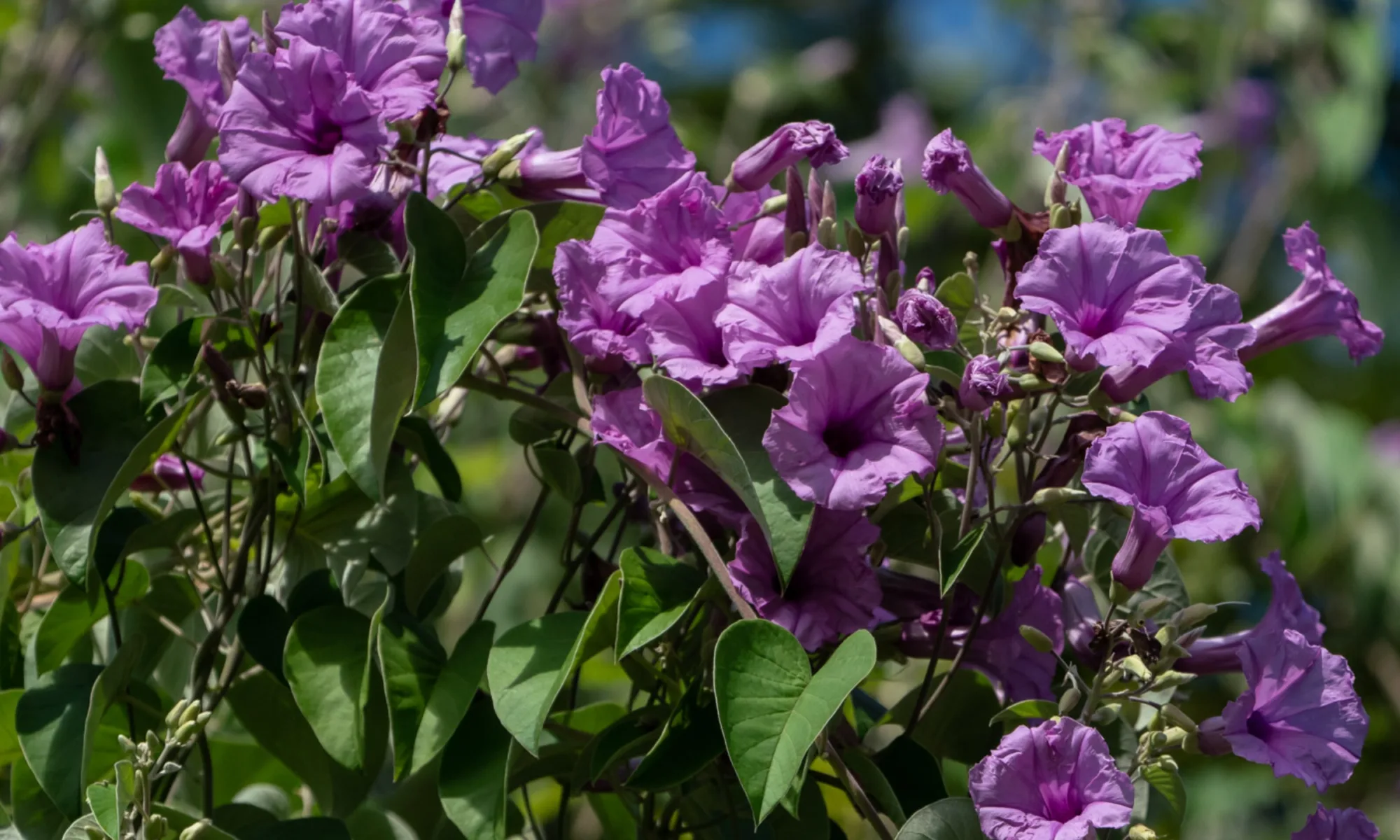
Vidarikand (Ipomoea digitata) is a medicinal plant widely used in traditional Ayurvedic medicine as a rejuvenative, aphrodisiac, and galactagogue. Belonging to the Convolvulaceae family, it is a large, tuberous, climbing herb known for its starchy tubers, which are rich in carbohydrates and medicinal phytoconstituents. The plant plays an important role in treating general debility, sexual weakness, and improving lactation in women
Vidarikand Scientific Name
- Kingdom: Plantae
- Phylum: Angiosperms
- Class: Eudicots
- Order: Solanales
- Family: Convolvulaceae
- Genus: Ipomoea
- Species: Ipomoea digitata L.
Vidarikand Common Name
- English: Indian Kudzu, Elephant Creeper
- Sanskrit: Vidari, Bhumi Kshira
- Hindi: Vidarikand
- Marathi: Vidarikand
- Tamil: Takkarai
- Telugu: Vidari Kanda
- Malayalam: Kshiravidari
- Kannada: Bidiragumbala
Vidarikand Uses
- Fertility Enhancer – Used to enhance male reproductive health by increasing libido and sperm count.
- Galactagogue (Lactation Enhancer) – Promotes breast milk production in postpartum women.
- Anti-inflammatory and Antioxidant – Tubers contain compounds with anti-inflammatory action. Helps reduce swelling and internal inflammation.
- Urinary Health – Mild diuretic; supports kidney function and helps in clearing urinary tract infections.
Phytochemical Constituents
The medicinal activity of Ipomoea digitata is attributed to its rich profile of bioactive compounds, especially from its tubers.
- Starch & Sugars: High carbohydrate content (nutritive value)
- Steroids: β-sitosterol, stigmasterol
- Flavonoids: Quercetin, Kaempferol
- Alkaloids: E.g., Convolvine-type alkaloids
- Triterpenoids: Lupeol
- Tannins: Mild astringent properties
- Proteins & Amino Acids: Building blocks for tissue repair
- Phenolic compounds: Antioxidant activity
References
Ayurvedic Pharmacopoeia of India (API), Part I, Vol. III – Government of India, Ministry of AYUSH.
Nadkarni, K.M. (1976). Indian Materia Medica, Vol. 1. Popular Prakashan.
Sharma, P.V. (2006). Dravyaguna Vijnana (Materia Medica-Vegetable Drugs). Chaukhambha Bharati Academy.
Anonymous (2008). Quality Standards of Indian Medicinal Plants, Vol. 6. ICMR, New Delhi.
Singh, M., & Rao, M.M. (2012). “Pharmacognostical and phytochemical evaluation of Ipomoea digitata tuber.” International Journal of Pharmaceutical Sciences Review and Research, 16(2): 39-42.
Prajapati, N.D., Purohit, S.S., Sharma, A.K., Kumar, T. (2003). A Handbook of Medicinal Plants. Agrobios.
Chatterjee, A., & Pakrashi, S.C. (1997). The Treatise on Indian Medicinal Plants, Vol. 3. CSIR, New Delhi.
European Pharmacopoeia, 10th Edition, Council of Europe.
Reddy, P.S. et al. (2010). “Therapeutic potential of Ipomoea digitata in Ayurveda: A review.” Journal of Global Pharma Technology, 2(4): 10–14.
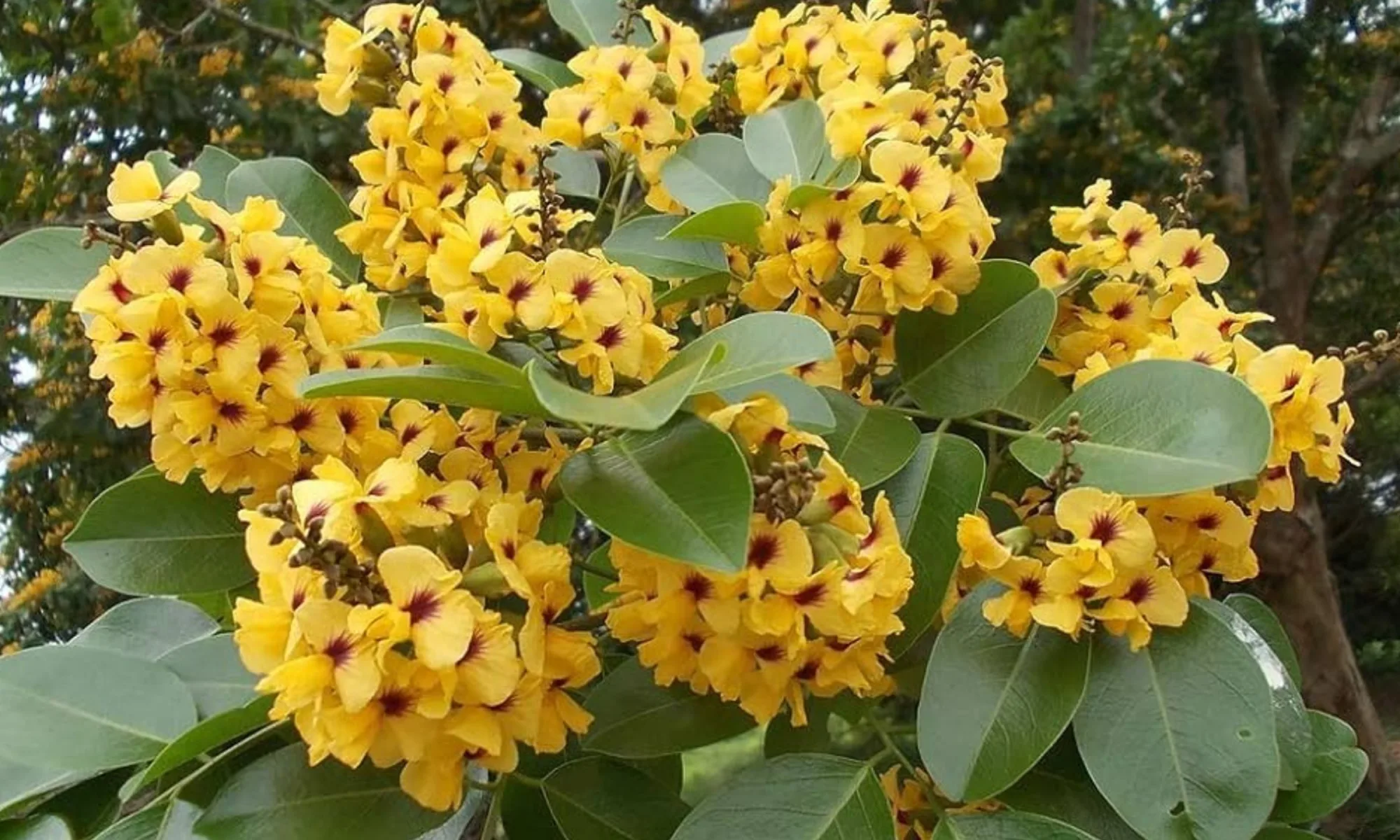
Raktachandan (Pterocarpus santalinus), also known as Red Sandalwood, is a precious medicinal tree native to southern India. Unlike the aromatic white sandalwood (Santalum album), red sandalwood is non-aromatic but highly valued in Ayurvedic and Siddha medicine for its anti-inflammatory, skin-healing, and blood-purifying properties. It belongs to the Fabaceae family and is widely used in cosmetic, dermatological, and therapeutic preparations.
Red Sandalwood Scientific Name
- Kingdom: Plantae
- Phylum: Angiosperms
- Class: Eudicots
- Order: Fabales
- Family: Fabaceae
- Genus: Pterocarpus
- Species: Pterocarpus santalinus
Pterocarpus santalinus Common Name
- English: Red Sandalwood, Red Sanders
- Sanskrit: Raktachandan, Rakta Sarja
- Hindi: Lal Chandan
- Tamil: Sivappu Chandanam
- Telugu: Erra Chandanam
- Kannada: Kempu Gandha
- Malayalam: Chuvanna Chandanam
- Marathi: Raktachandan
RAKTACHANDAN Uses
- Skin Disorders and Beauty Care – Used in face packs and lepas to reduce acne, blemishes, pigmentation, and improve skin complexion, Treats eczema, rashes, boils, and wounds with its antibacterial and soothing effects.
- Blood Purification – Acts as a raktashodhak (blood purifier) and supports detoxification. Often used in decoctions to treat chronic skin diseases and inflammatory conditions.
- Anti-inflammatory & Analgesic – Reduces joint inflammation, swelling, and arthritic pain. Applied externally for muscle aches and injuries.
- Antipyretic and Hepatoprotective – Traditionally used to manage fever, liver disorders, and urinary issues.
Phytochemical Constituents
Pterocarpus santalinus contains several important bioactive compounds that support its medicinal value:
- Flavonoids: Santalin A & B, Liquiritigenin
- Phenolics: Pterostilbene, Isoflavones
- Lignans: Savinin
- Terpenoids: β-eudesmol, α-santalene
- Steroids: β-sitosterol
- Tannins and Saponins
References
Ayurvedic Pharmacopoeia of India (API), Govt. of India, Part I, Vol. IV.
Nadkarni, K.M. (2000). Indian Materia Medica, Vol 1. Popular Prakashan, Mumbai.
Shah, G.L. (1996). Flora of Gujarat State. Vol. II. Sardar Patel University, Gujarat.
Chauhan, N.S., & Dixit, V.K. (2007). “Hepatoprotective activity of Pterocarpus santalinus against paracetamol-induced liver damage in rats.” Fitoterapia, 78(6), 530–532.
Rao, R.V., & Rajput, K.S. (2009). “Pterocarpus santalinus – A rare medicinal plant with high pharmacological potential: A review.” Journal of Herbal Medicine and Toxicology, 3(2), 49–55.
Kapoor, L.D. (2001). Handbook of Ayurvedic Medicinal Plants. CRC Press, Florida.
Council of Scientific and Industrial Research (CSIR). (1956). The Wealth of India: A Dictionary of Indian Raw Materials and Industrial Products, Vol. VIII. Publication and Information Directorate, New Delhi.
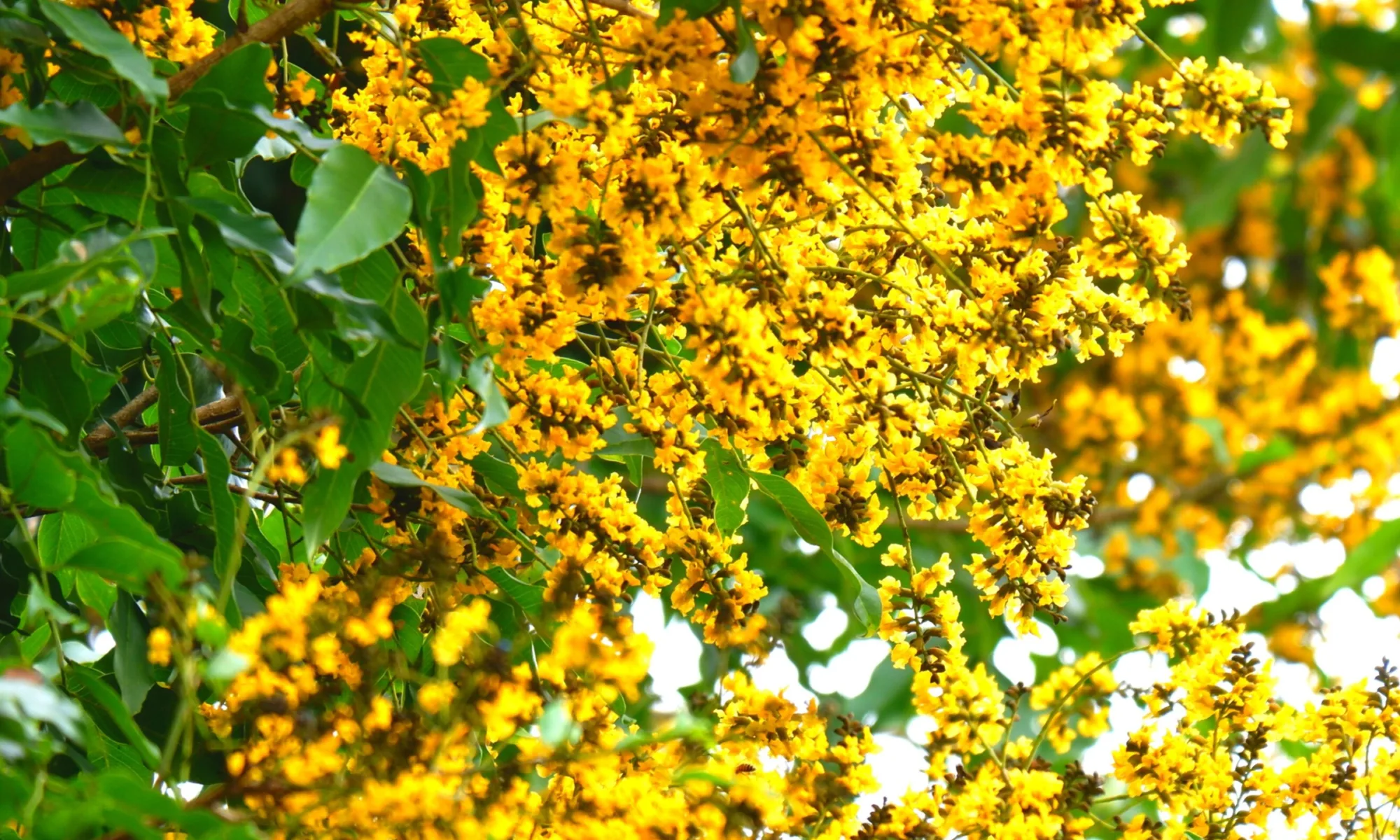
Pterocarpus marsupium, commonly known as Bijsar or Indian Kino Tree, is a deciduous tree native to India and parts of Sri Lanka and Nepal. It belongs to the Fabaceae family and is widely recognized in Ayurveda for its potent antidiabetic, anti-inflammatory, and antioxidant properties. The heartwood is especially valued for its use in managing diabetes mellitus, while the bark, leaves, and gum are also used for various traditional remedies.
Pterocarpus marsupium Scientific Name
- Kingdom: Plantae
- Phylum: Angiosperms
- Class: Eudicots
- Order: Fabales
- Family: Fabaceae
- Genus: Pterocarpus
- Species: Pterocarpus marsupium Roxb.
Pterocarpus marsupium Common Name
- English: Indian Kino Tree, Malabar Kino
- Sanskrit: Vijaysar, Asana
- Hindi: Bijasar, Bijasar
- Gujarati: Bavasar
- Tamil: Vengai
- Telugu: Vegisa
- Marathi: Bibla
- Malayalam: Venga
Pterocarpus marsupium Uses
- Antidiabetic Action – The heartwood is traditionally used in the form of wooden tumblers or decoctions to reduce blood sugar levels in Type 2 diabetes.
- Cardiovascular Health – Contains flavonoids that strengthen blood vessels and improve circulation, Used to reduce cholesterol levels and improve lipid profiles.
- Anti-inflammatory and Analgesic – The bark and heartwood extract have been used to reduce swelling and pain, especially in rheumatic conditions.
- Wound Healing – Gum and bark paste are applied to chronic ulcers and wounds for faster healing.
Phytochemical Constituents
Pterocarpus marsupium is known for its high content of medicinally active constituents, particularly in its heartwood. Major phytochemicals include:
- Flavonoids: Marsupsin, Pterosupin, Liquiritigenin
- Triterpenoids: Betulinic acid
- Polyphenols: Epicatechin
- Gums and Tannins: Kinotannic acid
- Lignans and Steroids: Sitosterol
References
Ayurvedic Pharmacopoeia of India (API), Govt. of India, Vol. 2, Part 1.
Nadkarni, K.M. (1976). Indian Materia Medica, Vol. 1. Bombay: Popular Prakashan.
Chopra, R.N., Nayar, S.L., & Chopra, I.C. (1956). Glossary of Indian Medicinal Plants. CSIR, New Delhi.
Grover, J.K., Yadav, S., & Vats, V. (2002). “Medicinal plants of India with anti-diabetic potential.” Journal of Ethnopharmacology, 81(1), 81–100.
Rathi, B., Bodhankar, S., & Baheti, A. (2004). “Evaluation of antidiabetic and antioxidant efficacy of Pterocarpus marsupium Roxb.” Indian Journal of Pharmacology, 36(4), 238-242.
Warrier, P.K., Nambiar, V.P.K., & Ramankutty, C. (1995). Indian Medicinal Plants: A Compendium of 500 Species, Vol. 4. Orient Longman Ltd.
Indian Herbal Pharmacopoeia, (2002). Published by Indian Drug Manufacturers’ Association (IDMA), Mumbai.
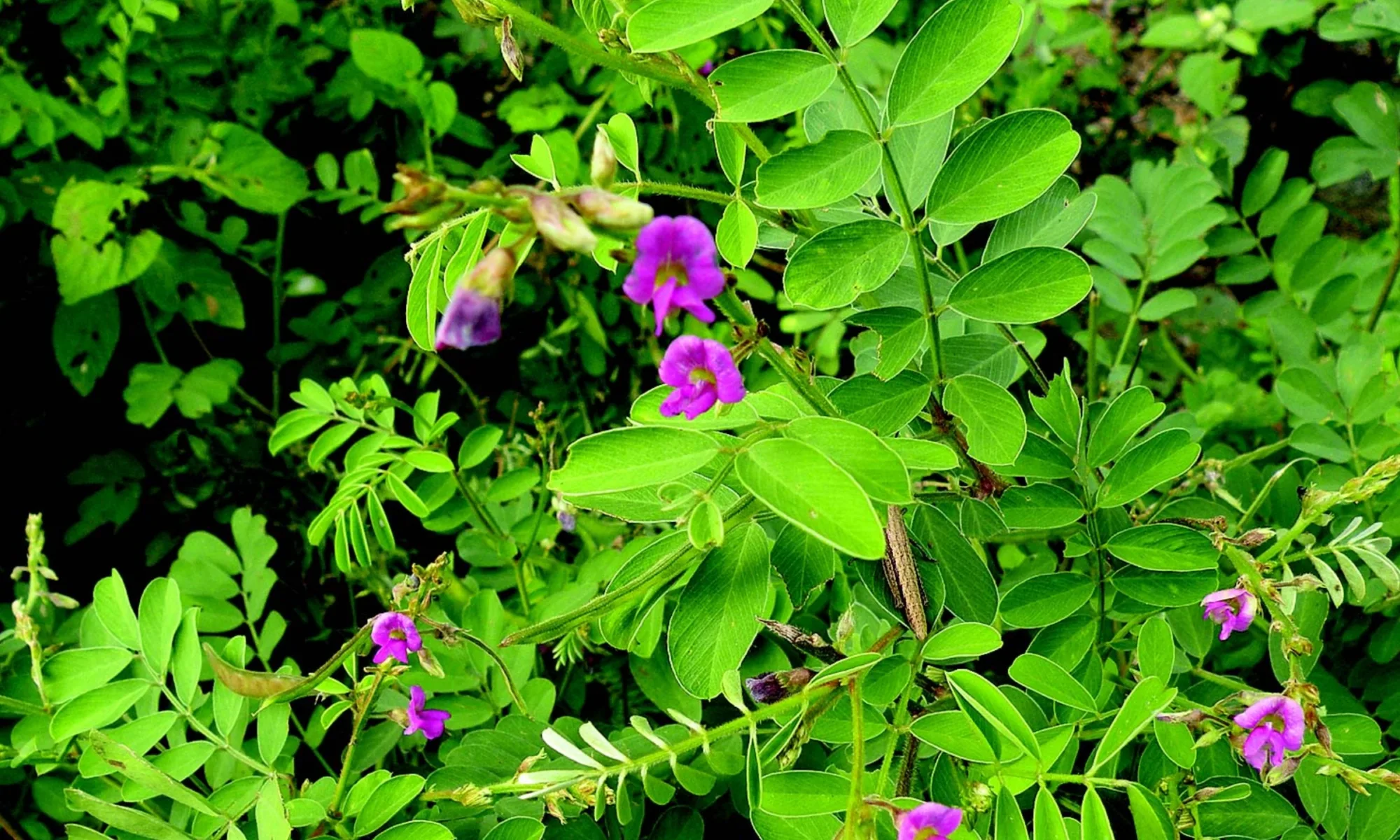
Sarpankha (Tephrosia purpurea) is a perennial herb or small shrub commonly used in traditional Ayurvedic medicine. It belongs to the Fabaceae family and is known for its liver-protective, anti-inflammatory, and wound-healing properties. It is widely distributed throughout India and is often found in dry regions. Sarpankha has long been used as a blood purifier and to treat skin and liver conditions.
Tephrosia purpurea Scientific Name
- Kingdom: Plantae
- Phylum: Angiosperms
- Class: Eudicots
- Order: Fabales
- Family: Fabaceae
- Genus: Tephrosia
- Species: Tephrosia purpurea
Tephrosia purpurea Common Name
- English: Purple Tephrosia, Wild Indigo
- Sanskrit: Sarpankha, Sharpunkha
- Hindi: Sarphoka, Sharpunkha
- Tamil: Kolunchi
- Telugu: Vempali
- Kannada: Kolasige
- Bengali: Sarpankho
Traditional and Medicinal Uses
- Liver Health – Traditionally used to treat hepatitis, liver cirrhosis, and enlarged liver, Acts as a hepatoprotective agent, aiding in liver detoxification and bile secretion.
- Skin Disorders – Beneficial in treating eczema, dermatitis, and wounds, The paste of leaves is applied externally for itching and swelling.
- Anti-inflammatory and Analgesic – Used to relieve pain, inflammation, and swelling in conditions like rheumatism.
- Blood Purification – Used as a Raktashodhak (blood purifier) in Ayurvedic texts.
- Respiratory Disorders – Used to alleviate symptoms of asthma and chronic bronchitis.
Phytochemical Constituents
References
The Ayurvedic Pharmacopoeia of India, Part I, Volume II, Govt. of India, Ministry of AYUSH.
Kirtikar, K.R., & Basu, B.D. (1935). Indian Medicinal Plants, Vol. II. Bishen Singh Mahendra Pal Singh, Dehradun.
Nadkarni, K.M. (1976). Indian Materia Medica, Vol. I. Bombay Popular Prakashan.
Chopra, R.N., Nayar, S.L., & Chopra, I.C. (1956). Glossary of Indian Medicinal Plants. CSIR, New Delhi.
Ahmed, F., & Urooj, A. (2010). “Hepatoprotective effects of Tephrosia purpurea on carbon tetrachloride-induced liver damage in rats.” Iranian Journal of Pharmacology and Therapeutics, 9(2), 45–49.
Rathi, B., Bodhankar, S.L., & Baheti, A.M. (2006). “Evaluation of aqueous leaf extract of Tephrosia purpurea for hepatoprotective activity in rats.” Indian Journal of Pharmacology, 38(1), 25–28.
European Medicines Agency. Herbal Monograph on Tephrosia purpurea. Committee on Herbal Medicinal Products (HMPC), 2020.
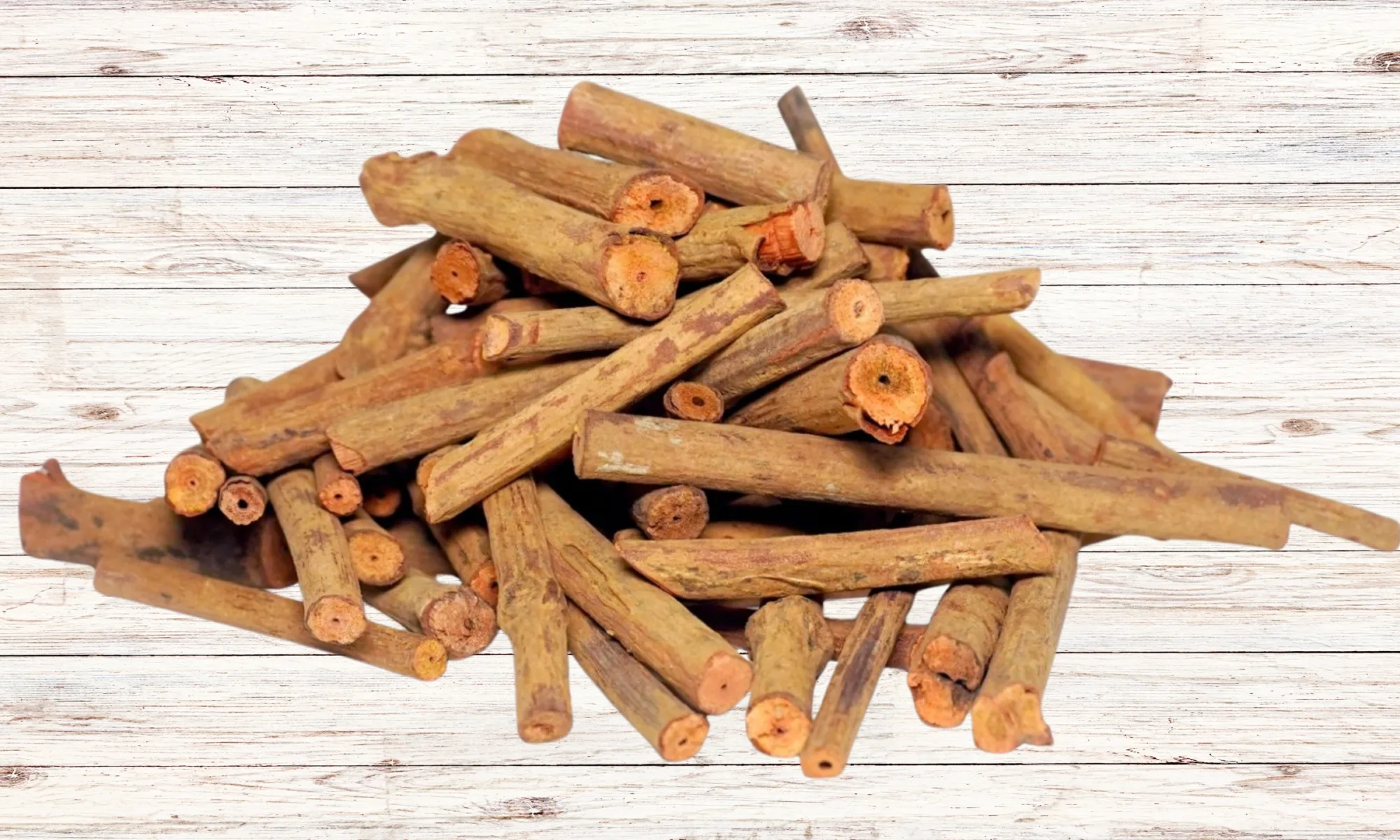
Manjistha (Rubia cordifolia), commonly known as Indian Madder, is a perennial, climbing herb belonging to the Rubiaceae family. It is extensively used in Ayurvedic medicine for blood purification, detoxification, and treating various skin disorders. The main portions used for therapeutic purposes are the red-colored roots and stems. It has hepatoprotective, anti-inflammatory, antioxidant, and anti-acne qualities.
MANJISTHA Scientific Name
- Kingdom: Plantae
- Phylum: Tracheophyta
- Class: Magnoliopsida
- Order: Gentianales
- Family: Rubiaceae
- Genus: Rubia
- Species: Rubia cordifolia
MANJISTHA Common Name
- English: Indian Madder
- Sanskrit: Manjistha, Raktanga, Samanga
- Hindi: Manjith
- Tamil: Manditti
- Telugu: Tamravalli
- Malayalam: Manjatti
- Kannada: Manjishte
- Bengali: Manjith
MANJISTHA Uses
- Blood Purifier – Supports detoxification of blood and liver, Used to manage chronic skin conditions like eczema, psoriasis, and acne.
- Anti-inflammatory & Wound Healing – Helps reduce inflammation, swelling, and supports wound healing.
- Reproductive & Urinary System – Useful in managing menstrual disorders and urinary tract infections.
- Antioxidant Support – Protects tissues from oxidative stress, delays aging processes.
Phytochemical Constituents
Rubia cordifolia is rich in a wide range of bioactive compounds responsible for its therapeutic effects:
- Anthraquinones: Rubiadin, Purpurin, Alizarin, Munjistin
- Naphthoquinones: Deoxyerythrolaccin
- Iridoids: Asperulosidic acid, Geniposidic acid
- Triterpenoids: Rubiprasins A and B
- Others: Tannins, Saponins, Glycosides, Resins
References
Ayurvedic Pharmacopoeia of India, Part I, Vol. I, Govt. of India, Ministry of AYUSH.
Sharma, P. V. (2001). Dravyaguna Vijnana (Materia Medica-Vegetable Drugs), Vol. 2. Chaukhambha Bharati Academy.
Kaur, S., & Michael, H. (2014). “Pharmacognostic and phytochemical studies on Rubia cordifolia L. (Indian Madder).” International Journal of Pharmacy and Pharmaceutical Sciences, 6(5), 631-636.
Singla, A. K., & Pathak, K. (1990). “Anti-inflammatory studies on extracts of Rubia cordifolia L.” Indian Journal of Pharmacology, 22(1), 9–11.
European Medicines Agency. (2022). Community Herbal Monograph on Rubia cordifolia L., radix.
Bhatt, A., & Pandey, A. (2020). “A comprehensive review on Rubia cordifolia L.: A potential medicinal plant.” Journal of Ethnopharmacology, 253, 112624.
Nadkarni, K. M. (2007). Indian Materia Medica, Vol. 1. Popular Prakashan.



 My Account


