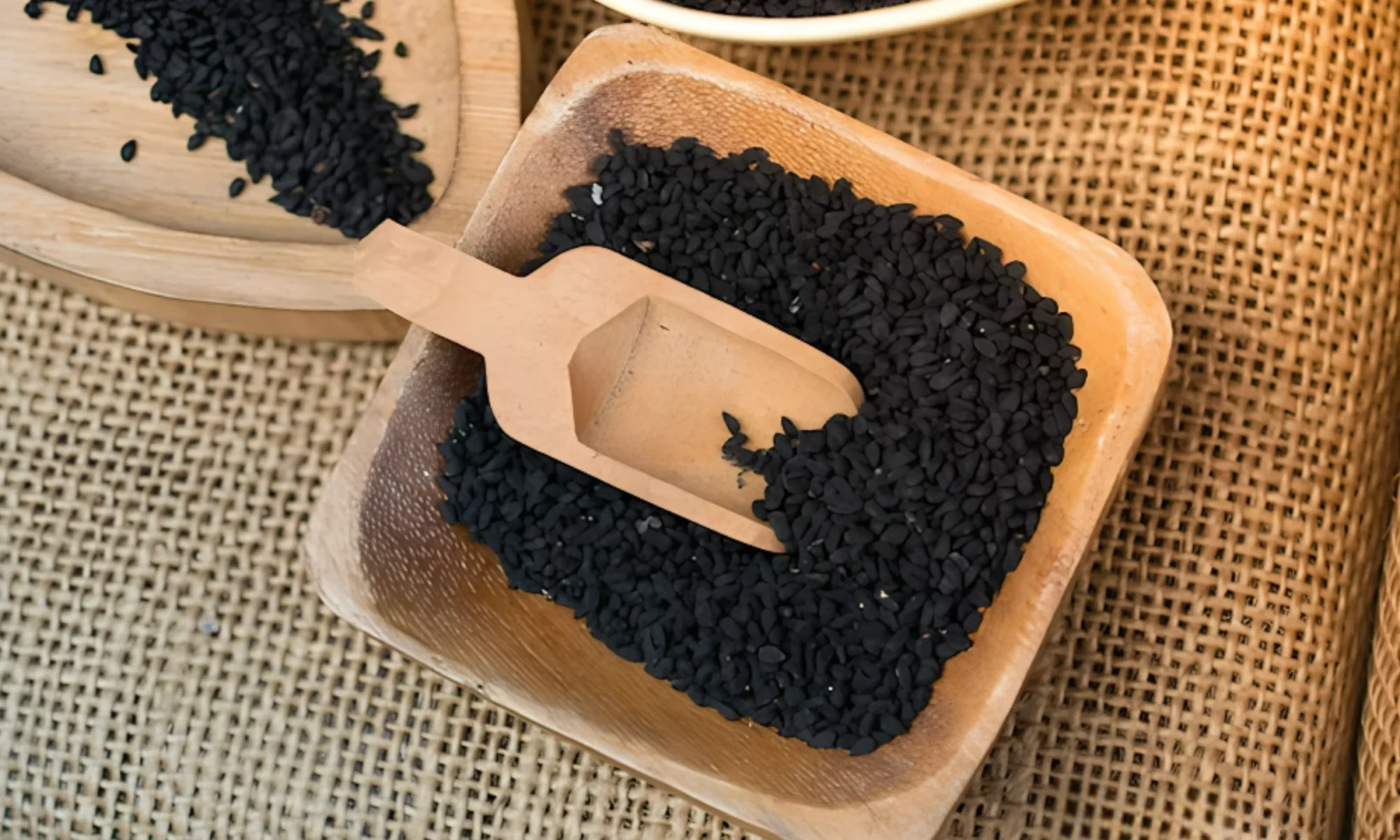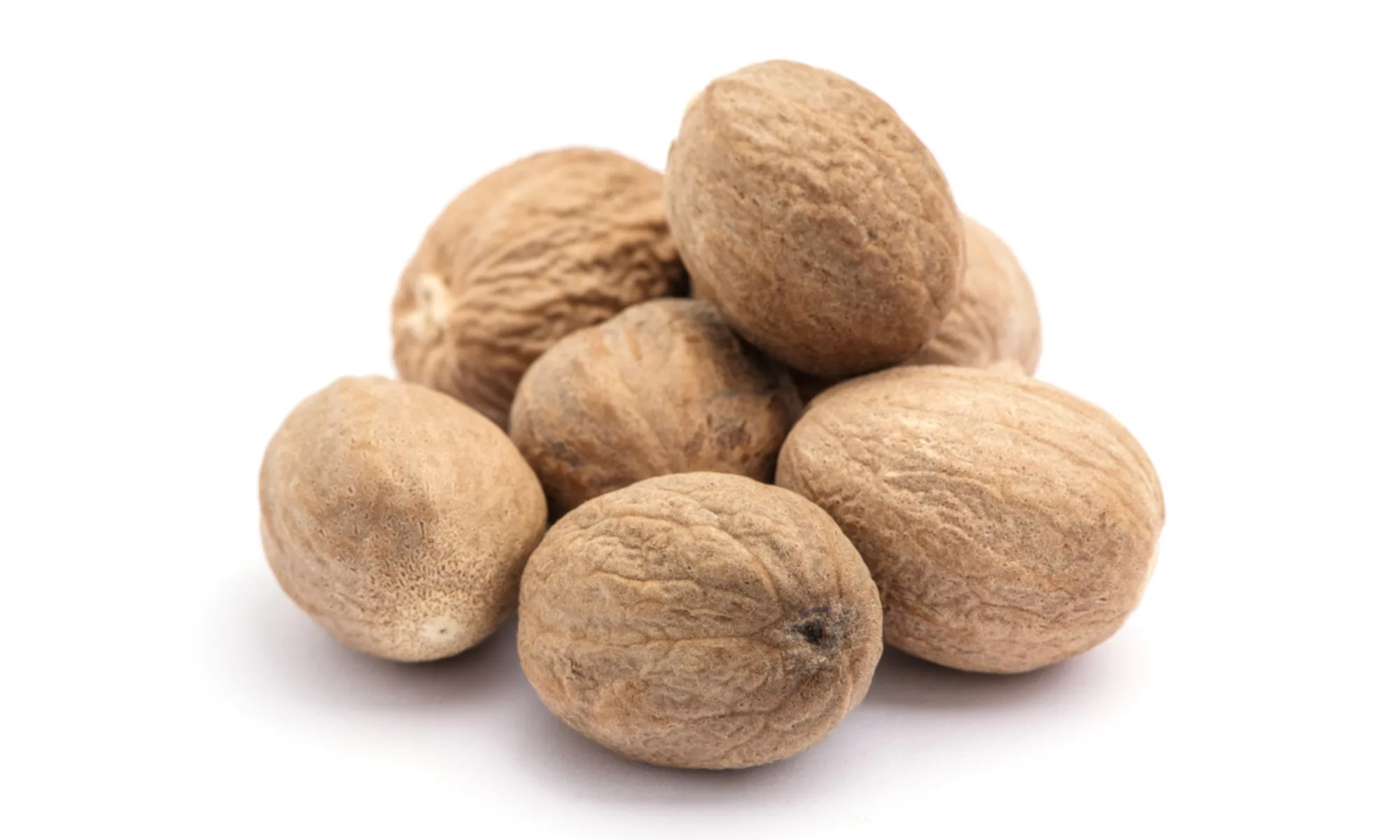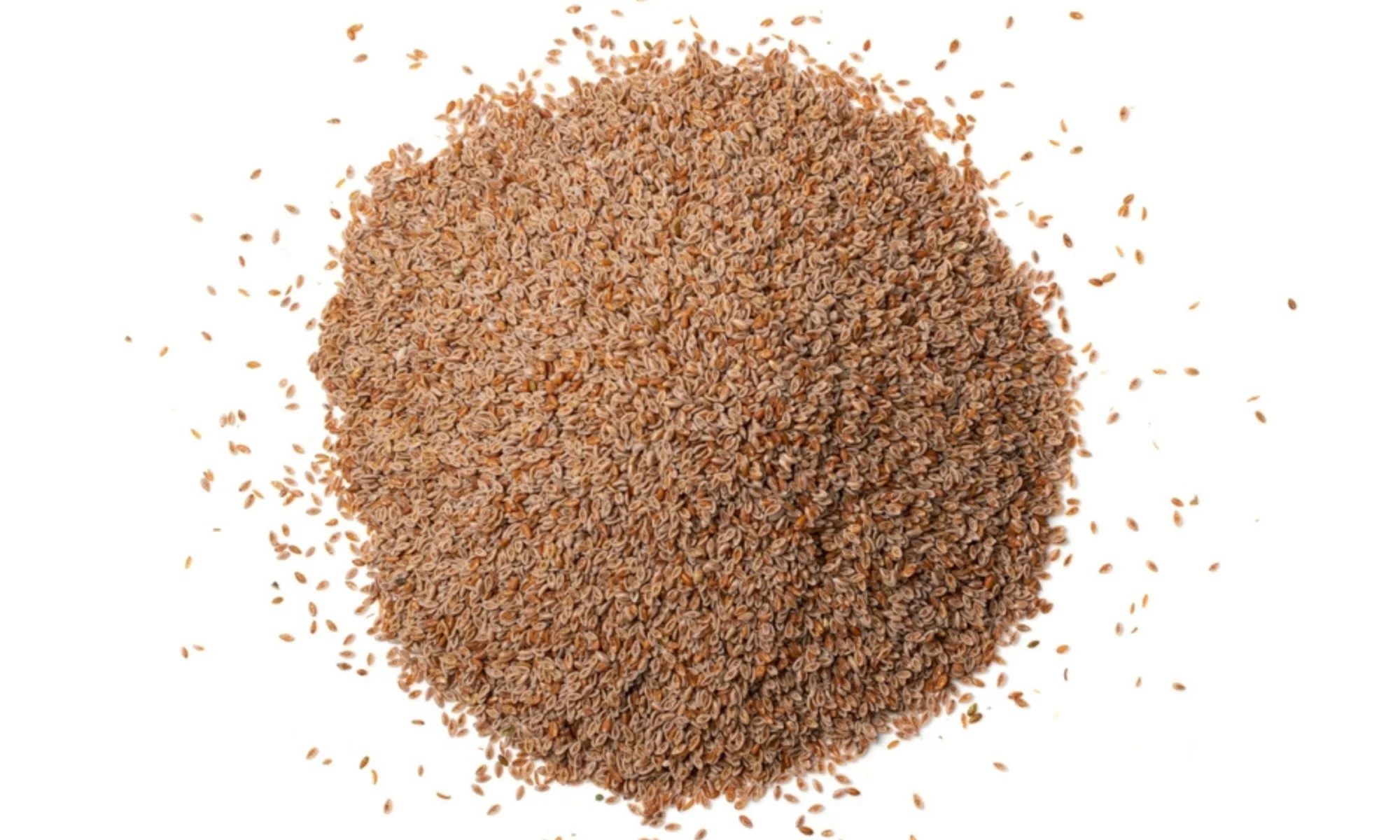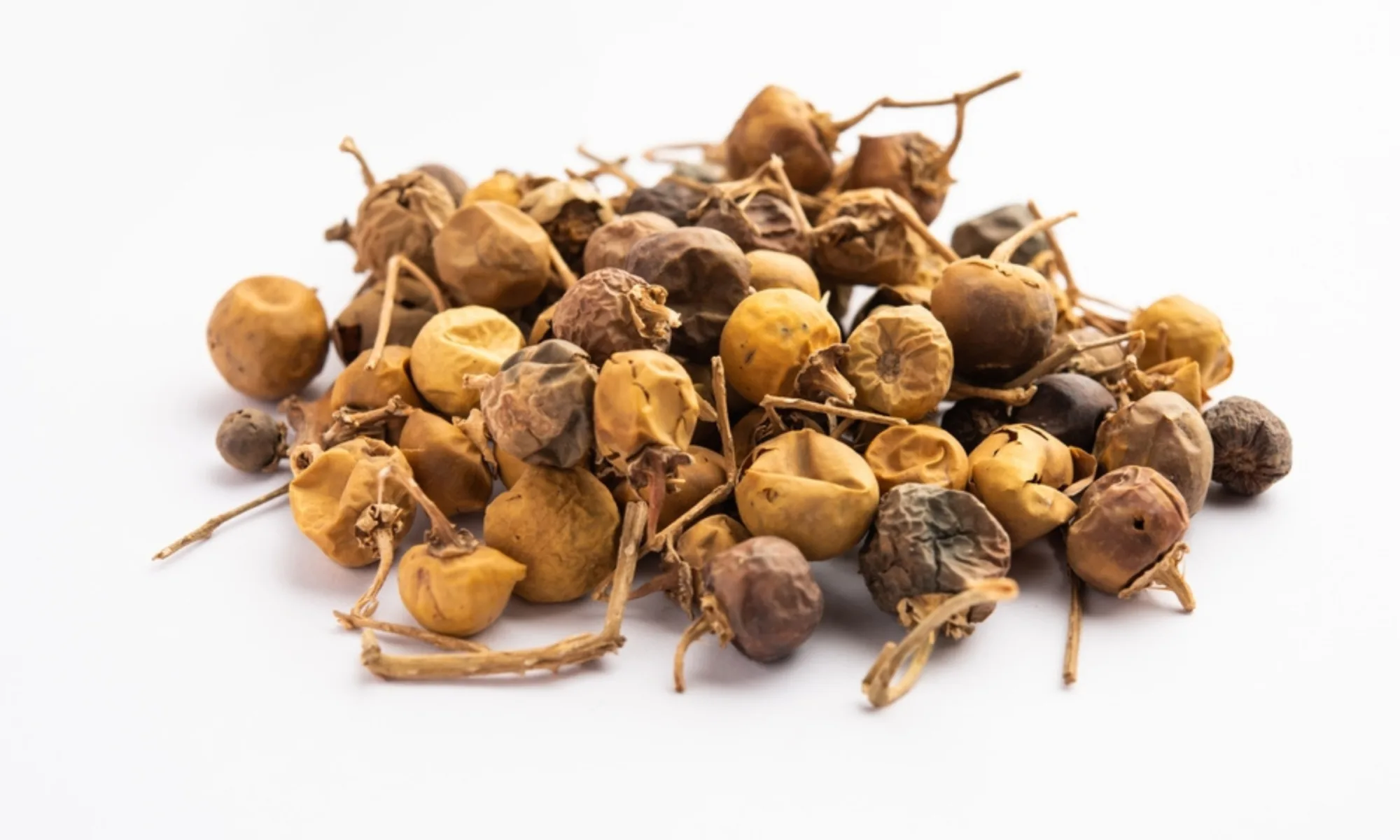
Kantkari (Solanum xanthocarpum) is a spiny, perennial herb or small shrub found in dry plains, often used in Ayurvedic, Siddha, and Unani systems of medicine. It is one of the Dashamoola (ten roots) herbs in Ayurveda and is traditionally known for its efficacy in treating respiratory ailments, urinary disorders, fever, and inflammatory conditions. The entire plant, including fruits, roots, and seeds, is considered medicinal.
Scientific Classification
- Kingdom: Plantae
- Phylum: Angiosperms
- Class: Eudicots
- Order: Solanales
- Family: Solanaceae
- Genus: Solanum
- Species: Solanum xanthocarpum
Common Names
- English: Yellow-berried Nightshade, Kantkari
- Sanskrit: Kantkari, Brihati
- Hindi: Kantakari, Bhatkataiya
- Gujarati: Kantoli
- Tamil: Kandankattiri
- Telugu: Nelatigeru
- Marathi: Ringani
Traditional and Medicinal Uses
- Urinary Tract and Kidney Health – Traditionally used for urinary retention, dysuria, and kidney stones.
- Anti-inflammatory and Analgesic – Reduces joint inflammation, pain, and swelling in conditions like arthritis and gout.
- Antimicrobial Action – Effective against bacterial and fungal infections, Helps in managing skin diseases, wounds, and ulcers.
- Digestive and Liver Support – Aids in digestion, relieves gas and colic, Used in hepatoprotective formulations.
Phytochemical Constituents
References
Ayurvedic Pharmacopoeia of India (API), Part I, Vol. I, Govt. of India.
Nadkarni, K.M. (1976). Indian Materia Medica, Vol. 1. Popular Prakashan.
Sharma, P.V. (1996). Dravyaguna Vijnana (Materia Medica – Vegetable Drugs). Chaukhamba Bharati Academy.
Warrier, P.K., Nambiar, V.P.K., & Ramankutty, C. (1995). Indian Medicinal Plants: A Compendium of 500 Species, Vol. 5. Orient Longman.
Meena, A.K., et al. (2010). “Medicinal uses of Solanum xanthocarpum – A review.” Der Pharmacia Lettre, 2(4): 403–407.
Patil, M.V., Patil, D.A. (2007). “Ethnomedicinal Plants of Nasik District, Maharashtra.” Ethnobotanical Leaflets, 11: 1–5.
Chopra, R.N., Nayar, S.L., & Chopra, I.C. (1956). Glossary of Indian Medicinal Plants. CSIR, New Delhi.
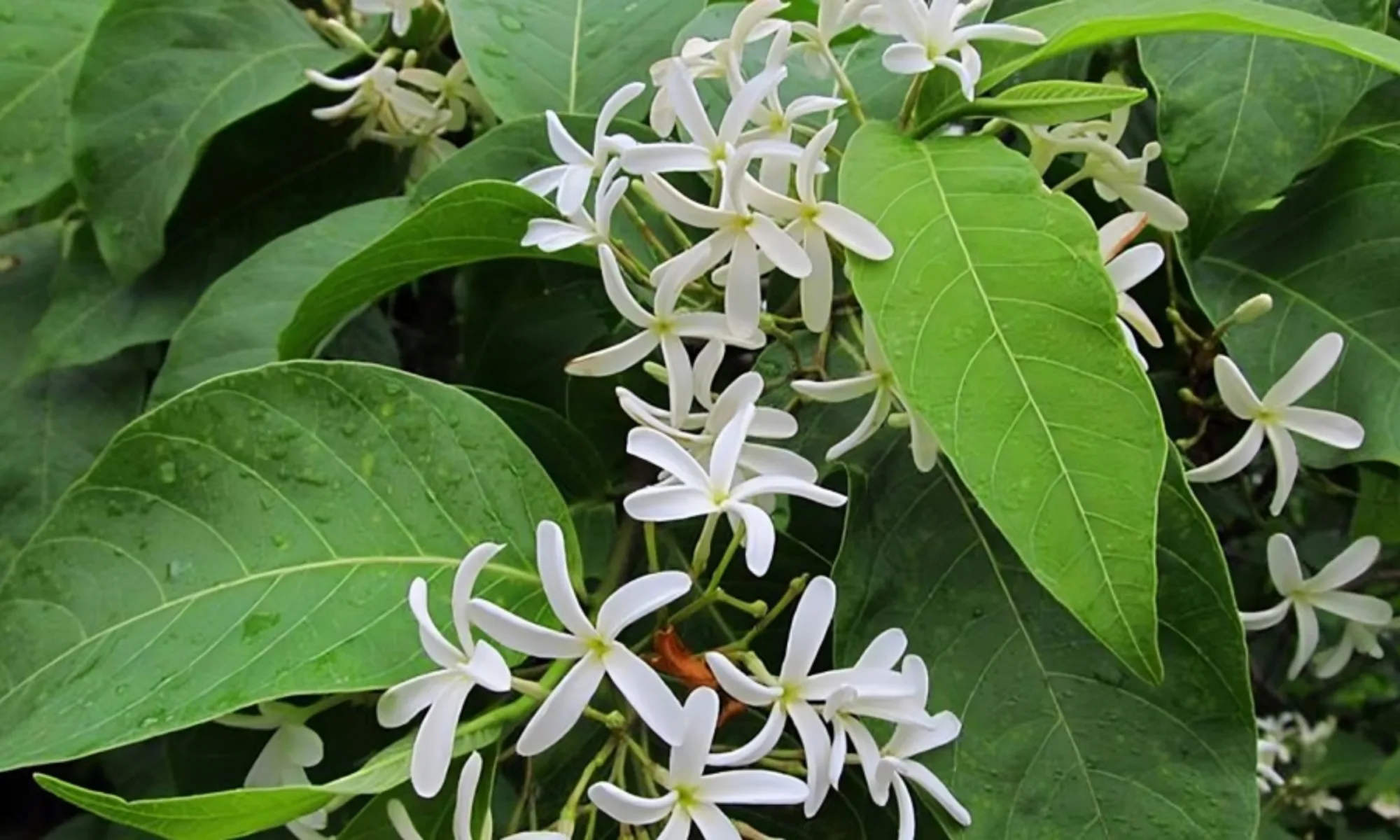
Kutaj (Holarrhena pubescens) is a deciduous shrub or small tree commonly found in India and other tropical parts of Asia. It is well-known for having strong astringent, antibacterial, and anti-diarrheal effects. Kutaj has long been used to treat skin conditions, irritable bowel syndrome (IBS), chronic diarrhea, and dysentery in the Ayurvedic, Unani, and Siddha medical systems. The most often utilized medicinal elements are the seeds and bark.
Holarrhena pubescens Scientific Name
- Kingdom: Plantae
- Phylum: Angiosperms
- Class: Eudicots
- Order: Gentianales
- Family: Apocynaceae
- Genus: Holarrhena
- Species: Holarrhena pubescens (Synonym: Holarrhena antidysenterica)
Holarrhena pubescens Common Name
- English: Kutaj, Ivory Tree, Conessi Tree
- Sanskrit: Kutaja, Kalinga, Indrayava
- Hindi: Kutaj, Kuda
- Gujarati: Kuda
- Marathi: Kuda
- Tamil: Veppalai
- Telugu: Kodaga
- Bengali: Kurchi
- Malayalam: Kutinja
Holarrhena pubescens Uses
- Digestive and Intestinal Disorders – Powerful anti-diarrheal and antidysenteric, Used in grahani (IBS) and chronic amoebic dysentery.Its bark decoction is given in diarrhea and intestinal infections.
- Skin Diseases – Used in treating eczema, psoriasis, fungal infections, and boils, Has antibacterial and antifungal properties.
- Anthelmintic Action – Seeds are used to eliminate intestinal worms.
- Antipyretic and Anti-inflammatory – Used to manage fever and inflammatory conditions.
Phytochemical Constituents
References
Ayurvedic Pharmacopoeia of India, Govt. of India, Part I, Vol. I, II, and III.
Nadkarni, K.M. (2002). Indian Materia Medica, Vol 1. Bombay Popular Prakashan.
Sharma, P.V. (2005). Dravyaguna Vigyan, Vol 2. Chaukhamba Bharti Academy.
Kirtikar, K.R., & Basu, B.D. (2008). Indian Medicinal Plants, Vol. 3. Lalit Mohan Basu Publications.
Chatterjee, A. & Pakrashi, S.C. (1994). The Treatise on Indian Medicinal Plants, Vol. 3, CSIR Publications.
Dwivedi, S., & Jauhari, R. (2010). “Holarrhena antidysenterica: Pharmacognostic and Pharmacological Profile.” International Journal of Pharmaceutical Sciences Review and Research, 4(2), 39–44.
European Medicines Agency. Herbal monograph on Holarrhena pubescens bark.
Meena, H., et al. (2010). “Review on Holarrhena antidysenterica.” Journal of Pharmacognosy and Phytochemistry, 2(3), 01–05.
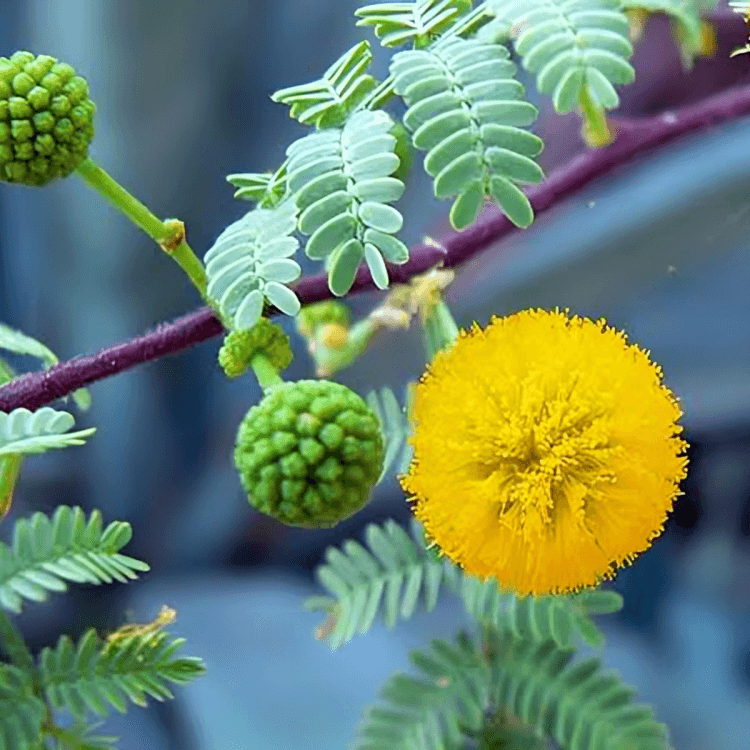
The moderate-sized, deciduous Khadir (Acacia catechu Willd.) tree is indigenous to regions of Southeast Asia and the Indian subcontinent. Its astringent, anti-inflammatory, antibacterial, and blood-purifying qualities make it valuable in both traditional medicine and Ayurveda. Its heartwood extract, known as Khadirasara or Katha, is especially noted for therapeutic use in skin disorders, dental care, and digestive health.
KHADIR Scientific Name
- Kingdom: Plantae
- Phylum: Tracheophyta
- Class: Magnoliopsida
- Order: Fabales
- Family: Fabaceae
- Genus: Acacia
- Species: Acacia catechu (Willd.)
Acacia catechu Common Name
- English: Catechu, Black Cutch Tree
- Sanskrit: Khadira
- Hindi: Khair
- Gujarati: Khakhra
- Tamil: Karungali
- Telugu: Konda Tumma
- Malayalam: Karingali
- Kannada: Kaggali
Acacia catechu Uses
- Skin Disorders – Khadir is a prime herb in treating eczema, psoriasis, acne, leprosy, and other skin ailments due to its blood-purifying and antimicrobial effects.
- Dental & Oral Health – The decoction of bark or use of Katha (extract) is used as a mouthwash to treat gingivitis, sore gums, mouth ulcers, and toothache.
- Digestive System – Acts as an astringent and digestive tonic, beneficial in diarrhea, dysentery, and ulcerative colitis.
- Blood Purification – Considered a Rakta Shodhak (blood purifier) in Ayurveda, especially useful in chronic skin conditions and general detoxification.
- Anti-inflammatory & Wound Healing – Applied externally for wound healing and reducing inflammation, especially in hemorrhoids and ulcers.
- Anti-diabetic Support – Helps in managing elevated blood sugar levels and mitigating complications related to diabetes.
Phytochemical Constituents
Khadir is rich in polyphenols, flavonoids, tannins, and catechins, which contribute to its therapeutic properties:
- Tannins: Catechin, Epicatechin (up to 30–60%)
- Flavonoids: Quercetin, Kaempferol
- Phenolic Acids: Gallic acid, Protocatechuic acid
- Other Constituents: Mucilage, Resin, Gum, and Coloring Matter (Cutch)
References
Ayurvedic Pharmacopoeia of India (API), Part I, Vol. III. Govt. of India, Ministry of AYUSH.
Sharangdhar Samhita, Chapter on Skin Disorders.
Kaur, G., Hamid, H., Ali, A., Alam, M.S., & Athar, M. (2004). “Antiinflammatory evaluation of alcoholic extract of Acacia catechu Willd. and its fractions in animal models.” Journal of Ethnopharmacology, 92(2–3), 231–239.
Kumar, A., & Sati, B. (2012). “Phytochemical and pharmacological profile of Acacia catechu – An overview.” International Journal of Pharmaceutical and Biological Archives, 3(5), 1062–1068.
Nadkarni, K.M. (1976). Indian Materia Medica, Vol. I. Bombay: Popular Prakashan.
Chopra, R.N., Nayar, S.L., & Chopra, I.C. (1956). Glossary of Indian Medicinal Plants. CSIR, New Delhi.
European Pharmacopoeia, 10th Edition. Council of Europe.
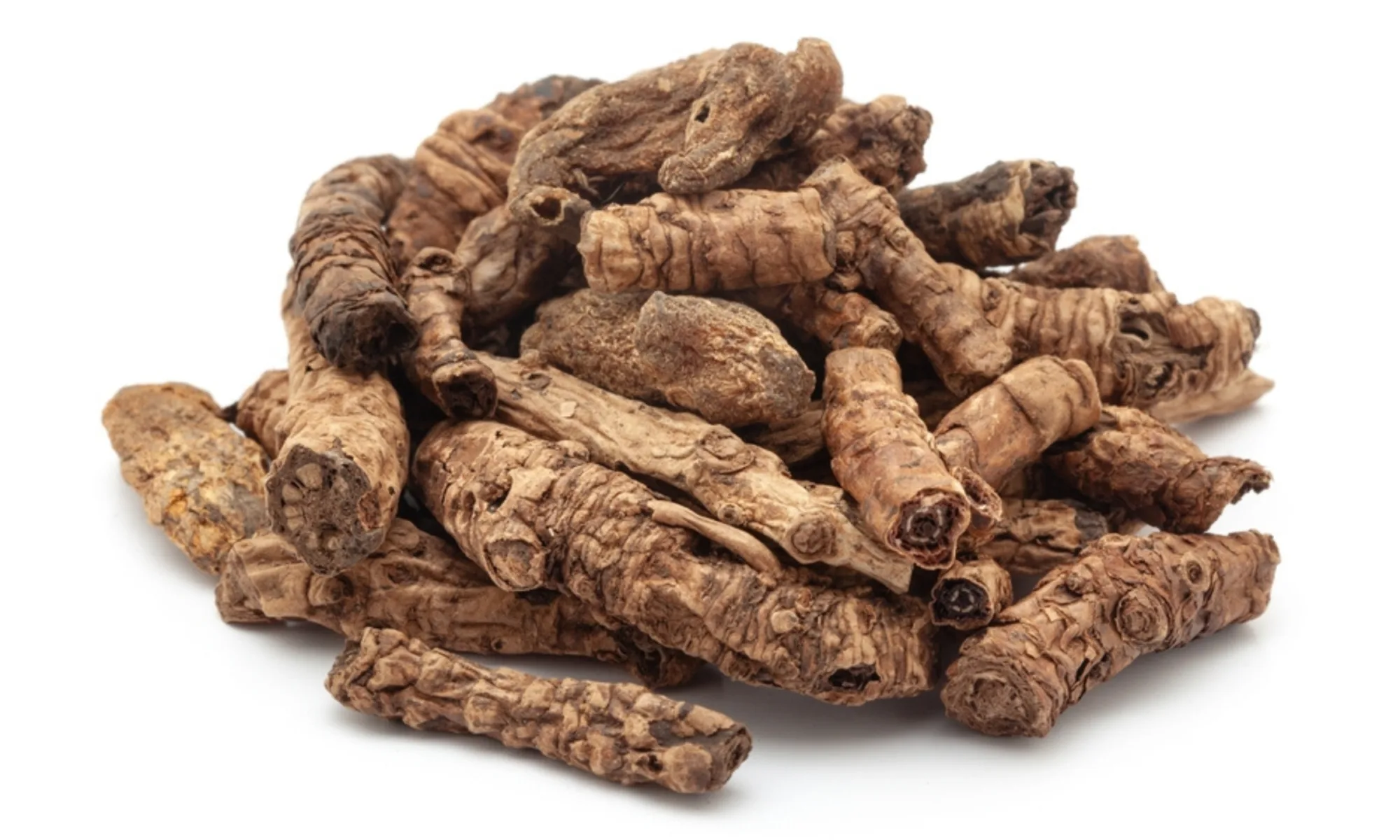
Katuki (Picrorhiza kurroa) is a small perennial herb native to the Himalayan region, known for its bitter rhizomes with potent hepatoprotective and anti-inflammatory properties. It has been widely utilized to treat fevers, respiratory conditions, and liver diseases in Ayurveda and other traditional systems. Katuki thrives at high altitudes (2700–4500 m) and is considered a critically endangered medicinal herb due to overharvesting.
Picrorhiza kurroa Scientific Name
- Kingdom: Plantae
- Phylum: Angiosperms
- Class: Eudicots
- Order: Lamiales
- Family: Plantaginaceae
- Genus: Picrorhiza
- Species: Picrorhiza kurroa Royle ex Benth.
Picrorhiza kurroa Common Name
- English: Katuki, Picrorhiza
- Sanskrit: Katuki, Tikta
- Hindi: Katuka, Kutki
- Gujarati: Kutaki
- Bengali: Kutki
- Tamil: Kadugurohini
- Malayalam: Katavelyam
- Telugu: Katukaroha
Picrorhiza kurroa Uses
- Liver and Gallbladder Disorders – Acts as a potent hepatoprotective and cholagogue, Useful in managing hepatitis, jaundice, and liver cirrhosis.
- Metabolic and Digestive Health – Stimulates bile secretion, promoting digestion, Helps treat anorexia, dyspepsia, and hyperacidity.
- Respiratory Conditions – Beneficial in treating asthma, bronchitis, and chronic coughs.
- Antipyretic and Anti-inflammatory – Reduces intermittent fevers, particularly those associated with malaria or chronic infections, Provides systemic anti-inflammatory support.
- Immune Support and Detoxification – Acts as an immunomodulator and supports detoxification in chronic conditions.
Katuki’s efficacy is attributed to its diverse phytochemical profile, especially iridoid glycosides:
- Iridoid Glycosides: Kutkin (mixture of Picroside I & Kutkoside), Picroside I, II
- Phenolic Compounds: Apocynin, Vanillic acid, Caffeic acid
- Flavonoids: Luteolin, Apigenin
- Glycosides: Androsin
- Others: Cucurbitacins (in some varieties), Sterols
References
Ayurvedic Pharmacopoeia of India, Govt. of India, Part I, Vol. III, Ministry of AYUSH.
Khare, C.P. (2007). Indian Medicinal Plants: An Illustrated Dictionary. Springer.
Sharma, P.V. (1996). Dravyaguna Vigyan Vol. II. Chaukhamba Bharati Academy.
Sharma, V., & Pandey, D. (2010). “Pharmacological and therapeutic activity of Picrorhiza kurroa: A review.” International Journal of Research in Pharmaceutical Sciences, 1(1), 1–8.
Dwivedi, S., & Agarwal, M.P. (1994). “Picrorhiza kurroa Royle ex Benth—A review.” Indian Drugs, 31(6), 273–276.
The Wealth of India (1992). Raw Materials Series Vol. 7: Ka to Li, CSIR, New Delhi.
European Medicines Agency (EMA) (2015). Assessment Report on Picrorhiza kurroa Rhizome, Committee on Herbal Medicinal Products.
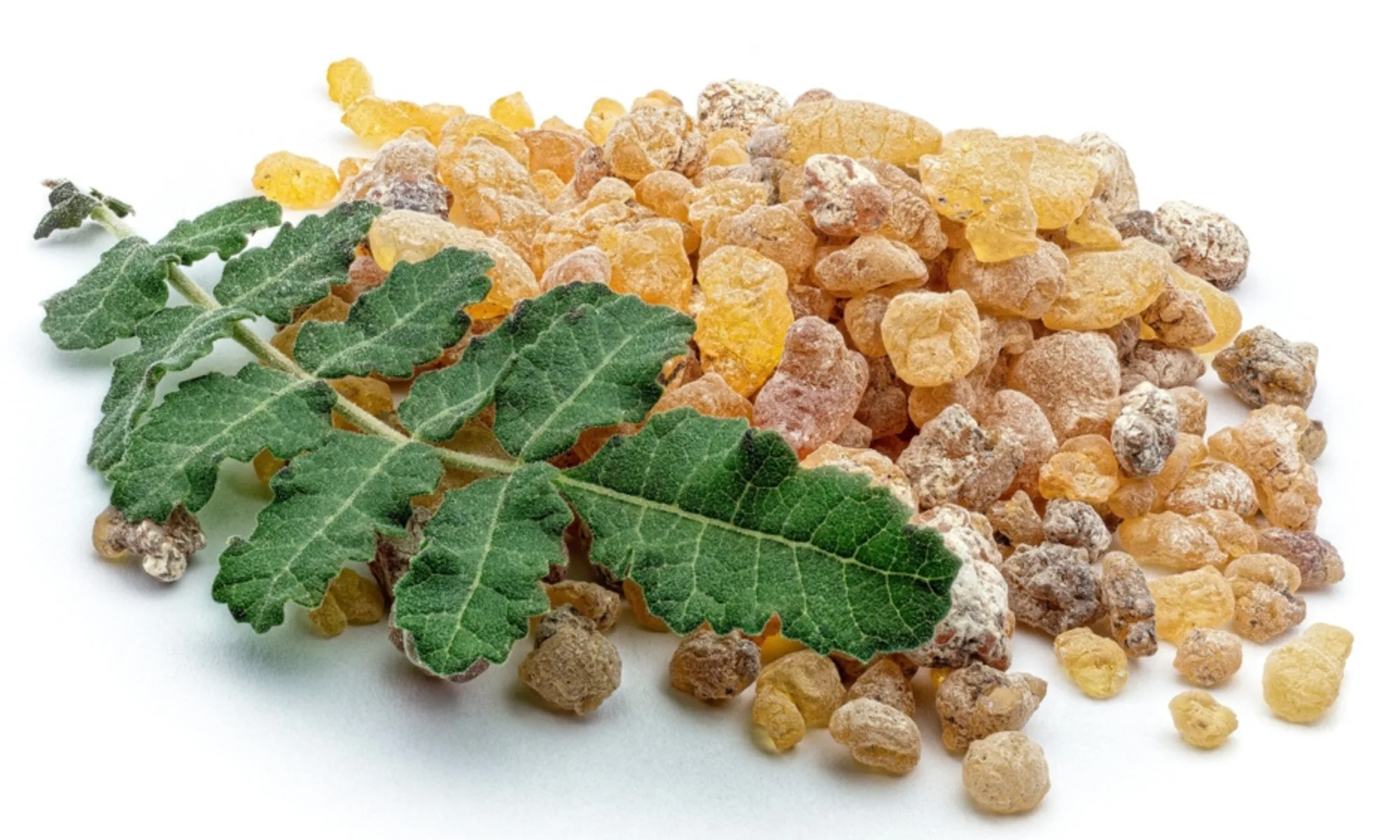
Sallaki (Boswellia serrata) is a medium-sized deciduous tree native to India, known for its gum resin called Indian Frankincense or Salai guggul. This gum-resin is widely used in Ayurveda and Unani systems of medicine to treat inflammatory conditions, especially arthritis, joint pain, and respiratory disorders. Its powerful anti-inflammatory action is mainly due to active compounds known as boswellic acids.
Guggal Scientific Name
- Kingdom: Plantae
- Phylum: Angiosperms
- Class: Eudicots
- Order: Sapindales
- Family: Burseraceae
- Genus: Boswellia
- Species: Boswellia serrata
Boswellia serrata Common Name
- English: Indian Frankincense, Salai
- Sanskrit: Shallaki, Gajabhaksha
- Hindi: Salai guggul
- Gujarati: Guggal
- Tamil: Parangikattam
- Telugu: Phirangi-samadram
- Kannada: Phirangimalligida
- Marathi: Dhup, Salai
Boswellia serrata Uses
- Respiratory Disorders – Acts as a bronchodilator, used in asthma and chronic bronchitis.
- Anti-inflammatory Agent – Boswellic acids inhibit 5-lipoxygenase, an enzyme responsible for inflammation, Comparable efficacy to NSAIDs, without gastric irritation.
- Skin and Wound Healing – Topical application of the gum helps in wound healing and skin infections.
References
Ayurvedic Pharmacopoeia of India (API), Part I, Vol. III. Government of India, Ministry of AYUSH.
Indian Materia Medica, Dr. K.M. Nadkarni, Popular Prakashan.
Ammon, H.P.T. (2006). “Boswellic acids in chronic inflammatory diseases.” Planta Medica, 72(12), 1100–1116.
Siddiqui, M.Z. (2011). “Boswellia serrata, a potential antiinflammatory agent: an overview.” Indian Journal of Pharmaceutical Sciences, 73(3), 255–261.
European Medicines Agency (EMA) – Assessment Report on Boswellia serrata.
Sivarajan, V.V., & Balachandran, I. (1994). Ayurvedic Drugs and Their Plant Sources. Oxford & IBH Publishing.
Sharma, P.C., Yelne, M.B., & Dennis, T.J. (2002). Database on Medicinal Plants Used in Ayurveda, Vol. 3. CCRAS, Ministry of AYUSH.
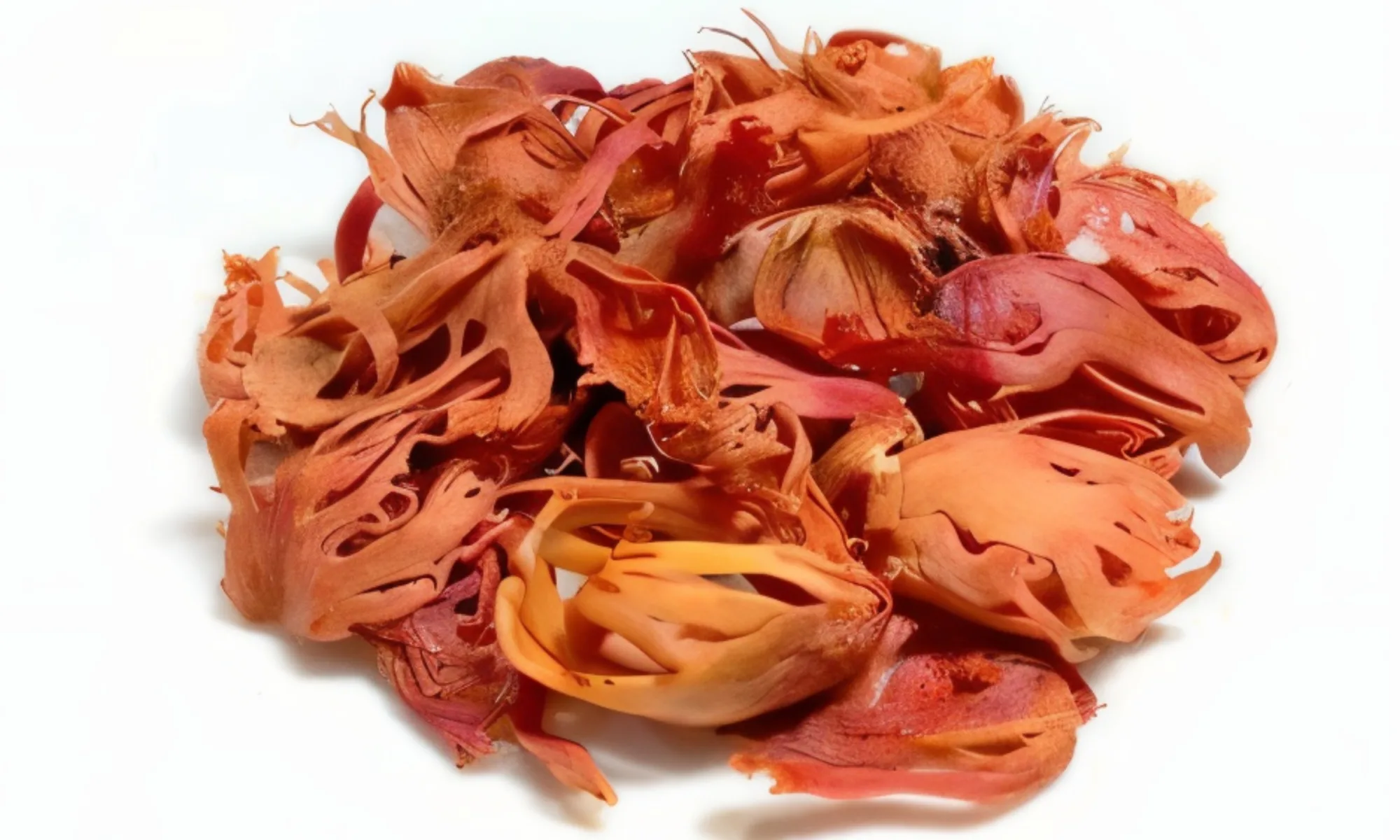
Javitri (Myristica fragrans – Arillus) is the dried lacy covering of the nutmeg seed, commonly known as Mace in English. Although it is extensively grown in tropical locations, it is native to the Spice Islands (Indonesia) and is a member of the Myristicaceae family. Javintri is used as a culinary spice and as a medicinal plant because of its potent aroma.
Javitri Scientific Name
- Kingdom: Plantae
- Phylum: Angiosperms
- Class: Magnoliids
- Order: Magnoliales
- Family: Myristicaceae
- Genus: Myristica
- Species: Myristica fragrans
- Part Used: Arillus (Mace)
Myristica fragrans Common Name
- English: Mace
- Hindi: Javitri / Javintri
- Sanskrit: Jatiphala patra
- Tamil: Jathi Pathiri
- Telugu: Jajikaya Pathri
- Malayalam: Jathipathri
- Marathi: Jaypatri
- Bengali: Jayitri
Javitri Uses
- Digestive Aid – Stimulates digestive enzymes, helps treat indigestion, flatulence, nausea, and vomiting.
- Nervine Tonic – Used in nervous disorders, anxiety, and to promote calmness; acts as a mild sedative.
- Aphrodisiac – Considered libido-enhancing in Ayurveda and Unani traditions.
- Oral and Dental Health – Antiseptic properties help treat gum infections and bad breath.
- Anti-inflammatory and Antioxidant – Rich in essential oils that possess anti-inflammatory and antioxidant activity.
- Antimicrobial Properties – Shows antibacterial and antifungal activity—used for skin infections and wound healing.
- Menstrual Health – Helps relieve menstrual cramps and regulate irregular cycles.
Phytochemical Constituents
References
Ayurvedic Pharmacopoeia of India, Part I, Vol. IV, Govt. of India, Ministry of AYUSH.
Nadkarni, K.M. (1976). Indian Materia Medica, Vol 1, Popular Prakashan.
Trease, G.E., & Evans, W.C. (2002). Pharmacognosy, 15th Ed. Saunders.
Pua, T.L., et al. (2020). “Phytochemical properties and medicinal uses of Myristica fragrans (nutmeg and mace).” Journal of Ethnopharmacology, 258, 112907.
European Medicines Agency (EMA). (2011). Assessment report on Myristica fragrans Houtt., European Medicines Agency, Committee on Herbal Medicinal Products.
Rani, P., & Khullar, N. (2004). “Antimicrobial evaluation of some medicinal plants for their anti-enteric potential against multi-drug resistant Salmonella typhi.” Phytotherapy Research, 18(8), 670–673.
Chopra, R.N., Nayar, S.L., & Chopra, I.C. (1956). Glossary of Indian Medicinal Plants. CSIR, New Delhi.
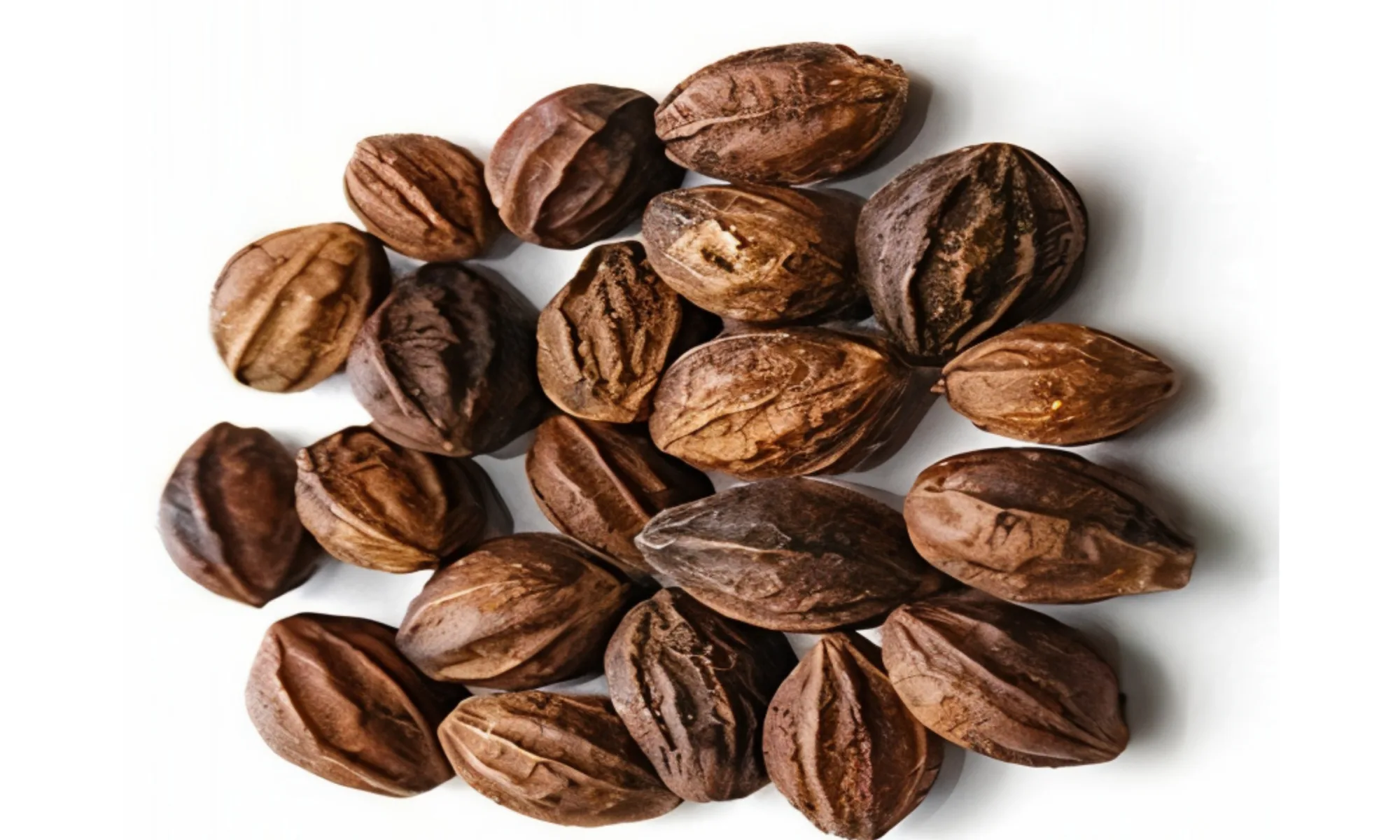
Haritaki (Terminalia chebula) is a prized medicinal plant in Ayurveda, commonly referred to as the “King of Medicines” due to its wide therapeutic benefits. It is known for its strong laxative, restorative, and cleansing qualities and is a member of the Combretaceae family. One of the three fruits in the traditional Triphala mixture is Haritaki.
Haritaki Scientific Name
- Kingdom: Plantae
- Phylum: Angiosperms
- Class: Eudicots
- Order: Myrtales
- Family: Combretaceae
- Genus: Terminalia
- Species: Terminalia chebula
terminalia chebula common name
- English: Chebulic Myrobalan
- Sanskrit: Haritaki, Abhaya, Pathya
- Hindi: Harad
- Tamil: Kadukkai
- Telugu: Karakkaya
- Malayalam: Katukka
- Bengali: Haritaki
- Marathi: Hirda
- Gujarati: Harade
terminalia chebula uses
- Digestive Health – Acts as a mild laxative, supports colon cleansing, and relieves constipation.
- Rejuvenation and Longevity – Classified as a Rasayana in Ayurveda, promoting longevity, vitality, and cellular regeneration.
- Respiratory and Immune Support – Used in respiratory ailments such as cough, asthma, and sore throat due to its antimicrobial and expectorant effects.
- Metabolic and Blood Sugar Support – Traditionally used to manage diabetes, improve insulin sensitivity, and maintain healthy lipid profiles.
Phytochemical Constituents
References
The Ayurvedic Pharmacopoeia of India, Part I, Vol. II. Government of India, Ministry of AYUSH.
Sharma, P. V. (1996). Dravyaguna Vijnana, Vol. 2. Chaukhambha Bharati Academy.
Saleem, A., Husheem, M., Härkönen, P., & Pihlaja, K. (2002). “Inhibition of cancer cell growth by crude extract and the phenolics of Terminalia chebula Retz. fruit.” Journal of Ethnopharmacology, 81(3), 327–336.
Srinivasan, V. S., & Ramani, R. (2011). “Phytochemical and pharmacological review of Terminalia chebula.” International Journal of Research in Ayurveda and Pharmacy, 2(5), 1452–1456.
Chopra, R. N., Nayar, S. L., & Chopra, I. C. (1956). Glossary of Indian Medicinal Plants. CSIR, New Delhi.
European Medicines Agency (EMA). (2017). Assessment report on Terminalia chebula Retz. fructus.
Jagtap, A. G., & Karkera, S. G. (1999). “Potential of the aqueous extract of Terminalia chebula as an anti-caries agent.” Journal of Ethnopharmacology, 68(1-3), 299–306.



 My Account