Free Shipping On Above Order Value Rs. 500

GARMALO (Cassia fistula)

GARMALO (Cassia fistula)

Garmalo (Cassia fistula), also known as the Indian Laburnum, is a fast-growing deciduous tree native to the Indian subcontinent. It belongs to the Fabaceae family and is widely recognized for its bright yellow flowers and long, cylindrical seed pods. In Ayurveda and traditional systems of medicine, Garmalo is valued for its laxative, anti-inflammatory, and antimicrobial properties, especially its pulp, which is used as a gentle natural laxative.

Cassia fistula Scientific Name

  • Kingdom: Plantae
  • Phylum: Angiosperms
  • Class: Eudicots
  • Order: Fabales
  • Family: Fabaceae
  • Genus: Cassia
  • Species: Cassia fistula

Cassia fistula Common Name

  • English: Golden Shower Tree, Indian Laburnum
  • Sanskrit: Aragvadha
  • Hindi: Amaltas
  • Gujarati: Garmalo
  • Tamil: Konrai
  • Telugu: Rela
  • Marathi: Bahava
  • Malayalam: Kanikkonna
  • Kannada: Kakke

Cassia fistula Uses

  • Digestive System – The pulp of the fruit is a mild and safe laxative, commonly used for treating constipation in children and adults.
  • Skin Disorders – Used externally for skin infections, boils, and inflammation due to its antibacterial and antiseptic effects.
  • Anti-inflammatory and Analgesic – The stem bark and leaves are used to reduce swelling and pain in rheumatism and arthritis.
  • Antipyretic and Antimicrobial – Decoctions of bark and leaves are used in traditional remedies for fever, worm infestations, and urinary tract infections.
  • Detoxifier and Blood Purifier – Referred to as “Aragvadha” in Ayurveda, meaning “disease killer,” it is used in formulations for detoxification and blood purification.
  • Phytochemical Constituents

      Cassia fistula contains a variety of bioactive constituents responsible for its pharmacological properties:

    • Anthraquinones: Rhein, Emodin, Chrysophanol – responsible for laxative and antimicrobial activity
    • Flavonoids: Kaempferol, Luteolin – contribute to anti-inflammatory and antioxidant properties
    • Tannins: Found in bark, they have antibacterial and astringent properties.
    • Glycosides: Sennosides – act as natural purgatives
    • Sterols: Sitosterol – supports anti-inflammatory function
    • Coumarins and Resins: aid in the healing and detoxification processes

    References

    Ayurvedic Pharmacopoeia of India (API), Govt. of India, Vol. II, Part I, First Edition, Page 13–15.

    Indian Herbal Pharmacopoeia, Revised Edition, IDMA & RRL (CSIR), 2002.

    Nadkarni, K.M. (1976). Indian Materia Medica, Vol. I, Bombay Popular Prakashan.

    Kirtikar, K.R., & Basu, B.D. (1935). Indian Medicinal Plants, Vol. II, International Book Distributors.

    Gupta, A.K., Tandon, N., & Sharma, M. (2005). Quality Standards of Indian Medicinal Plants, ICMR, Vol. 2.

    Satyavathi, G.V., Gupta, A.K., & Neeraj, T. (1976). Medicinal Plants of India, ICMR, Vol. I.

    Meena, A.K., Rao, M.M., & Padhi, M.M. (2010). “Review on pharmacological and phytochemical properties of Cassia fistula Linn.” Journal of Natural Remedies, 10(2), 102–109.

    Sharma, P.V. (1999). Dravyaguna Vijnana (Materia Medica – Vegetable Drugs), Vol. II, Chaukhambha Bharati Academy.
Gandhpuro oil ( Gaultheria fragrantissima )

Gandhpuro oil ( Gaultheria fragrantissima )

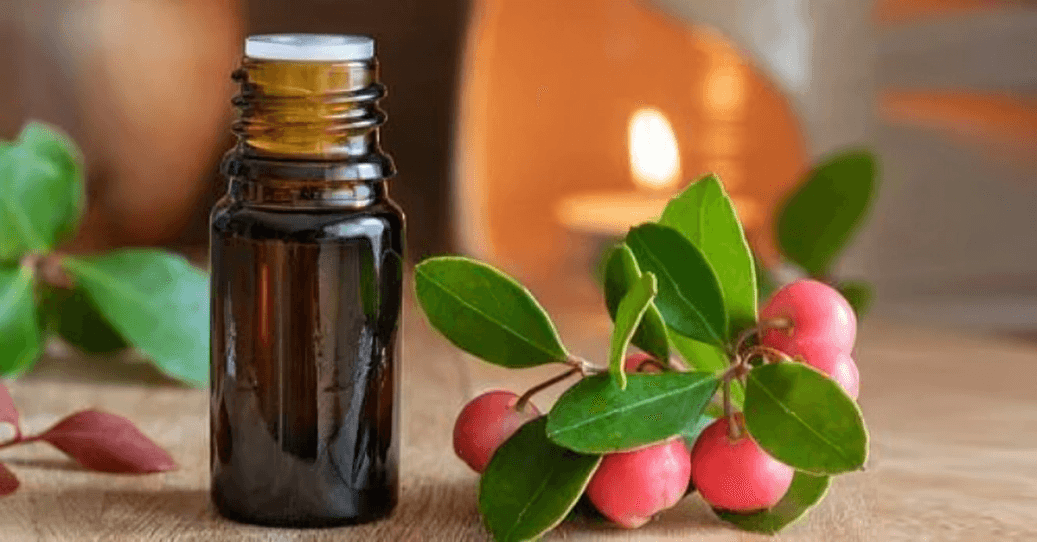
Gandhapura oil, derived from the leaves of Gaultheria fragrantissima, is a natural essential oil traditionally used for its analgesic, anti-inflammatory, and antiseptic properties. Known for its characteristic methyl salicylate content, the oil is highly effective in treating muscular pain, joint stiffness, rheumatism, and headaches.

Scientific Classification

  • Kingdom: Plantae
  • Phylum: Angiosperms
  • Class: Eudicots
  • Order: Ericales
  • Family: Ericaceae
  • Genus: Gaultheria
  • Species: Gaultheria fragrantissima

Common Names

  • English: Wintergreen Oil, Sweet Birch Oil
  • Sanskrit: Gandhapura Taila
  • Hindi: Gandhapura Ka Tel
  • Tamil: Gandhapura Ennai
  • Telugu: Gandhapura Tailam
  • Bengali: Gandhapur Tel
  • Marathi: Gandhapur Tel

Traditional and Medicinal Uses

  • Musculoskeletal Pain Relief – Used topically to relieve arthritis, joint pain, muscle cramps, and backaches.
  • Anti-inflammatory and Analgesic Use – Contains methyl salicylate, which mimics the effects of aspirin to reduce inflammation and pain.
  • Skin Care and Antiseptic Use – Used in treating minor wounds, insect bites, and skin infections due to its antiseptic nature.
  • Respiratory Aid – In vapor form, it helps relieve nasal congestion and sinusitis.
  • Dental Applications – Incorporated into mouthwashes and toothpastes for its antimicrobial and flavoring properties.
    • Gandhapura oil’s primary bioactive compounds include:

    • Methyl Salicylate (90–98%) – Major compound responsible for analgesic and anti-inflammatory activity.
    • Gaultherin – Methyl salicylate is produced by hydrolyzing a glycoside.
    • Eugenol – Minor constituent with antiseptic properties.
    • Linalool & Cineole – Provide mild antimicrobial and aromatic qualities.

    References

    Ayurvedic Pharmacopoeia of India, Part 1, Volume II, Ministry of AYUSH, Govt. of India.

    Indian Materia Medica – Nadkarni, K.M. (1954). Popular Prakashan, Mumbai.

    Khare, C.P. (2007). Indian Medicinal Plants – An Illustrated Dictionary. Springer.

    National Center for Biotechnology Information (NCBI). PubChem Compound Summary for CID 4136, Methyl Salicylate.

    Tiwari, R. et al. (2010). “Pharmacological Aspects of Gaultheria fragrantissima.” Pharmacognosy Reviews, 4(8), 187–190.

    European Pharmacopoeia, 10th Edition.

    Chopra, R.N., Nayar, S.L., & Chopra, I.C. (1956). Glossary of Indian Medicinal Plants. CSIR, New Delhi.

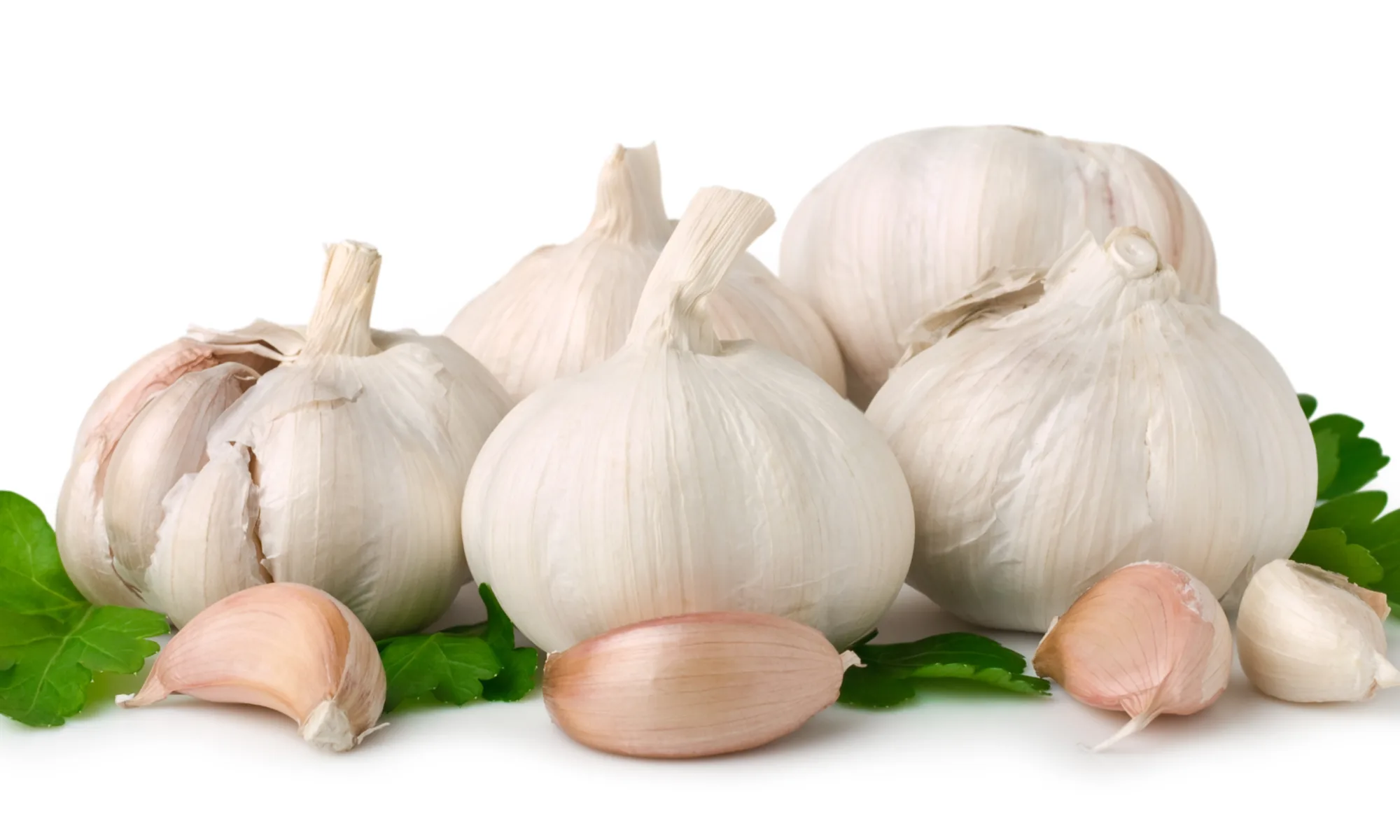
Garlic (Allium sativum)

Garlic (Allium sativum)

Garlic (Allium sativum) is a bulbous perennial herb belonging to the Amaryllidaceae family. Widely used as a spice and traditional remedy, garlic is revered for its strong antimicrobial, antioxidant, and cardioprotective properties.

Garlic Scientific Name

  • Kingdom: Plantae
  • Phylum: Angiosperms
  • Class: Monocots
  • Order: Asparagales
  • Family: Amaryllidaceae
  • Genus: Allium
  • Species: Allium sativum

Garlic Common Name

  • English: Garlic
  • Sanskrit: Lashuna
  • Hindi: Lahsun
  • Tamil: Poondu
  • Telugu: Vellulli
  • Malayalam: Veluthulli
  • Gujarati: Lasan
  • Marathi: Lasun
  • Bengali: Roshun

🍲 Why garlic is used in cooking

1. Garlic Enhances Flavor Without Extra Spices

Garlic contains natural sulfur compounds (like allicin) that create a deep, savory aroma when cooked.

  • Makes food more flavorful
  • Adds richness to simple recipes
  • Reduces the need for heavy masalas

That’s why garlic is almost always sautéed first in oil or ghee — it forms the flavor base of curries, gravies, and dals.

2. Garlic Helps Digest Heavy Foods

Indian meals often include oil, ghee, lentils, and spices. Garlic helps the body handle these foods better by:

  • Stimulating digestive enzymes
  • Reducing gas and bloating
  • Preventing heaviness after meals

This is why garlic is commonly used in:

  • Curries
  • Lentils (dal)
  • Fried vegetables
  • Paneer and bean dishes

3. Garlic Acts as a Natural Preservative

Traditionally, garlic was used before refrigeration existed.
Garlic:

  • Slows bacterial growth
  • Helps food stay fresh longer
  • Supports safe storage of gravies and pickles

This is why garlic is found in:

  • Pickles
  • Chutneys
  • Sauces
  • Slow-cooked dishes

🥗 How to eat raw garlic daily

Raw garlic is popular in detox diets because it:

  • Activates liver detox enzymes
  • Supports blood purification
  • Boosts metabolism naturally

That’s why crushed garlic is often added to:

  • Salads
  • Dressings
  • Chutneys
  • Detox bowls

🍵 Why Garlic Is Used in Soups & Broths

Garlic soup is considered a natural immunity food, especially in cold seasons.
Garlic in soups:

  • Provides warmth to the body
  • Supports respiratory comfort
  • Helps fight seasonal infections

Common uses include:

  • Vegetable soup
  • Chicken broth
  • Herbal detox soups

🌿 Garlic in Ayurveda—Why It’s Recommended

In Ayurveda, garlic is known for:

  • Deepana – improving digestive fire
  • Ama-nashak – removing toxins
  • Balya – strengthening the body

It is traditionally used for:

  • Weak digestion
  • Low immunity
  • Joint stiffness
  • Seasonal respiratory discomfort

Garlic Medicinal Uses

  • Cardiovascular Support – Garlic helps lower blood pressure and cholesterol levels, reducing the risk of atherosclerosis.
  • Antimicrobial and Antifungal – Contains natural antibiotic compounds effective against a wide range of bacteria, viruses, and fungi.
  • Immunity Booster – Enhances the immune response, supports detoxification, and helps fight infections.
  • Antioxidant & Anti-inflammatory – Scavenges free radicals, reducing oxidative stress and inflammation.
  • Digestive and Respiratory Health – Acts as a digestive stimulant and is used traditionally for cold, cough, and bronchitis.
  • Anti-diabetic & Metabolic Health – Supports blood sugar regulation and may improve insulin sensitivity.

References

  • Aurvedic Pharmacopoeia of India (API), Govt. of India.
  • European Pharmacopoeia, 10th Edition, Council of Europe.
  • Banerjee, S.K., & Maulik, S.K. (2002). “Effect of garlic on cardiovascular disorders: a review.” Nutrition Journal, 18(6), 704–711.
  • Amagase, H., Petesch, B.L., Matsuura, H., Kasuga, S., & Itakura, Y. (2001). “Intake of garlic and its bioactive components.” Journal of Nutrition, 131(3s), 955S–962S.
  • Ankri, S., & Mirelman, D. (1999). “Antimicrobial properties of allicin from garlic.” Microbes and Infection, 1(2), 125–129.
  • Rivlin, R.S. (2001). “Historical perspective on the use of garlic.” Journal of Nutrition, 131(3s), 951S–954S.
  • The Wealth of India, (2003), CSIR, New Delhi.
  • Chopra, R.N., Nayar, S.L., & Chopra, I.C. (1956). Glossary of Indian Medicinal Plants, CSIR, New Delhi.
  • Ross, I.A. (2001). Medicinal Plants of the World: Chemical Constituents, Traditional and Modern Medicinal Uses. Vol. 2. Totowa, NJ: Humana Press.
  • PubMed – Garlic (Allium sativum) antioxidant, antimicrobial & cardioprotective research
  • Journal of Nutrition – Garlic in immune modulation
  • Ayurveda classical texts – Traditional uses of garlic for digestion and respiratory comfort
  • WebMD overview – Garlic nutrition & health benefits
  • Herbal Medicine Journals – Garlic detox and metabolic support

GUNJA (Abrus precatorius)

GUNJA (Abrus precatorius)

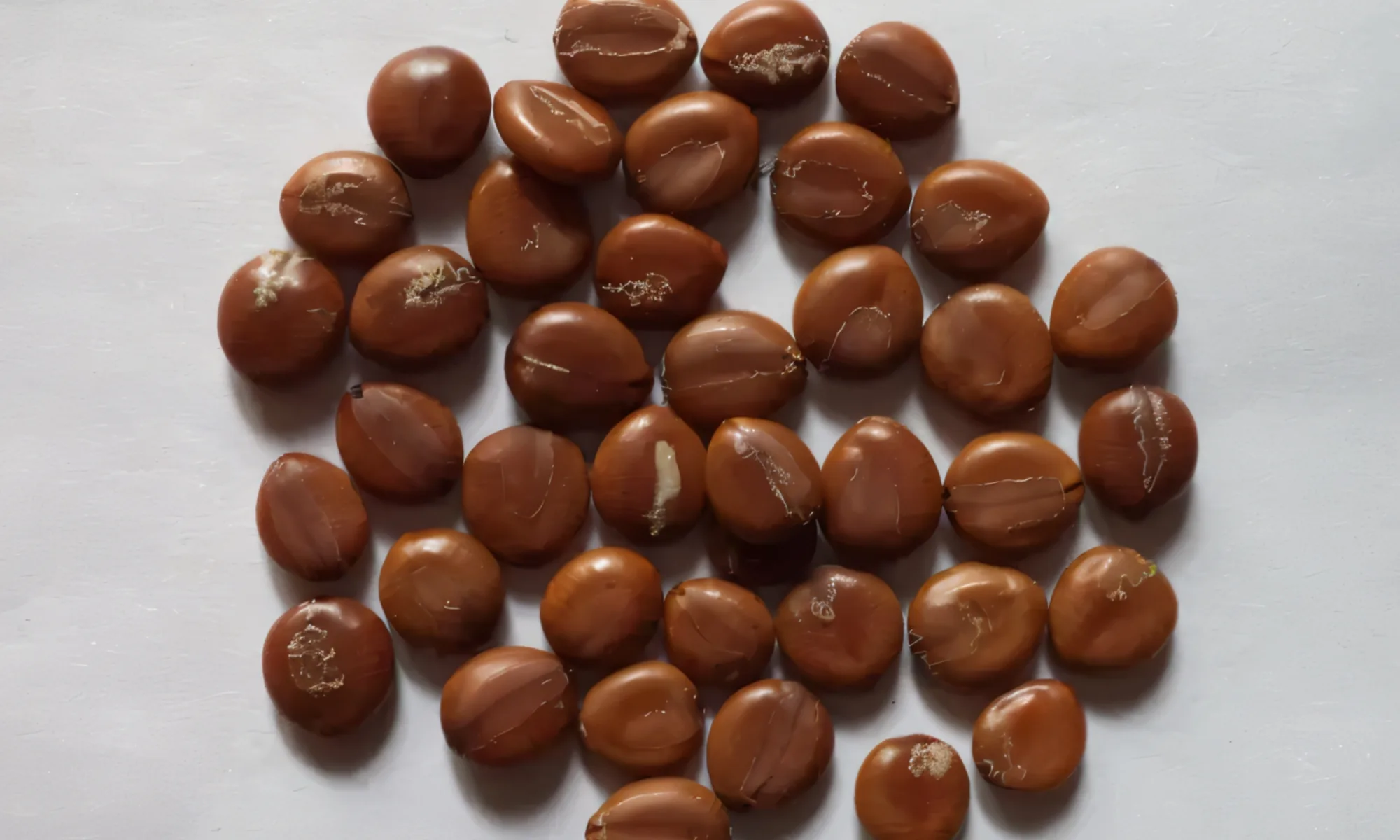
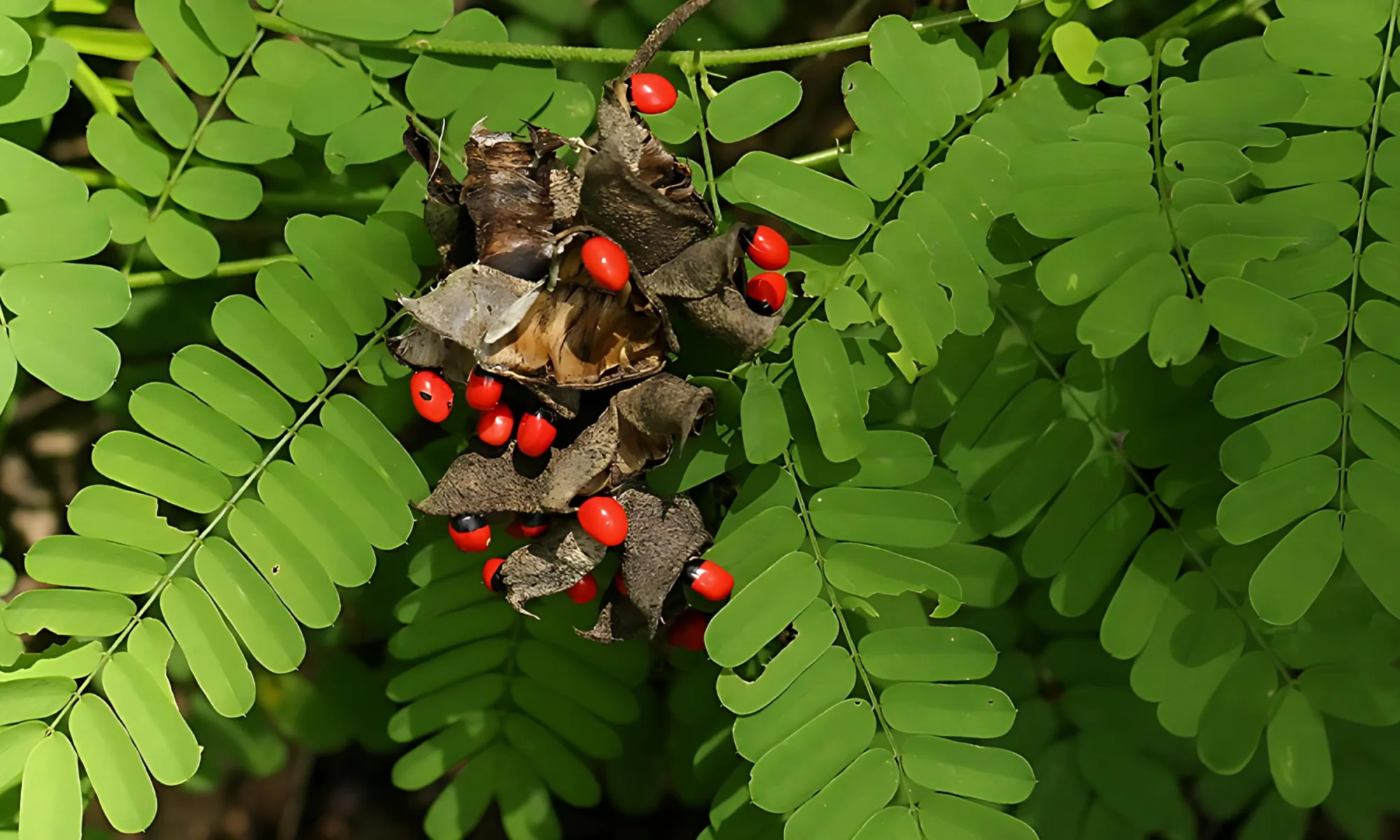
Gunja (Abrus precatorius) is a slender, perennial climber known for its bright red seeds with a black spot, often referred to as “rosary peas.” Belonging to the Fabaceae family, Gunja is known for its potent medicinal and toxic properties. In traditional Ayurvedic medicine, it is used in extremely minute quantities for treating various ailments like hair fall, skin diseases, and nervous disorders, after undergoing a specific detoxification process called shodhana.

Gunja Scientific Name

  • Kingdom: Plantae
  • Phylum: Angiosperms
  • Class: Eudicots
  • Order: Fabales
  • Family: Fabaceae
  • Genus: Abrus
  • Species: Abrus precatorius

Abrus precatorius Common Name

  • English: Rosary Pea, Jequirity
  • Sanskrit: Gunja, Raktika
  • Hindi: Ratti, Chirmi
  • Tamil: Kunni
  • Telugu: Gurivinda
  • Malayalam: Kunni kuru
  • Marathi: Gunja
  • Kannada: Gulaganji

Abrus precatorius Uses

  • Hair and Scalp Health – Used externally in medicated oils to promote hair growth and manage alopecia.
  • Neurological Disorders – Known for its nervine tonic effects in minute, processed doses, Used in Ayurvedic formulations for conditions like epilepsy and paralysis.
  • Aphrodisiac and Reproductive Health – Considered an aphrodisiac in classical texts, Used to stimulate libido and treat male infertility.
  • Skin Diseases – Applied topically for leucoderma, eczema, and other dermatological issues.
  • Anti-inflammatory and Analgesic – Seed and leaf extracts show anti-inflammatory and pain-relieving properties in various traditional uses.
  • References

    Ayurvedic Pharmacopoeia of India (API), Part I, Vol. III. Government of India, Ministry of AYUSH.

    Bhavaprakasha Nighantu, Gunjaadi Varga – Commentary by Sri Brahmashankara Mishra.

    Chopra, R.N., Nayar, S.L., & Chopra, I.C. (1956). Glossary of Indian Medicinal Plants. CSIR, New Delhi.

    M. P. Sharma, R. Yelne, T. J. Dennis. (2002). Database on Medicinal Plants Used in Ayurveda. CCRAS, Ministry of AYUSH.

    Singh, S., & Pandey, S. (2012). “Toxicological and pharmacological profile of Abrus precatorius L.: A review.” International Journal of Pharmacy & Life Sciences, 3(6), 1614–1621.

    Bhalla, T. N., & Gupta, M. B. (1970). “Pharmacological investigations on Abrus precatorius.” Indian Journal of Pharmacology, 2(1), 7–12.

    World Health Organization (WHO) Monographs on Selected Medicinal Plants, Vol. 3.

Eranda (Ricinus communis L.)

Eranda (Ricinus communis L.)

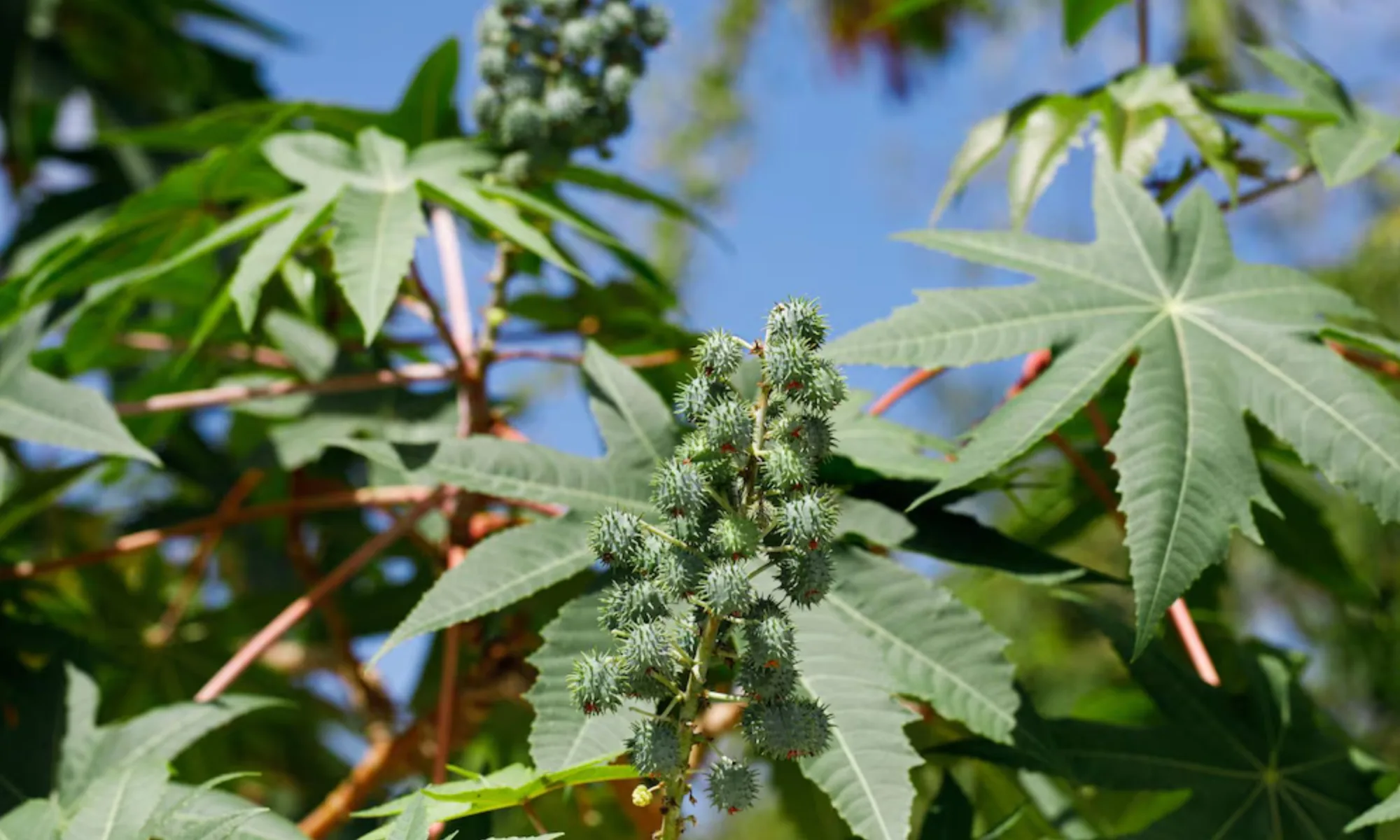
Eranda (Ricinus communis L.) is a fast-growing, perennial or annual shrub native to the tropical regions of Africa and India, now cultivated worldwide for its medicinal seeds and oil. It belongs to the Euphorbiaceae family and is widely known for its castor oil, which is used in pharmaceuticals, cosmetics, and traditional medicine systems like Ayurveda, Siddha, and Unani. The plant is known for its purgative, anti-inflammatory, analgesic, and laxative properties.

Scientific Classification

  • Kingdom: Plantae
  • Phylum: Angiosperms
  • Class: Eudicots
  • Order: Malpighiales
  • Family: Euphorbiaceae
  • Genus: Ricinus
  • Species: Ricinus communis L.

Common Names

  • English: Castor Plant
  • Sanskrit: Eranda
  • Hindi: Arand
  • Tamil: Amanakku
  • Telugu: Amudamu
  • Bengali: Rer
  • Gujarati: Andar
  • Marathi: Erand

Traditional and Medicinal Uses

  • Laxative and Purgative – Castor oil from Eranda seeds acts as a strong purgative, used for treating constipation and cleansing the bowels.
  • Anti-inflammatory – The leaves and oil are applied externally for joint pain, arthritis, and inflammatory swellings.
  • Pain Relief – Leaf poultice is traditionally used to relieve muscle pain and neuralgia.
  • Respiratory Health – Used in cough and asthma, especially in Ayurveda, where root decoction is known to reduce Kapha.
  • Gynecological Use – Used in inducing labor and treating postpartum disorders.
  • Hepatoprotective and Antimicrobial – Traditional use includes managing liver disorders and bacterial infections.

Phytochemical Constituents

    Eranda contains various bioactive constituents responsible for its medicinal actions:

  • Fixed Oil: Ricinoleic acid – the primary active component of castor oil; known for its purgative and anti-inflammatory properties.
  • Alkaloids: Ricinine – exhibits insecticidal and antimicrobial properties.
  • Proteins: Ricin – a highly toxic protein (inactivated in processed oil).
  • Flavonoids: Kaempferol, Quercetin – possess antioxidant and anti-inflammatory activities.
  • Steroids: β-sitosterol – contributes to anti-inflammatory effects.
  • Triterpenoids: Lupeol – known for anti-arthritic properties.

References

Ayurvedic Pharmacopoeia of India (API), Part I, Volume 3, Govt. of India, Ministry of AYUSH.

Indian Materia Medica by K.M. Nadkarni, Vol. 1, Popular Prakashan, Mumbai.

Chopra, R.N., Nayar, S.L., & Chopra, I.C. (1956). Glossary of Indian Medicinal Plants. CSIR, New Delhi.

Duke, J.A. (2002). Handbook of Medicinal Herbs. CRC Press.

Prasad, R., & Raju, B. (2009). “Phytopharmacology of Ricinus communis L. – A review.” International Journal of Pharmaceutical Sciences Review and Research, 1(2), 1-6.

Singh, A., & Singh, D. (2010). “A review on traditional uses, phytochemistry, and pharmacological activities of Ricinus communis.” Journal of Pharmacognosy and Phytotherapy, 2(5), 55-60.

European Pharmacopoeia, 10th Edition, Council of Europe.

Sharma, P.V. (2006). Dravyaguna Vijnana, Vol. II, Chaukhamba Bharati Academy, Varanasi.

EKHARO / Kokilaksha (Asteracantha longifolia)

EKHARO / Kokilaksha (Asteracantha longifolia)

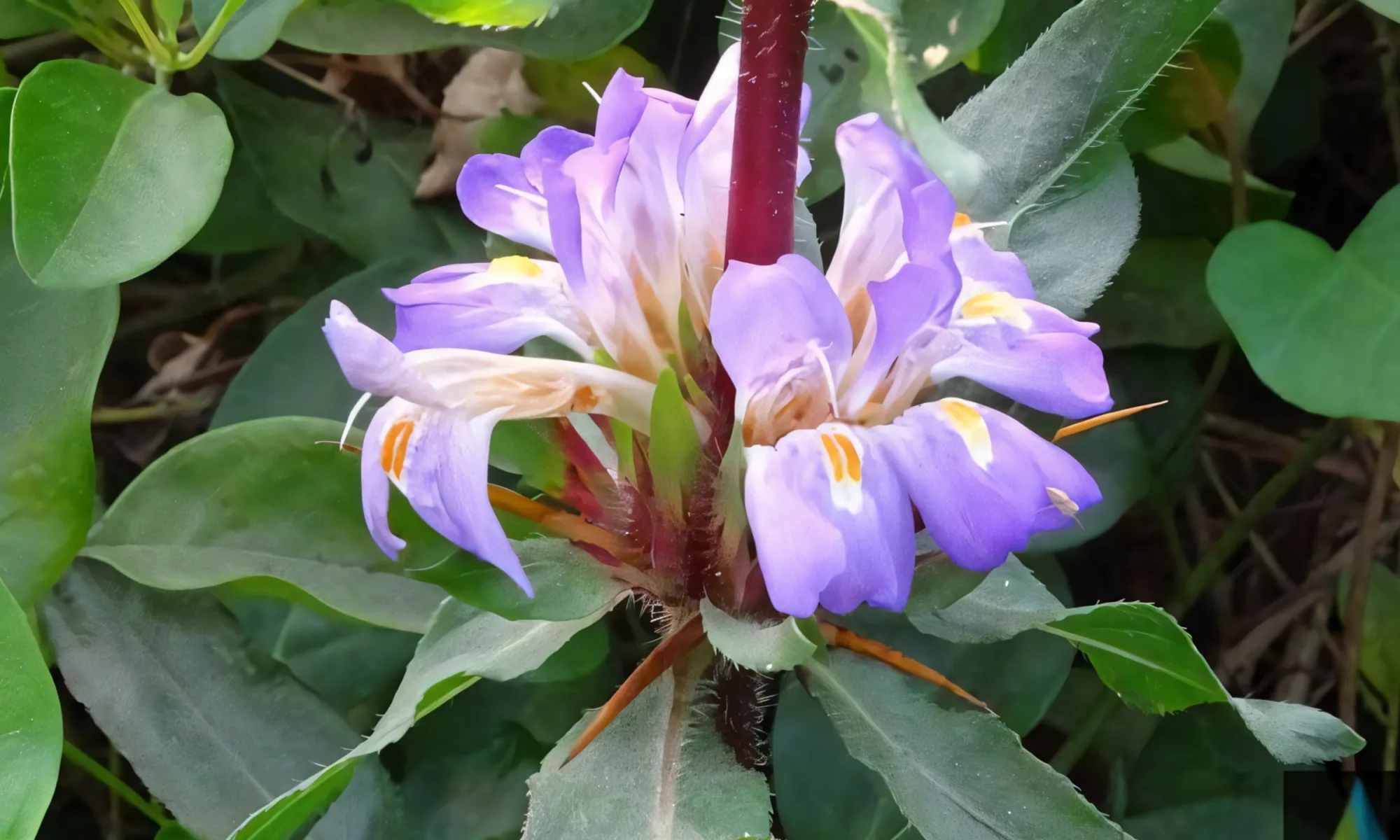
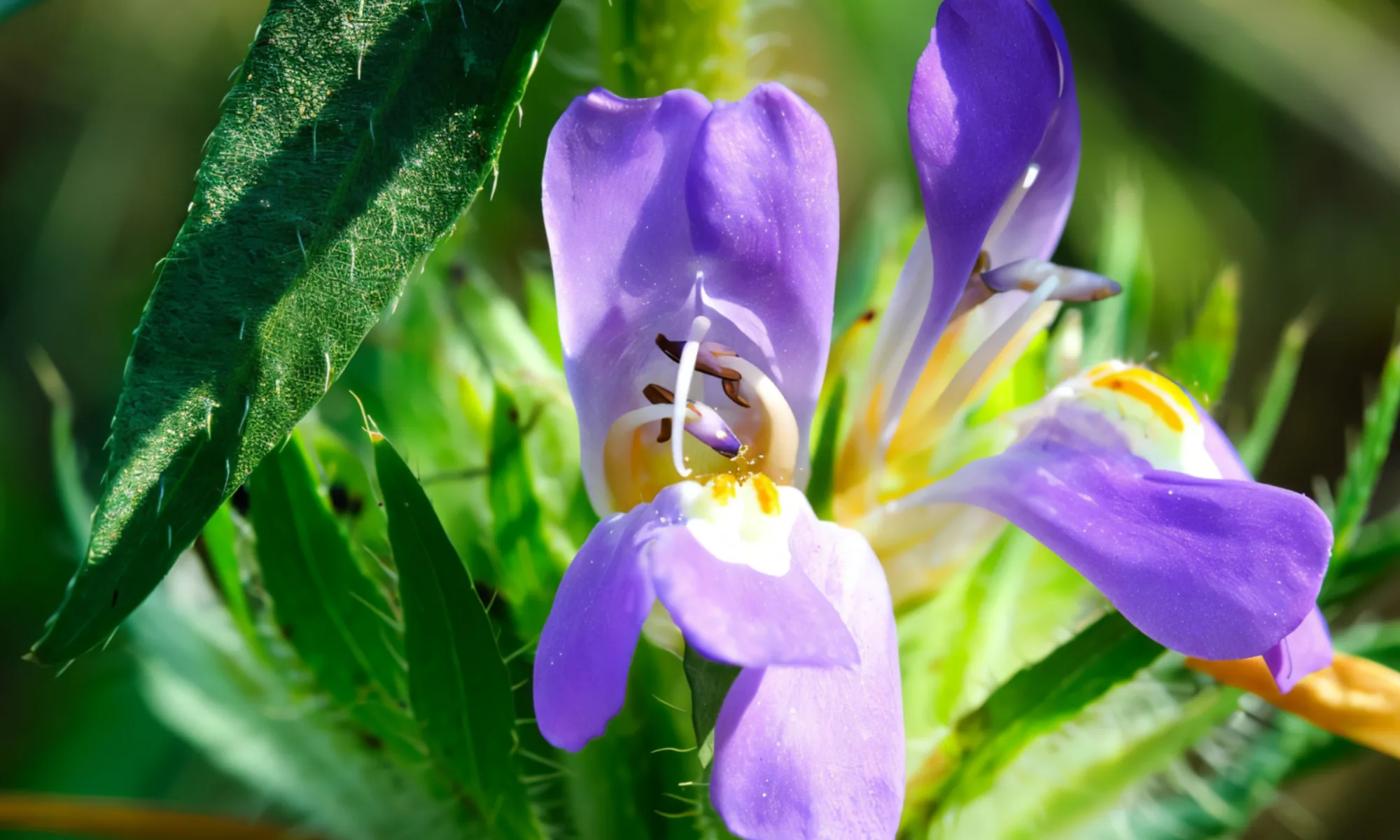
Known by its formal name, Asteracantha longifolia (syn. Hygrophila auriculata), ekharo / Kokilaksha is a swampy, spiky plant that is frequently found in tropical Asia, including India. Traditionally used in Ayurvedic and Unani systems of medicine, it is valued for its aphrodisiac, hepatoprotective, and diuretic properties. The seeds, roots, and whole plant are used in various formulations for urinary, reproductive, and liver health.

Scientific Classification

  • Kingdom: Plantae
  • Clade: Angiosperms
  • Clade: Eudicots
  • Clade: Asterids
  • Order: Lamiales
  • Family: Acanthaceae
  • Genus: Asteracantha
  • Species: Asteracantha longifolia
  • Synonyms: Hygrophila auriculata, Hygrophila spinosa

Common Names

  • English: Marsh Barbel
  • Sanskrit: Kokilaksha, Ikshura
  • Hindi: Talimakhana
  • Gujarati: Ekharo
  • Tamil: Neermulli
  • Telugu: Neeragogu
  • Malayalam: Vayalchulli
  • Marathi: Talimakhana
  • Bengali: Kulekhara

Traditional and Medicinal Uses

  • Reproductive Health (Aphrodisiac) – Traditionally used to increase sexual vitality and male fertility. Seeds are used to improve sperm count and motility. It is also classified as a vajikarana herb in Ayurveda.
  • Liver Protection – The root and seeds are used in decoctions to manage jaundice and liver enlargement. Known for hepatoprotective effects.
  • Urinary Tract Health – Used as a diuretic in Ayurvedic formulations. Helps manage dysuria, urinary retention, and kidney disorders.
  • Anti-inflammatory and Analgesic – Because of its anti-inflammatory qualities, it is used to treat rheumatic disorders, gout, joint discomfort, and swelling.
  • Diabetes Management – Seed extracts have shown hypoglycemic effects and may help regulate blood sugar levels.
  • Blood Purifier – Traditionally used as a blood tonic in general debility and to support hematopoietic functions.

Phytochemical Constituents

  • Sterols & Triterpenoids: Lupeol, Stigmasterol
  • Alkaloids: Uncharacterized nitrogenous bases with aphrodisiac activity
  • Flavonoids: Apigenin, Quercetin derivatives
  • Phenolic Compounds: Caffeic acid, Ferulic acid
  • Saponins and Mucilage: Contribute to anti-inflammatory and soothing effects
  • Other Compounds: Butelin, Essential oils, Fatty acids

References

Ayurvedic Pharmacopoeia of India. (1999). Part-I, Volume II. Government of India, Ministry of AYUSH, New Delhi.

Sharma, P.V. (2003). Dravyaguna Vijnana (Vol. 2). Chaukhambha Bharati Academy, Varanasi.

Nadkarni, K.M. (2002). Indian Materia Medica. Popular Prakashan, Mumbai.

Chopra, R.N., Nayar, S.L., Chopra, I.C. (1956). Glossary of Indian Medicinal Plants. CSIR, New Delhi.

Chauhan, N.S., & Dixit, V.K. (2010). “A review on Asteracantha longifolia: A potent medicinal plant.” Brazilian Journal of Pharmacognosy, 20(5), 812–817.

Nagendra Singh Chauhan et al. (2009). “Pharmacological evaluation of Kokilaksha.” International Journal of Ayurveda Research, 1(2), 91–99.

Sharma, R.K., & Dash, B. (2013). Charaka Samhita, Vol. 2. Chowkhamba Sanskrit Series, Varanasi.

European Pharmacopoeia. (10th Edition). Council of Europe.

Rahman, M. et al. (2020). “Phytopharmacological overview of Hygrophila auriculata.” Journal of Ethnopharmacology, 247, 112261.

The Wealth of India: Raw Materials. (2002). Volume IV: F–Ka. CSIR, New Delhi.

Daruharidra (Berberis aristata)

Daruharidra (Berberis aristata)

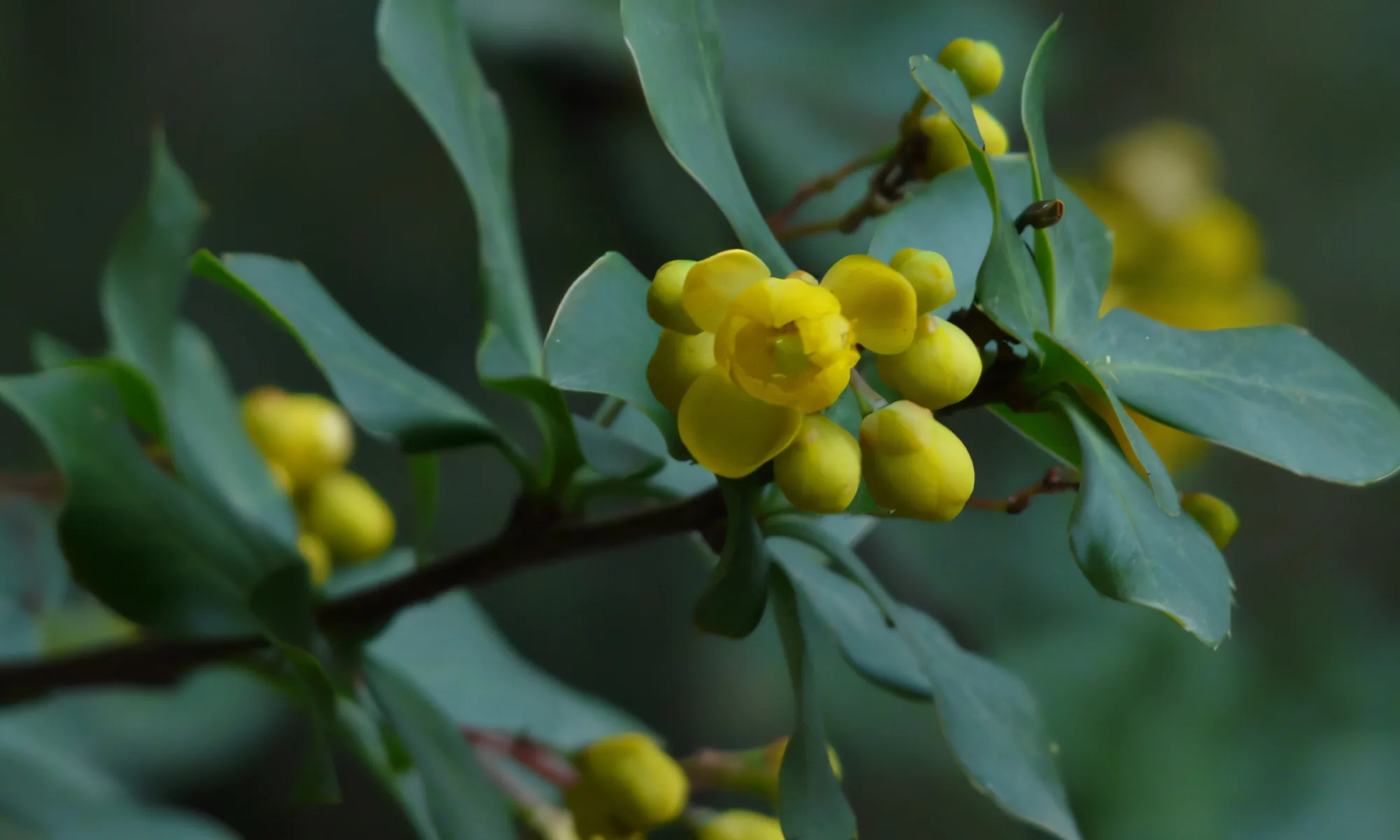
Daruharidra (Berberis aristata) is a small to medium-sized shrub commonly found in the Himalayan region and parts of India. It is recognized for its medicinal properties and is widely used in traditional systems of medicine, particularly in Ayurveda. The plant is known for its yellowish bark, which is rich in berberine, a compound with significant therapeutic effects.

Daruharidra Scientific Names

  • Kingdom: Plantae
  • Phylum: Angiosperms
  • Class: Eudicots
  • Order: Ranunculales
  • Family: Berberidaceae
  • Genus: Berberis
  • Species: Berberis aristata

Daruharidra Common Names

  • English: Indian Barberry, Tree Turmeric
  • Sanskrit: Daruharidra, Daru, Haridra
  • Hindi: Daruharidra, Chitra, Chitrak
  • Tamil: Vaivarasa, Daruharidra
  • Telugu: Daruharidra
  • Bengali: Daruharidra
  • Marathi: Daruharidra

Daruharidra Uses

  • Liver Health –
  • Hepatoprotective: Daruhaldar is renowned for its liver-protective properties. It aids in detoxifying the liver, improving liver function, and treating conditions like jaundice and liver infections.
  • Anti-inflammatory – The plant exhibits significant anti-inflammatory effects and is used to treat conditions such as arthritis and various inflammatory diseases.
  • Skin Disorders – Antibacterial and Antifungal: Daruhaldar’s bark is used in treating skin diseases, including eczema, psoriasis, and ringworm infections. It helps in reducing skin irritation and inflammation.
  • Digestive Health – Daruhaldar is used to treat digestive disorders, including indigestion and constipation. It is also beneficial in treating gastric ulcers and improving appetite.
  • Antimicrobial Properties – The plant is known for its antimicrobial properties, making it effective against various bacterial and fungal infections.
  • Blood Purification – Used traditionally as a blood purifier, it helps in improving skin tone and managing conditions related to blood toxicity.

Phytochemical Constituents

Daruhaldar contains a variety of active compounds, including:

  • Alkaloids: Berberine, Palmatine, Columbamine
  • Flavonoids: Quercetin, Kaempferol
  • Phenolic Compounds: Tannins, Anthraquinones
  • Other Compounds: Berberastine, Oxyacanthine

References

Ayurvedic Pharmacopoeia of India (API), Government of India.

Sharangdhar Samhita, Chapter on Hepatoprotective Herbs.

Chopra, R.N., Nayar, S.L., & Chopra, I.C. (1956). Glossary of Indian Medicinal Plants. CSIR, New Delhi.

Verma, S., & Gupta, R. (2012). “Berberis aristata: A comprehensive review of its medicinal properties.” International Journal of Pharmaceutical Sciences and Research, 3(11), 4245-4250.

Kamatou, G.P.P., & Viljoen, A.M. (2015). “Phytochemistry and pharmacology of Berberis aristata.” Journal of Ethnopharmacology, 163, 7-15.

Pharmacopoeia of India, Ministry of Health & Family Welfare, Government of India.

Draksha / Grapes (Vitis vinifera)

DRAKSHA

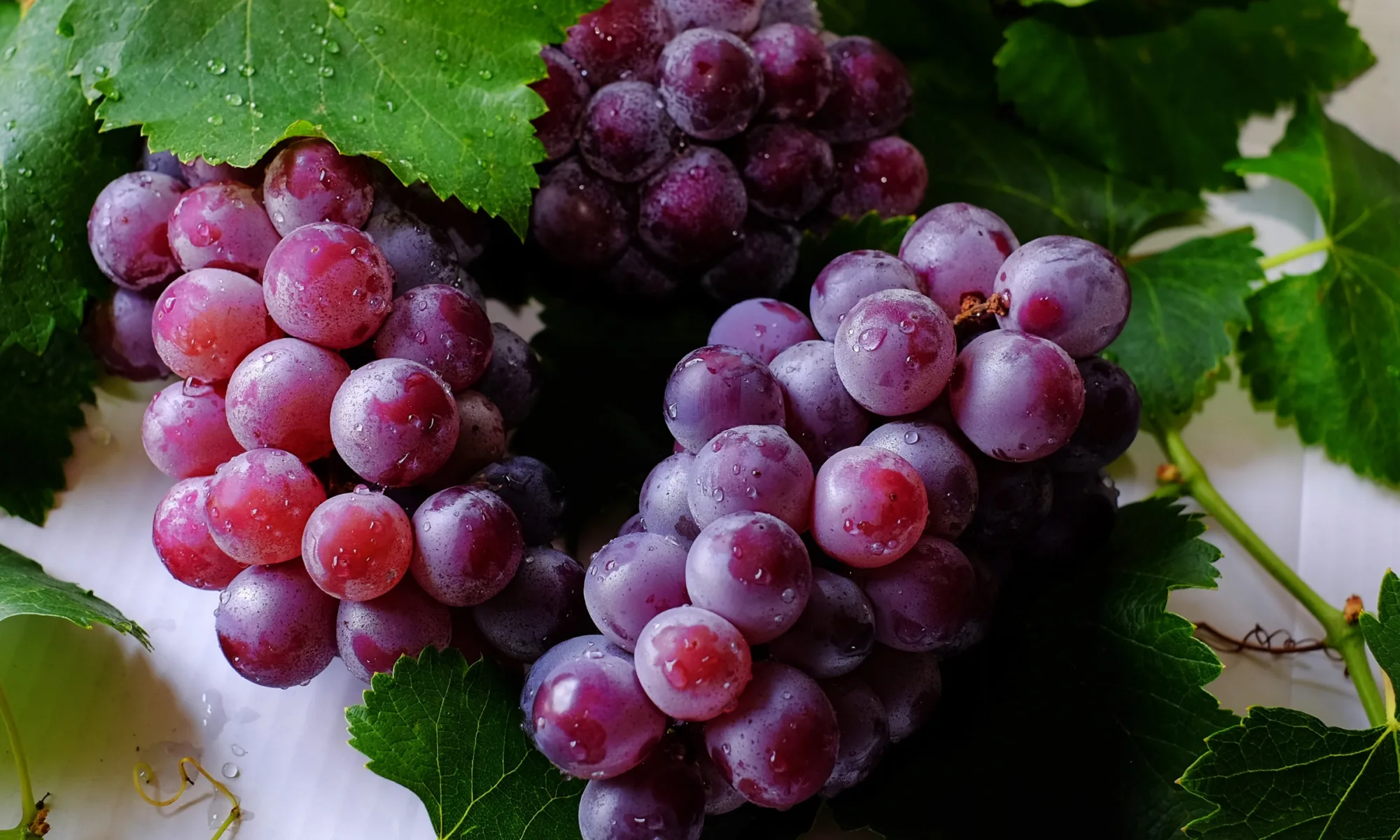
Draksha (Vitis vinifera), commonly known as grapes, is a widely cultivated fruit that belongs to the Vitaceae family. Known for its sweet taste and rich nutritional profile, it has been used for centuries both as a food and in traditional medicine. Grapes are often consumed fresh or dried into raisins and are highly regarded for their health benefits, including antioxidant properties and support for heart health.

Grapes Scientific Name

  • Kingdom: Plantae
  • Phylum: Angiosperms
  • Class: Eudicots
  • Order: Vitales
  • Family: Vitaceae
  • Genus: Vitis
  • Species: Vitis vinifera

Vitis vinifera Common Name

  • English: Grapes
  • Sanskrit: Draksha
  • Hindi: Angoor
  • Tamil: Draksha
  • Telugu: Draksha
  • Bengali: Angur
  • Marathi: Angoor

Daily Routine & Simple Home Uses

1. Fresh Grapes Every Morning

Eating half to one cup of fresh grapes — ideally in the morning — kickstarts your daily detox, hydration, and digestive balance.

2. Grape Juice with Warm Water

Squeeze fresh grapes and mix with a little warm water — a refreshing natural drink that supports immunity and metabolic detox.

3. Grape & Herbal Smoothies

Blend grapes with mint, amla, or pomegranate for a nutrient-dense smoothie that supports skin, immunity, and digestion.

4. Grape Seeds & Skin Infusion

After washing grapes, soak skins and seeds in warm water. Drink this herbal infusion to capture fiber and phytonutrient benefits often lost in juice.

Internal & Lifestyle Uses

1. Grapes in Herbal Kadhas & Tonics

Adding grapes to Ayurvedic tonics with tulsi, amla, ginger, or cinnamon enhances flavor and nutraceutical benefits.

2. Functional Drinks & Detox Elixirs

Grapes can be blended with other herbs and fruits to make detox water, metabolic tonics, and immunity drinks.

3. Culinary Use in Recipes

Fresh grapes and raisins add natural sweetness and texture to salads, yoghurt bowls, desserts, rice dishes, and chutneys — contributing nutrition while enhancing taste.

Grapes Uses

  • Digestive Health – Draksha is known for its laxative properties, helping to relieve constipation and improve bowel movements.
  • Antioxidant Benefits – Rich in flavonoids, polyphenols, and anthocyanins, it is a potent antioxidant that helps in protecting the body from free radical damage.
  • Heart Health – Traditionally, Draksha is used to improve heart health by reducing blood pressure and preventing the buildup of cholesterol in the arteries.
  • Immune System Support – Acts as an immunomodulator, enhancing the body’s natural defense mechanisms against infections.
  • Blood Purification and Detoxification – Draksha is considered effective in purifying blood and detoxifying the body, often used in detox regimes.
  • Skin and Hair Health – It is often used to enhance skin health, reduce pigmentation, and promote hair growth, owing to its antioxidant content.

Phytochemical Constituents

Draksha contains a range of bioactive compounds that contribute to its medicinal benefits. Some key phytochemicals include:

  • Flavonoids: Quercetin, Kaempferol
  • Polyphenols: Resveratrol, Catechins
  • Anthocyanins: Cyanidin-3-glucoside, Malvidin
  • Vitamins: Vitamin C, Vitamin K, Vitamin B6
  • Minerals: Potassium, Calcium, Magnesium
  • Amino Acids: Glutamine, Arginine

References

  • Ayurvedic Pharmacopoeia of India (API), Govt. of India.
  • Sharma, P., & Singh, R. (2016). “Medicinal Properties of Grapes (Vitis vinifera): A Review.” Journal of Phytopharmacology, 5(2), 92-97.
  • Kalpana, B., & Rajasekaran, S. (2015). “Health Benefits of Grapes: A Review.” Food Science and Biotechnology, 24(2), 415-423.
  • Kambizi, L., & Afolayan, A.J. (2007). “The Nutritional and Medicinal Value of Grapes.” Medicinal Plants of Southern Africa.
  • European Pharmacopoeia, 10th Edition, Council of Europe.
  • Chopra, R.N., Nayar, S.L., & Chopra, I.C. (1956). Glossary of Indian Medicinal Plants. CSIR, New Delhi.
  • PubMed – Antioxidant Properties of Grapes (Vitis vinifera)
  • Grapes and Heart Health” — Journal of Nutritional Biochemistry
  • Grapes for Skin & Aging — Dermato-Endocrinology Journal
  • Raisins & Digestive Function — Journal of Functional Foods
  • Ayurvedic Texts: Rasayana uses of fruits in Charaka Samhita
  • WebMD Nutrition Properties of Grapes & Health Benefits

Camphor (Cinnamomum camphora)

Camphor (Cinnamomum camphora)

The wood of the camphor tree, which is a member of the Lauraceae family, yields the extremely aromatic chemical known as camphor (Cinnamomum camphora). It is extensively utilized in cosmetic, culinary, and medical applications. In addition to its antibacterial, analgesic, and anti-inflammatory qualities, camphor has a cooling effect. Traditionally, camphor has been used in various cultures for its therapeutic benefits, especially in treating respiratory issues, skin ailments, and for its use in religious ceremonies.

Camphor Scientific Name

  • Kingdom: Plantae
  • Phylum: Angiosperms
  • Class: Eudicots
  • Order: Laurales
  • Family: Lauraceae
  • Genus: Cinnamomum
  • Species: Cinnamomum camphora

cinnamomum camphora common name

  • English: Camphor
  • Sanskrit: Karpoora
  • Hindi: Kapoor
  • Tamil: Karpooram
  • Telugu: Karpooram
  • Bengali: Kapur
  • Malayalam: Karpooram

Camphor Uses

  • Respiratory Health – Camphor is used in inhalation to treat coughs, bronchitis, and asthma. It acts as an expectorant, helping to clear mucus from the airways.
  • Pain Relief Applied topically, camphor has analgesic and anti-inflammatory properties, making it useful for treating muscle pain, arthritis, and inflammatory conditions.
  • Skin Care – Known for its antibacterial and antifungal properties, camphor is used in the treatment of skin infections, eczema, and acne. It also aids in cooling and soothing the skin, especially for conditions like burns and rashes.
  • Mental Clarity and Relaxation – Camphor is also used to induce a calming effect and improve mental clarity. It is often burned as incense in religious practices and for meditation.
  • Insect Repellent – Camphor’s strong aroma helps in repelling insects like mosquitoes, which is why it’s often used in mothballs and insect repellents.
  • Phytochemical Constituents

    Camphor contains several active compounds responsible for its medicinal properties. Some of the key phytochemicals include:

    • Essential Oils: Camphor, 1,8-cineole (eucalyptol), Linalool
    • Terpenes: Alpha-pinene, Beta-pinene, Camphene
    • Flavonoids: Quercetin, Kaempferol
    • Phenolic Compounds: Cinnamic acid, Chlorogenic acid

    References

    Ayurvedic Pharmacopoeia of India (API), Govt. of India.

    Kirtikar, K.R., & Basu, B.D. (1999). Indian Medicinal Plants, Vol. 2, International Book Distributors, Dehradun, India.

    Mahomoodally, M.F., & Ramsay, C. (2013). “Traditional uses and pharmacological properties of camphor (Cinnamomum camphora).” Journal of Ethnopharmacology, 149(2), 203-219.

    European Pharmacopoeia, 9th Edition, Council of Europe.

    Binu, P., & Nair, R. (2015). “Phytochemical analysis and medicinal uses of camphor.” International Journal of Research in Pharmacy and Chemistry, 5(3), 490-495.

    World Health Organization (WHO) Monographs on Selected Medicinal Plants.

Chakramarda (Asteracantha longifolia)

Chakramarda (Asteracantha longifolia)

Chakramarda (Asteracantha longifolia), commonly known as Water Spider, is a perennial herb native to South and Southeast Asia. It is widely used in Ayurvedic medicine due to its therapeutic properties, particularly for its ability to support urinary health, enhance male reproductive function, and treat various inflammatory conditions. The ability of Chakramad to balance the three doshas—Pitta, Kapha, and Vata—makes it extremely valuable.

Water Spider Scientific Name

  • Kingdom: Plantae
  • Phylum: Angiosperms
  • Class: Eudicots
  • Order: Lamiales
  • Family: Acanthaceae
  • Genus: Asteracantha
  • Species: Asteracantha longifolia

Common Names

  • English: Water Spider
  • Sanskrit: Chakramarda
  • Hindi: Bhui Amla
  • Tamil: Kuppaimeni
  • Telugu: Tangedu
  • Bengali: Dharmani
  • Marathi: Chakramad

Chakramarda Uses

  • Urinary Health – Commonly used as a diuretic, promoting the expulsion of excess urine and treating conditions like urinary retention and dysuria.
  • Male Reproductive Health – Supports spermatogenesis, improving male fertility by enhancing sperm count and motility.
  • Anti-inflammatory and Pain Relief – The plant has anti-inflammatory properties, making it useful for treating conditions like arthritis and muscular pain.
  • Antioxidant Properties – It exhibits significant antioxidant activity, which helps in combating oxidative stress and inflammation in the body.
  • Skin Care – Applied externally, it is effective in treating skin infections, wounds, and ulcers.
  • Phytochemical Constituents

    Chakramad contains a variety of bioactive compounds contributing to its medicinal properties. Some key phytochemicals include:

    • Alkaloids: Asteracanthaine
    • Flavonoids: Quercetin, Kaempferol
    • Phenolic Compounds: Caffeic acid, Chlorogenic acid
    • Saponins: Asteracanthosides
    • Triterpenoids: Beta-sitosterol

    References

    Ayurvedic Pharmacopoeia of India (API), Govt. of India.

    Joshi, S.G. (2000). Medicinal Plants. Oxford & IBH Publishing.

    Chopra, R.N., Nayar, S.L., & Chopra, I.C. (1956). Glossary of Indian Medicinal Plants. CSIR, New Delhi.

    Verma, R., & Dubey, N.K. (2009). “Antioxidant and antimicrobial properties of Asteracantha longifolia (L.) Nees.” International Journal of Pharmaceutical Sciences and Research, 2(6), 1043-1048.

    Tiwari, M., & Pattanayak, S.K. (2012). “A review on the medicinal uses of Asteracantha longifolia.” Journal of Medicinal Plants Research, 6(33), 4770-4774.

    Indian Herbal Pharmacopoeia, Vol. I, Ministry of Health and Family Welfare, Govt. of India.

Follow us @polycareherbal

0
    0
    Your Cart
    Your cart is emptyReturn to Shop