Free Shipping On Above Order Value Rs. 500

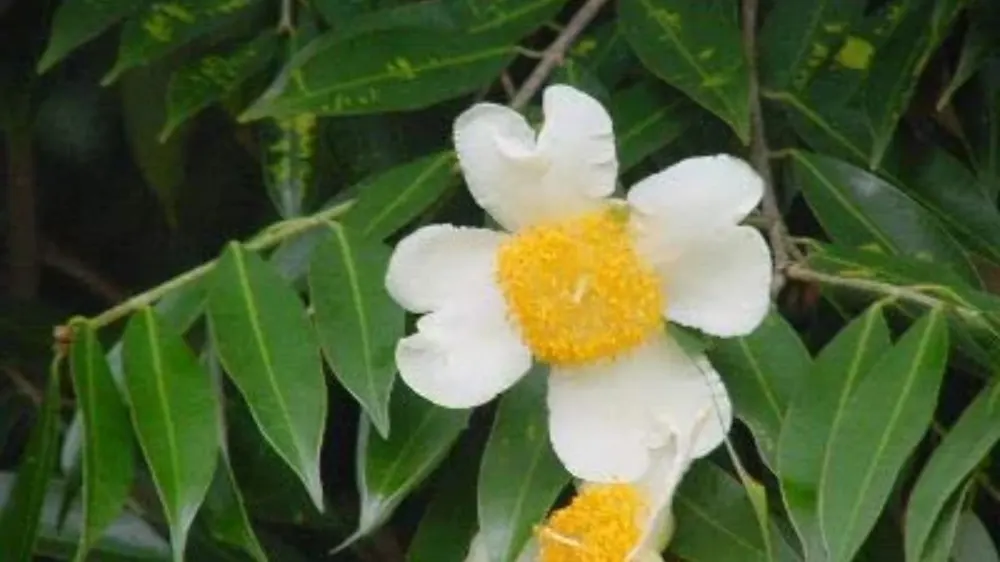
NAGKESHAR (Mesua ferrea)

NAGKESHAR (Mesua ferrea)

“The slow-growing, evergreen Nagkeshar (Mesua ferrea) tree is well-known for its medicinally beneficial blooms and stamens. It is sometimes referred to as Ceylon Ironwood or Indian Rose Chestnut. It is commonly found in the Indian subcontinent and Southeast Asia. In traditional Ayurvedic and Siddha medicine, Nagkeshar has been used to treat bleeding disorders, inflammation, digestive problems, and skin diseases. The tree’s dense, durable wood and aromatic flowers also make it significant in cultural and religious rituals.

Scientific Names

  • Kingdom: Plantae
  • Phylum: Angiosperms
  • Class: Eudicots
  • Order: Malpighiales
  • Family: Calophyllaceae
  • Genus: Mesua
  • Species: Mesua ferrea

Common Names

  • English: Ceylon Ironwood, Indian Rose Chestnut
  • Sanskrit: Nāgakeshara, Nāgapuspa
  • Hindi: Nāgkesar
  • Marathi: Nāgkesar
  • Tamil: Nagalingam
  • Malayalam: Nākappū
  • Telugu: Nāgakesaramu
  • Bengali: Nāgkesar

Traditional and Medicinal Uses

  • Hemostatic Activity – Used to stop bleeding in conditions like piles, excessive menstruation, and nosebleeds (epistaxis).
  • Anti-inflammatory and Wound Healing – Acts as a natural anti-inflammatory, reducing swelling, promoting tissue repair, and aiding wound healing.
  • Digestive and Metabolic Support – Because of its deepana (appetizer) and pachana (digestive) qualities, it is helpful in treating diarrhea, dysentery, and controlling metabolism.
  • Skin and Hair Health – Traditionally used to manage skin allergies, acne, and promote hair growth.
  • Antioxidant and Anti-microbial – Exhibits antimicrobial and antioxidant properties, protecting against microbial infections and oxidative stress.

References

The Ayurvedic Pharmacopoeia of India, Part I, Volume III, Government of India, Ministry of AYUSH.

Kirtikar, K.R., & Basu, B.D. (2001). Indian Medicinal Plants, Vol. II, 2nd Edition. Bishen Singh Mahendra Pal Singh, Dehradun, India.

Pandey, G., & Chandra, P. (2014). Herbal Biomedicine and Traditional Healing Systems, New Delhi: Springer.

Sharma, P.C., Yelne, M.B., & Dennis, T.J. (2001). Database on Medicinal Plants Used in Ayurveda, Vol. 5. Central Council for Research in Ayurveda & Siddha, Department of ISM&H, Govt. of India.

Jain, S.K. (1991). Dictionary of Indian Folk Medicine and Ethnobotany, Deep Publications, New Delhi.

Mukhija, M., & Sharma, V. (2010). “Pharmacognostical and phytochemical investigation of Mesua ferrea Linn.” International Journal of Pharmacognosy and Phytochemical Research, 2(1), 10-14.

Joshi, A., & Bhatia, R. (2015). “A Review on Mesua ferrea Linn.: A medicinal plant with diverse pharmacological potential.” International Journal of Pharmaceutical Sciences Review and Research, 30(1), 70-75.

European Pharmacopoeia, 10th Edition, Council of Europe.

Nadkarni, K.M. (1976). Indian Materia Medica, Vol. 1, Bombay Popular Prakashan.

Chopra, R.N., Nayar, S.L., & Chopra, I.C. (1956). Glossary of Indian Medicinal Plants. CSIR, New Delhi.

KAMPHILAK (Mallotus philippinensis)

KAMPHILAK (Mallotus philippinensis)

“Kamphilak (Mallotus philippinensis Muell. Arg.), commonly known as the Kamala tree, is a medicinal shrub or small tree belonging to the Euphorbiaceae family. It is extensively found in Southeast Asian and Indian subtropical and tropical woods. The reddish glandular hairs of its fruit are known as Kamala powder, traditionally used in Ayurvedic and folk medicine systems as anthelmintic, antibacterial, anti-inflammatory, hepatoprotective, and skin care remedy.

Scientific Names

  • Kingdom: Plantae
  • Phylum: Angiosperms
  • Class: Eudicots
  • Order: Malpighiales
  • Family: Euphorbiaceae
  • Genus: Mallotus
  • Species: Mallotus philippinensis Muell. Arg.

Common Names

  • English: Kamala Tree, Monkey Face Tree
  • Sanskrit: Kampillaka, Rakta-pushpa
  • Hindi: Kamala, Kamala ke beej
  • Tamil: Kamalai
  • Telugu: Kampillaka
  • Malayalam: Kampila
  • Kannada: Kampillaka
  • Bengali: Kamala
  • Marathi: Kamala

Traditional and Medicinal Uses

  • Hepatoprotective and Liver Health – Used for managing jaundice, liver enlargement, and other hepatic conditions due to its detoxifying action.
  • Skin Disorders – Applied externally for eczema, scabies, and fungal infections, owing to its antimicrobial and anti-inflammatory properties.
  • Antioxidant and Anti-inflammatory – Shows significant free radical scavenging activity; used in inflammatory conditions and chronic skin diseases.
  • Laxative and Digestive Aid – Acts as a mild laxative, improving bowel movements and digestive health.

References

Ayurvedic Pharmacopoeia of India (API), Part I, Volume VI, Government of India, Ministry of AYUSH.

Kirtikar, K.R., & Basu, B.D. (1991). Indian Medicinal Plants, Vol. III. Lalit Mohan Basu Publications, Allahabad.

Otsuki, N., Dang, N.H., Kumagai, E., et al. (2010). “Aqueous extract of Carica papaya leaves exhibits anti-tumor activity and immunomodulatory effects.” Journal of Ethnopharmacology, 127(3), 760–767.

Chopra, R.N., Nayar, S.L., & Chopra, I.C. (1956). Glossary of Indian Medicinal Plants. CSIR, New Delhi.
Mehta, B.K., Tiwari, M., & Singh, M. (2010). “Phytochemical and Pharmacological Studies on Mallotus philippinensis Muell. Arg.” International Journal of Pharmaceutical Sciences Review and Research, 1(2), 71-78.

Shafi, P.M., Rosamma, M.K., Jamil, K., & Reddy, P.S. (2002). “Antibacterial activity of Mallotus philippinensis extract.” Fitoterapia, 73(3), 251–254.

European Medicines Agency (EMA). (2013). Assessment report on Mallotus philippinensis Muell. Arg. – EMA/HMPC/552670/2012.

Nadkarni, K.M. (1976). Indian Materia Medica, Vol. I. Bombay Popular Prakashan.

The Wealth of India: A Dictionary of Indian Raw Materials and Industrial Products, CSIR Publications, New Delhi.

Pharmacognosy of Indigenous Drugs, Central Council for Research in Ayurveda and Siddha (CCRAS), Govt. of India.

PAPAYA (Carica papaya)

PAPAYA (Carica papaya)

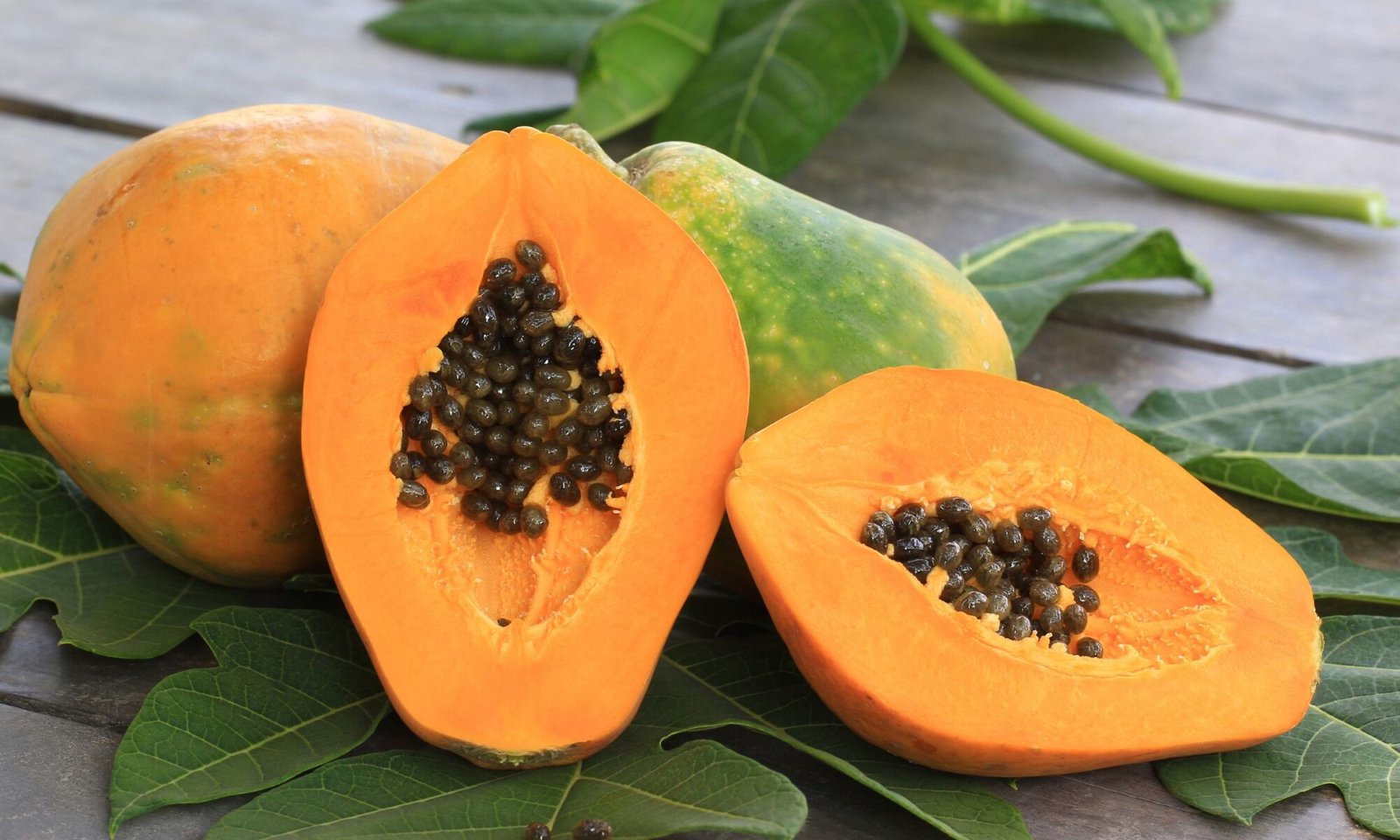
“Papaya (Carica papaya) is a fast-growing, tropical fruit-bearing plant known for its sweet, orange-fleshed fruit and medicinal properties. Native to Central America and Mexico, it belongs to the Caricaceae family. Both its fruit and various plant parts (leaves, seeds, latex) are used in traditional medicine systems such as Ayurveda, Unani, and folk medicine for treating digestive issues, infections, inflammation, and skin problems.

Papaya Scientific Name

  • Kingdom: Plantae
  • Phylum: Angiosperms
  • Class: Eudicots
  • Order: Brassicales
  • Family: Caricaceae
  • Genus: Carica
  • Species: Carica papaya

Papaya Common Name

  • English: Papaya
  • Sanskrit: Eranda Karkati, Madhu Karkati
  • Hindi: Papita
  • Tamil: Pappali
  • Telugu: Boppayi Pandu
  • Bengali: Pepe
  • Marathi: Papayi

🍽️ Papaya Uses in Daily Diet & Healthy Eating

Papaya is a popular fruit in daily food habits because it is light on the stomach and easy to digest.

  • Papaya can be eaten daily as a morning fruit for better digestion
  • It is commonly included in fruit bowls and breakfast plates
  • Papaya is used as a healthy snack between meals
  • It is suitable for children and elderly people because it is soft and easy to chew
  • Papaya is often included in weight management and low-calorie diet plans
  • Many people include Papaya in summer diet for hydration and freshness
  • Papaya is used in fitness diets to support digestion after protein-rich meals

🏡 Papaya Uses at Home

Papaya is easily available in Indian homes and used in many simple ways:

  • Fresh Papaya is kept at home as a ready-to-eat fruit
  • Papaya pulp is used in home-made face packs for natural glow
  • Mashed Papaya is used as a natural scrub for gentle exfoliation
  • Papaya + honey or Papaya + milk paste is used in traditional home skin care
  • Papaya pulp is sometimes used as a natural softening agent in home remedies
  • Papaya waste is used in home composting in kitchen gardens

🍳 Papaya Uses in Kitchen & Cooking

Papaya is widely used in Indian kitchens for cooking and food preparation:

  • Raw Papaya (Kachcha Papita) is used in sabzi, curry, and stir-fry recipes
  • Raw Papaya is added to salads and kachumber
  • Papaya is used in South Indian and North-East Indian dishes
  • Papaya is used to prepare chutney, pickle, and dry sabzi
  • Raw Papaya is traditionally used as a natural meat tenderizer at home
  • Papaya leaves are sometimes used in traditional cooking methods for flavour
  • Papaya seeds are occasionally dried and used as natural seasoning

🥤 Papaya Uses in Home-Made Drinks & Juices

Papaya is commonly used in refreshing home-made drinks:

  • Papaya juice is prepared as a natural summer drink
  • Papaya smoothies are made with milk or plant-based milk
  • Papaya is blended with other fruits in healthy fruit shakes
  • Papaya is added to detox drinks (traditional home practice)
  • Papaya pulp is used in home-made desserts and fruit creams

🥗 Papaya Uses in Everyday Food Recipes

Papaya is part of many daily food recipes in Indian homes:

  • Papaya fruit salad
  • Raw Papaya sabzi
  • Papaya raita (regional use)
  • halwa and desserts
  • jam and fruit spreads
  • curry with spices
  • mixed vegetable dishes

🌿 Papaya Uses in Traditional Home Care & Wellness

In daily home care routines, Papaya is traditionally used for:

  • Supporting smooth digestion after heavy meals
  • Natural face glow routines at home
  • Refreshing fruit for summer wellness routines
  • Traditional use in home-based skin care
  • Simple fruit-based detox lifestyle practices

Papaya Traditional and Medicinal Uses

  • Digestive Health – Papain enzyme from unripe fruit and latex aids in digestion by breaking down proteins.
  • Anthelmintic Use – Seeds are used as a natural remedy against intestinal worms, especially roundworms and tapeworms.
  • Skin and Wound Healing – Latex and pulp applied topically for wound healing, skin infections, and burns due to antimicrobial and proteolytic action.
  • Anti-inflammatory and Analgesic Use – Leaf extract traditionally used to reduce inflammation and pain in arthritic and febrile conditions.
  • Reproductive and Menstrual Health – Used in some traditional systems for menstrual regulation and to induce abortion

References

  • Ayurvedic Pharmacopoeia of India (API), Part-I, Vol. I, Govt. of India.
  • Chopra, R.N., Nayar, S.L., & Chopra, I.C. (1956). Glossary of Indian Medicinal Plants. CSIR, New Delhi.
  • Otsuki, N., Dang, N.H., Kumagai, E., et al. (2010). “Aqueous extract of Carica papaya leaves exhibits anti-tumor activity and immunomodulatory effects.” Journal of Ethnopharmacology, 127(3), 760–767.
  • Ahmad, N., Fazal, H., Ayaz, M., et al. (2011). “Biological role of Carica papaya in medicine and cosmetics.” Pakistan Journal of Botany, 43(1), 1–9.
  • European Pharmacopoeia, 10th Edition, Council of Europe.
  • Marisa, A.S., & Keong, C.Y. (2016). “Effect of Carica papaya leaf extract on platelet count in dengue patients: A systematic review and meta-analysis.” Evidence-Based Complementary and Alternative Medicine, 2016, Article ID 7596840.
  • Wee, Y.C. (2010). Fruits of Southeast Asia: Facts and Folklore. Marshall Cavendish International.
  • World Health Organization (WHO) Monographs on Selected Medicinal Plants.

Anantmool (Hemidesmus indicus)

Anantmool (Hemidesmus indicus)

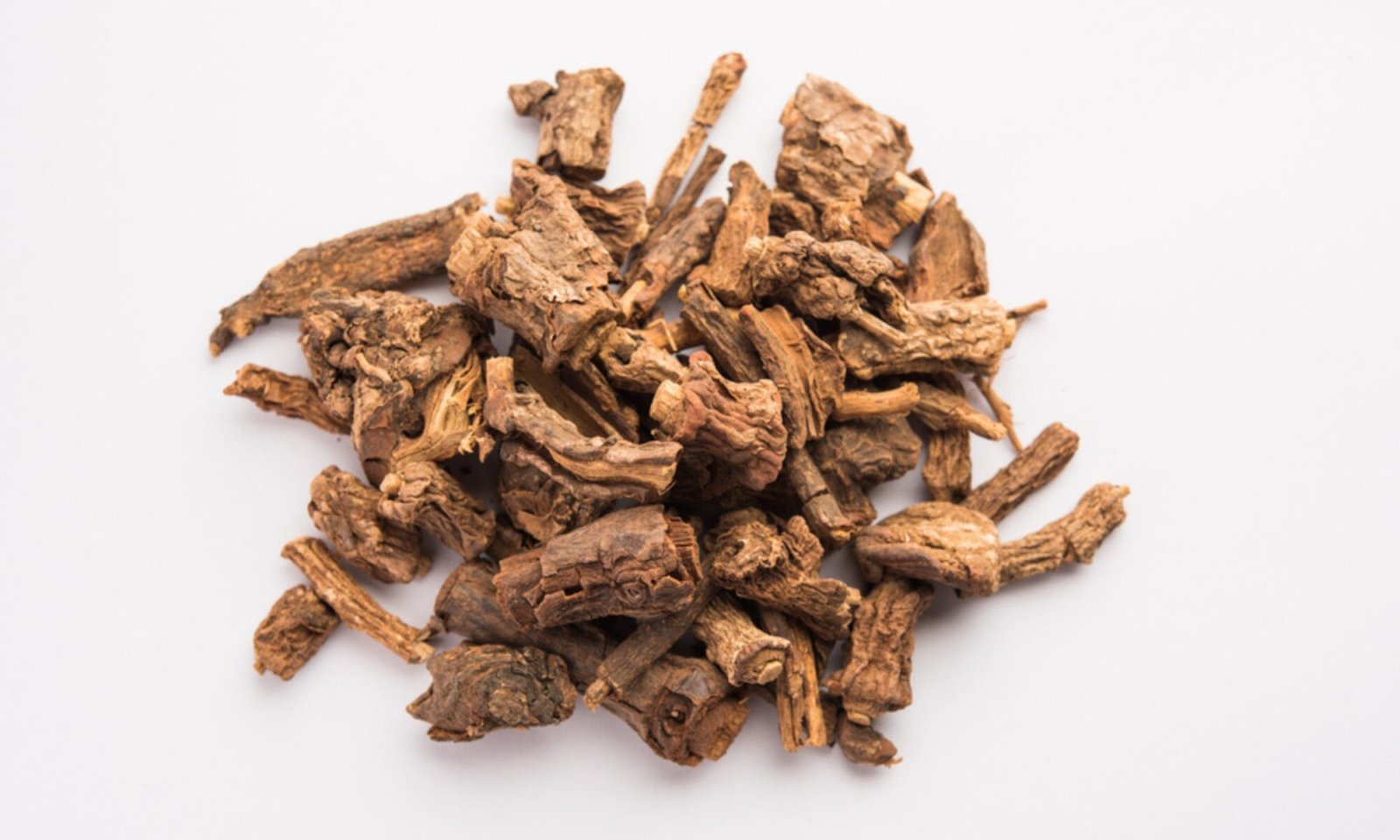
“Anantmool (Hemidesmus indicus), also known as Indian Sarsaparilla, is a twining perennial shrub native to South Asia and valued for its extensive use in traditional Indian medicine. It is highly valued in Ayurveda, Siddha, and Unani systems for its detoxifying, anti-inflammatory, and rejuvenating properties. Anantmool roots are fragrant and have been used for centuries in treating skin disorders, urinary issues, and as a blood purifier.

Anantmool Scientific Name

  • Kingdom: Plantae
  • Phylum: Angiosperms
  • Class: Eudicots
  • Order: Gentianales
  • Family: Apocynaceae
  • Genus: Hemidesmus
  • Species: Hemidesmus indicus (L.) R.Br. ex Schult.

Anantmool Common Name

  • English: Indian Sarsaparilla
  • Sanskrit: Anantmool, Sariva
  • Hindi: Anantmool
  • Tamil: Nannari
  • Telugu: Sugandhi-pala
  • Malayalam: Nannari
  • Kannada: Sogade beru
  • Marathi: Upalsari
  • Bengali: Anantamul

Traditional and Medicinal Uses

  • Blood Purifier – Widely used to cleanse the blood, treat skin conditions like eczema, acne, and chronic itching.
  • Anti-inflammatory and Detoxifier – Helps reduce internal inflammation and eliminate toxins from the body.
  • Skin Health – Used externally and internally for psoriasis, dermatitis, and wounds.
  • Hormonal Balance and Fertility – Traditionally used in female reproductive health for balancing hormones and treating infertility.
  • Antipyretic and Cooling Agent – Acts as a natural coolant and is effective in fevers, burning sensation, and gastritis.
  • Respiratory and Urinary Benefits – Helps in relieving bronchitis, chronic cough, and urinary tract infections.

References

    The Ayurvedic Pharmacopoeia of India, Part I, Vol. I. Ministry of AYUSH, Govt. of India.

    Nadkarni, K.M. (1976). Indian Materia Medica, Vol. 1. Popular Prakashan.

    Mukherjee, P.K. (2002). Quality Control of Herbal Drugs: An Approach to Evaluation of Botanicals. Business Horizons.

    Bhatt, P., et al. (2021). “A phytopharmacological review on Hemidesmus indicus (Anantmool): Traditional uses, pharmacological activities, and phytochemistry.” Journal of Ethnopharmacology, 267, 113503.

    Sivarajan, V.V., & Balachandran, I. (1994). Ayurvedic Drugs and Their Plant Sources. Oxford & IBH Publishing Co.

    European Medicines Agency (EMA). Community Herbal Monograph on Hemidesmus indicus Root.

    Indian Herbal Pharmacopoeia, Revised Edition (2002), Indian Drug Manufacturers’ Association and Regional Research Laboratory.

Nishoth (Operculina turpethum)

Nishoth (Operculina turpethum)

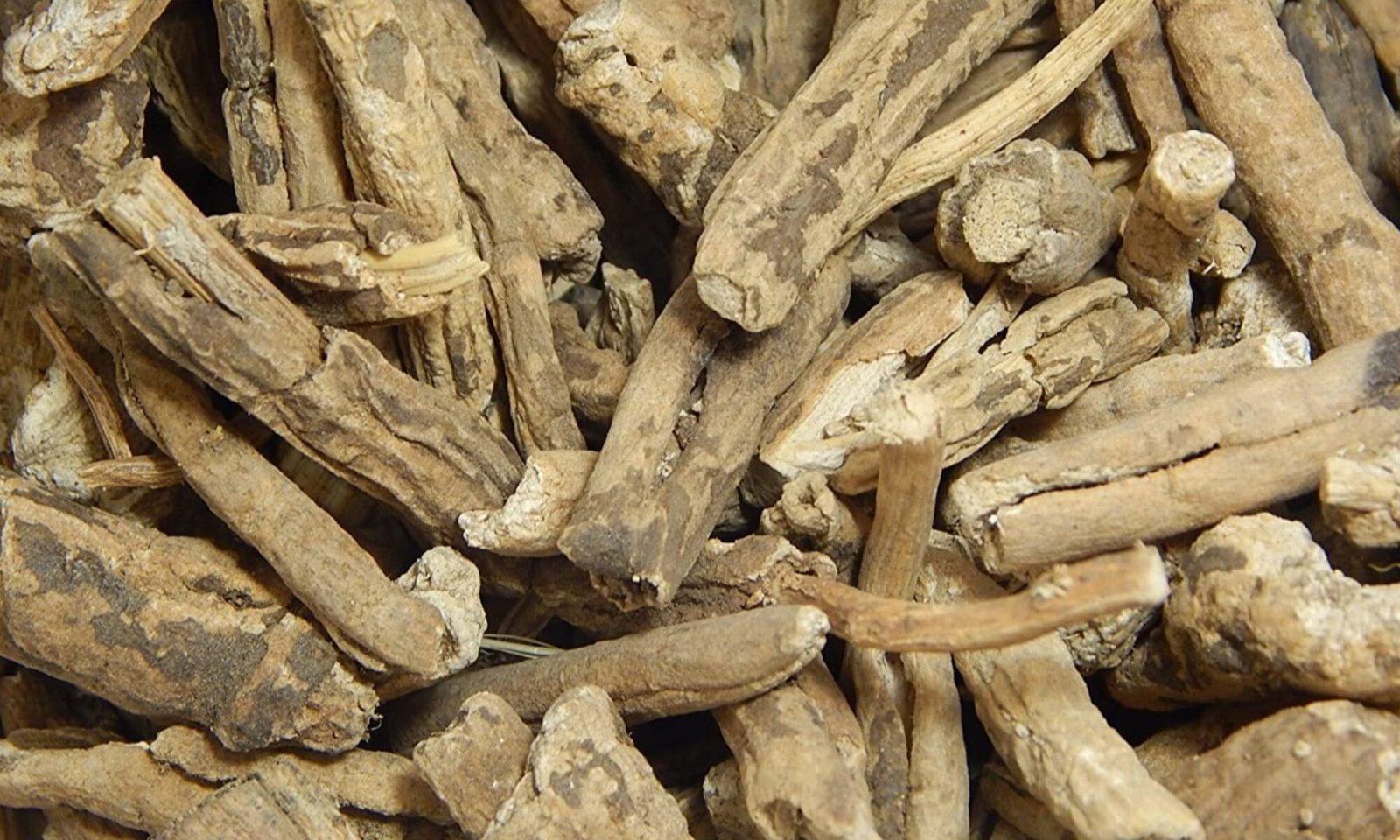
“Nishoth (Operculina turpethum) is a well-known herb in Ayurvedic medicine, valued for its strong purgative action. It is a perennial, twining herbaceous plant that belongs to the Convolvulaceae family. The root of the plant, especially the white variety, is widely used for therapeutic purposes including detoxification, treatment of constipation, liver disorders, and as a blood purifier.”

Scientific Classification

  • Kingdom: Plantae
  • Phylum: Angiosperms
  • Class: Eudicots
  • Order: Solanales
  • Family: Convolvulaceae
  • Genus: Operculina
  • Species: Operculina turpethum (L.) Silva Manso

Common Names

  • English: Turpeth Root / Indian Jalap
  • Sanskrit: Trivrit, Teekshna Trivrit
  • Hindi: Nishoth, Tarbel
  • Gujarati: Nisot
  • Tamil: Sivathai
  • Telugu: Tegada
  • Bengali: Nishoth
  • Marathi: Nishottar

Traditional and Medicinal Uses

  • Laxative and Purgative – The root acts as a strong purgative, useful in treating chronic constipation, ascites, and abdominal distension.
  • Liver Health – Used in conditions like jaundice and hepatitis due to its hepatoprotective and cholagogue action.
  • Skin and Blood Disorders – Acts as a blood purifier, used in treatment of eczema, acne, and other skin diseases..
  • Anti-inflammatory and Analgesic – Helpful in managing joint inflammation, gout, and arthritis.

References

    The Ayurvedic Pharmacopoeia of India, Part I, Vol. 1, Govt. of India, Ministry of AYUSH, New Delhi.

    Nadkarni, K.M. (1976). Indian Materia Medica, Vol 1, Popular Prakashan, Mumbai.

    Anonymous (2001). Quality Standards of Indian Medicinal Plants, Vol. 2, ICMR, New Delhi.

    Sharma, P.C., Yelne, M.B., & Dennis, T.J. (2001). Database on Medicinal Plants Used in Ayurveda, Vol. 4, CCRAS, New Delhi.

    Gupta, R.K., & Tandon, N. (2004). Reviews on Indian Medicinal Plants, Vol. 3, ICMR, New Delhi.

    Singh, S., & Kumar, S. (2012). “Pharmacognostical and Phytochemical Evaluation of Operculina turpethum.” International Journal of Pharmaceutical Sciences Review and Research, 14(1), 104-108.

    Goyal, M., Nagori, B.P., & Sasmal, D. (2011). “Phytopharmacological review on Operculina turpethum.” Asian Journal of Plant Sciences, 10(6), 390-395.

    European Pharmacopoeia, 10th Edition, Council of Europe.

Kapikacchu (Mucuna pruriens)

Kapikacchu (Mucuna pruriens)

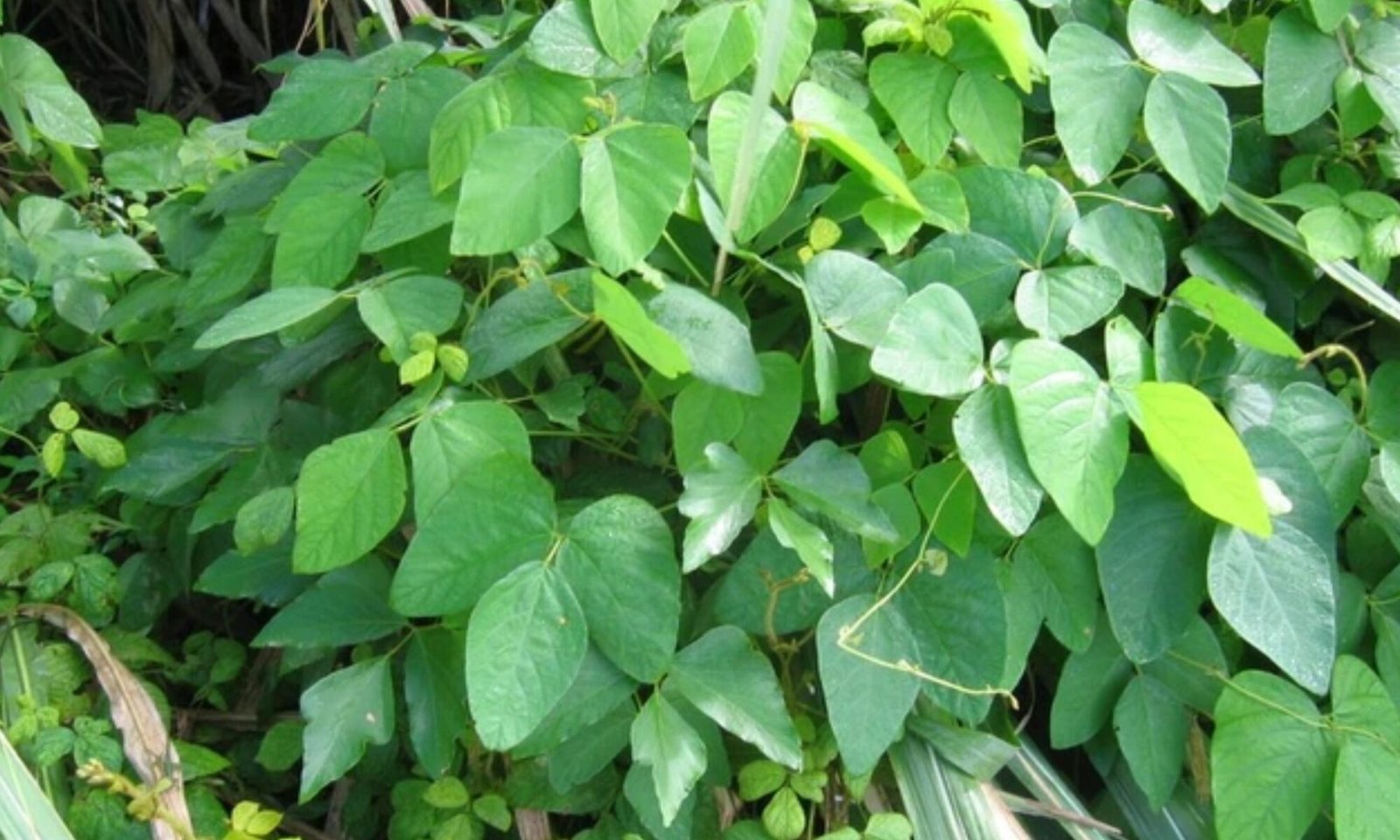
“The velvet bean, or kapikacchu (Mucuna pruriens), is a tropical legume valued for its diverse nutritional and medicinal characteristics. It is widely used in Ayurveda, Unani, and other traditional medicine systems, primarily for its rejuvenating effects, neurological benefits, and as an aphrodisiac. It is notable for containing L-DOPA (Levodopa), a direct precursor to dopamine, making it particularly useful in managing Parkinson’s disease, improving mood, and enhancing libido and fertility.”

Velvet Bean Scientific Name

  • Kingdom: Plantae
  • Phylum: Tracheophyta
  • Class: Magnoliopsida
  • Order: Fabales
  • Family: Fabaceae
  • Genus: Mucuna
  • Species: Mucuna pruriens (L.) DC.

Common Names

  • English: Velvet Bean, Cowhage
  • Sanskrit: Kapikacchu, Atmagupta
  • Hindi: Kaunch, Konch Beej
  • Tamil: Poonaikali Vidai
  • Telugu: Naikkuruna
  • Bengali: Alkushi
  • Marathi: Khajkujhali

Traditional and Medicinal Uses

  • Nervine Tonic – Strengthens the nervous system, supports coordination and muscle movement.
  • Aphrodisiac and Reproductive Health – Enhances libido, sperm count, and fertility in both men and women, Rejuvenates reproductive tissues and improves vitality.
  • Mood Enhancer – Elevates dopamine levels, aiding in the treatment of depression, stress, and anxiety..
  • Anti-diabetic – Helps regulate blood glucose levels by modulating insulin sensitivity.

References

    Ayurvedic Pharmacopoeia of India (API), Vol. II, Part I, Govt. of India

    The Wealth of India: A Dictionary of Indian Raw Materials and Industrial Products, CSIR, New Delhi.

    Manyam, B. V. (1995). “Mucuna pruriens (Cowhage) in Parkinson’s disease.” Journal of Alternative and Complementary Medicine, 1(3), 249–255.

    Lampariello, L. R., Cortelazzo, A., Guerranti, R., Sticozzi, C., & Valacchi, G. (2012). “The Magic Velvet Bean of Mucuna pruriens.” Journal of Traditional and Complementary Medicine, 2(4), 331–339.

    Hussain, G., et al. (2018). “Role of dietary bioactive phytochemicals in oxidative stress-mediated neurodegenerative diseases: Evidence from in vivo and in vitro studies.” Oxidative Medicine and Cellular Longevity, Article ID 2017039.

    Bhavaprakasha Nighantu, Commentary by Dr. K.C. Chunekar, Published by Chaukhambha Bharati Academy, Varanasi.

    European Medicines Agency (EMA). Assessment report on Mucuna pruriens seed extract. Herbal medicinal product documentation.

    United States Pharmacopeia Herbal Medicines Compendium (HMC).

    Satyavati, G.V., Gupta, A.K., & Tandon, N. (1987). Medicinal Plants of India, Vol. II. ICMR, New Delhi.

SIGRU (Moringa oleifera)

SIGRU (Moringa oleifera)

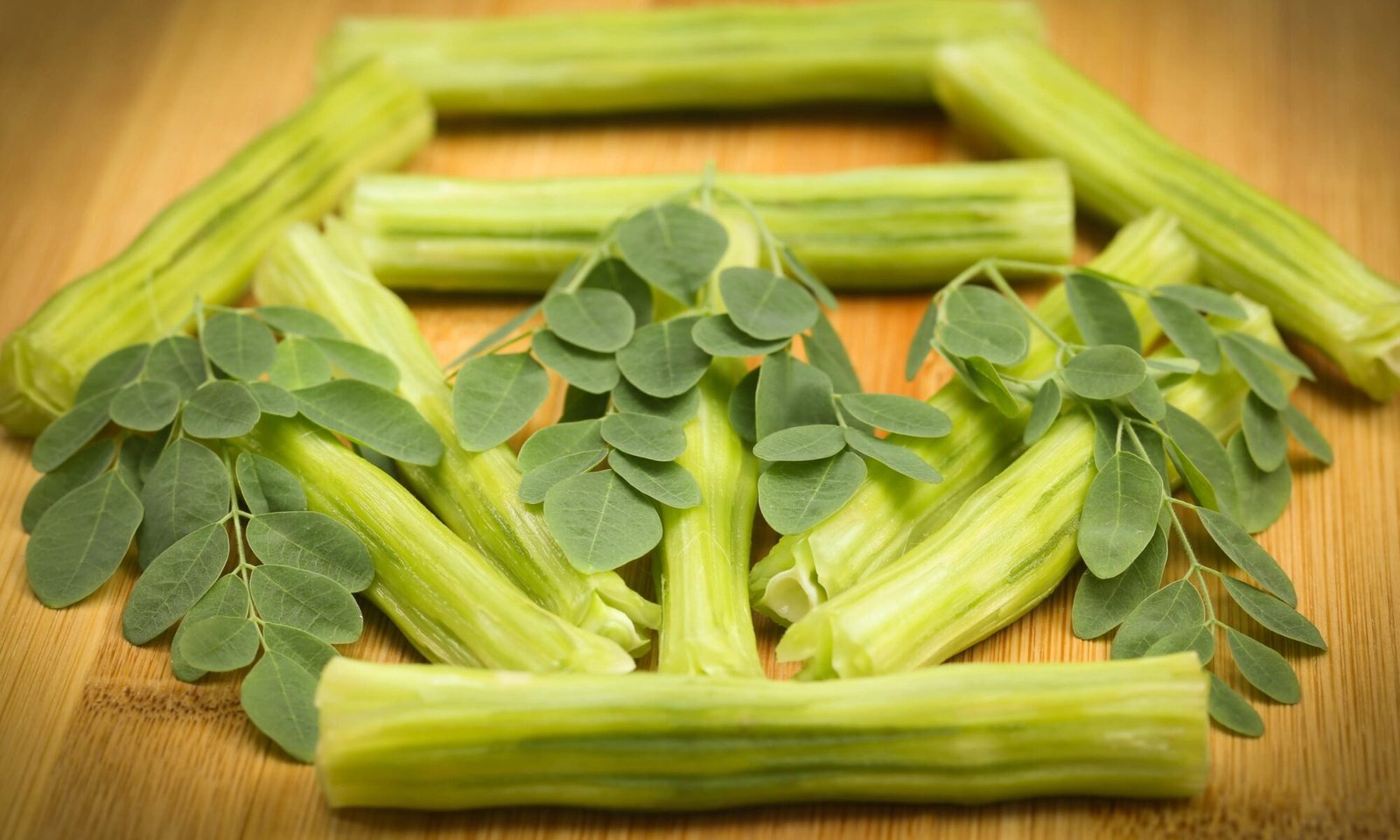
“The Indian subcontinent is home to the quick-growing, drought-resistant Moringa oleifera, also referred to as the drumstick tree. Belonging to the Moringaceae family, it is highly valued in Ayurveda and other traditional medicine systems for its nutritional, anti-inflammatory, antioxidant, antimicrobial, and anti-diabetic properties. Every part of the plant—leaves, seeds, pods, bark, and roots—is used medicinally or nutritionally.”

What is Moringa (Sigru) in Ayurveda?

Moringa, known as Sigru in Ayurveda, is a highly valued medicinal plant used for thousands of years in traditional Indian medicine. Almost every part of the Moringa tree, including leaves, seeds, pods, bark, and roots, is used for therapeutic purposes. In Ayurveda, Sigru is known for its detoxifying, anti-inflammatory, antioxidant, and immunity-boosting properties. It is commonly used to balance Vata and Kapha dosha and supports overall wellness naturally.

Nutritional Profile of Moringa

Moringa is known as a “superfood” because it is rich in essential nutrients. It contains:

  • High levels of plant-based protein
  • Vitamins A, C, E, and B-complex
  • Minerals like calcium, iron, potassium, and magnesium
  • Natural antioxidants and amino acids

Due to this rich nutritional profile, Moringa is widely used in Ayurvedic supplements, herbal powders, capsules, and functional foods.

Moringa oleifera Scientific Name

  • Kingdom: Plantae
  • Phylum: Angiosperms
  • Class: Eudicots
  • Order: Brassicales
  • Family: Moringaceae
  • Genus: Moringa
  • Species: Moringa oleifera

Moringa oleifera Common Name

  • English: Drumstick Tree, Horseradish Tree, Miracle Tree
  • Sanskrit: Sigru, Shobhanjana
  • Hindi: Sahjan
  • Tamil: Murungai
  • Telugu: Munagakaya
  • Malayalam: Muringa
  • Kannada: Nugge Mara
  • Bengali: Sajna
  • Marathi: Shevga
  • Gujarati: Saragavo

Health Benefits of Moringa (Sigru)

Moringa offers multiple health benefits when used regularly as per Ayurvedic guidance:

  • Supports natural immunity
  • Helps in detoxification of the body
  • Supports healthy digestion
  • Helps in maintaining normal blood sugar levels
  • Supports joint and muscle health
  • Promotes healthy skin and hair
  • Helps reduce weakness and fatigue
  • Supports liver and kidney health

Moringa oleifera Uses

  • Nutritional Supplement – Leaves are rich in vitamins (A, C, B6), iron, calcium, and proteins, often used as a superfood.
  • Anti-inflammatory and Antioxidant – Contains quercetin and chlorogenic acid, reducing oxidative stress and inflammation.
  • Blood Sugar Regulation – Seeds and leaves have hypoglycemic properties useful in managing type 2 diabetes..
  • Cardiovascular Health – Helps reduce cholesterol and blood pressure, improving heart health.
  • Digestive Support – Bark and roots help in treating constipation, gastritis, and ulcers.
  • Joint and Bone Health – Traditionally used to treat arthritis, swelling, and bone weakness..
  • Reproductive Health – Improves libido, regulates menstrual cycles, and enhances lactation in mothers..

Common Uses of Moringa in Daily Life & Home Remedies

Moringa is widely used in Indian homes and Ayurvedic practices:

  • 🥄 Moringa Powder: Added to smoothies, juices, soups, and curries
  • 💊 Moringa Capsules/Tablets: Used as daily herbal supplement
  • 🥗 Fresh Moringa Leaves: Used in sabzi, dal, and soups

Moringa for Skin, Hair & Beauty Care

Moringa is widely used in natural beauty and cosmetic products:

  • Helps improve skin glow and hydration
  • Supports acne-prone and sensitive skin
  • Helps reduce dandruff and hair fall
  • Supports stronger hair roots
  • Used in herbal face packs, hair oils, and shampoos

References

  • Ayurvedic Pharmacopoeia of India, Govt. of India, Ministry of AYUSH.
  • Fahey, J. W. (2005). Moringa oleifera: A review of the medical evidence for its nutritional, therapeutic, and prophylactic properties. Part 1. Trees for Life Journal.
  • Anwar, F., Latif, S., Ashraf, M., & Gilani, A. H. (2007). Moringa oleifera: A food plant with multiple medicinal uses. Phytotherapy Research, 21(1), 17–25.
  • Leone, A., Spada, A., Battezzati, A., Schiraldi, A., Aristil, J., & Bertoli, S. (2015). Cultivation, genetic, ethnopharmacology, phytochemistry and pharmacology of Moringa oleifera leaves: An overview. International Journal of Molecular Sciences, 16(6), 12791–12835.
  • The Wealth of India (Raw Materials), Vol. 6: L-M, CSIR, New Delhi.
  • Chopra, R.N., Nayar, S.L., & Chopra, I.C. (1956). Glossary of Indian Medicinal Plants. CSIR, New Delhi.
  • Fuglie, L. J. (2001). The Miracle Tree: Moringa oleifera: Natural Nutrition for the Tropics. Church World Service, Dakar.

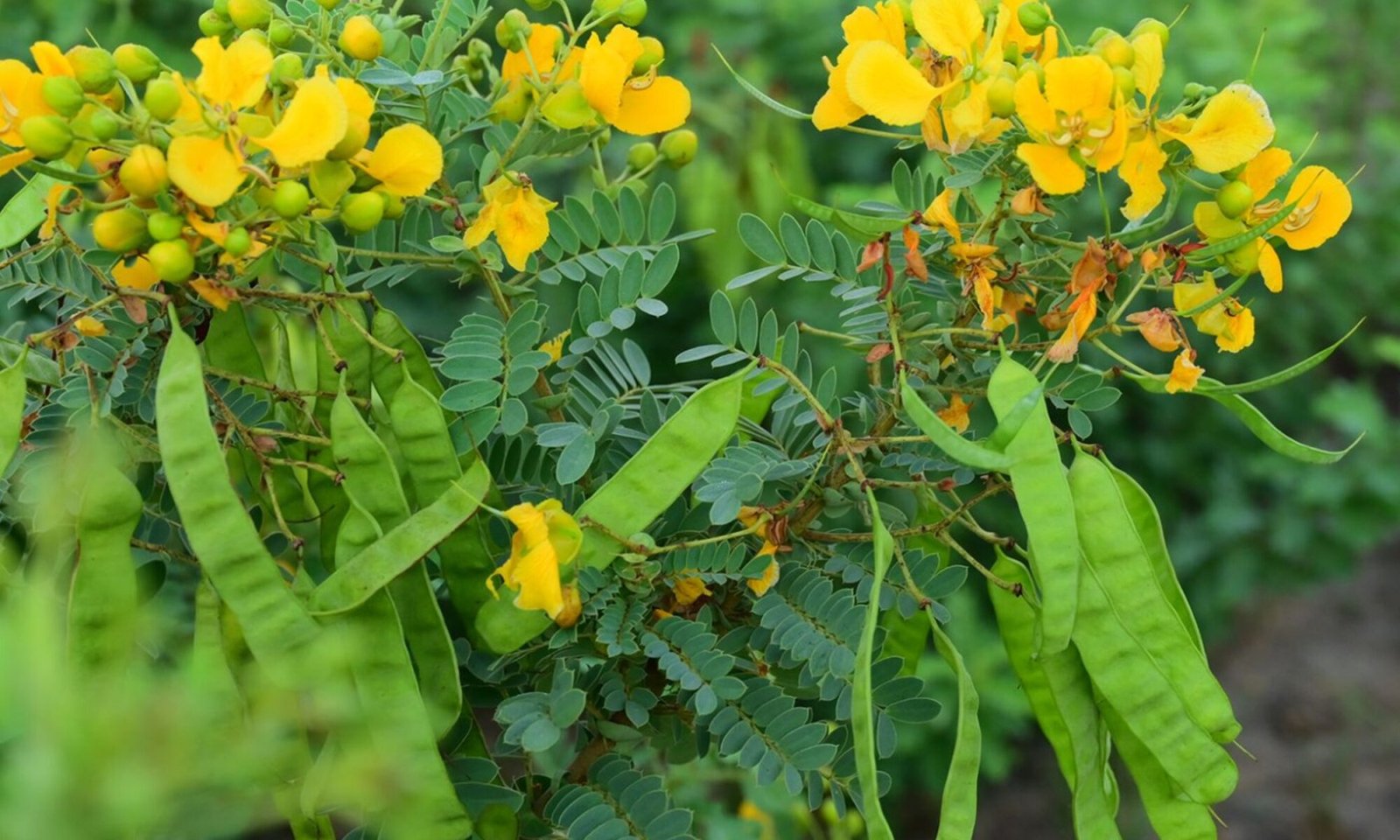
SONAMUKHI (Cassia angustifolia)

SONAMUKHI (Cassia angustifolia)

Sonamukhi (Cassia angustifolia) is a well-known medicinal shrub belonging to the Fabaceae family. Commonly referred to as Indian Senna, this plant is primarily used for its potent laxative properties. The dried leaves and pods are used in traditional systems like Ayurveda, Unani, and Siddha for treating constipation, skin disorders, and detoxification. For commercial medical use, it is primarily grown in Egypt and India (Tamil Nadu, Rajasthan).

Scientific Name

  • Kingdom: Plantae
  • Phylum: Angiosperms
  • Class: Eudicots
  • Order: Fabales
  • Family: Fabaceae
  • Genus: Cassia
  • Species: Cassia angustifolia Vahl

Common NameS

  • English: Indian Senna, Tinnevelly Senna
  • Sanskrit: Swarnapatri, Rajavriksha
  • Hindi: Sonamukhi
  • Tamil: Nilavirai
  • Telugu: Nelatagedu
  • Kannada: Nelavarike
  • Gujarati: Sonamukhi
  • Malayalam: Nilavilakku

Traditional and Medicinal Uses

  • Natural Laxative – Used to relieve constipation by stimulating intestinal peristalsis.
  • Detoxification – Helps in cleansing the colon and removing accumulated toxins. Used during Panchakarma procedures in Ayurveda.
  • Skin Disorders – Paste or decoction used for treating ringworm, eczema, and acne due to its antimicrobial activity.

References

    Ayurvedic Pharmacopoeia of India, Part I, Volume II, Govt. of India, Ministry of AYUSH.

    Gupta AK, Tandon N, Sharma M. (2008). Quality Standards of Indian Medicinal Plants, Vol. 5, Indian Council of Medical Research (ICMR), New Delhi.

    Kirtikar KR, Basu BD. (2006). Indian Medicinal Plants, Volume II, International Book Distributors.

    European Medicines Agency. (2011). “Assessment Report on Senna alexandrina Mill. (syn. Cassia angustifolia Vahl)” – Committee on Herbal Medicinal Products (HMPC).

    Tiwari P, et al. (2011). “Phytochemical screening and antimicrobial activity of Cassia angustifolia.” International Journal of Research in Pharmacy and Chemistry, 1(4), 1151–1156.

    Chopra RN, Nayar SL, Chopra IC. (1956). Glossary of Indian Medicinal Plants. CSIR, New Delhi.

    Sharma PV. (1999). Dravyaguna Vijnana, Vol II, Chaukhambha Bharati Academy.

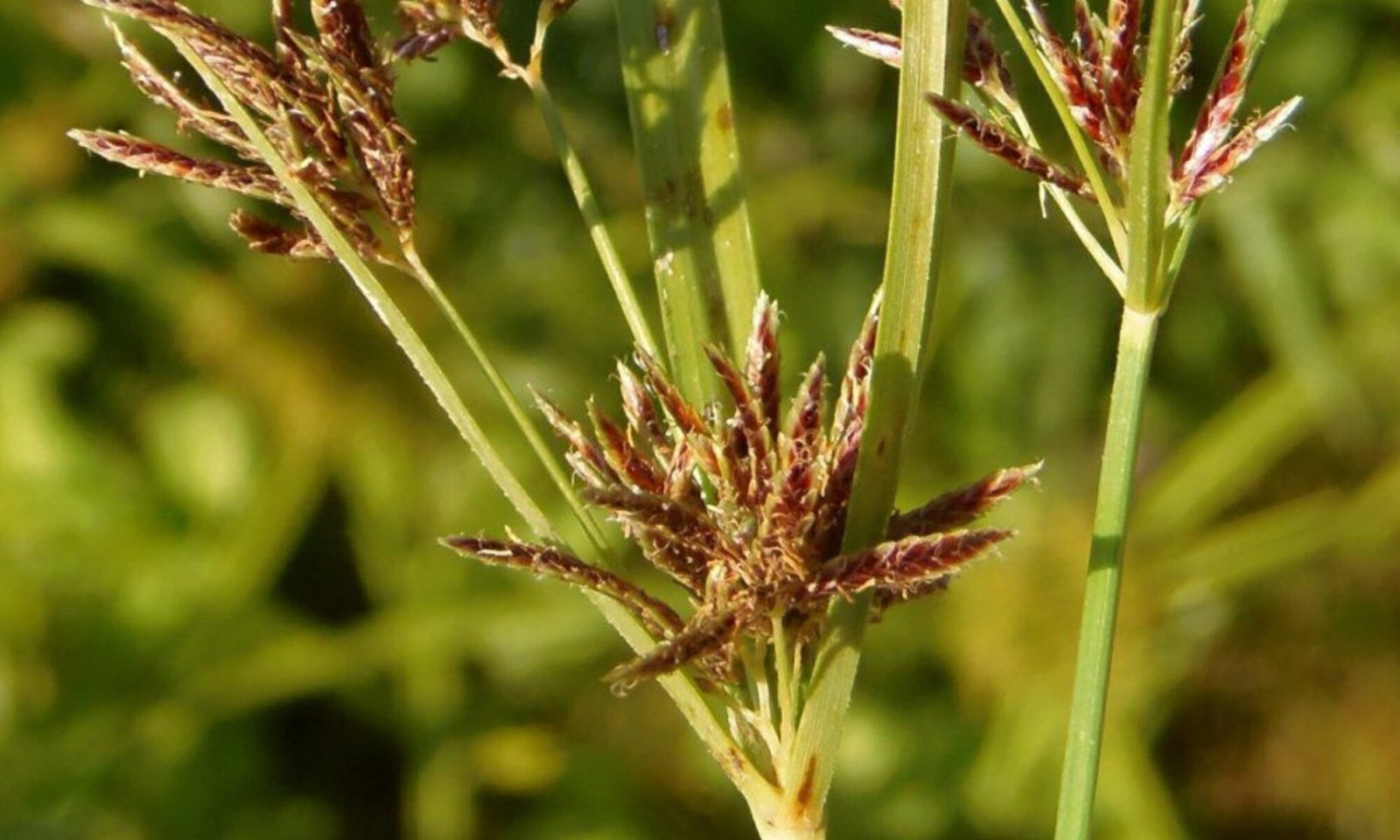
Nagarmotha (Cyperus rotundus)

Nagarmotha (Cyperus rotundus)

Nagarmotha (Cyperus rotundus), also known as Nutgrass or Purple Nutsedge, is a perennial, sedge-like herb belonging to the Cyperaceae family. It is known for its aromatic rhizomes and is widely used in traditional medicine systems like Ayurveda, Siddha, and Unani. Strong digestive, anti-inflammatory, antipyretic, and carminative qualities are displayed by the herb. The rhizomes are particularly valued for their essential oils and various phytochemicals.

Nagarmotha Scientific Name

  • Kingdom: Plantae
  • Phylum: Angiosperms
  • Class: Monocots
  • Order: Poales
  • Family: Cyperaceae
  • Genus: Cyperus
  • Species: Cyperus rotundus L.

Nagarmotha Common Name

  • English: Nutgrass, Purple Nutsedge
  • Sanskrit: Mustaka, Nagaramustaka
  • Hindi: Nagarmotha
  • Tamil: Korai Kizhangu
  • Telugu: Tunga Mustalu
  • Malayalam: Muthanga
  • Bengali: Motha
  • Marathi: Nagarmotha

Nagarmotha Uses

  • Digestive Health – Acts as a deepana (appetizer) and pachana (digestive) agent.
  • Anti-Inflammatory and Analgesic – Used topically for swelling, inflammation, and joint pain. Shows significant anti-arthritic and anti-inflammatory effects.
  • Antipyretic and Antimicrobial – Useful in fever management due to its antipyretic properties.
  • Skin and Hair Health – Incorporated into formulations for acne, eczema, and scalp conditions. Helps reduce itching, dandruff, and skin irritation.
  • Female Reproductive Health – Helps regulate menstrual disorders and uterine tone.
  • References

    Ayurvedic Pharmacopoeia of India (API), Govt. of India, Ministry of AYUSH.

    Chopra, R.N., Nayar, S.L., & Chopra, I.C. (1956). Glossary of Indian Medicinal Plants. CSIR, New Delhi.
    Suresh, Kumar R. et al. (2011). “Phytochemical and pharmacological profile of Cyperus rotundus L.: A review.” Journal of Pharmacy Research, 4(2), 460–462.

    Saha, S., & Verma, R.J. (2016). “Antioxidant and antidiabetic potential of Cyperus rotundus rhizome extract in STZ-induced diabetic rats.” Pharmacognosy Journal, 8(6), 572–577.

    European Pharmacopoeia, 10th Edition, Council of Europe.

    Williamson, E.M. (2002). Major Herbs of Ayurveda. Churchill Livingstone, UK.

    Meena, A.K., et al. (2010). “Review on Cyperus rotundus—A potential herb.” International Journal of Pharmaceutical Sciences Review and Research, 5(2), 67–70.

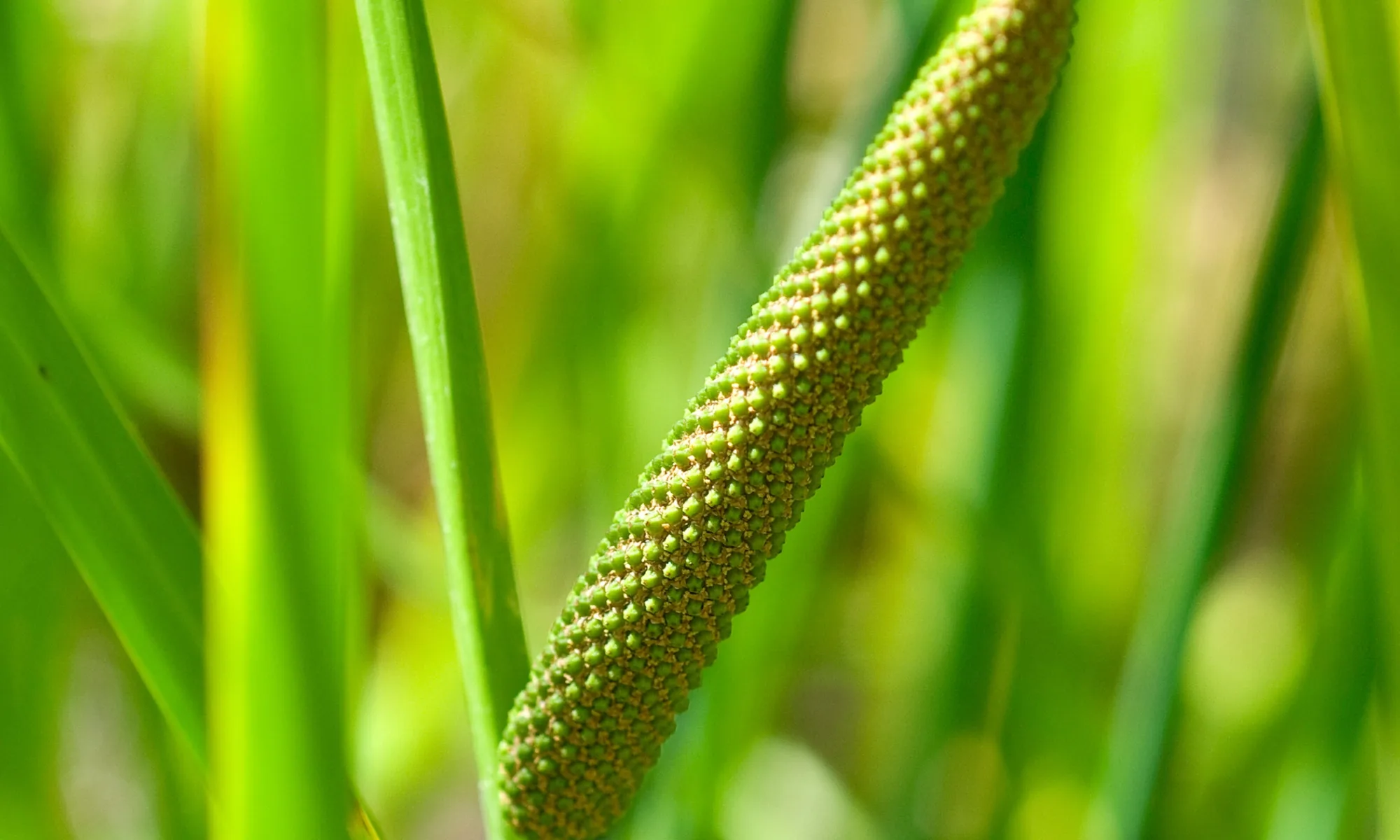
Vaj (Acorus calamus)

Vaj (Acorus calamus)

Vaj (Acorus calamus), also known as Sweet Flag, is a semi-aquatic, perennial herb commonly found in wetlands and marshy areas across India and many parts of Asia, Europe, and North America. It is well-regarded in Ayurveda, Traditional Chinese Medicine, and Unani for its wide range of health benefits. Vaj is prized for its strong, fragrant rhizomes and has long been used to cure respiratory and skin conditions, improve digestion, manage epilepsy, and improve memory.

Acorus calamus Scientific Name

  • Kingdom: Plantae
  • Phylum: Angiosperms
  • Class: Monocots
  • Order: Acorales
  • Family: Acoraceae
  • Genus: Acorus
  • Species: Acorus calamus

Acorus calamus Common Name

  • English: Sweet Flag, Calamus
  • Sanskrit: Vacha, Ugragandha
  • Hindi: Vaj, Ghorvach
  • Gujarati: Vaj
  • Tamil: Vasambu
  • Telugu: Vasa
  • Malayalam: Vayambu
  • Bengali: Boch

Traditional and Medicinal Uses

  • Cognitive and Nervous System Health – Acts as a Medhya Rasayana (brain tonic) that enhances memory, learning, and speech.
  • Digestive and Gastrointestinal Support – Serves as a carminative, digestive stimulant, and anthelmintic.
  • Respiratory Care – Beneficial in asthma, bronchitis, cough, and sinusitis by acting as an expectorant and decongestant.
  • Skin and Hair Uses – External application helps in treating eczema, skin infections, and wounds.
  • Reproductive Health – Used as an aphrodisiac and emmenagogue in traditional medicine.
  • References

    Ayurvedic Pharmacopoeia of India (API), Govt. of India, Part I, Vol I, 2001.

    Sharma, P.V. (2006). Dravyaguna Vigyan, Vol. 2, Chaukhambha Bharati Academy.

    Khare, C.P. (2007). Indian Medicinal Plants: An Illustrated Dictionary, Springer.

    European Medicines Agency (EMA). (2017). Assessment report on Acorus calamus L.

    Council of Europe. (2010). European Pharmacopoeia, 7th Edition.

    Maity, T.K., et al. (2000). “Studies on the anti-inflammatory and antipyretic properties of Acorus calamus rhizome extract.” Journal of Ethnopharmacology, 72(1-2), 151–156.

    Singh, R. & Sharma, P. (2003). “Phytochemical and pharmacological profile of Acorus calamus Linn.” Journal of Pharmacy and Pharmacology, 55(11), 1501–1506.

    Bisset, N.G. (1994). Herbal Drugs and Phytopharmaceuticals, CRC Press.

Follow us @polycareherbal

0
    0
    Your Cart
    Your cart is emptyReturn to Shop